Read more
Japanese Furniture as a calm framework for everyday life
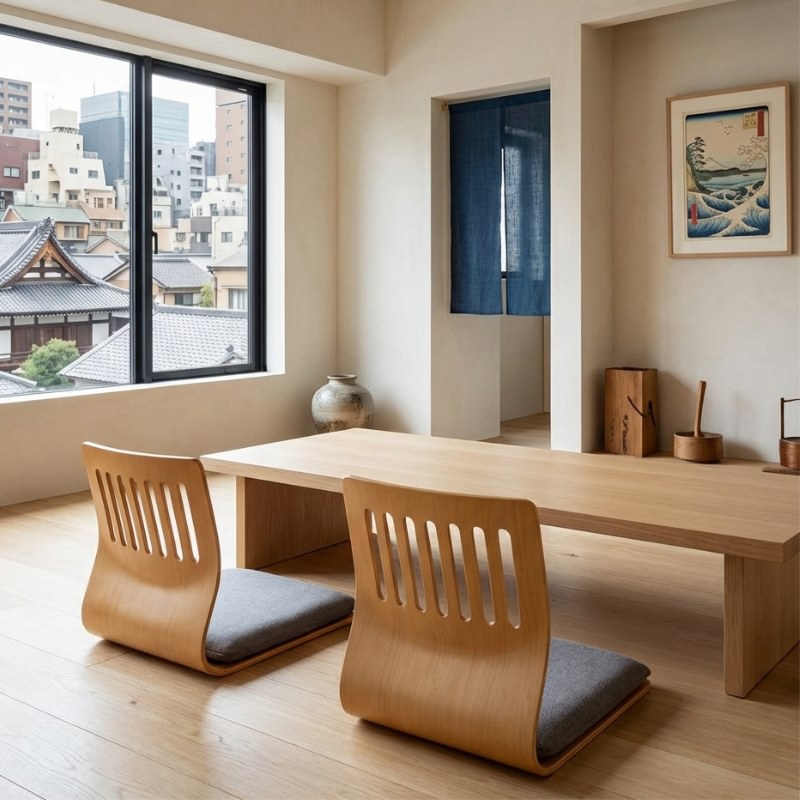
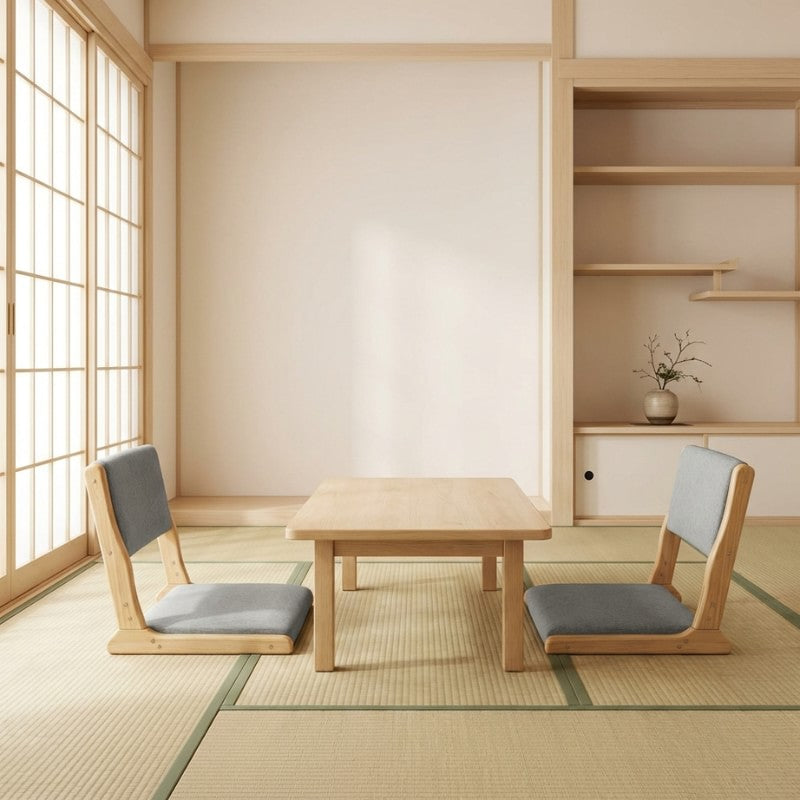
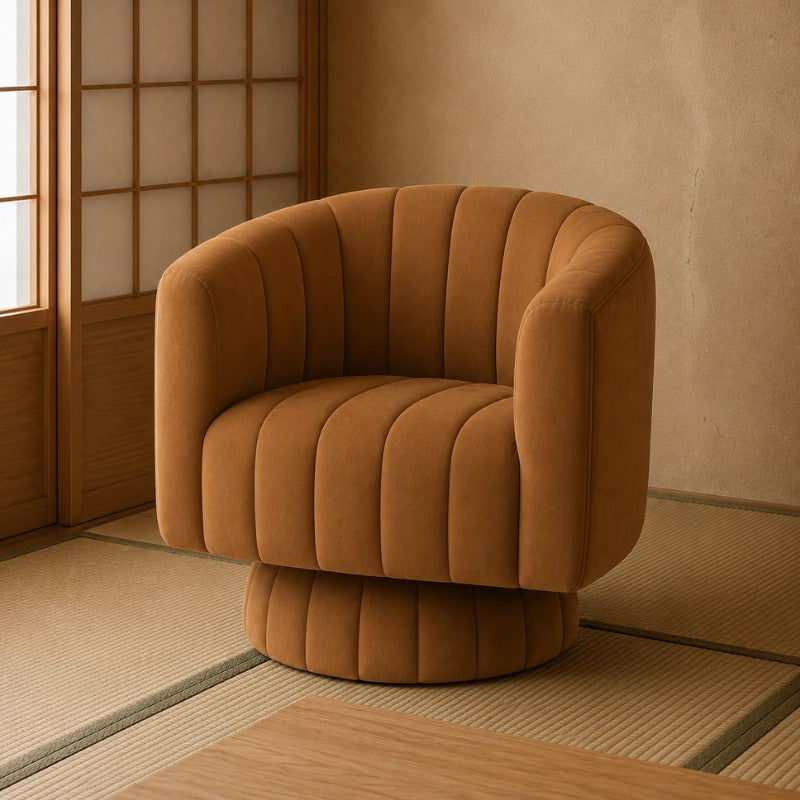
A balanced Japanese Living room usually keeps the horizon low. Tables sit close to the floor, chairs stay compact, and storage runs along the lower part of the wall. This arrangement leaves a generous band of empty space above, which gives the eye room to rest and makes even small rooms feel open. When people sit closer to the floor, conversation slows, postures soften, and the room begins to feel more like a shared landscape than a stage filled with bulky pieces.
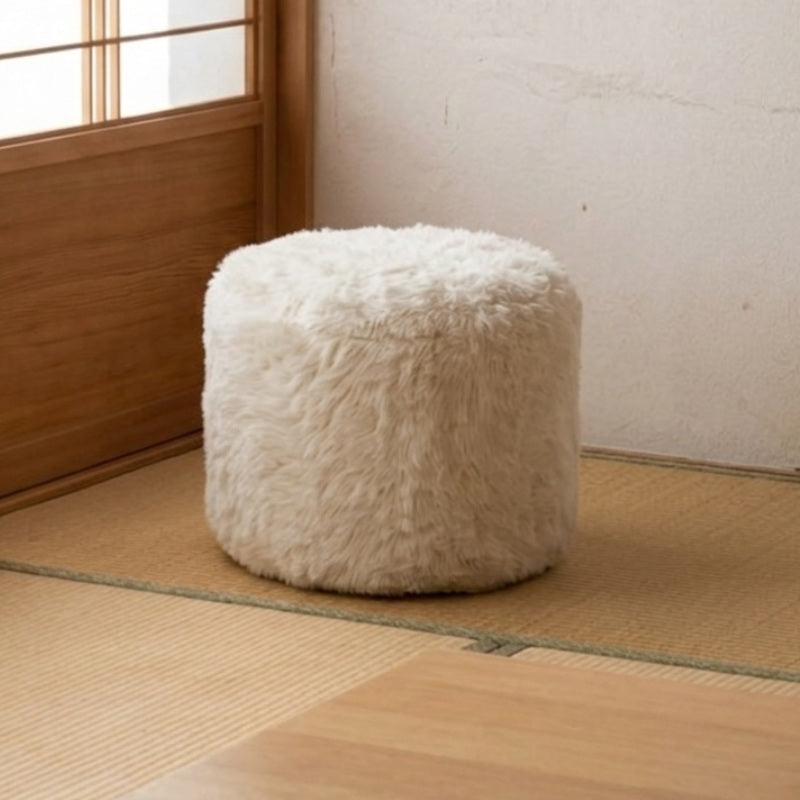
Floor culture defines much of the character in Japanese Furniture. The home gains warmth and softness when a room or area rests on a layer of woven rush, wood, or dense textile. A traditional Tatami mat brings a gentle spring underfoot, marks proportions in the space, and guides the placement of tables, futons, and cushions. Even when a room uses wood or stone instead of tatami, furniture that respects those proportions keeps the spirit of the layout intact.
Sleeping zones follow the same logic. Instead of a heavy elevated frame, many interiors rely on low platforms or flexible bedding that folds away. A well chosen Japanese futon mattress supports the spine, rolls neatly when morning arrives, and frees the floor for stretching, reading, or working during the day. This flexibility turns a bedroom into a multipurpose space and encourages a more direct relationship with the floor and the materials that cover it.
Light control matters as much as seating. Rather than relying only on blinds or thick drapes, many homes dress windows with soft textiles that filter daylight and protect privacy without blocking the outside world. A thoughtful pair of Japanese Curtains frames the view, softens contrast, and echoes the tones of wood, tatami, and bedding. When curtains, furniture, and floor work together, the room feels intentional from morning to night.
Japanese Furniture features and benefits for each room
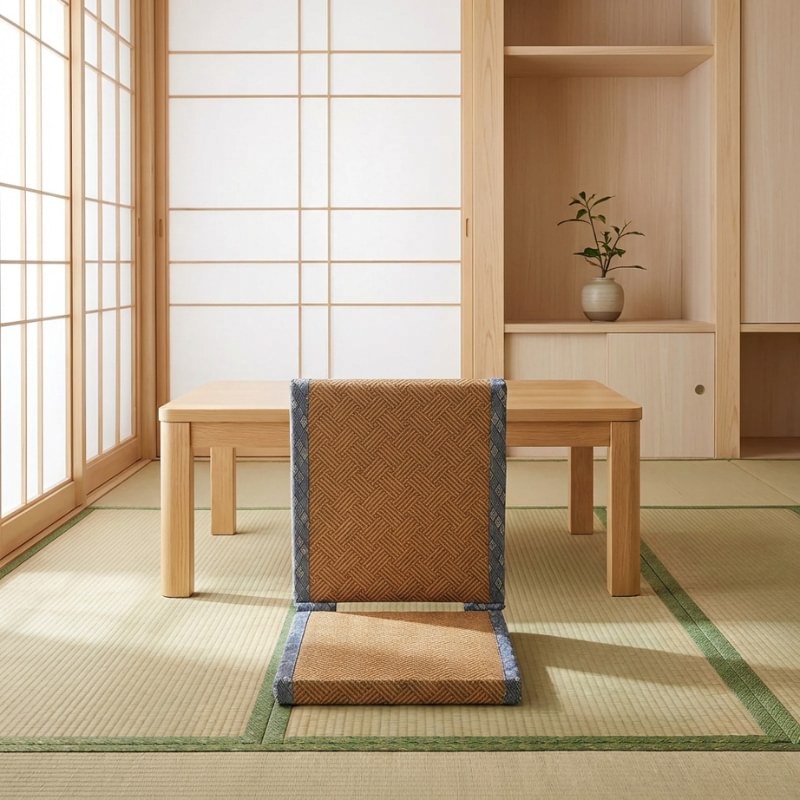
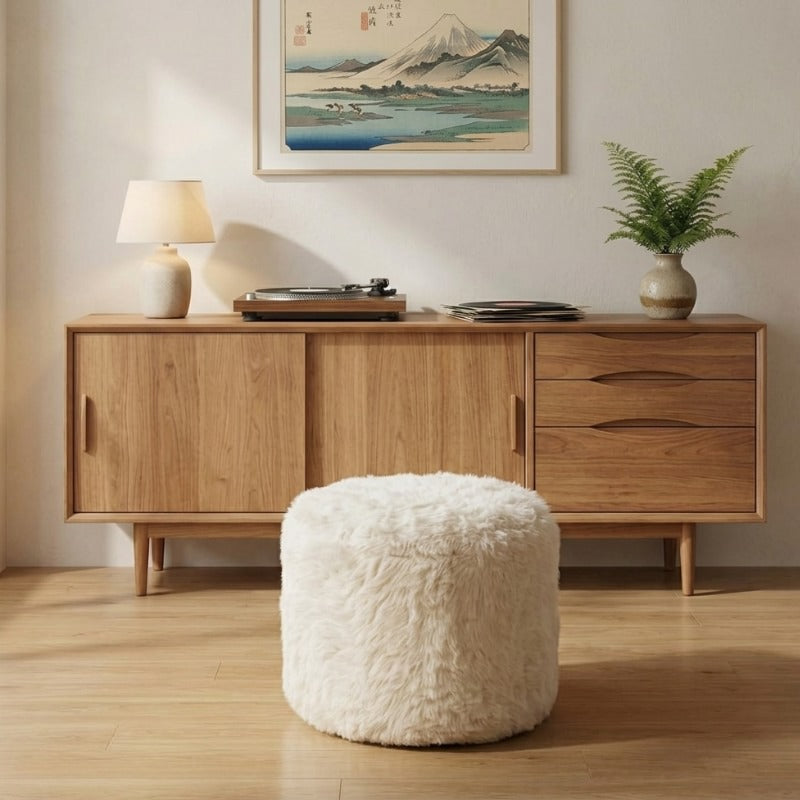
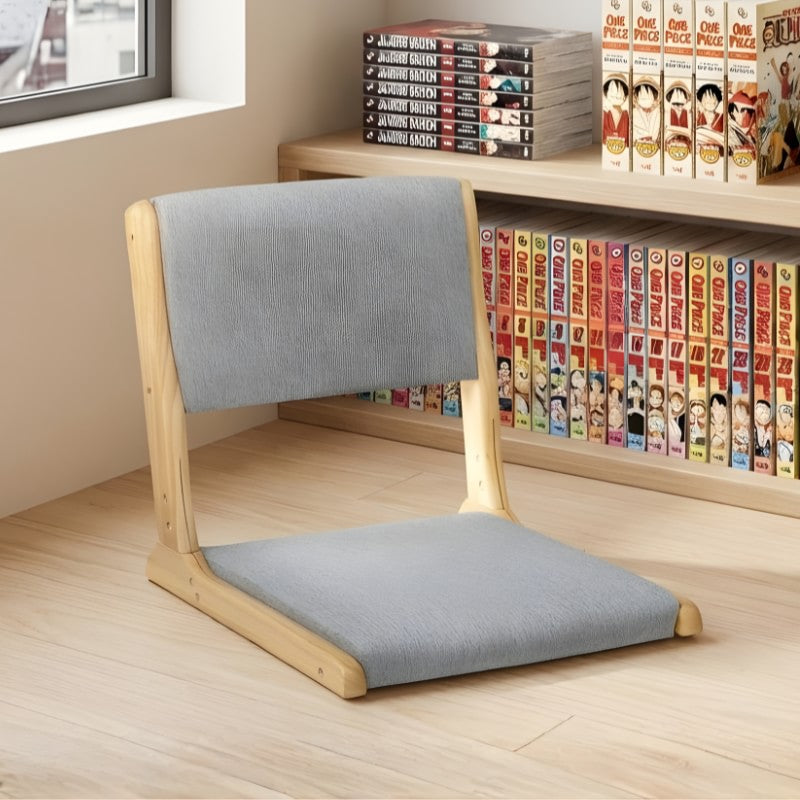
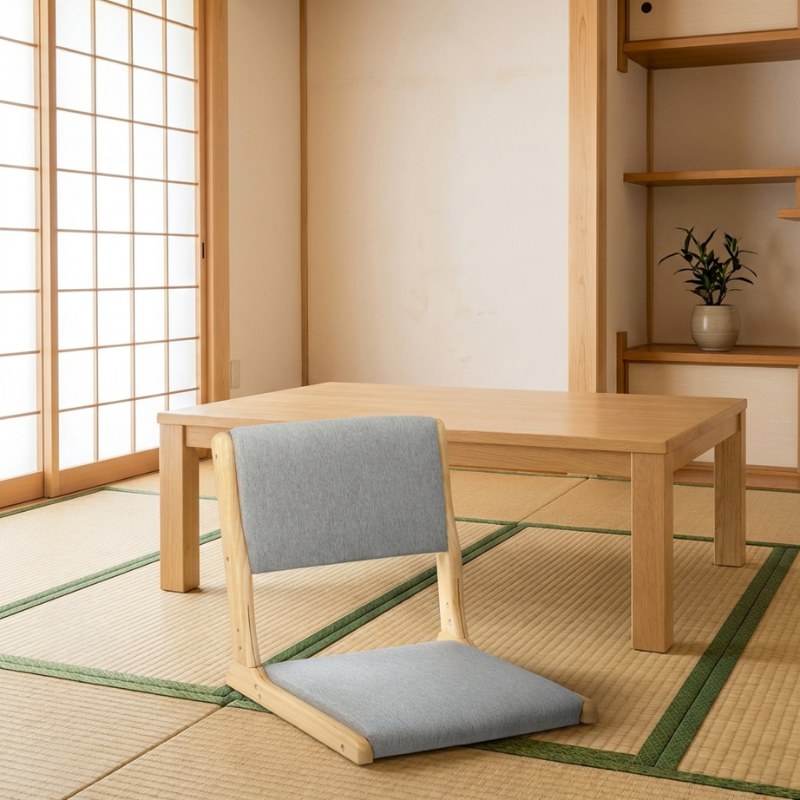
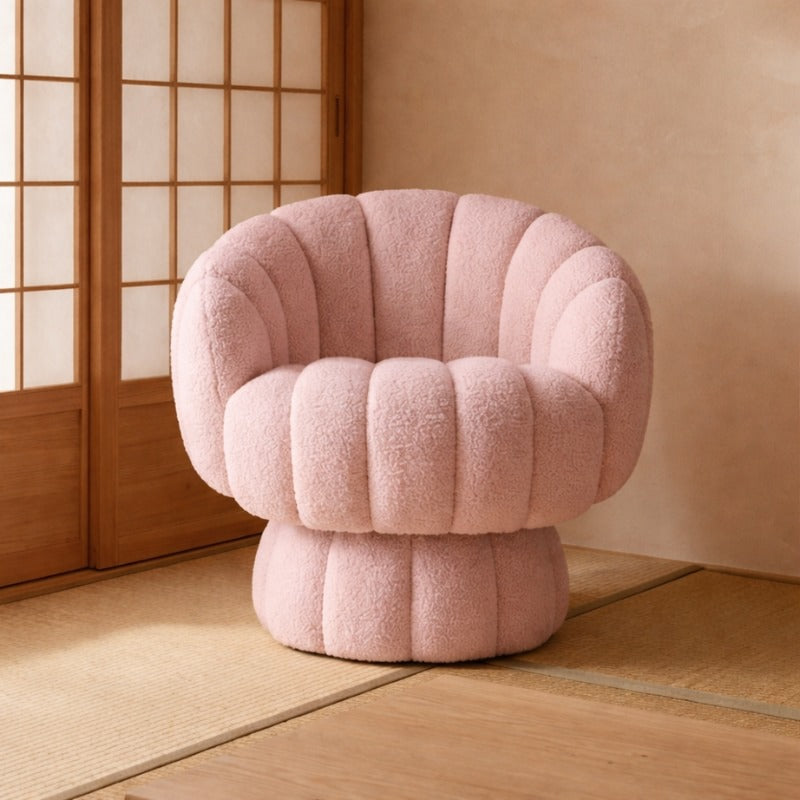
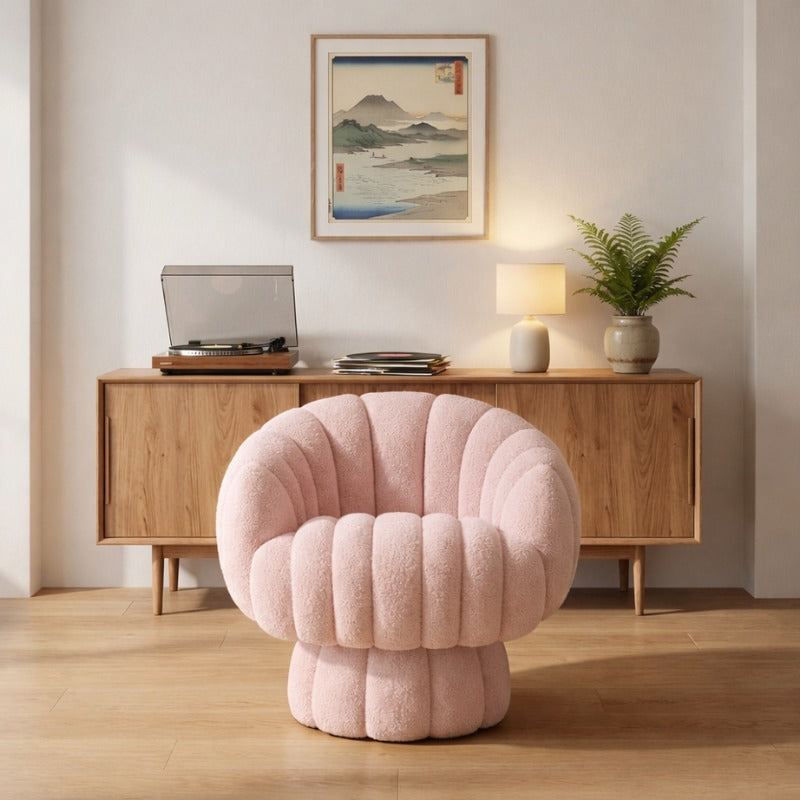
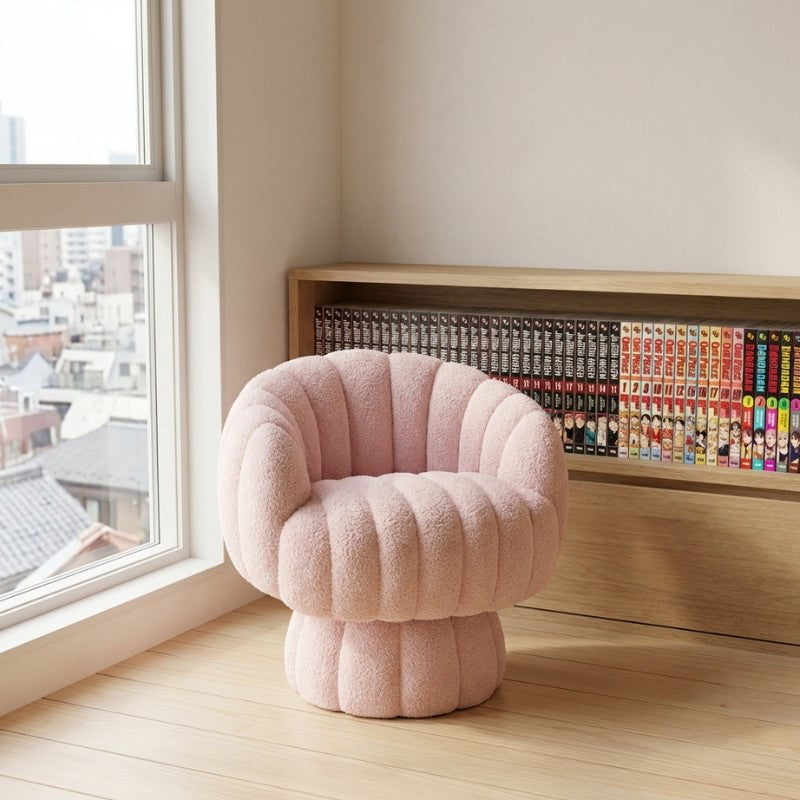
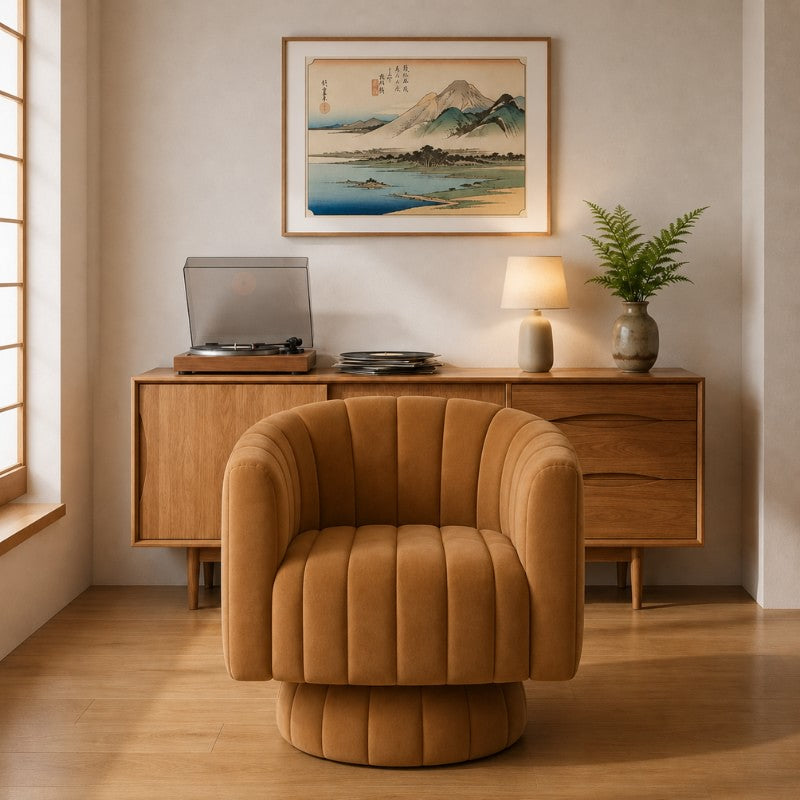
Shared spaces gain a clear identity when the main pieces align with low, horizontal lines. A cohesive group of Japanese living room furniture often includes a chabudai-style table, simple benches or zaisu chairs, a low console, and a compact shelf or chest. Each piece focuses on clean surfaces, rounded edges, and stable proportions. Guests can sit on cushions around the table, stretch their legs, and still feel supported by the furniture without losing the airy quality of the room.
Resting spaces rely on the same principles, but with more emphasis on softness and warmth. A combination of futon platform, modest side tables, and low chests forms a coherent base for Japanese bedroom furniture. Instead of towering wardrobes, storage stays at a comfortable height, which leaves room for scrolls, artwork, or a simple alcove with a vase and a branch. The result feels calm, uncluttered, and easy to maintain throughout the seasons.
Textiles tie the bedroom together. Neutral duvets, linen throws, and layered pillows soften the strict geometry of platforms and low tables. A coordinated Japanese Bedding Set carries motifs and colors that harmonize with wood tones and tatami, so the bed never looks isolated from the rest of the room. When bedding, curtains, and cushions follow the same palette, the furniture reads as part of a complete, unified composition.
In every space, silhouettes and materials define the character of the room. A selection of Japanese style furniture usually prefers visible grain, rounded corners, and soft edges over glossy finishes or sharp angles. Oak, ash, and similar woods lend warmth and stability, while cane, paper, and linen add texture. These details support Wabi Sabi values: nothing shouts, nothing shines aggressively, and small irregularities add life rather than noise.
Japanese Furniture buying guide for living, bedroom, and outdoor areas
Selecting pieces for a Japanese Furniture collection works best when the home owner thinks like a curator. Instead of buying at random, it helps to build a mental version of a focused Japanese furniture store, where every element shares a design language. You choose a main wood tone, a height for tables and seating, and a few textile colors, then judge each new piece against that framework. If it supports the story, it stays; if not, it waits for another project.
Many interiors benefit from a mix of heritage details and newer interpretations. A small number of pieces that reflect Traditional Japanese furniture principles anchor the room: a tansu chest, a step cabinet, or a low table with visible joinery. Around these anchors, newer items echo similar heights, woods, and silhouettes. This blend respects history without turning the home into a museum and keeps the space practical for modern routines.
Design language helps guide long term decisions. Clear lines, thoughtful proportions, and well considered joins all belong to refined Japanese furniture design. When a bench, table, or chest follows these rules, it rarely feels out of place, even after years of use. Owners can change textiles, art, and objects on top while the structure below continues to support the evolving mood of the home.
Exterior zones and transition spaces offer another opportunity for this collection. Verandas, balconies, and garden platforms often borrow ideas from engawa, the traditional wooden strip that links interior and garden. Compact benches, stools, and low tables form a coherent set of Japanese outdoor furniture that encourages bare feet, tea outside, or quiet time among plants. Furniture that shares the same tones and joins as inside pieces blurs the line between interior and exterior in a satisfying way.
Care and styling tips for enduring Japanese Furniture
Daily care for Japanese Furniture depends more on rhythm than on effort. Light dusting with a soft cloth keeps grains visible and surfaces smooth, while occasional oiling or waxing protects wood from drying out. When people lift pieces instead of dragging them, both legs and floors stay in good condition. Tatami, rugs, and woven mats appreciate regular airing and cautious vacuuming, which keeps fibers fresh and allows the furniture on top to breathe.
Pieces with history add depth when owners treat them with respect. A tansu chest with worn handles, a side table with slight color variations, or a bench that carries small marks from years of use all fall into the world of Vintage Japanese furniture. Simple cleaning and careful repairs preserve these signs of age without erasing them. Instead of chasing a flawless surface, the home embraces the way time writes gentle stories into each board and joint.
Composition matters as much as individual items. A room that follows Traditional Japanese furniture design often relies on a small number of strong elements and leaves generous negative space between them. Low tables, futon platforms, and benches sit with purpose; cushions, lamps, and textiles fill in the gaps. When owners adjust distances by a few centimeters and test different groupings, they quickly find arrangements that feel balanced for their own bodies and routines.
Over the years, a well chosen Japanese Furniture collection begins to feel less like a set of objects and more like a quiet framework for everyday life. Wood tones mellow, fabrics soften, and tatami or rugs take on subtle shading where people sit most often. Instead of seeing wear as a problem, the home accepts these changes as part of its character. In that kind of interior, every table, platform, and seat supports a calmer way of living and leaves room for Wabi Sabi to express itself through gentle imperfection.