

The Serenity of a Japanese home.
Lamps, tatami and ceramics, chosen to make a room feel quieter.
30-Day Money-Back Guarantee
Bring the quiet soul of Japan into your home. Step into Japanese Decor, your gateway to traditional Japanese interiors, where wall art, lighting, cushions and decorative objects create a timeless, minimalist atmosphere rooted in Japanese aesthetics
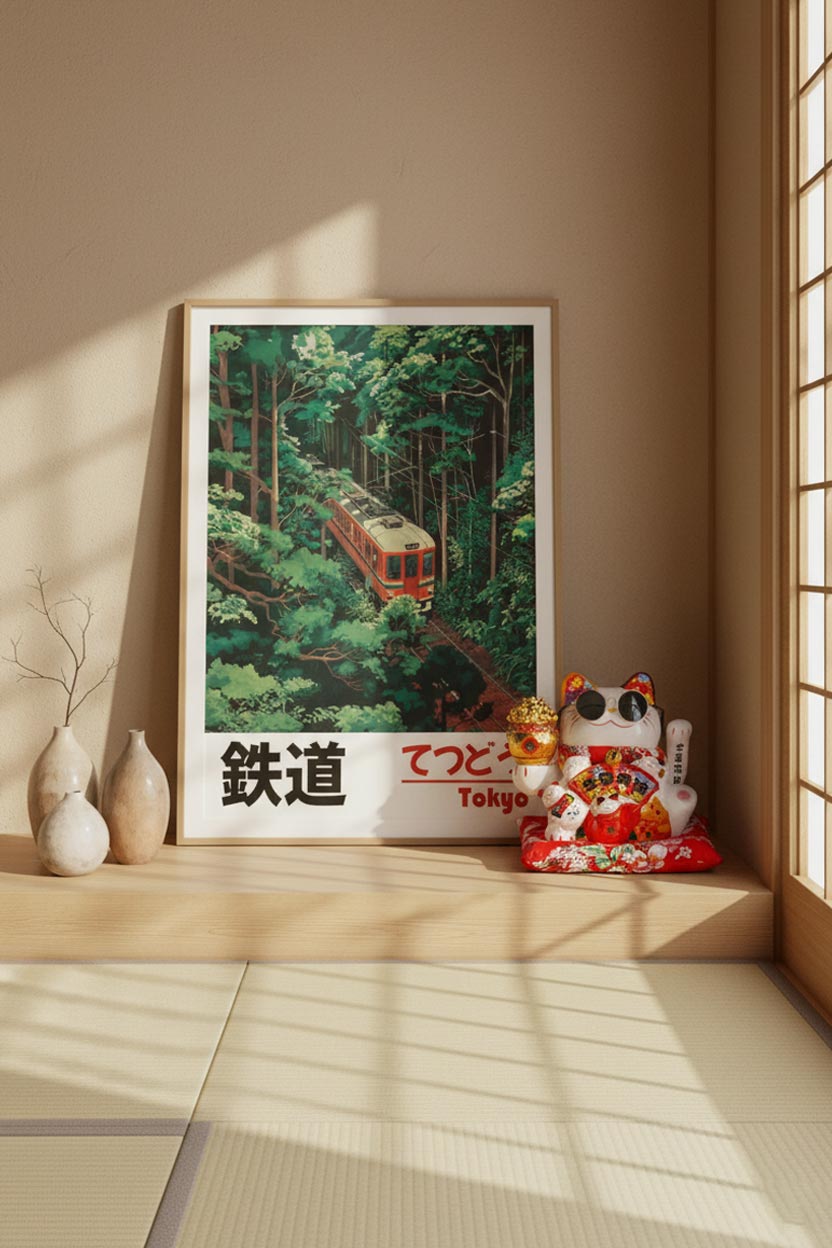
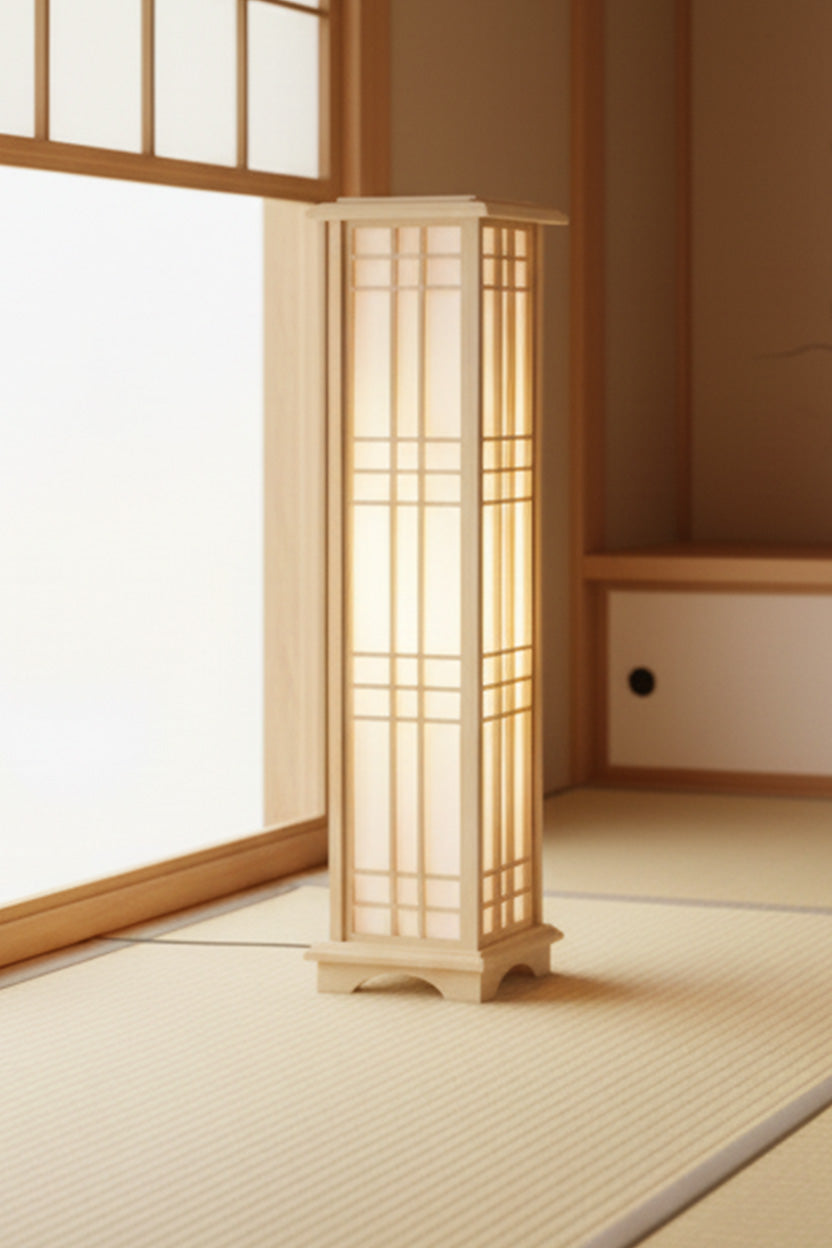

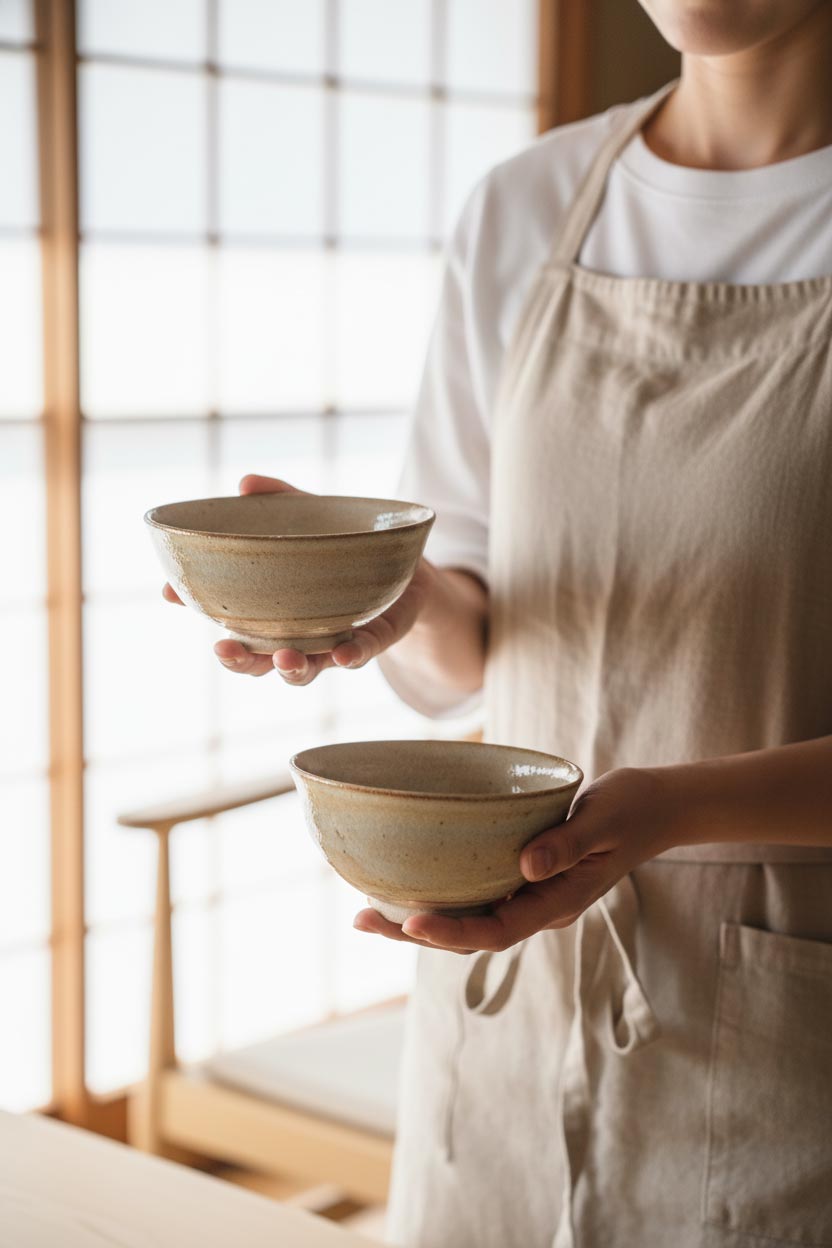
Our Japanese Decor Selection
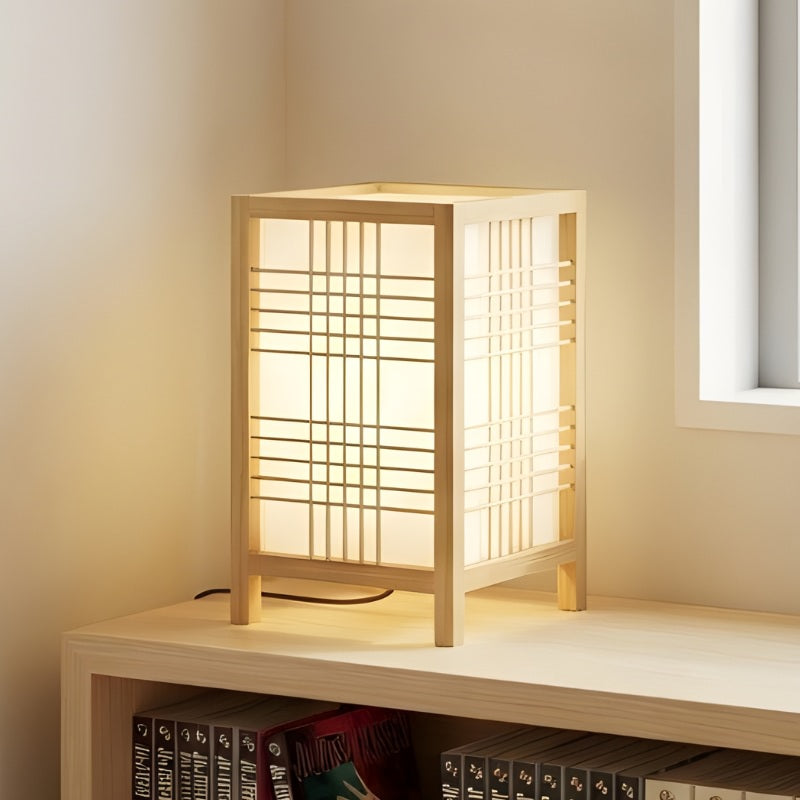





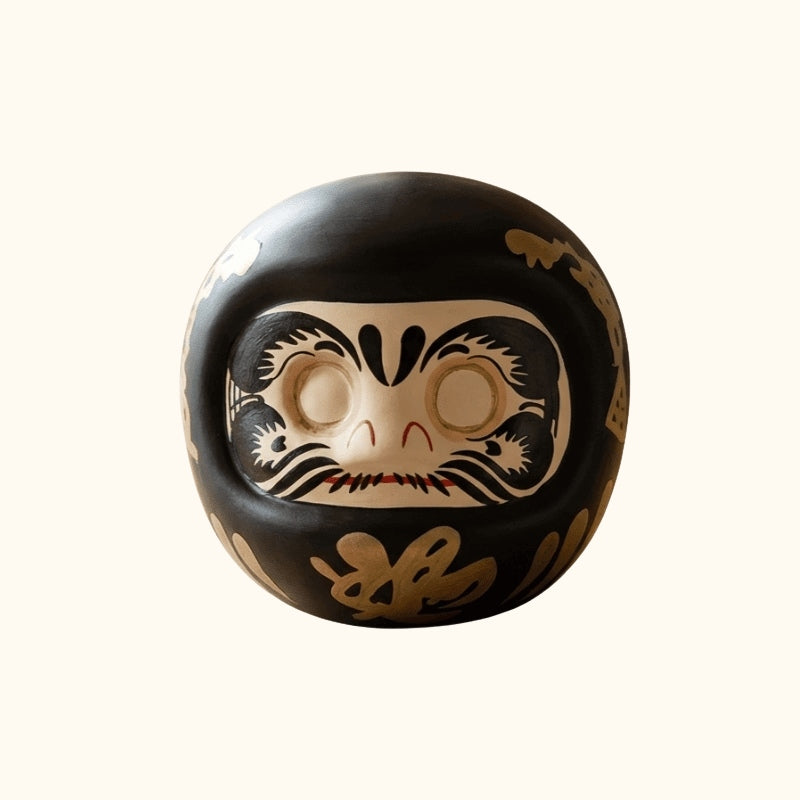
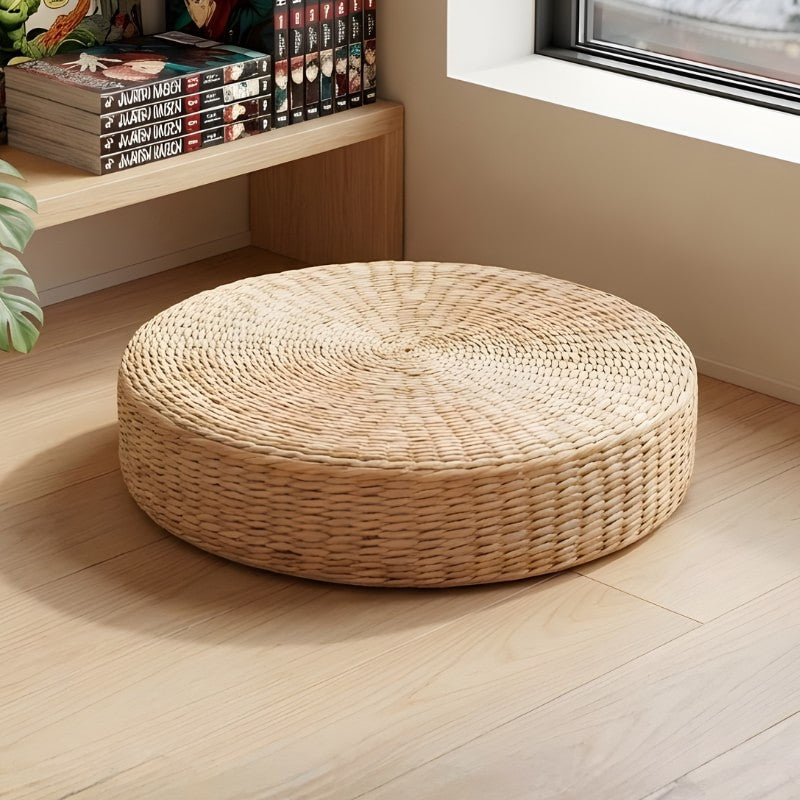
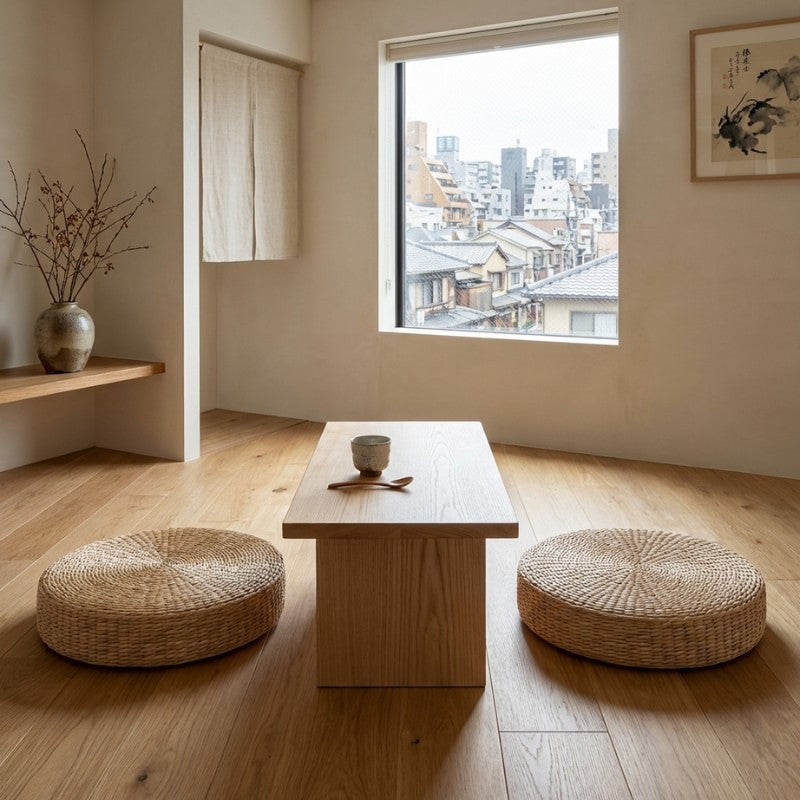





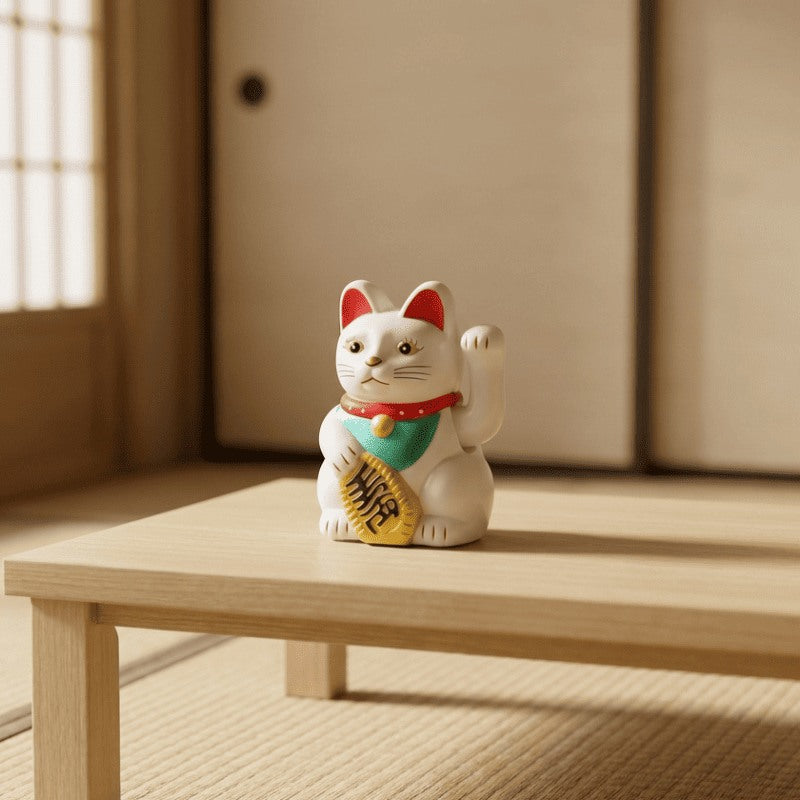

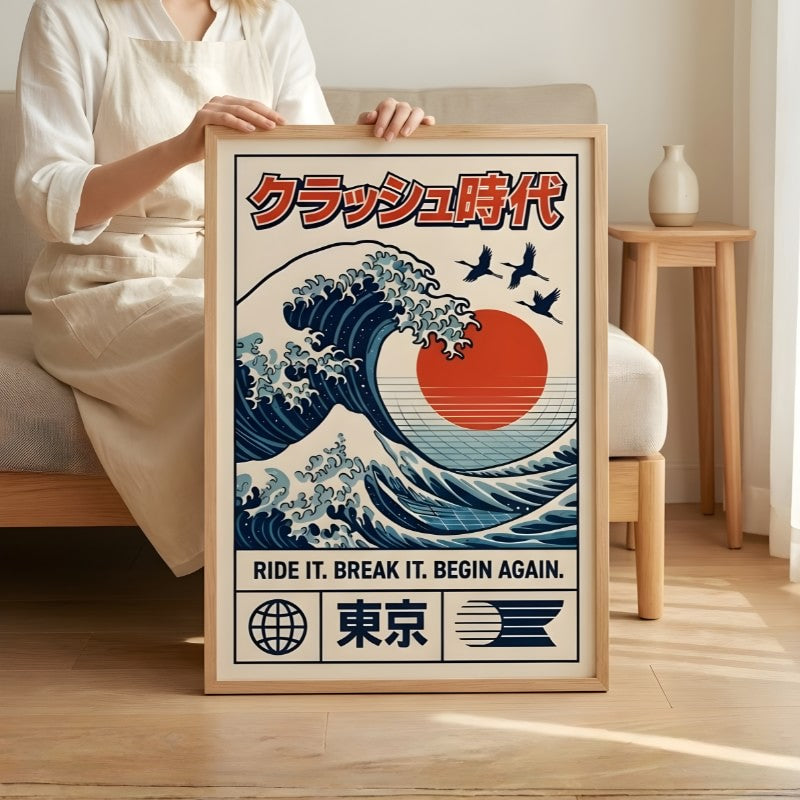
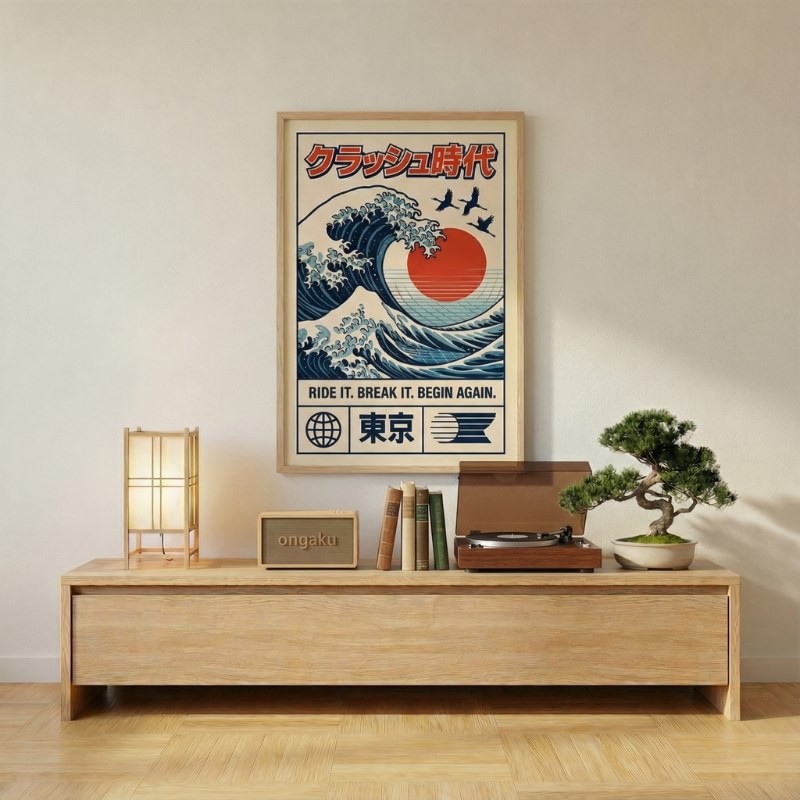

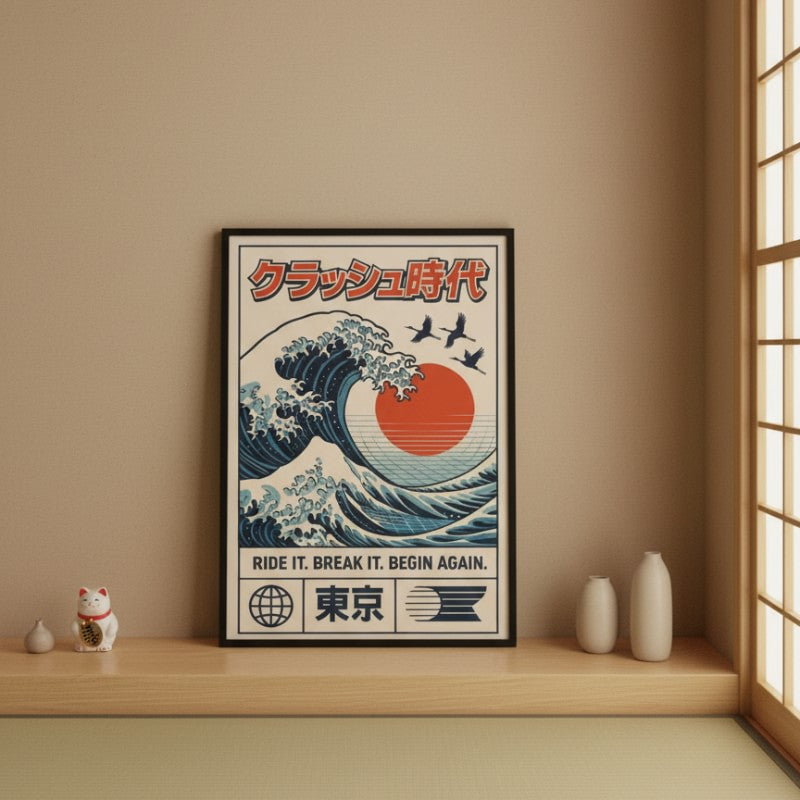
Learn more about Japanese Culture
- by Yuki Satō
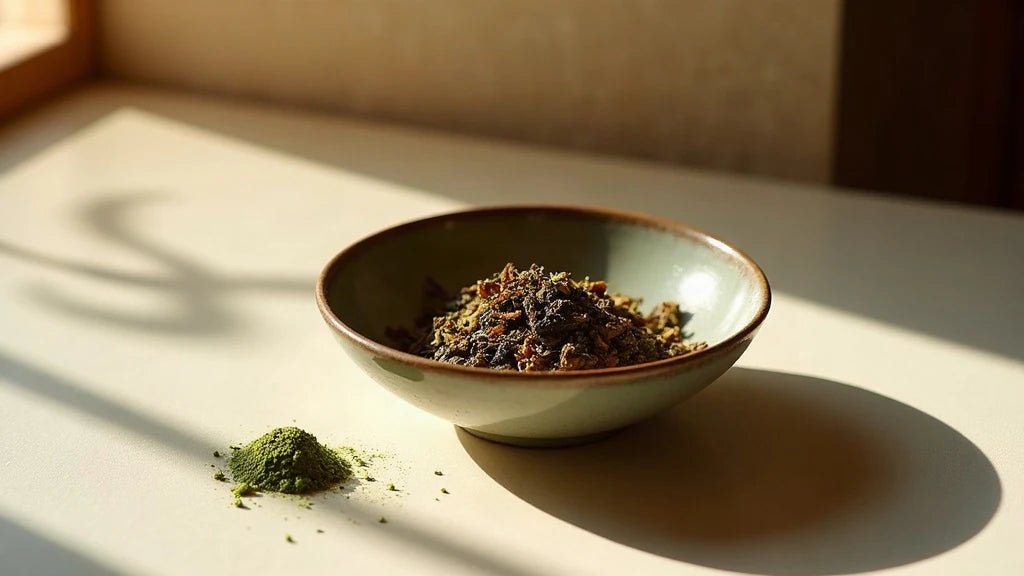
What Is Hojicha, and How Is It Different From Matcha
Read moreabout What Is Hojicha, and How Is It Different From Matcha
- by Yuki Satō
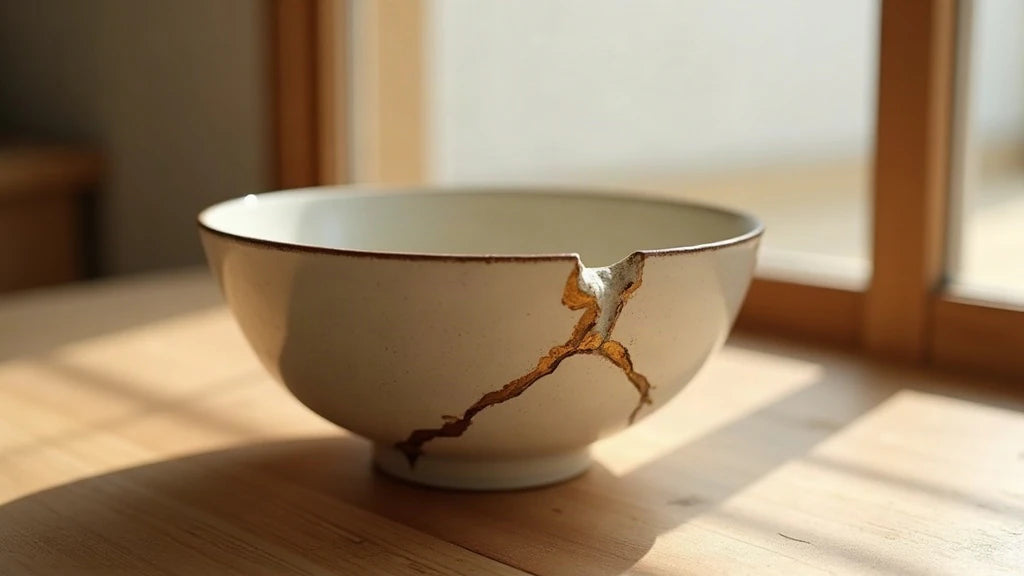
What Is Kintsugi? The Japanese Art of Mending Cracks
Read moreabout What Is Kintsugi? The Japanese Art of Mending Cracks
- by Yuki Satō
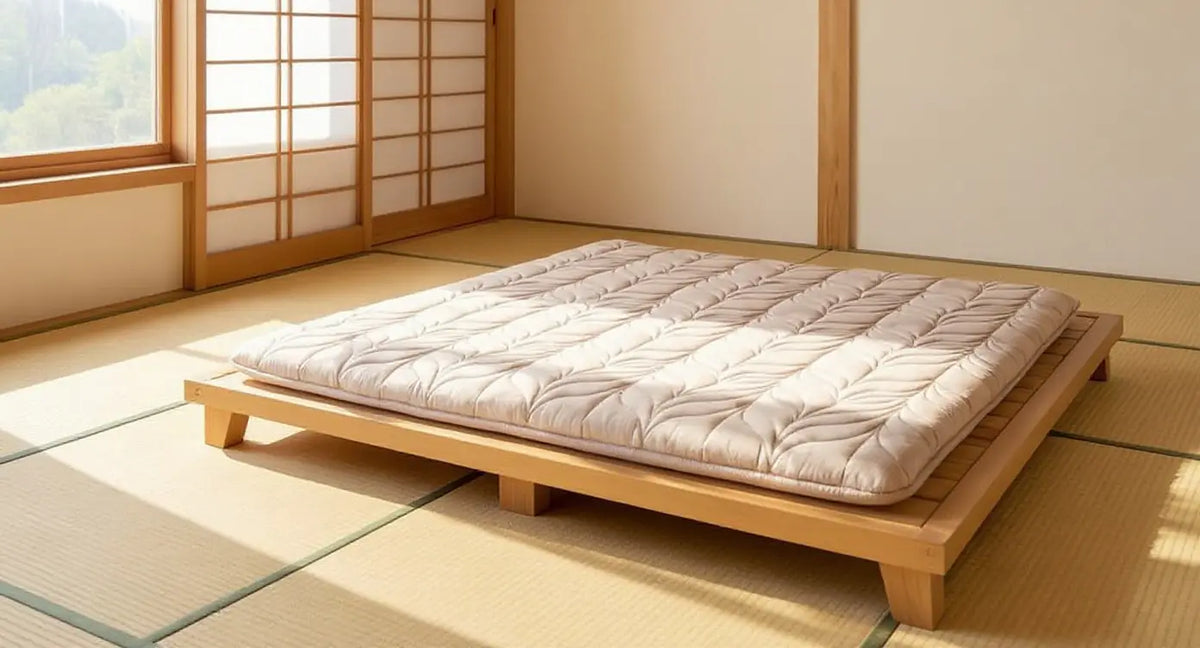
Japandi Bedroom Style: Where Japanese Meets Scandi Calm
Read moreabout Japandi Bedroom Style: Where Japanese Meets Scandi Calm
About Japanese Decor
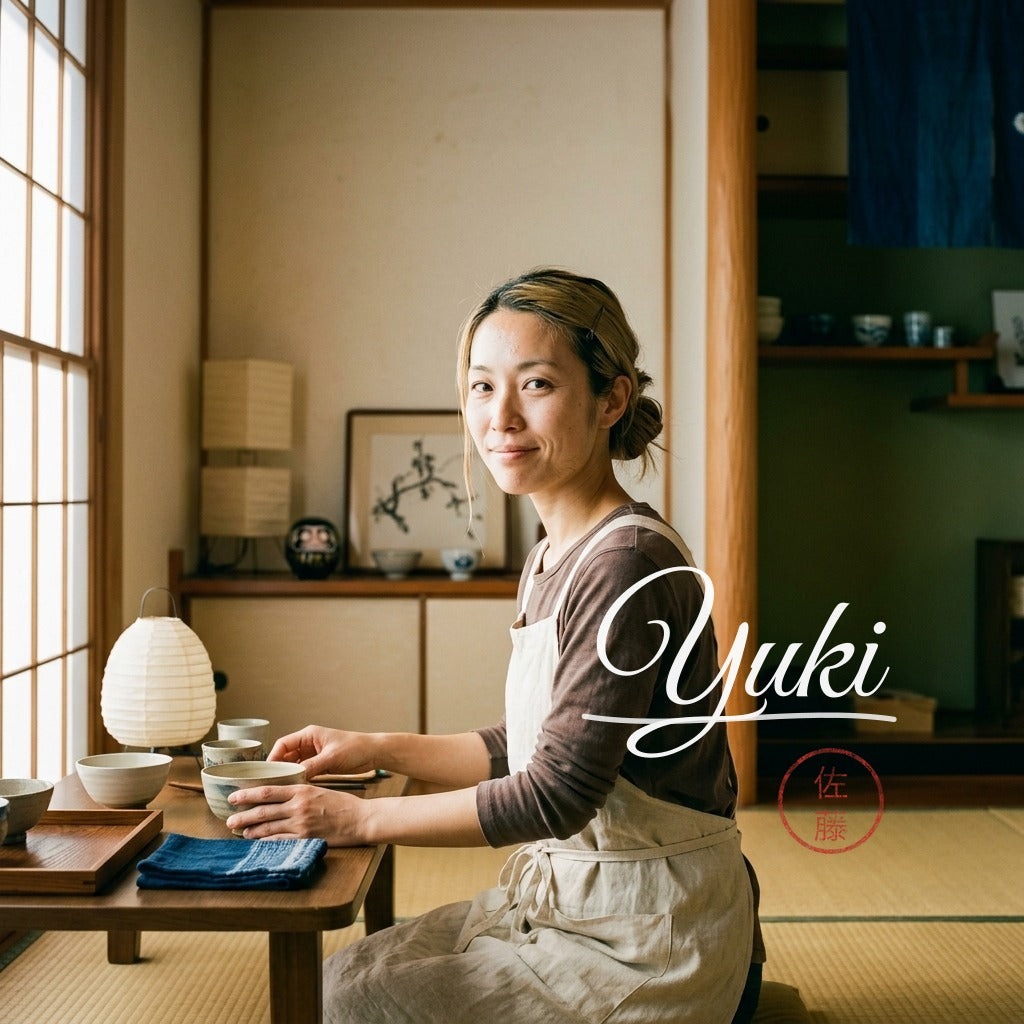
I am Yuki, and Japanese Decor is my shop. It grew out of my own rooms: tatami under your feet, light filtered through shōji, and spaces where every object has a reason to be there.
I choose each piece myself and order in small quantities, so what is listed online is what we actually have left.
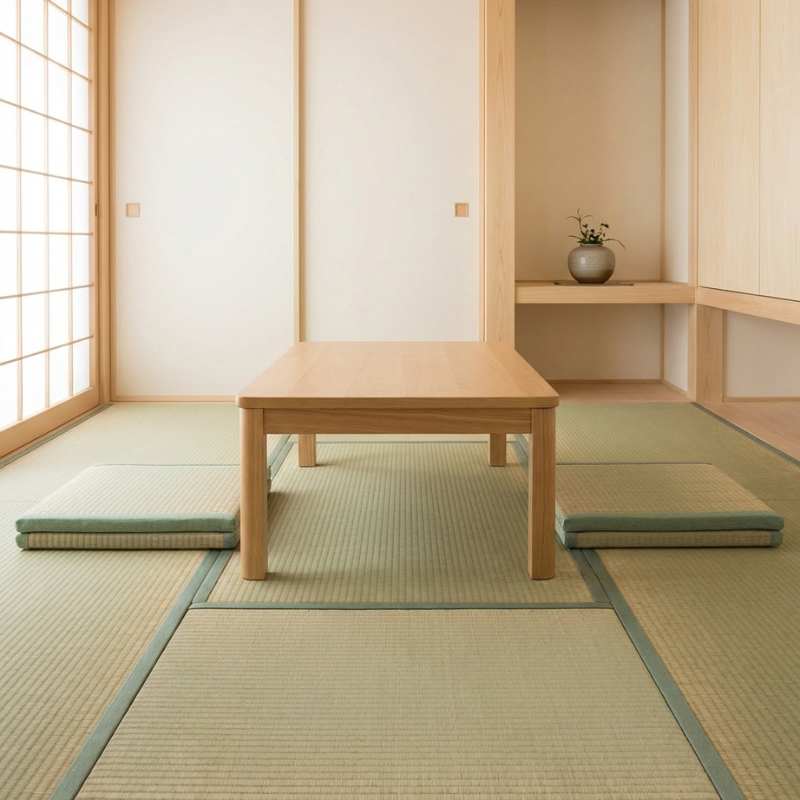
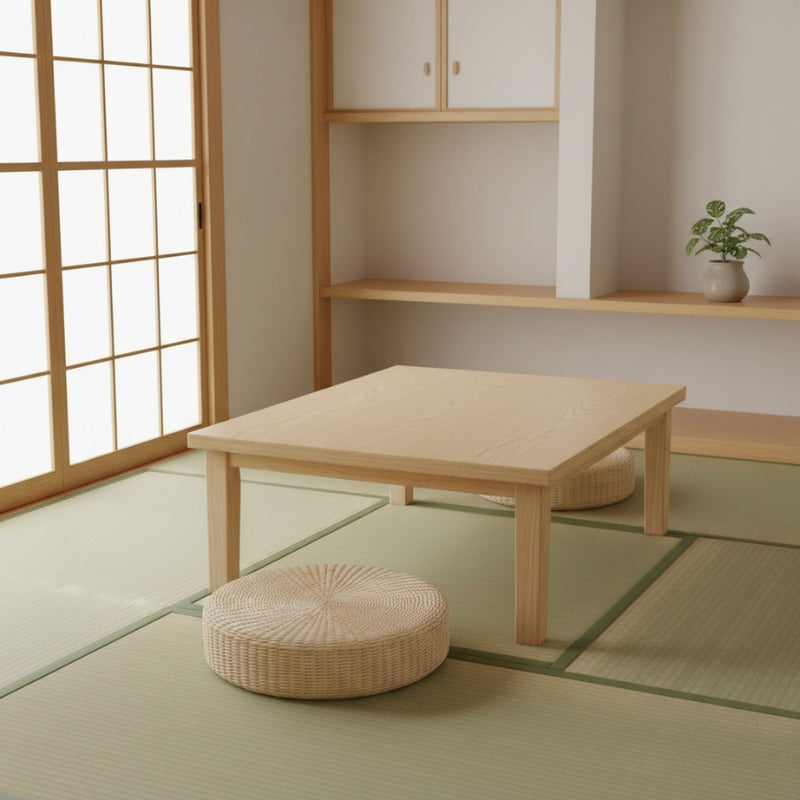
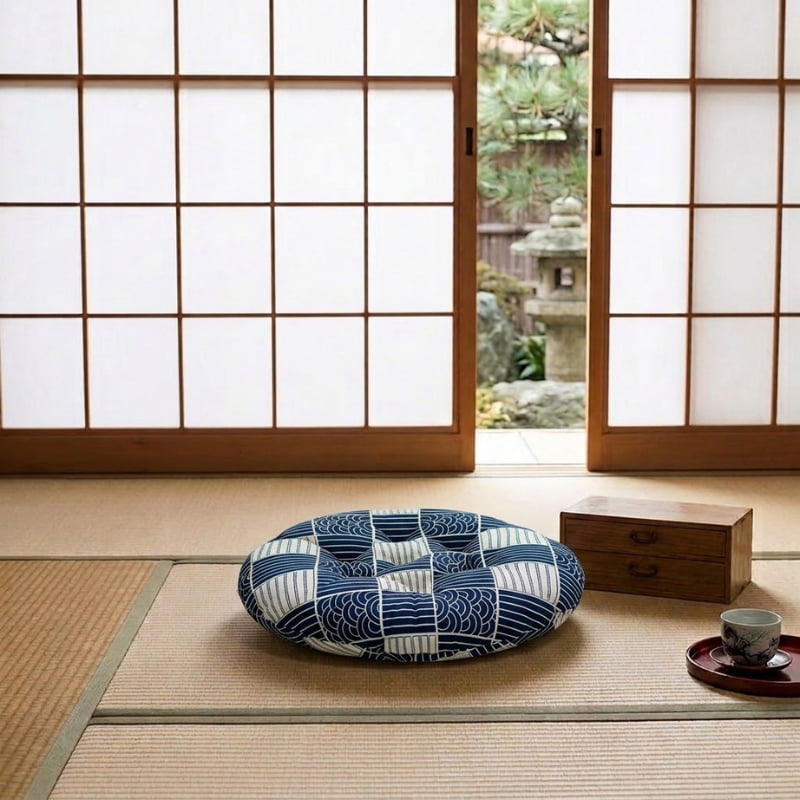
Tatami underfoot, shōji screens filtering soft light, a low table framed by floor cushions and a single scroll in the alcove – the Japanese Decor universe is rooted in the quiet geometry of the traditional washitsu, the Japanese room designed for calm living, tea, reading and rest. Here, every choice in Japanese decor supports balance: natural materials, low silhouettes, and empty space that lets the eye and the mind slow down.
Read more
Traditional Japanese decor inspired by the washitsu
In a classic washitsu room, the architecture and the decor speak the same language. Tatami mats define the layout, sliding shōji and fusuma create soft boundaries, and a tokonoma alcove hosts a simple arrangement: a hanging scroll, a small vase, a branch, perhaps a stone. Rather than filling every corner with objects, traditional Japanese decor focuses on a few meaningful elements and the space around them.
This approach to Japanese interior design values natural fibers and visible grain: igusa straw in tatami, light-toned woods like hinoki or sugi, hand-brushed washi paper, textured linen and cotton. Surfaces show nuance instead of gloss; joints, seams and small irregularities remind you that the room is made for daily life, not for a showroom.
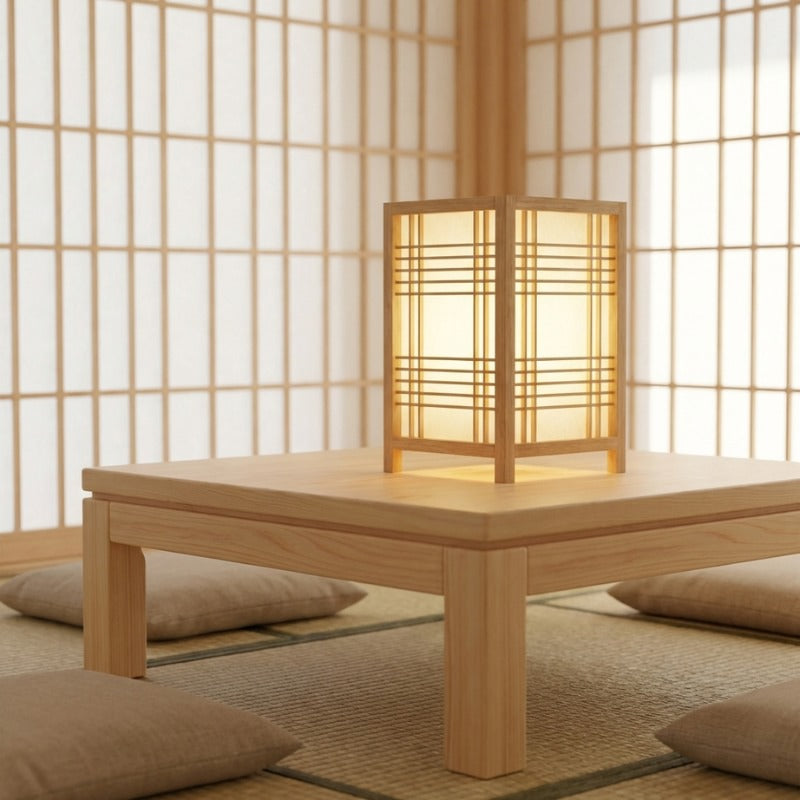
The key idea is ma (間), the relationship between objects and the emptiness between them. A low chabudai table with a pair of zabuton floor cushions, a single Japanese wall art piece, and a paper lantern are enough to create a complete composition. When the layout is this simple, the air, the shadows and the sound of the room become part of the design.
Features and benefits of a washitsu-style Japanese decor
A home shaped by Japanese decor feels different as soon as you cross the threshold. The floor invites you to sit closer, the light is diffused instead of harsh, and the color palette stays soft and grounded. Each category of object – furniture, lighting, textiles, art – works together to support this feeling.
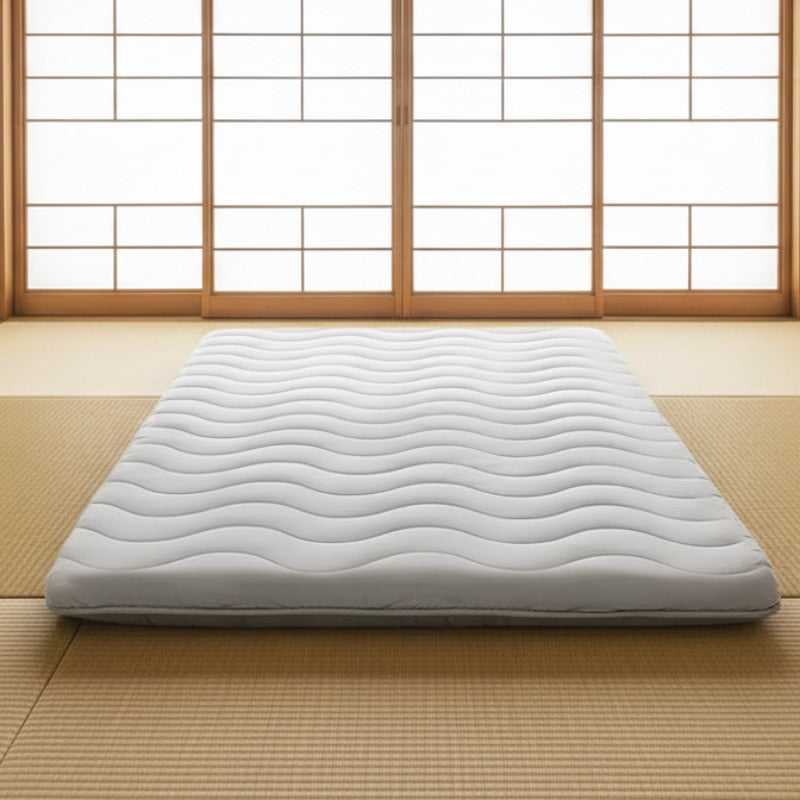
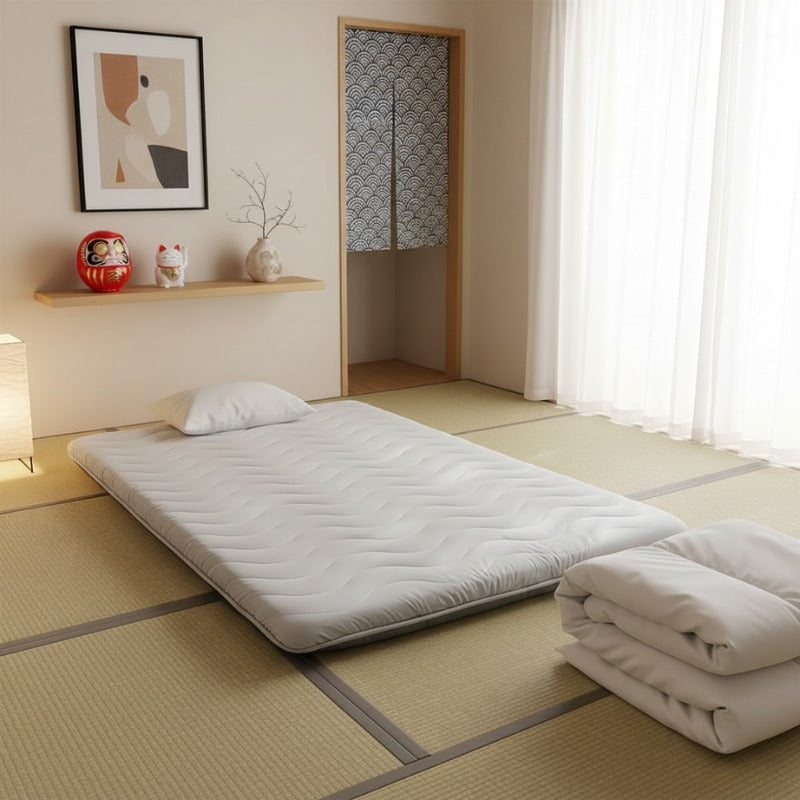
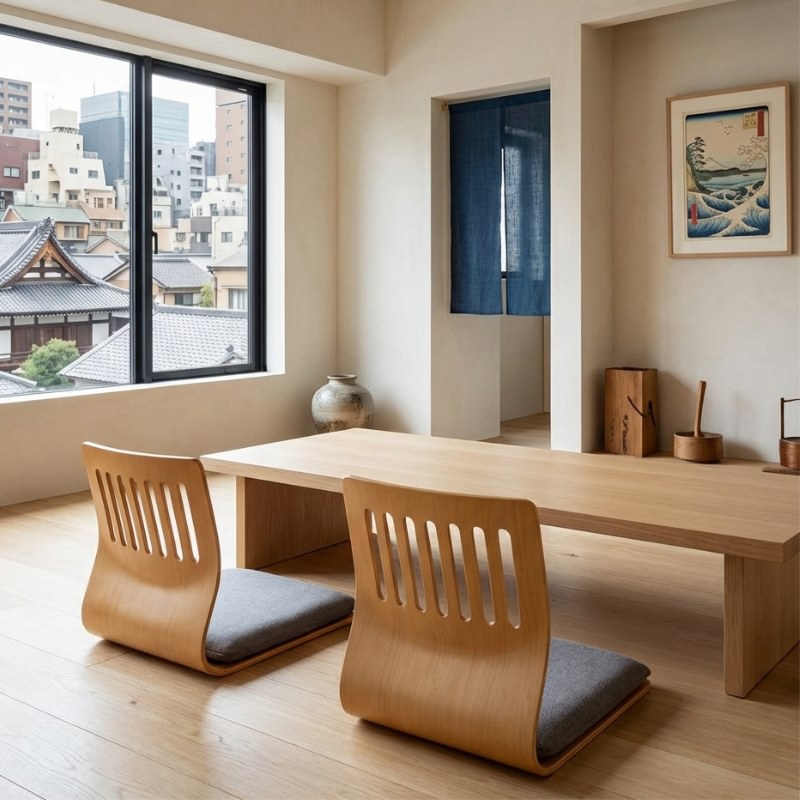
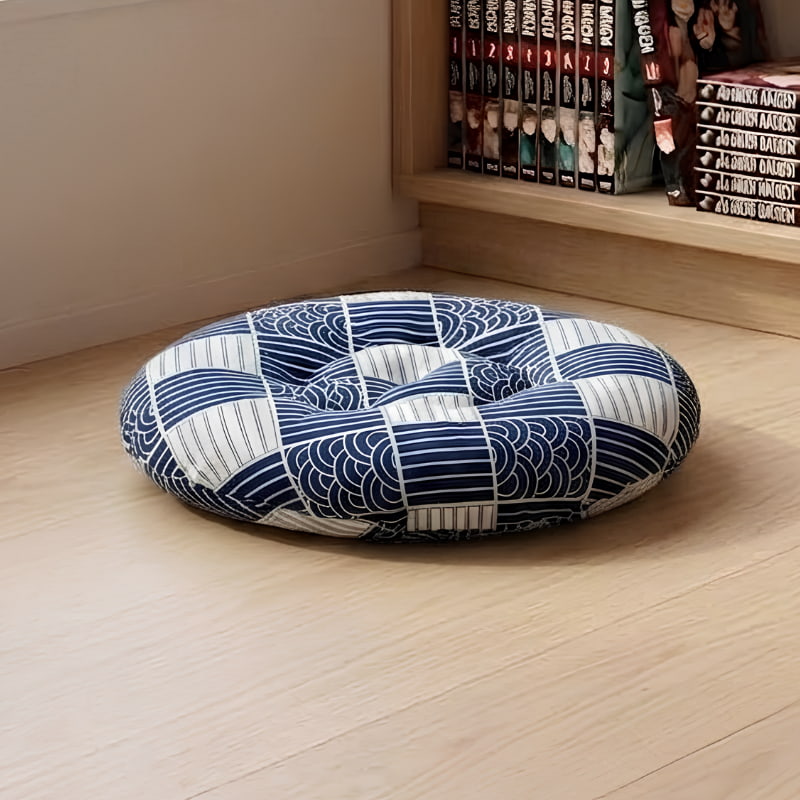
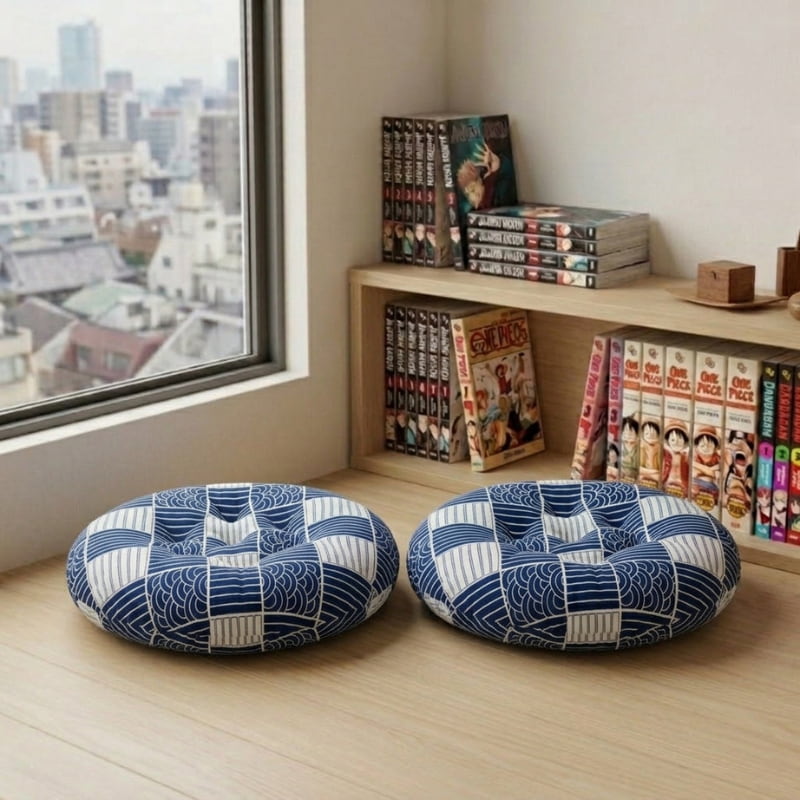
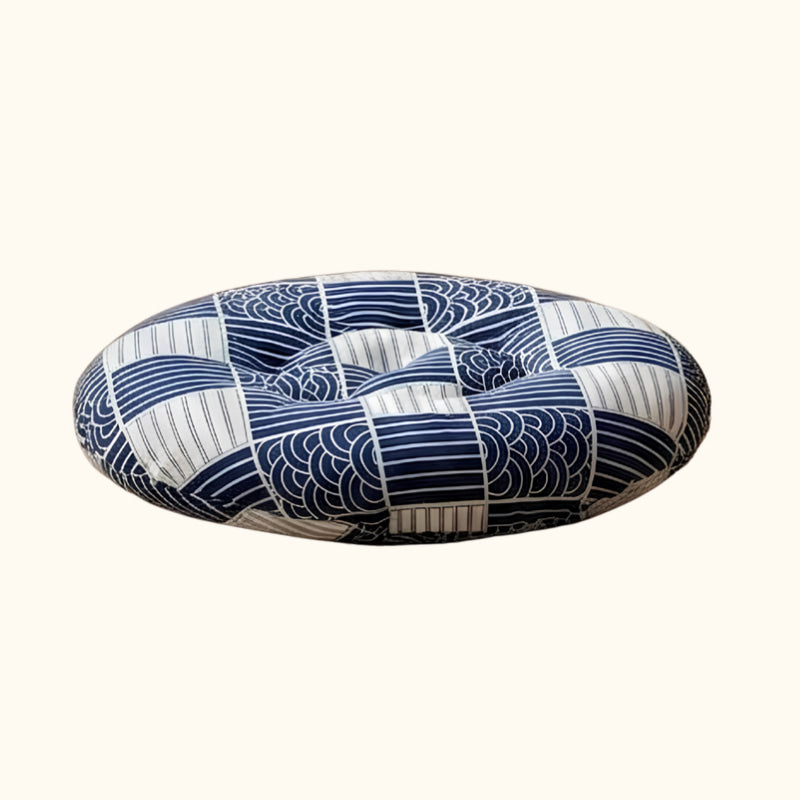
Japanese furniture in a washitsu-inspired space stays low and honest. A compact chabudai, a simple storage tansu, a small step stool or bench with visible joinery keep the room human-scale. Instead of bulky sofas, you might choose Japanese floor cushions, legless chairs or a futon that can be folded away, allowing the tatami or flooring to breathe and the layout to adapt to tea, guests or rest.
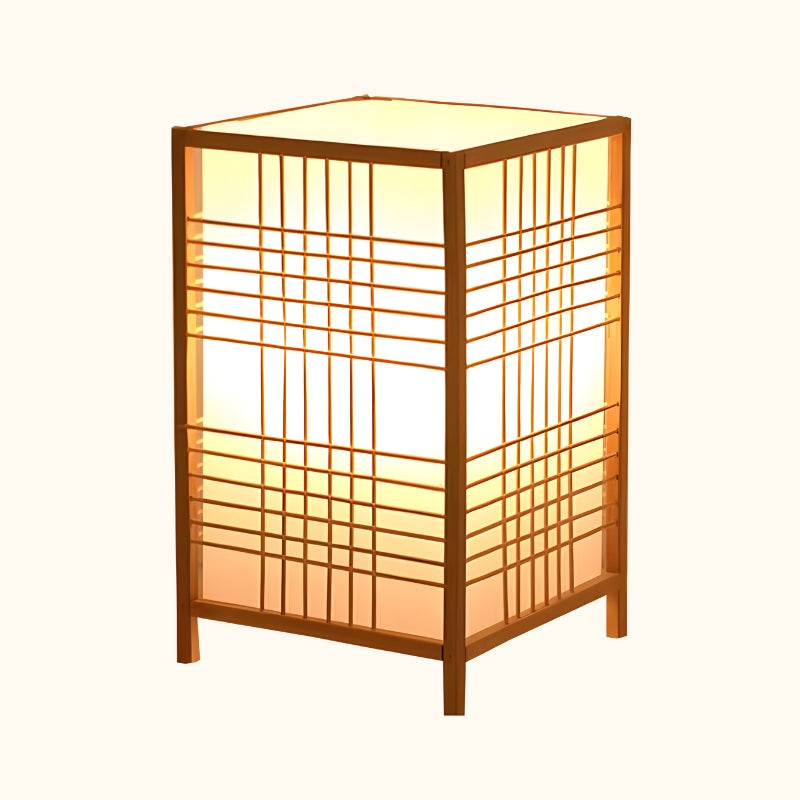
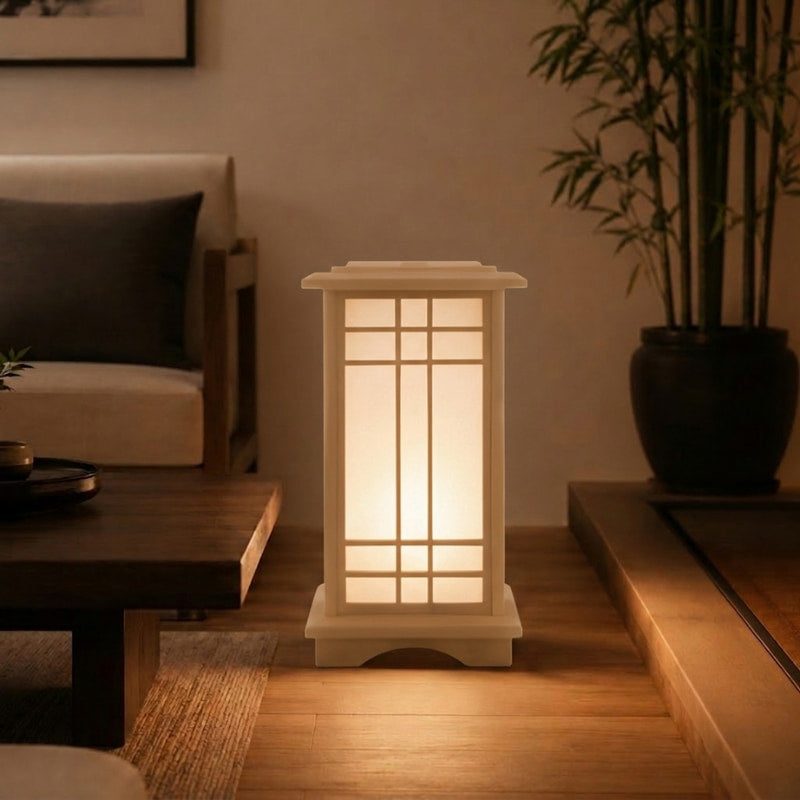
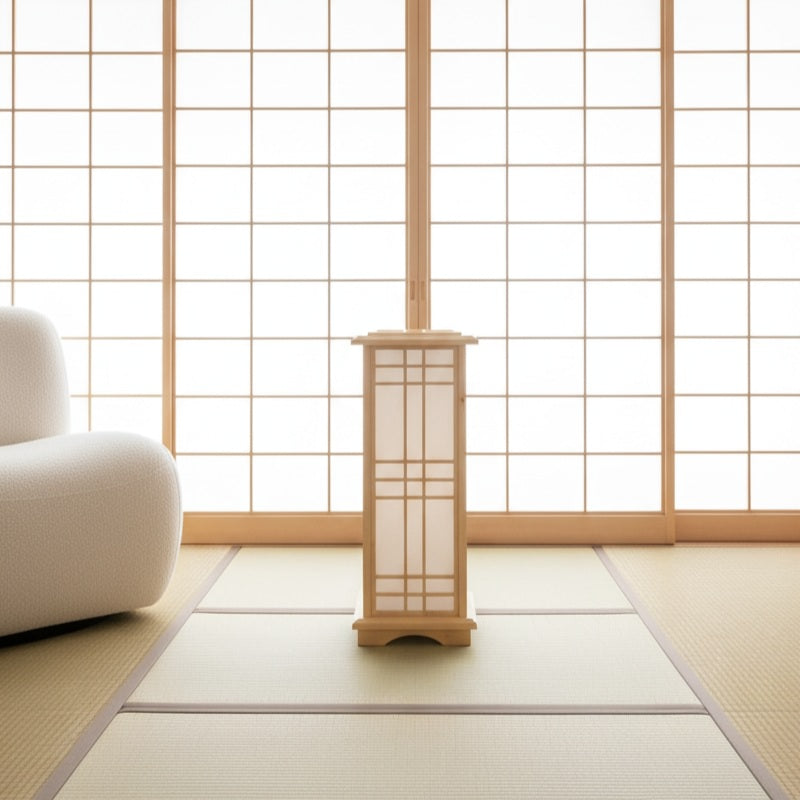
Japanese lighting favors glow rather than glare. Paper lanterns, shōji-style table lamps, and linen or washi shades soften shadows and highlight the texture of plaster, wood and textiles. In the evening, a single lantern near the tokonoma or a low lamp beside the futon is enough to create an intimate, serene atmosphere.
On the walls, Japanese wall art stays calm and deliberate: a sumi-e ink landscape, a kakejiku scroll, a minimalist print, or a textile panel with visible weave. Frames remain thin, colors are carefully edited, and empty wall space is left on purpose so each image has room to breathe.
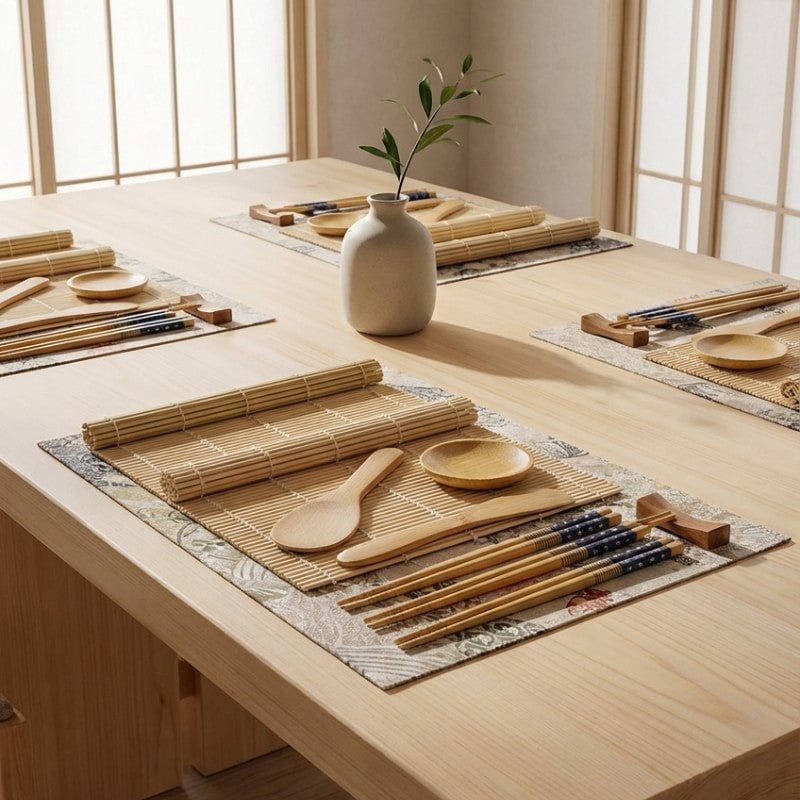
Everyday objects also join the composition. Hand-made bowls, tea cups, and trays introduce Japanese ceramics and woodwork into the daily ritual of eating and drinking. Open shelves or a low sideboard allow these silhouettes to stack and align like a small landscape, contributing to the overall mood rather than hiding behind closed doors.
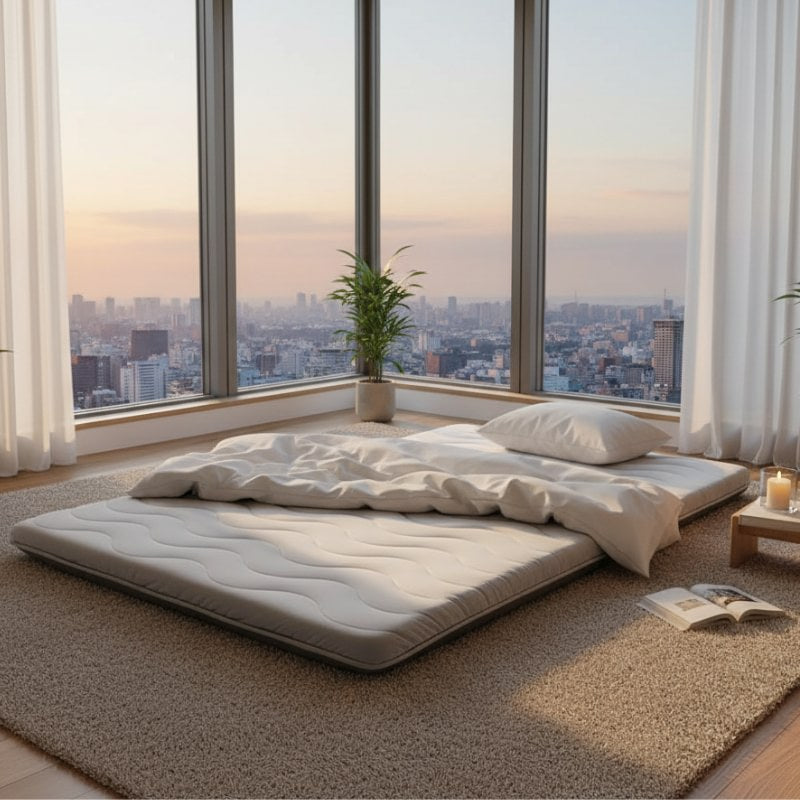
In the sleeping area, a Japanese bedroom inspired by washitsu values recovery over display. A low futon, natural-fiber bedding, a modest bedside ledge and a single branch in a vase are enough. Light is easy to dim, colors stay subdued, and fabrics invite touch – all details that help the mind shift from activity to rest.
Buying guide for Japanese Decor and a cohesive washitsu interior
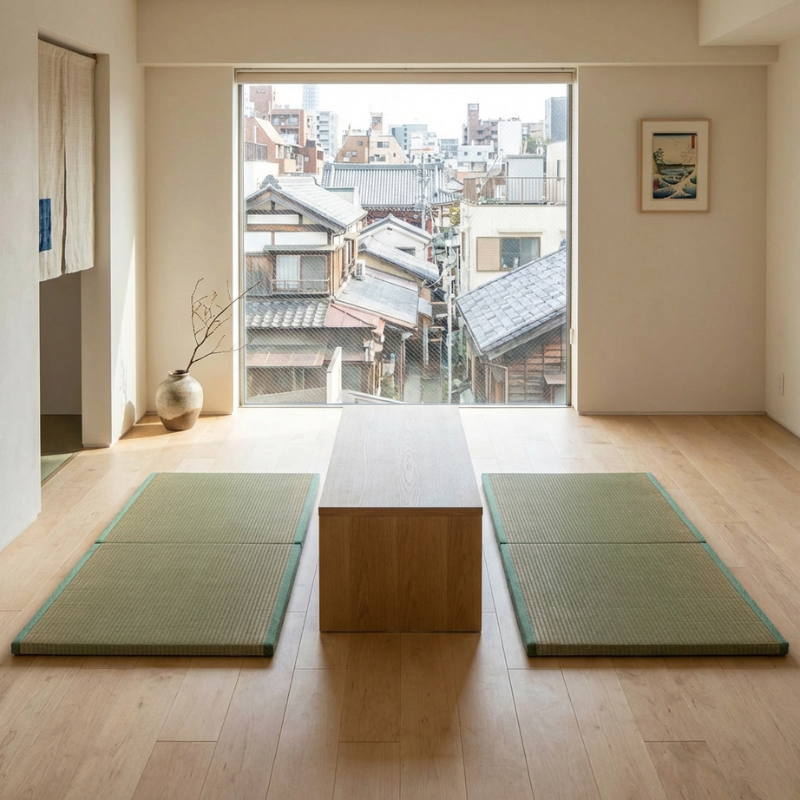
The simplest way to build a washitsu-style interior is to start with a few anchors and work outward. Begin with the ground: tatami mats, a tatami-style rug, or a low platform in wood immediately set the tone of the room. Add a low Japanese table and a small group of floor cushions or legless chairs so the new height feels natural.
Next, choose one or two pieces of Japanese wall art that define the character of the space. A vertical scroll in a corner, a horizontal print near the table, or a single calligraphic piece above a bench is enough; let negative space do the rest. At this stage, it is better to select one strong motif than many competing decorations.
Then, layer Japanese lighting. A paper pendant above the table, a small lantern near the tatami edge, or a discreet wall sconce beside the tokonoma brings warmth and depth. Choose warm white light that respects the grain of wood and the texture of fabrics rather than cold, blue-toned bulbs that flatten everything.
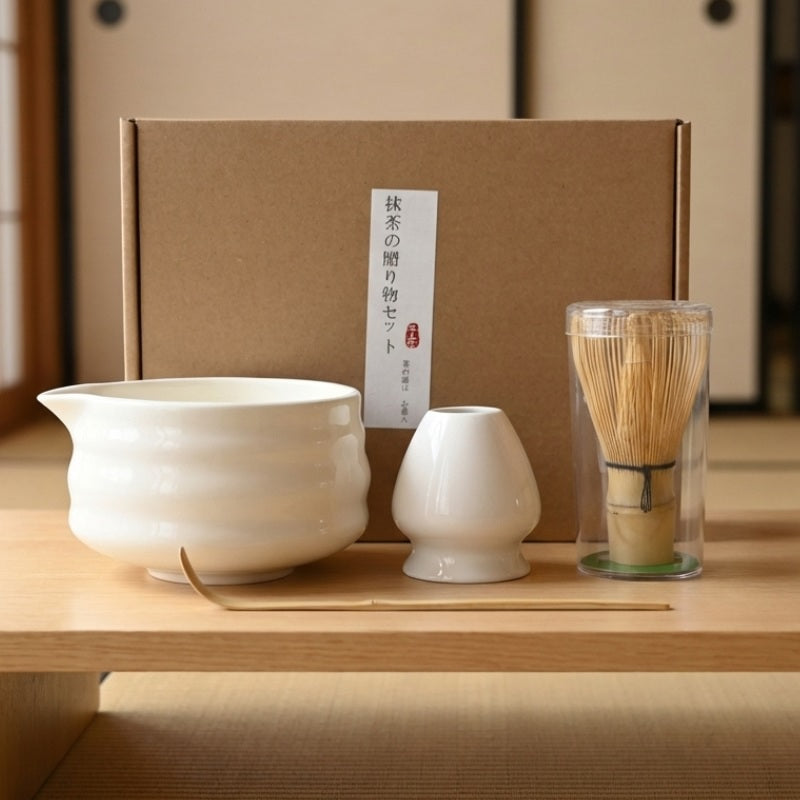
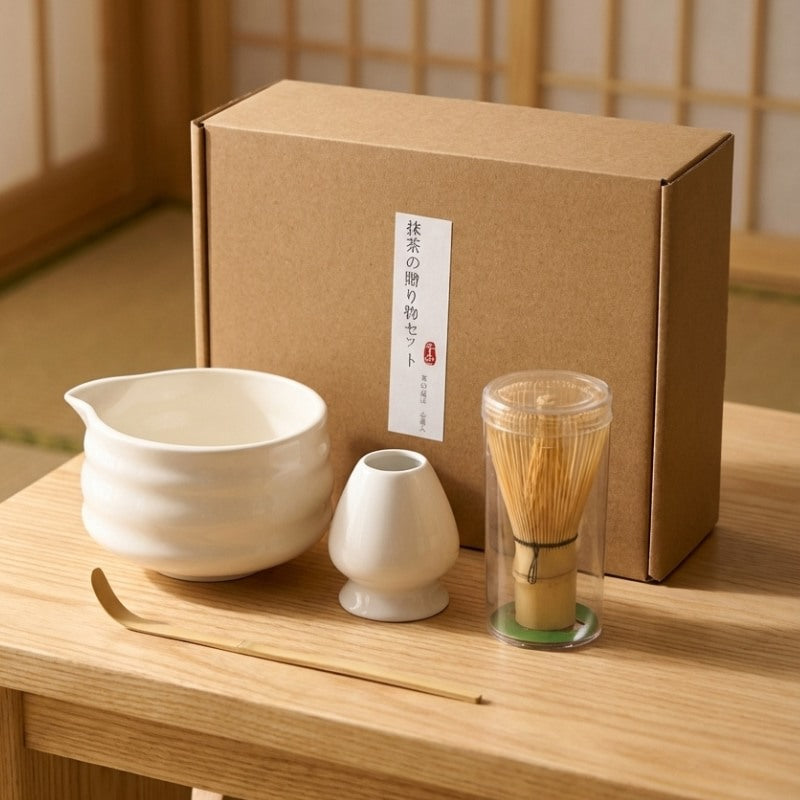
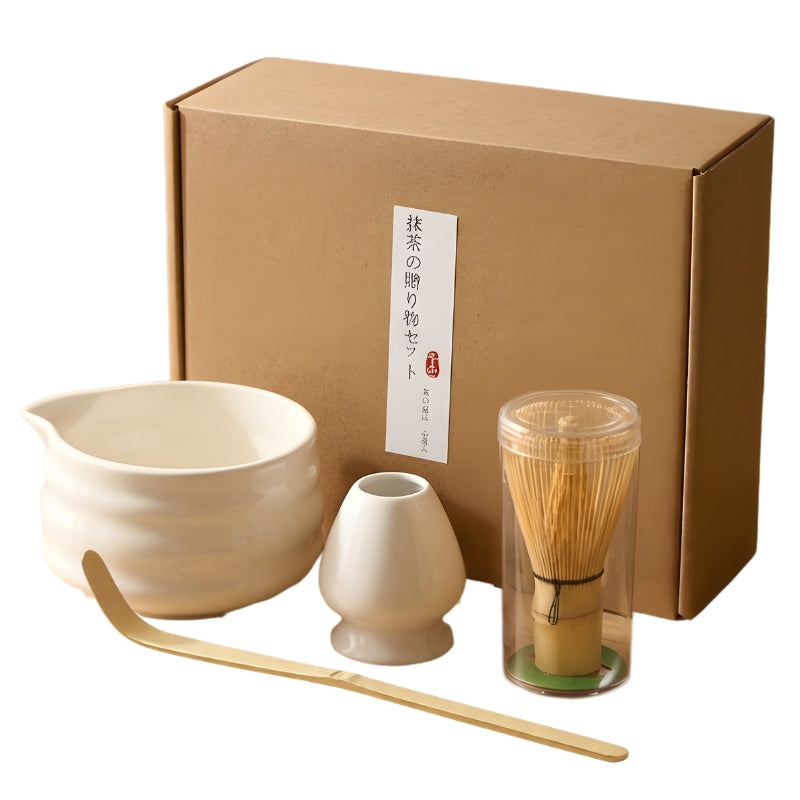
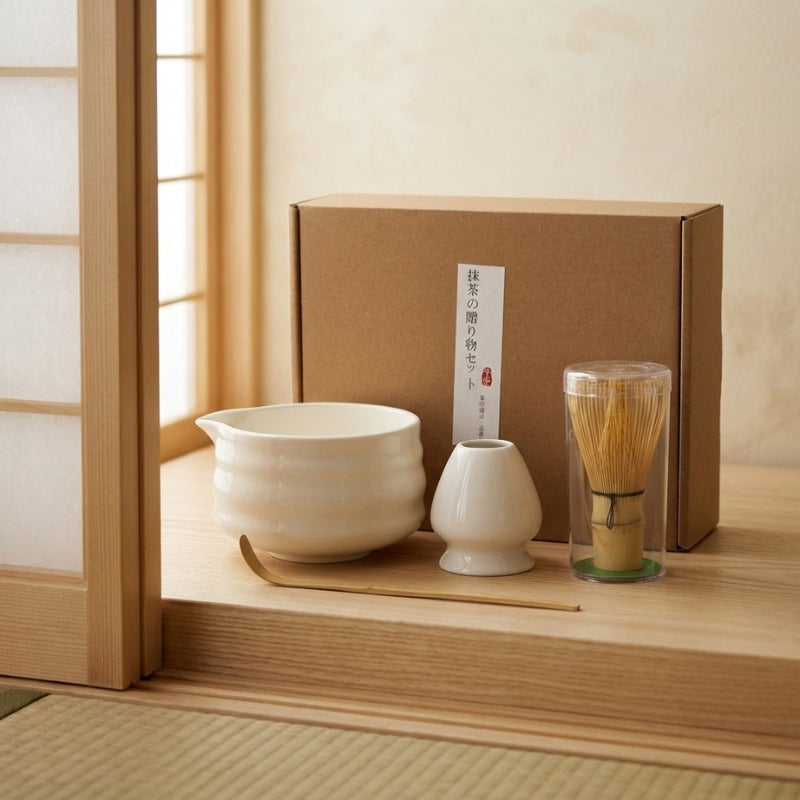
Finally, add a few accents from the Japanese Decor universe: a tray for tea, a ceramic matcha bowl, a small incense holder, a noren curtain marking the passage between rooms, or a simple storage box in wood. These small pieces make the room easy to live in day after day without breaking the calm.
When shopping, think in families of materials and tones. If the floor is warm beige and the wood is light, let your textiles follow that palette; introduce darker browns or charcoal only in a few places like cushions, ceramics or calligraphy strokes. A cohesive Japanese home decor scheme lets objects move from room to room as your life changes, without losing harmony.
Care and styling tips for a long-lasting Japanese interior
Traditional Japanese decor ages well when it is treated gently. Tatami and natural rugs appreciate regular airing and light brushing; wooden surfaces prefer soft cloths and mild cleaners instead of harsh chemicals. Over time, small marks, subtle color shifts and softened edges contribute to the atmosphere of the room instead of damaging it.
Paper and fabric elements need the right light. Keep shōji and washi away from strong, direct sun when possible, and rotate curtains or textile panels so they fade evenly. This preserves the calm balance of the Japanese interior and keeps patterns from competing with each other.
Textiles like cushions, futon covers and throws benefit from being shaken out, aired and occasionally rotated. Rather than replacing them often, repair small tears and re-stuff cushions as needed – a habit that fits naturally with the quiet, patient spirit behind traditional Japanese decor.
Ceramics and stoneware used for tea and meals can be washed by hand with mild soap and allowed to dry fully before shelving. Tiny stains or utensil traces often add character, reminding you of the rituals that give meaning to the space: morning tea, shared meals, a book before sleep.
Above all, edit regularly. Remove pieces that no longer serve, give extra objects a new home, and keep only what supports the role of each room. An entry should welcome, a living room should host conversation, a tea corner should invite quiet. With this mindset, your Japanese Decor pieces become more than decoration – they become part of a washitsu-inspired lifestyle that feels calm, intentional and genuinely lived-in.