Japan

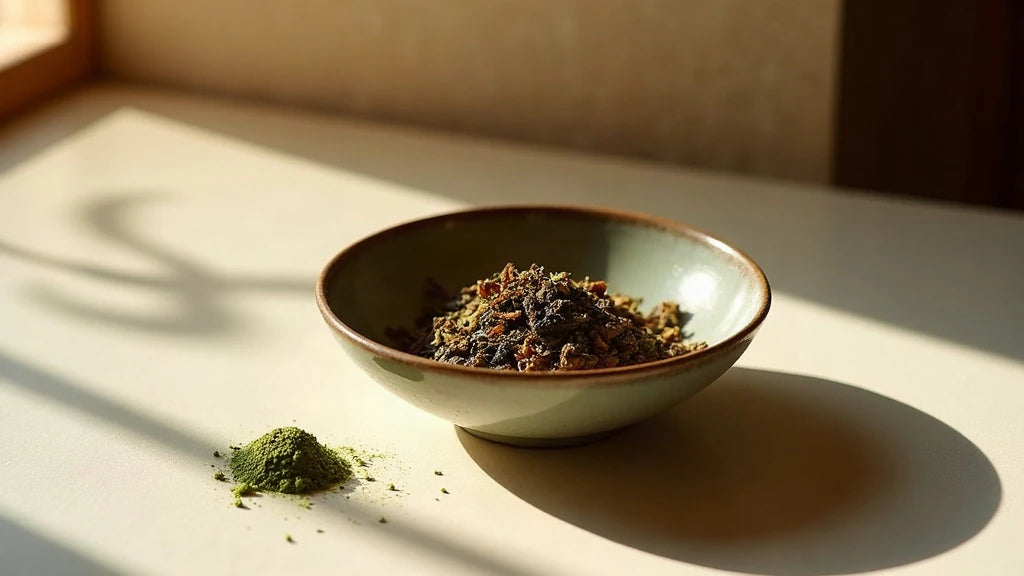
Roasted hojicha leaves beside green matcha, the visual contrast immediately apparent
  • by Yuki Satō

What Is Hojicha, and How Is It Different From Matcha
Hojicha is a roasted green tea with an amber color and woody flavor. Find out how its brewing and taste compare to matcha.

Read moreabout What Is Hojicha, and How Is It Different From Matcha

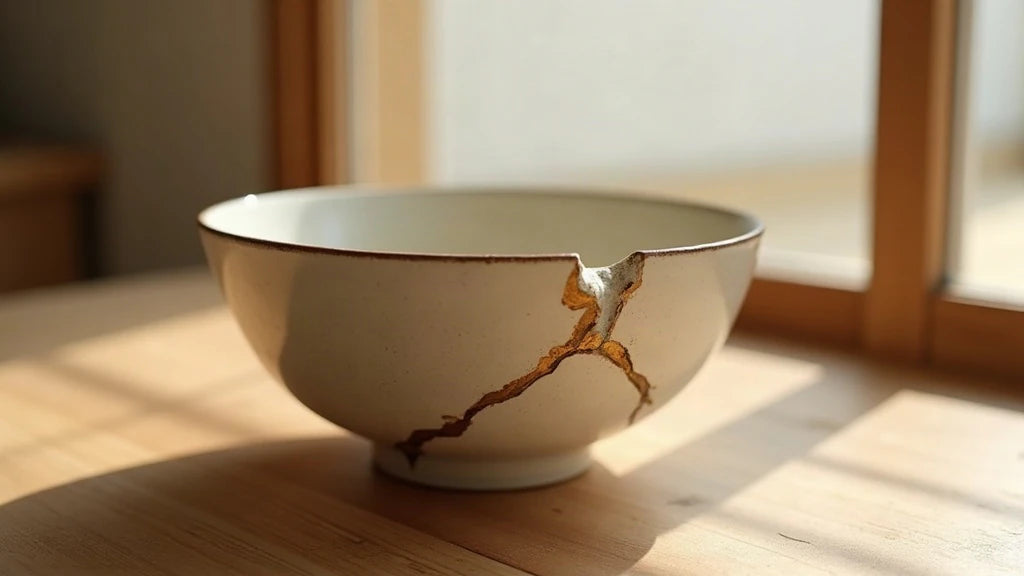
Ceramic bowl with visible gold-filled cracks, kintsugi tradition
  • by Yuki Satō

What Is Kintsugi? The Japanese Art of Mending Cracks
Kintsugi repairs broken ceramics with gold and lacquer, the repair stays visible. Continuity over replacement: your object stays in use and gains beauty.

Read moreabout What Is Kintsugi? The Japanese Art of Mending Cracks

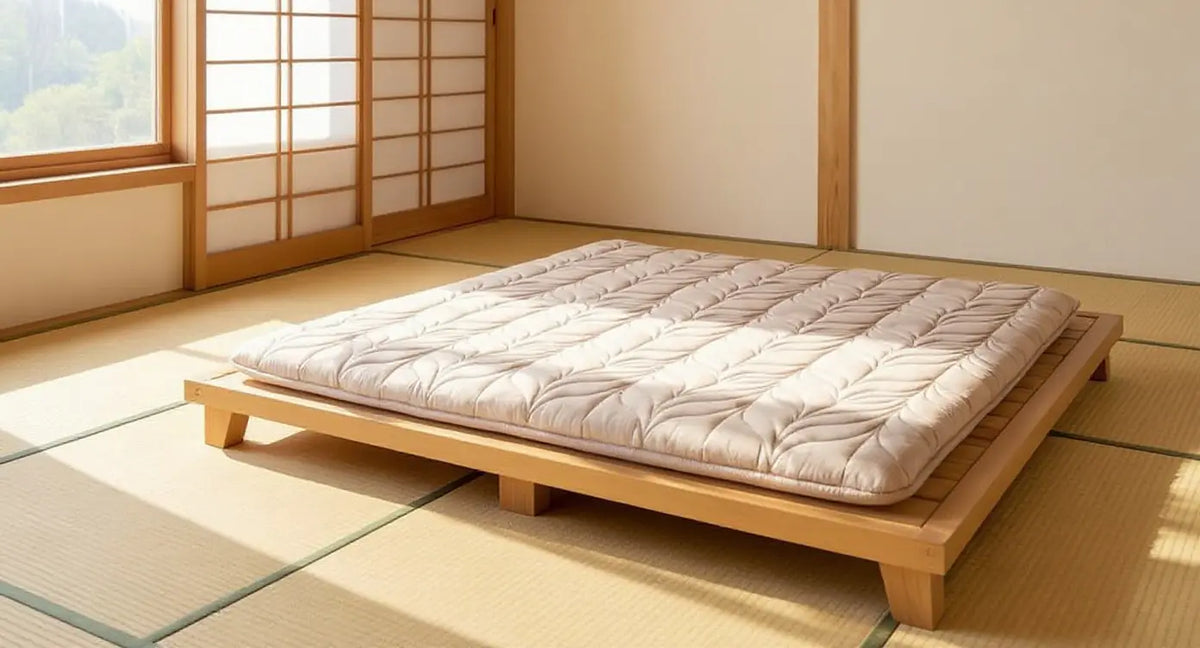
Cream Japanese futon mat on low wooden platform bed in minimalist japandi bedroom with shoji-filtered morning light
  • by Yuki Satō

Japandi Bedroom Style: Where Japanese Meets Scandi Calm
Create a japandi bedroom by combining Japanese restraint with Scandinavian warmth. Use low furniture and natural materials for a calm, peaceful space.

Read moreabout Japandi Bedroom Style: Where Japanese Meets Scandi Calm

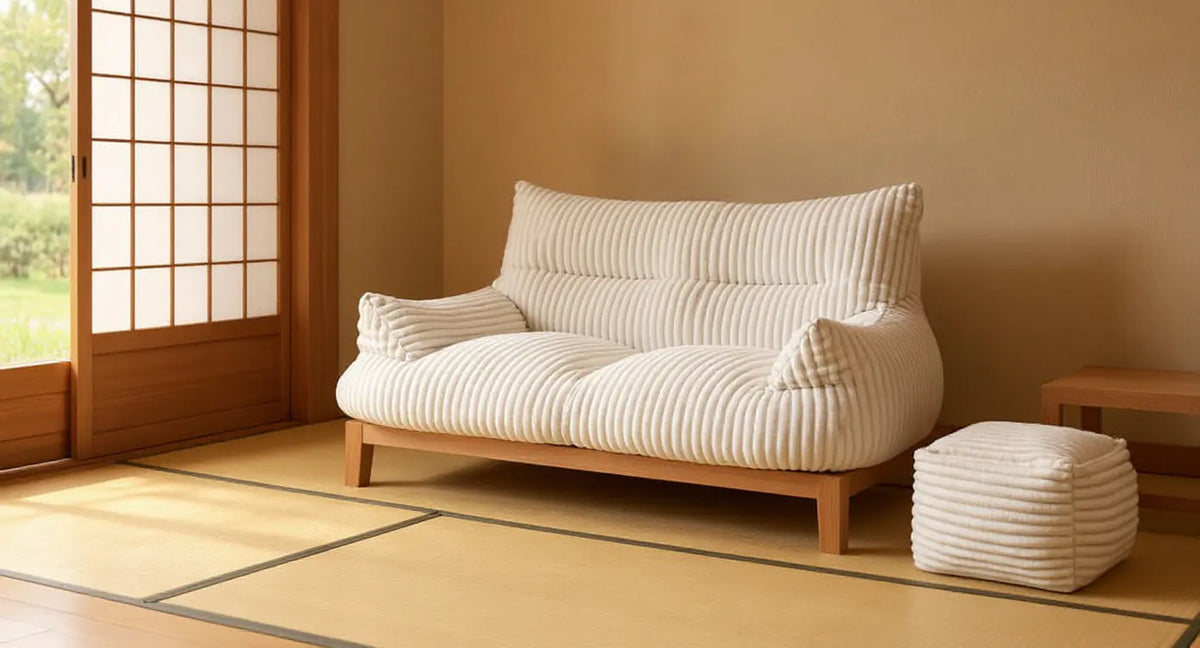
Low Japanese couch with natural linen upholstery in a minimalist Japandi living room with tatami mat
  • by Yuki Satō

Japandi Living Room Ideas for a Calmer, Quieter Space
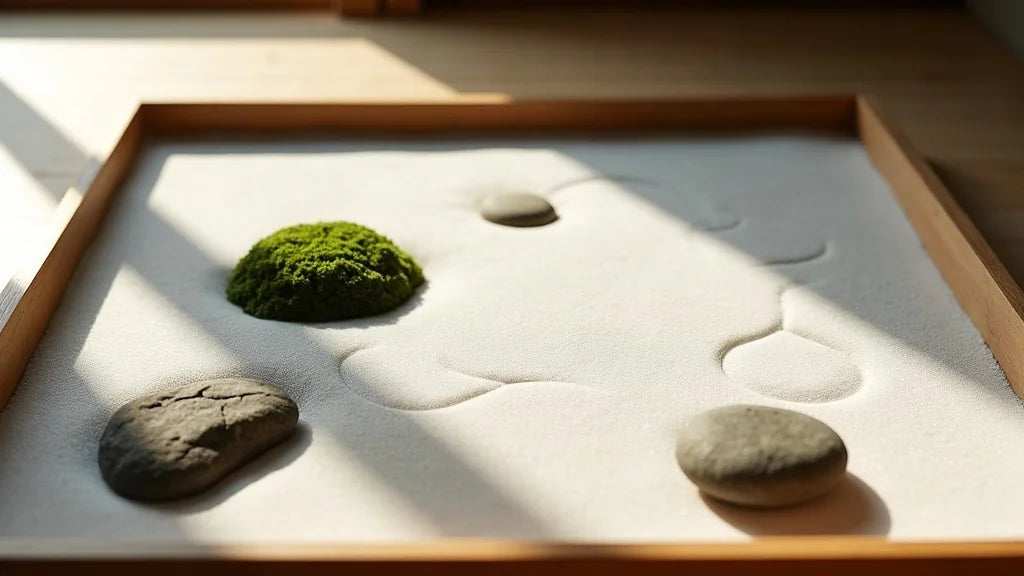
Create a japandi living room that feels calm and quiet. Learn how restraint, empty space, and natural materials bring peace to your space.

Read moreabout Japandi Living Room Ideas for a Calmer, Quieter Space

A miniature zen garden with raked sand, grey stones, and moss on a wooden table beneath shoji-filtered light
  • by Yuki Satō

How to Build a Mini Zen Garden on a Small Tabletop
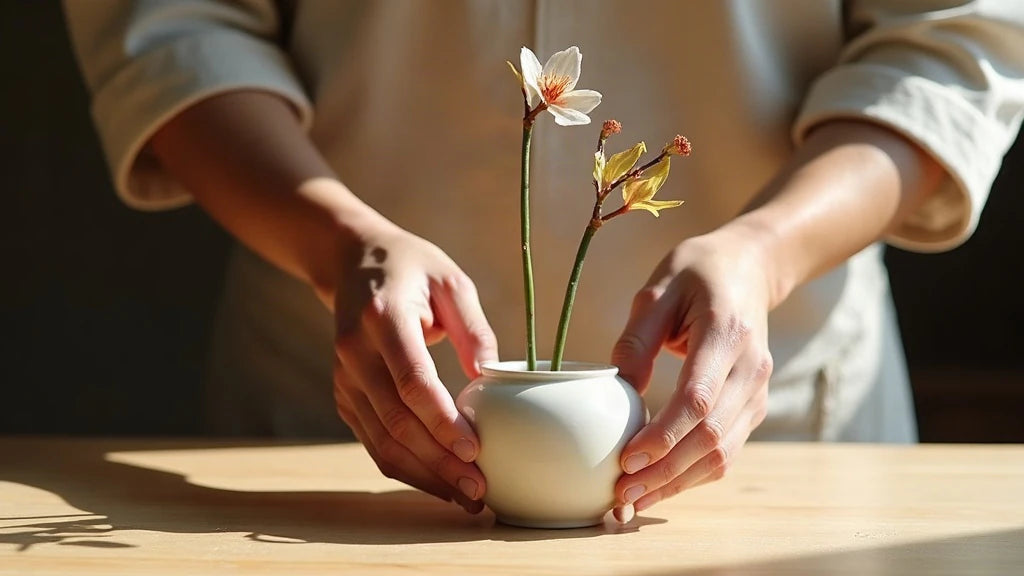
Create a peaceful mini zen garden on your tabletop with minimal elements, sand, stones, and space for calm reflection.

Read moreabout How to Build a Mini Zen Garden on a Small Tabletop

Hands arranging minimalist ikebana with asymmetrical stems and empty space
  • by Yuki Satō

What Is Ikebana? The Japanese Art of Flower Arranging
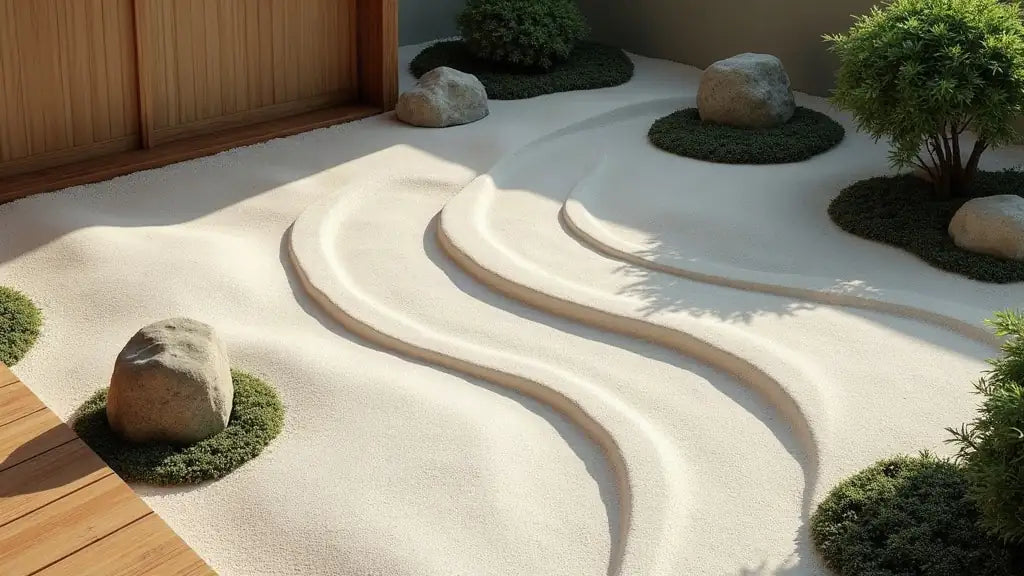
Learn how to create minimalist flower arrangements that emphasize line, space, and seasonal beauty over volume.

Read moreabout What Is Ikebana? The Japanese Art of Flower Arranging

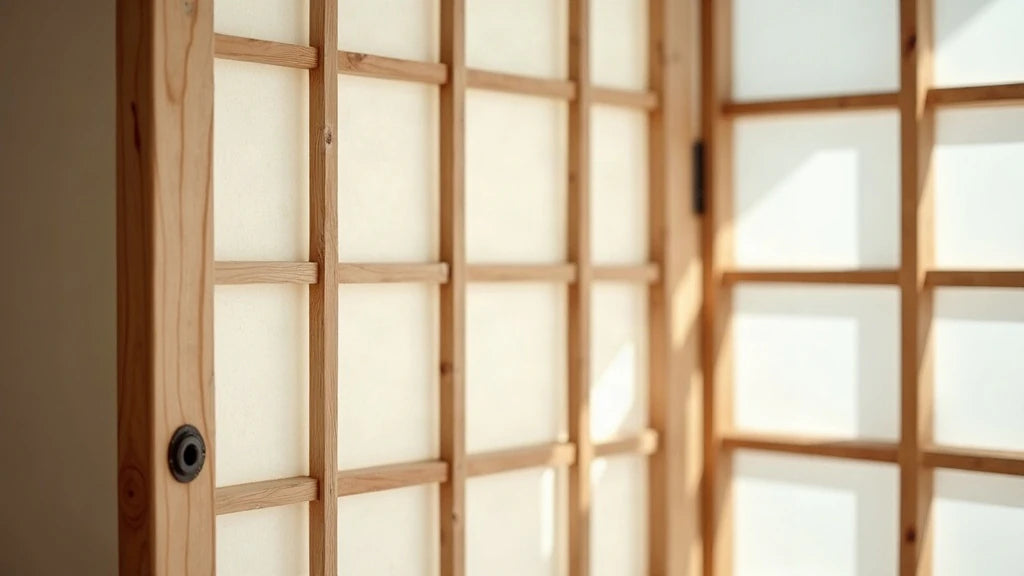
What Is a Zen Garden, and What Does Its Design Mean
  • by Yuki Satō

What Is a Zen Garden, and What Does Its Design Mean

Zen gardens are dry landscapes using stone and gravel to evoke nature. Learn the design principles and how to translate one indoors.

Read moreabout What Is a Zen Garden, and What Does Its Design Mean

Wooden shoji screen with translucent washi paper, grid lattice filtering soft daylight
  • by Yuki Satō

What Is a Shoji Screen, and Where Should It Go at Home
Learn how shoji screens filter light and divide space, plus where to install them in your home for maximum impact.

Read moreabout What Is a Shoji Screen, and Where Should It Go at Home

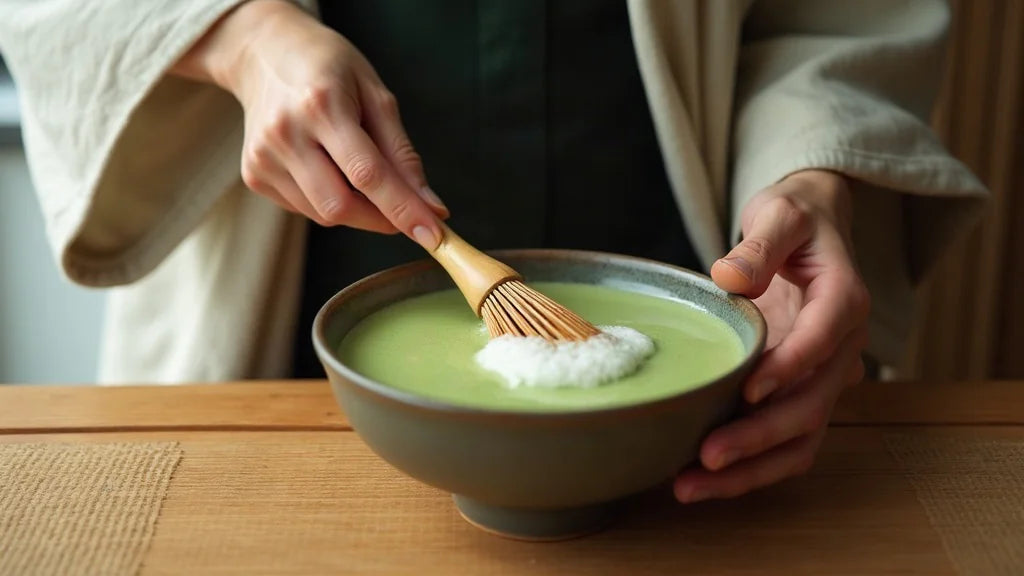
Hands whisking matcha foam in ceramic bowl with bamboo chasen whisk
  • by Yuki Satō

How to Make Matcha at Home: The Whisk, Bowl, and Ratio
Learn the exact ratio, water temperature, and whisking technique to brew smooth matcha at home every time.

Read moreabout How to Make Matcha at Home: The Whisk, Bowl, and Ratio

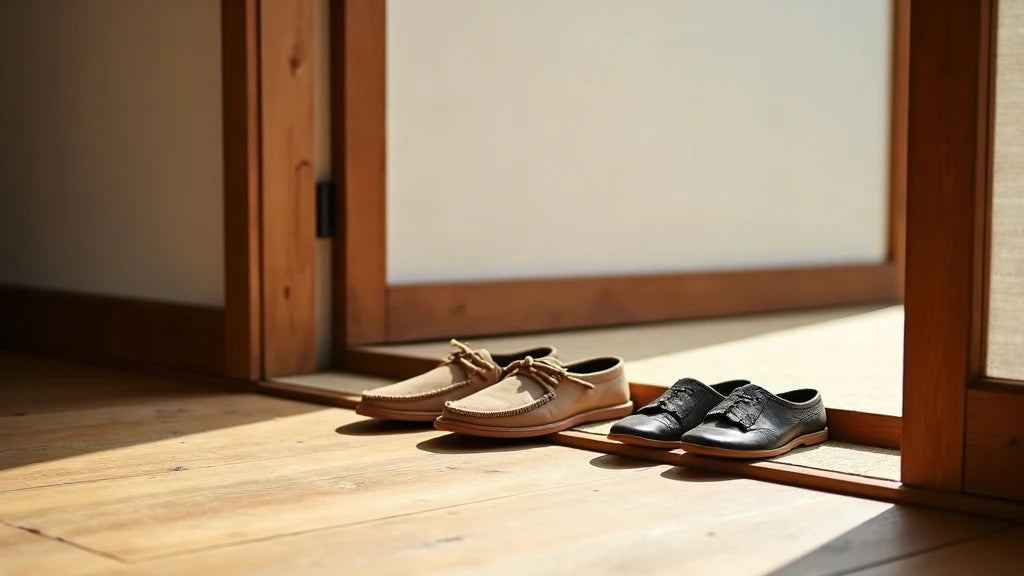
Japanese genkan with shoes stored on low wooden shelf, noren marking the threshold inside.
  • by Yuki Satō

Shoe Storage Ideas for a Calm Japanese-Style Entryway
Learn how Japanese-inspired shoe storage keeps your entryway calm and clutter-free.

Read moreabout Shoe Storage Ideas for a Calm Japanese-Style Entryway

How to Hold Chopsticks the Right Way, Step by Step
  • by Yuki Satō

How to Hold Chopsticks the Right Way, Step by Step

Learn the proper grip for chopsticks with our step-by-step guide. Master the technique in just 10 minutes with clear hand positioning tips.

Read moreabout How to Hold Chopsticks the Right Way, Step by Step

Rustic wabi-sabi ceramic vase on a wooden shelf in a light-filled Japanese alcove
  • by Yuki Satō

What Is Wabi-Sabi? The Japanese Idea Behind a Calm Room
Learn wabi sabi principles to choose timeworn pieces and create calm, minimal rooms that celebrate imperfection over perfection.

Read moreabout What Is Wabi-Sabi? The Japanese Idea Behind a Calm Room

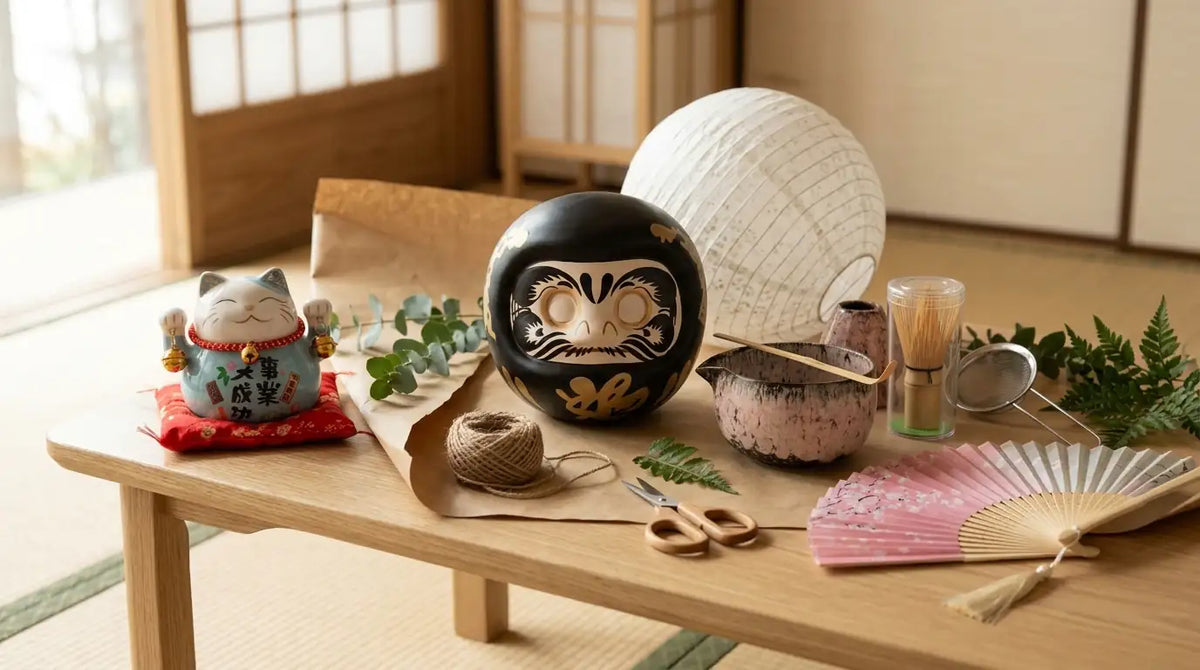
Japanese gift ideas for the home laid out on a wooden table
  • by Yuki Satō

Japanese Gift Ideas: 15 Presents People Actually Use
Fifteen Japanese home gift ideas I give and use myself: maneki neko, shoji lamp, matcha set, noren. Placement notes, occasions and gift etiquette.

Read moreabout Japanese Gift Ideas: 15 Presents People Actually Use

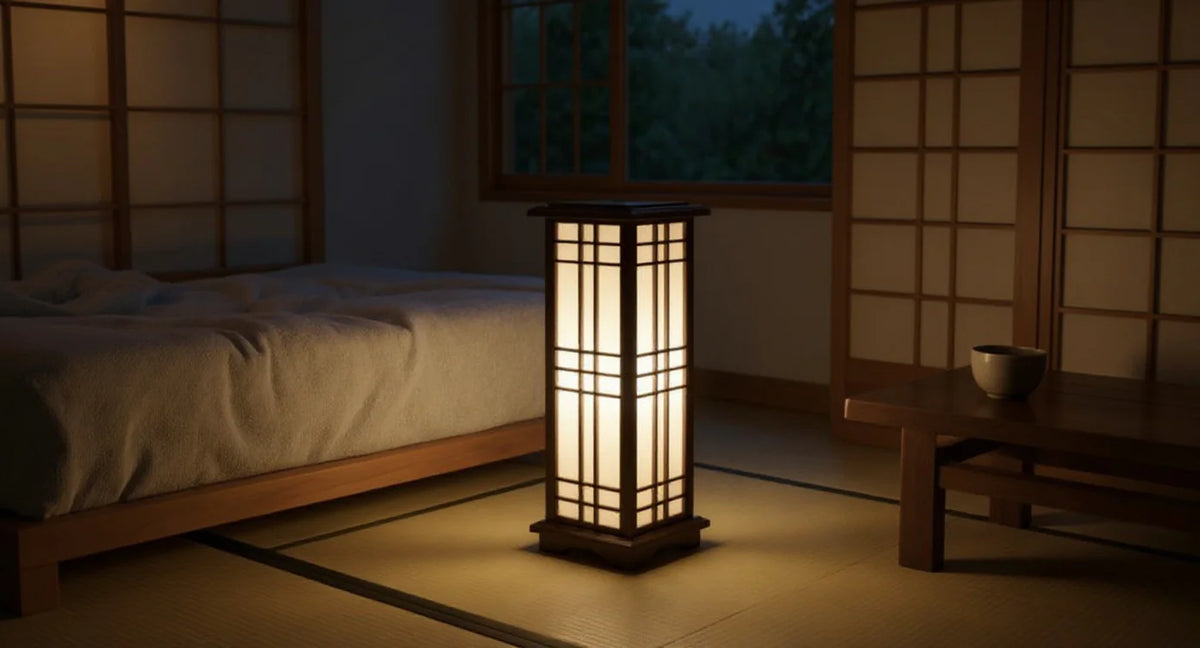
Japanese Shoji paper lamp glowing warmly on a low wooden table in a minimalist bedroom
  • by Yuki Satō

What makes a lamp look Japanese, and why it works
Choose a Japanese lamp based on what matters: washi paper, bamboo framing, and soft light diffusion, not printed designs.

Read moreabout What makes a lamp look Japanese, and why it works

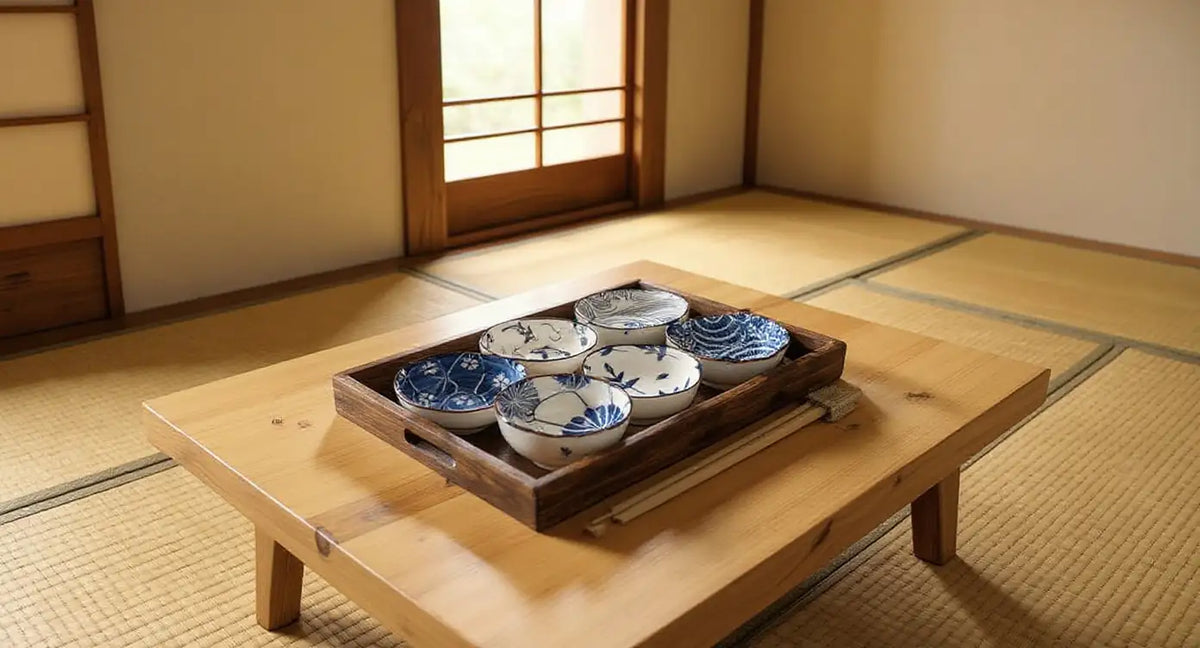
Kobachi bowl in a complete ichiju-sansai place setting on a low wooden table with soft morning light
  • by Yuki Satō

How to lay out a Japanese meal the ichiju-sansai way
Learn the traditional ichiju-sansai placement: rice, soup, and three sides arranged for balance and practical eating. Set your meal correctly.

Read moreabout How to lay out a Japanese meal the ichiju-sansai way

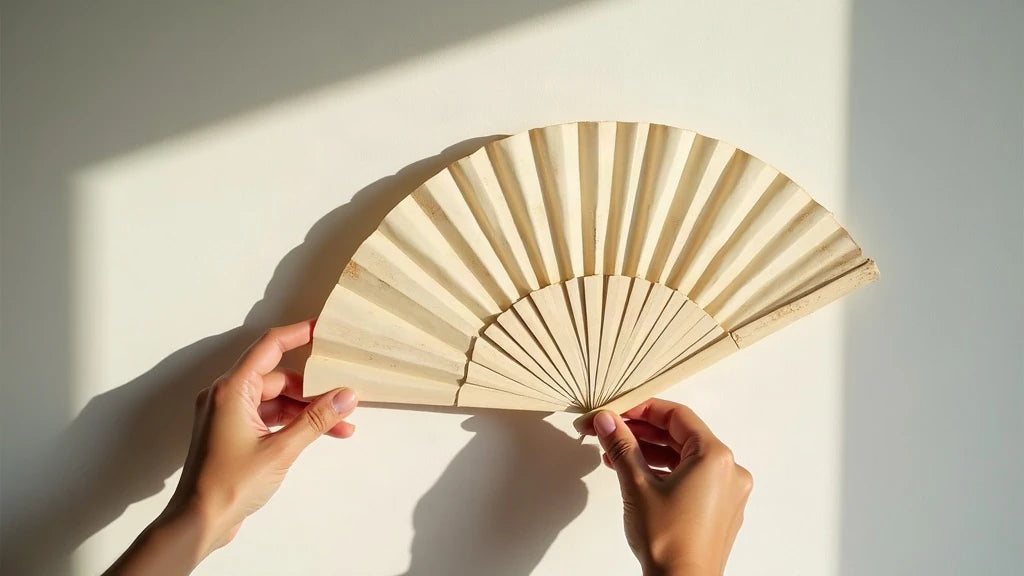
Two hands carefully securing a handmade sensu fan on an interior wall
  • by Yuki Satō

How to display a Japanese hand fan on a quiet wall
Mount a folding fan without piercing the paper: bracket options, hanging height, sunlight to avoid and how much empty wall to leave around it.

Read moreabout How to display a Japanese hand fan on a quiet wall

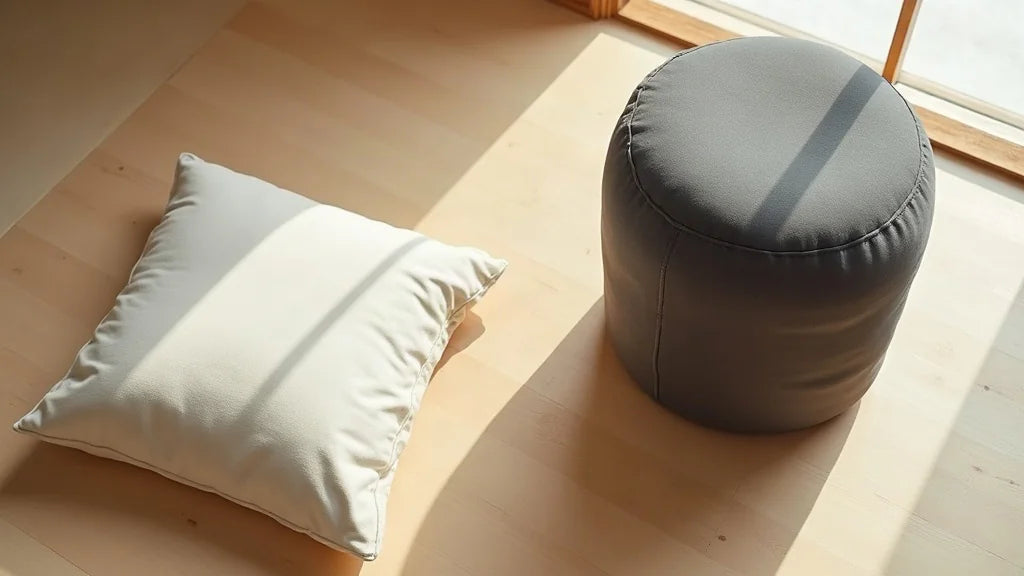
Flat zabuton and round zafu meditation cushions side by side, showing size and height difference
  • by Yuki Satō

Zabuton vs zafu, choosing the right floor cushion
Zabuton or zafu? Learn what each cushion does, how much lift you need, and which one suits low-table meals, cross-legged sitting or seiza.

Read moreabout Zabuton vs zafu, choosing the right floor cushion

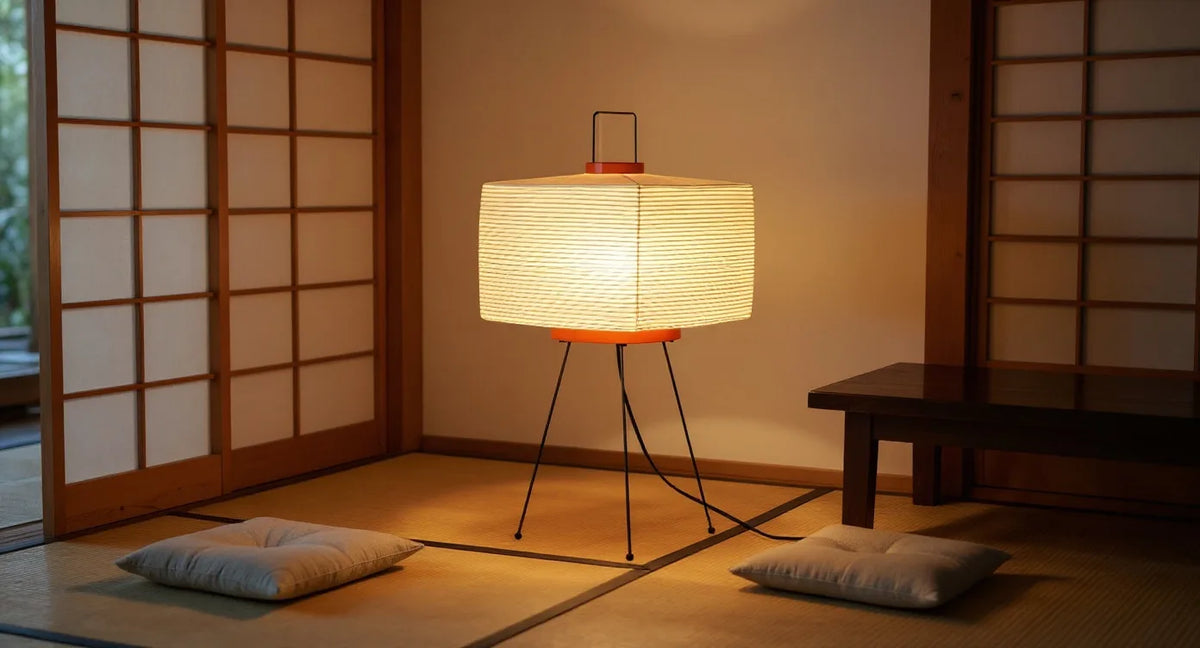
Japanese Style Floor Lamp beside floor cushions on tatami in a washitsu room
  • by Yuki Satō

Matching a Japanese lamp with tatami and floor cushions
Choose lamp height, shade and placement for a tatami floor corner so light sits at seated eye level and grazes the mat softly.

Read moreabout Matching a Japanese lamp with tatami and floor cushions

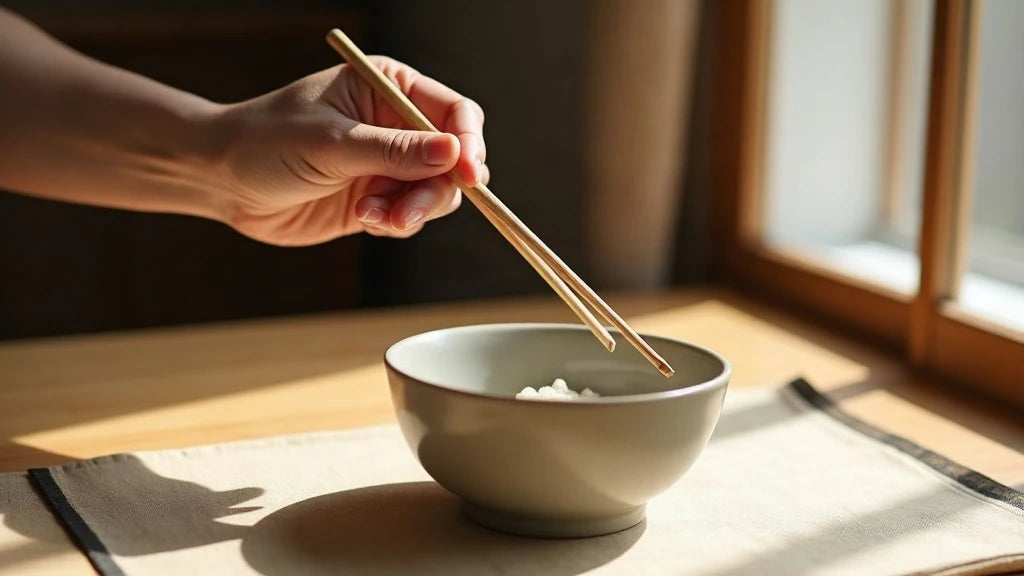
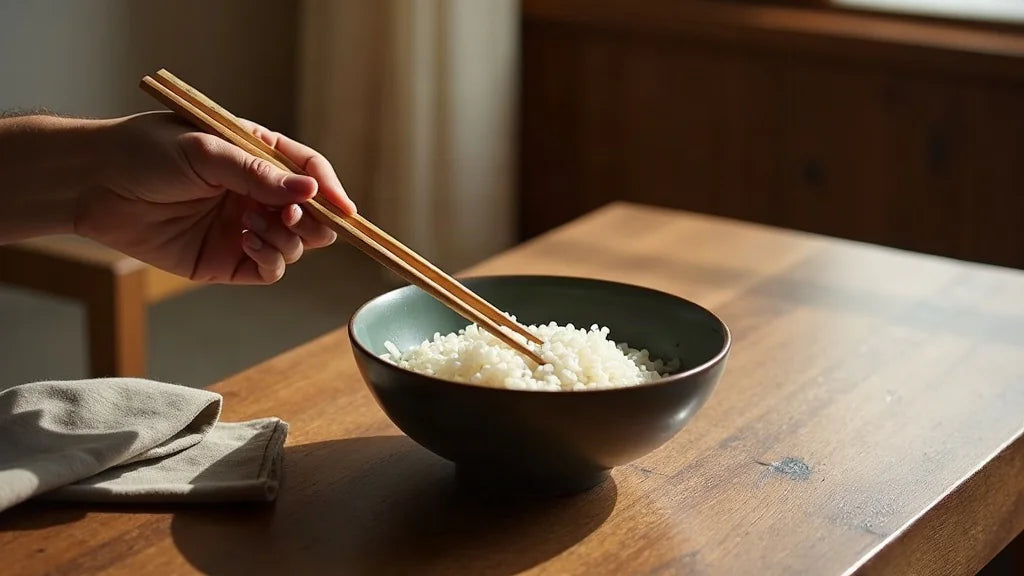
One hand correctly holding chopsticks above rice bowl, proper grip visible
  • by Yuki Satō

Chopstick etiquette in Japan: the rules that matter
Five chopstick rules cover nearly every meal in Japan, from tate-bashi to hashi-watashi, so you know what to avoid and why at the table.

Read moreabout Chopstick etiquette in Japan: the rules that matter

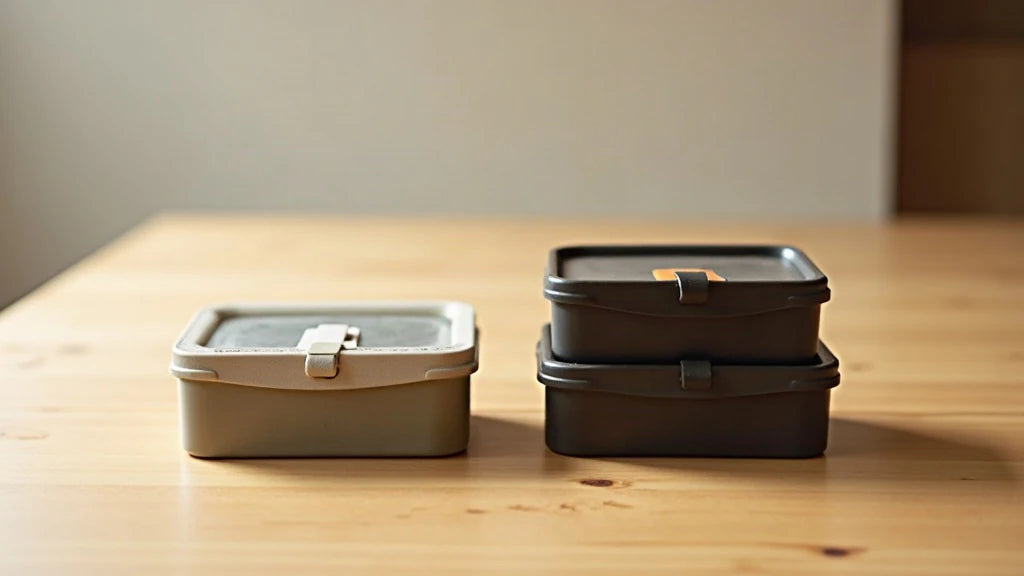
Single-tier and two-tier bento boxes side by side for comparison
  • by Yuki Satō

Two tier vs single tier bento box, which one fits you
Compare capacity, sealing, packing and washing to pick between a single tier and a two tier bento box for the meals you actually carry.

Read moreabout Two tier vs single tier bento box, which one fits you

Hands positioning a bamboo matcha whisk on a drying stand, tines facing upward
  • by Yuki Satō

How to care for a bamboo matcha whisk day after day
Rinse, dry and store a chasen the right way: warm water only, no soap, tines-up on a holder, so the prongs keep their curve for months.

Read moreabout How to care for a bamboo matcha whisk day after day

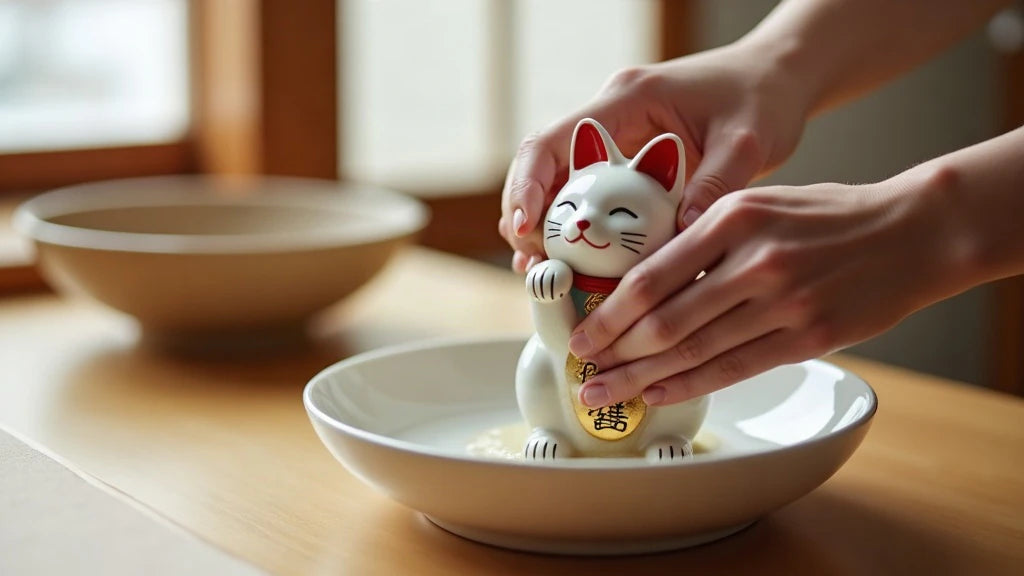
Hands gently cleaning a ceramic maneki neko figurine with a soft damp cloth.
  • by Yuki Satō

How to clean a ceramic maneki neko without damage

Dust, wipe and dry a ceramic maneki neko step by step, and know which cleaners lift gold paint or dull the glaze before you touch it.

Read moreabout How to clean a ceramic maneki neko without damage

Maneki Neko Lucky Cat on hinoki entryway cabinet in morning light
  • by Yuki Satō

Where to place a lucky cat for a calm entryway

Choose one spot for a maneki neko, facing in or out, at eye level with space around it, so your entryway stays calm and uncluttered.

Read moreabout Where to place a lucky cat for a calm entryway

Hands positioning futon and tatami layers during transition from bed to floor sleeping
  • by Yuki Satō

Moving from a bed to floor sleeping without regret

Layer a futon the right way, keep the frame at first, and set a morning airing habit so the switch to floor sleeping takes 2-4 calm weeks.

Read moreabout Moving from a bed to floor sleeping without regret

Handleless Japanese teacup with steam, minimalist wooden surface, natural light
  • by Yuki Satō

Why Japanese tea cups have no handles

The handle-less yunomi explained: how wall thickness signals temperature, the two-handed hold to use, and which cup suits sencha, hojicha or delicate

Read moreabout Why Japanese tea cups have no handles

Japanese Daruma Doll on hinoki shelf beside ceramic cup in morning light
  • by Yuki Satō

What is a daruma doll used for? Eyes, goals, ritual

How the daruma eye ritual works: pick one goal, paint the left eye, finish with the right, and choose a color and size that suit your shelf.

Read moreabout What is a daruma doll used for? Eyes, goals, ritual

Wabi-Sabi Floor Lamp glowing beside a low linen bench in a minimalist room
  • by Yuki Satō

Best Japanese lamps for a wabi-sabi interior at home

Choose a washi, wood or paper lantern lamp by seating height and room, with the five traits that keep light soft, low and quietly imperfect.

Read moreabout Best Japanese lamps for a wabi-sabi interior at home

Serene Japanese tatami room with soft natural light, minimal furniture, and open space
  • by Yuki Satō

Washitsu : Create a Japanese Tatami Room at Home

Step into the world of the washitsu, Japan’s traditional room: tatami, shoji screens, fusuma doors, and the tokonoma alcove. Learn how to recreate this calm, minimalist atmosphere at home with practical layout tips, decor ideas, and easy care advice.

Read moreabout Washitsu : Create a Japanese Tatami Room at Home