
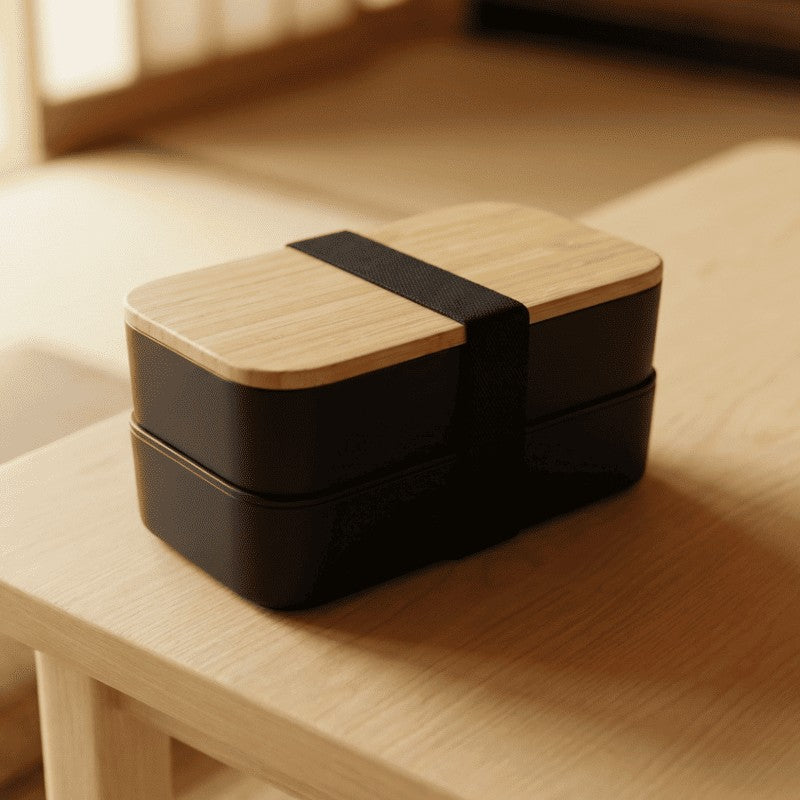
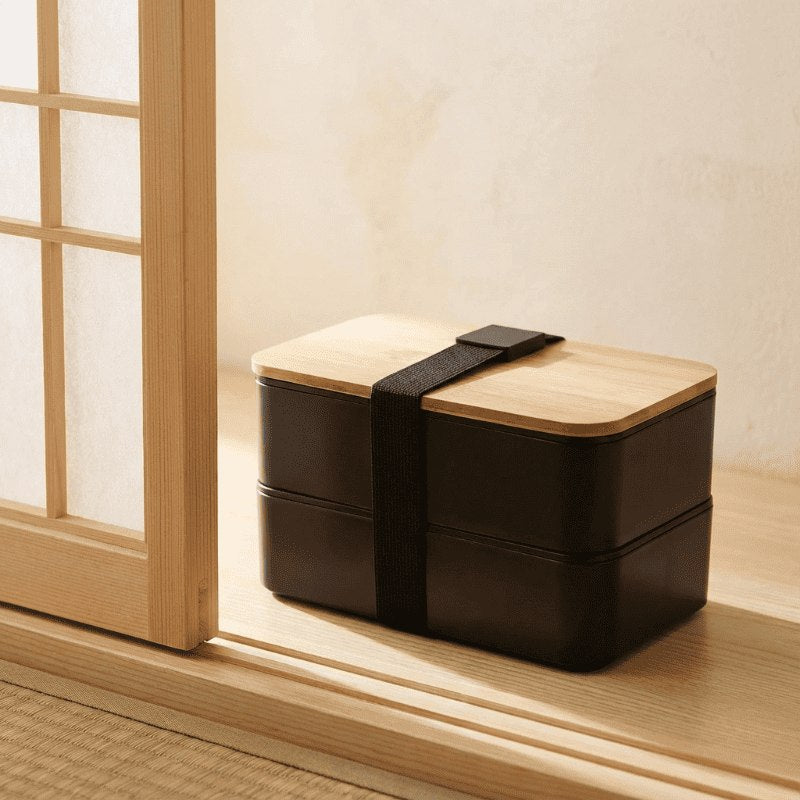
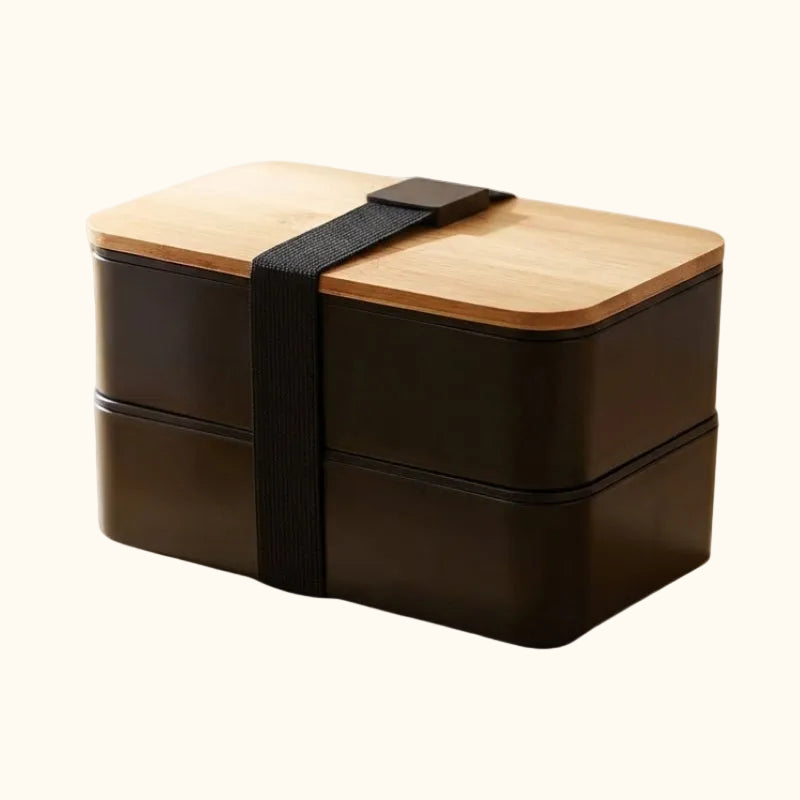
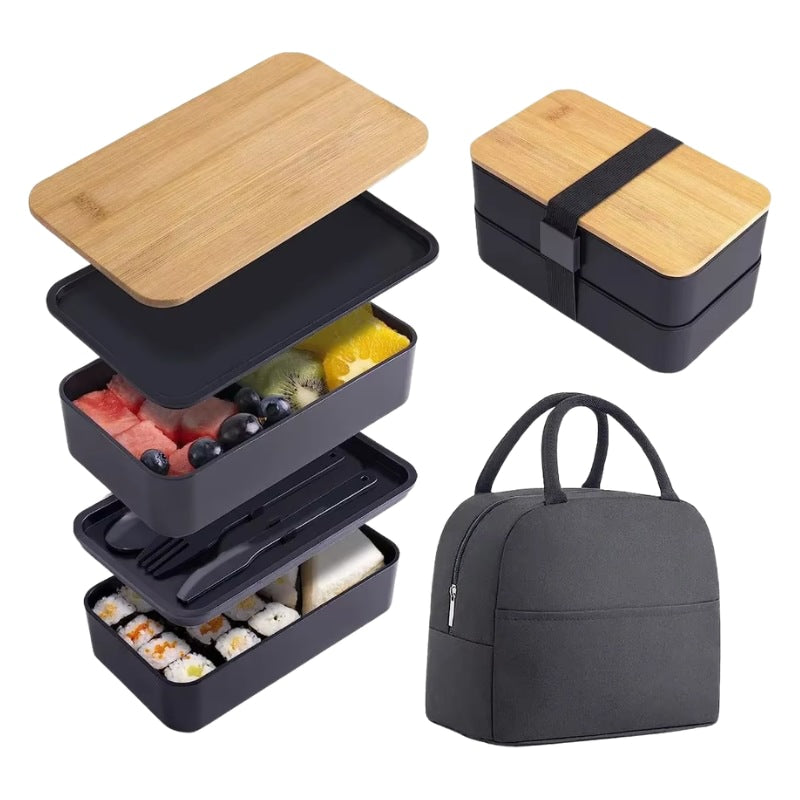
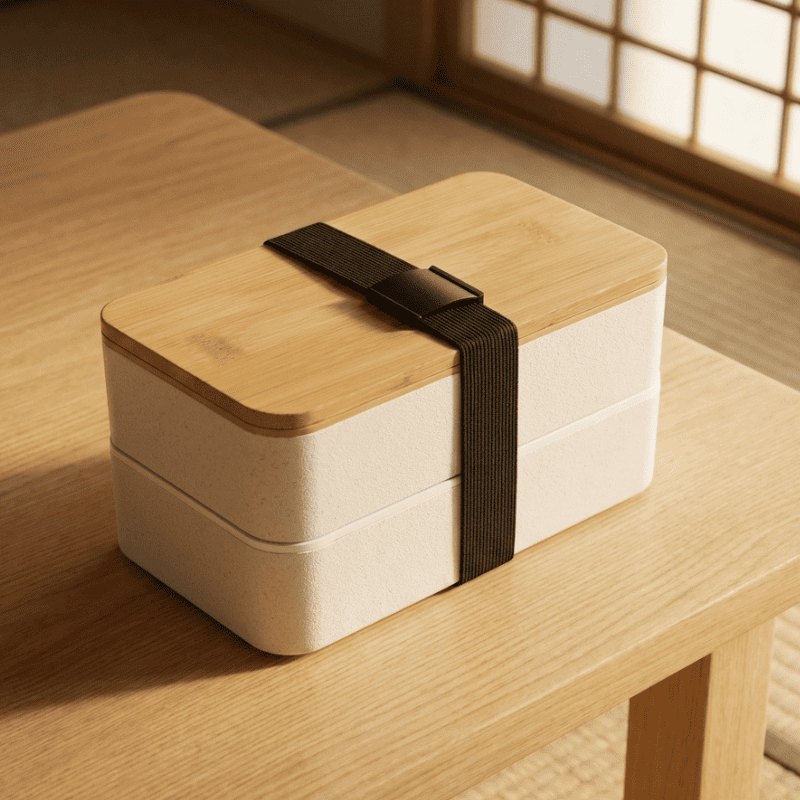
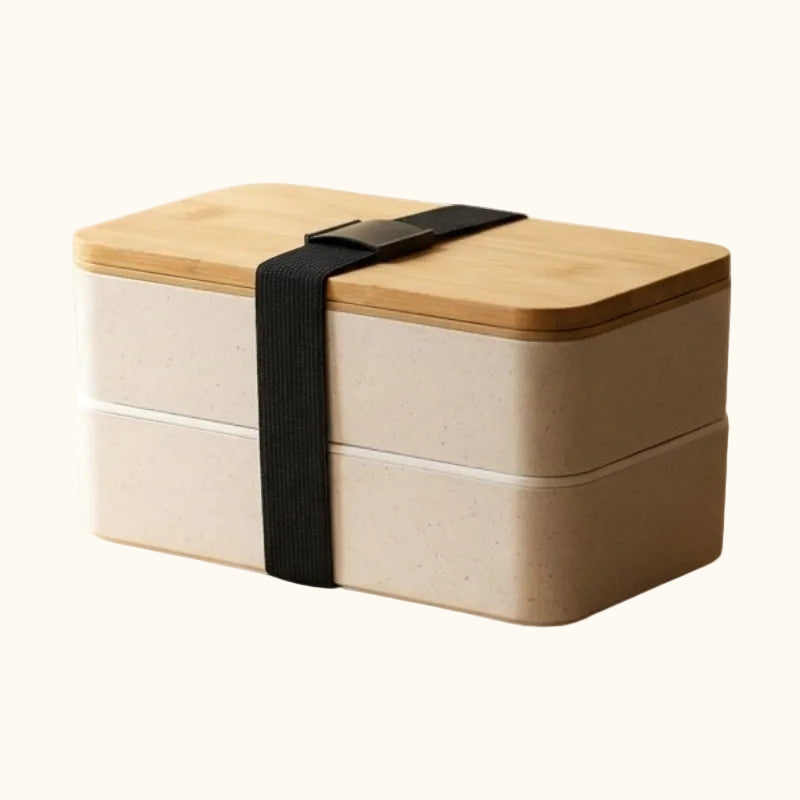
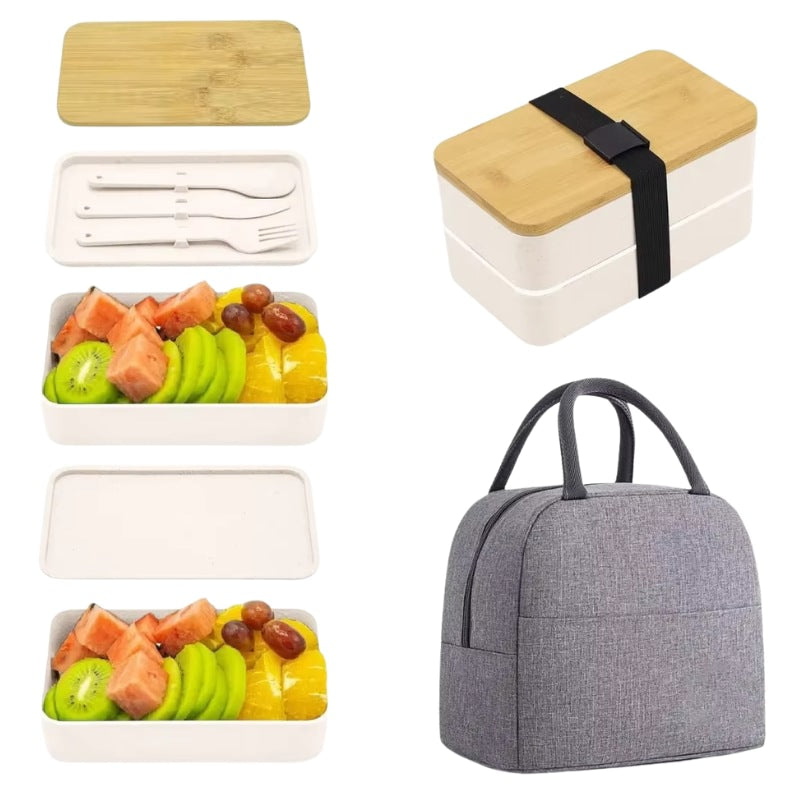
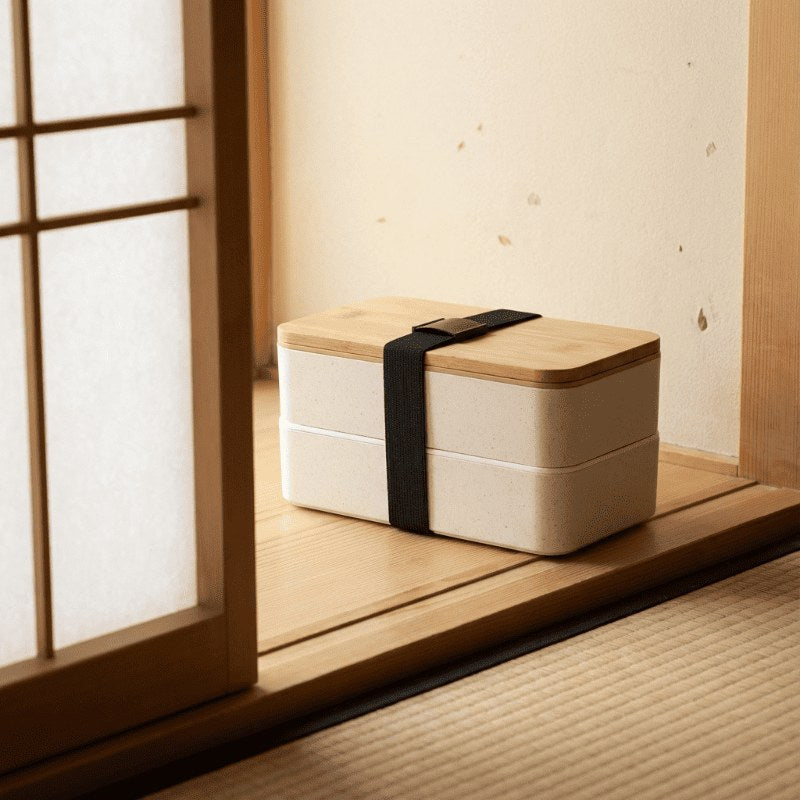
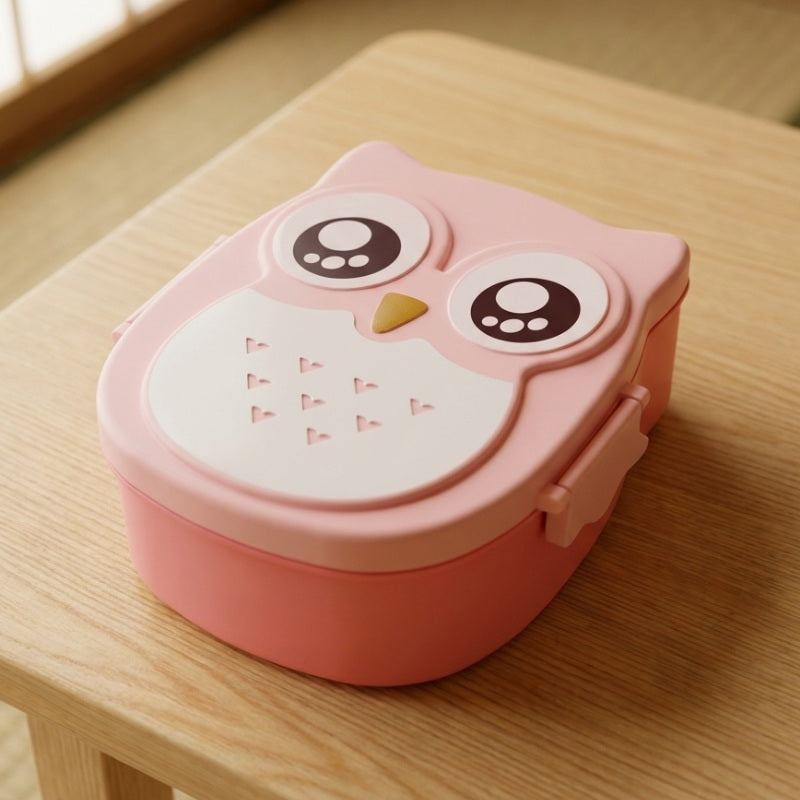
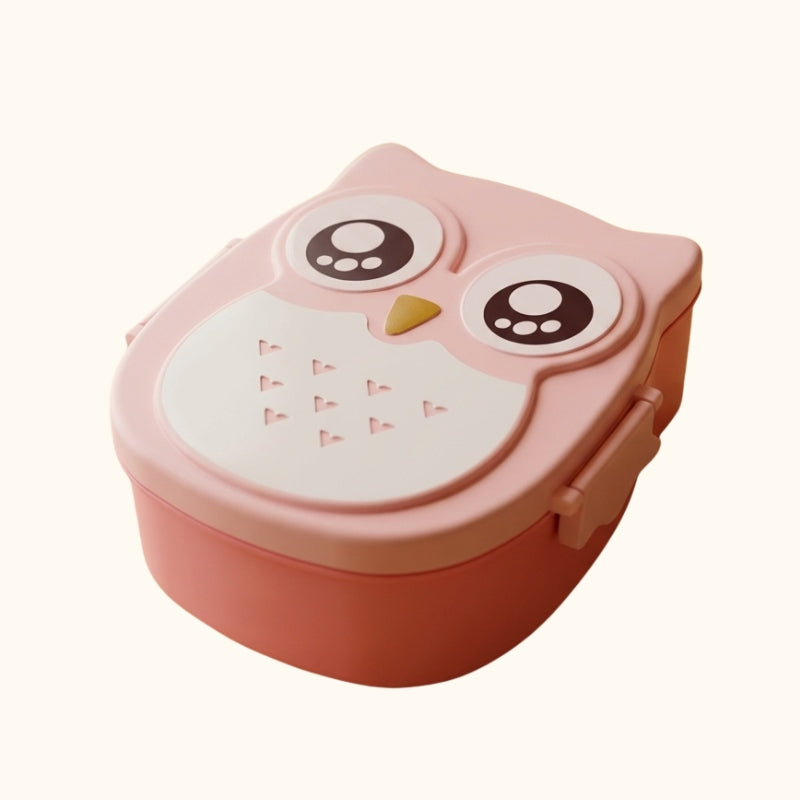
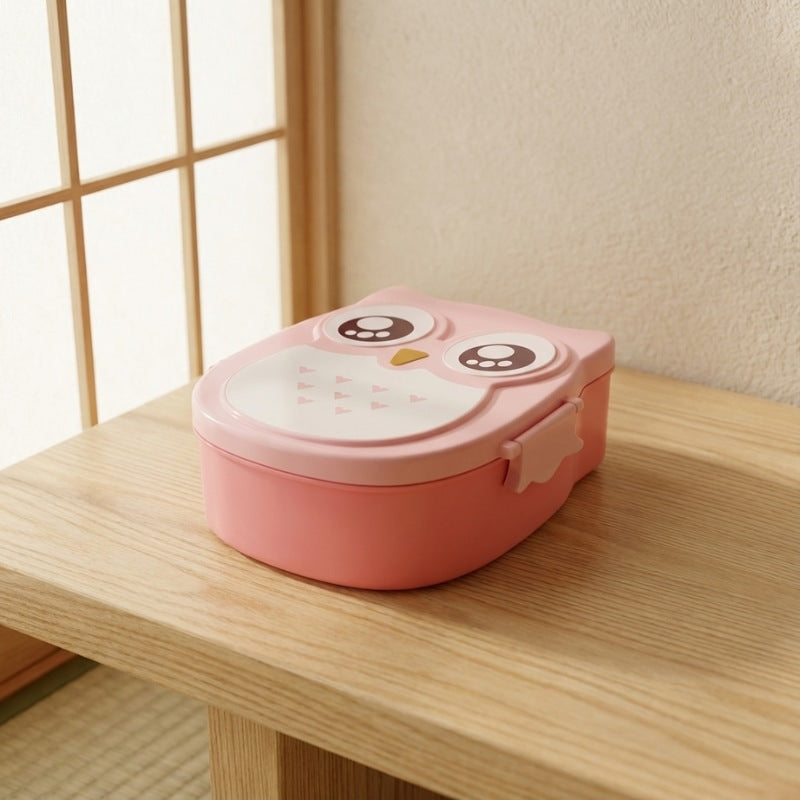
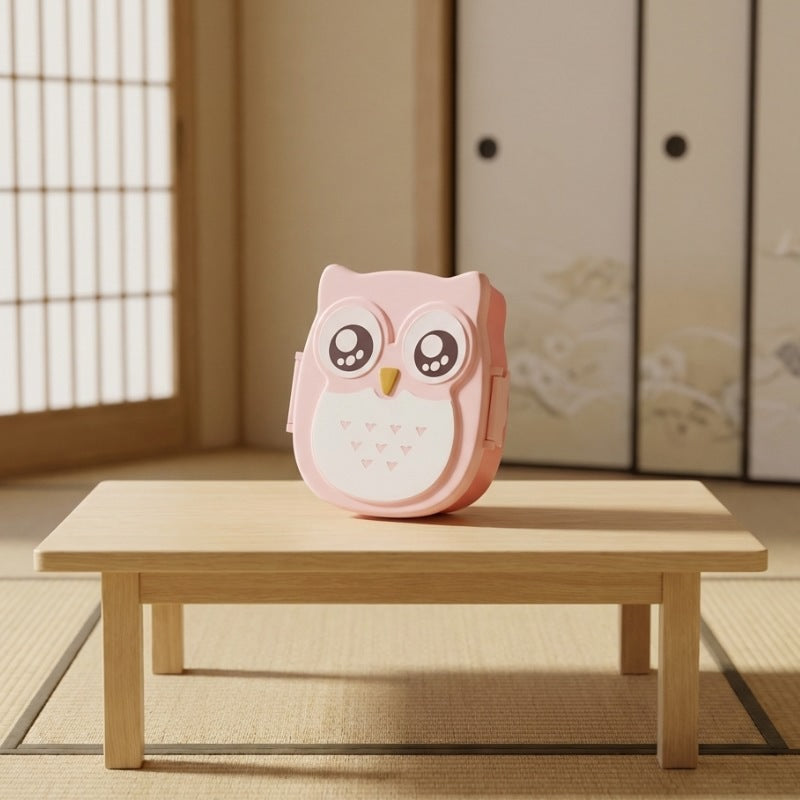
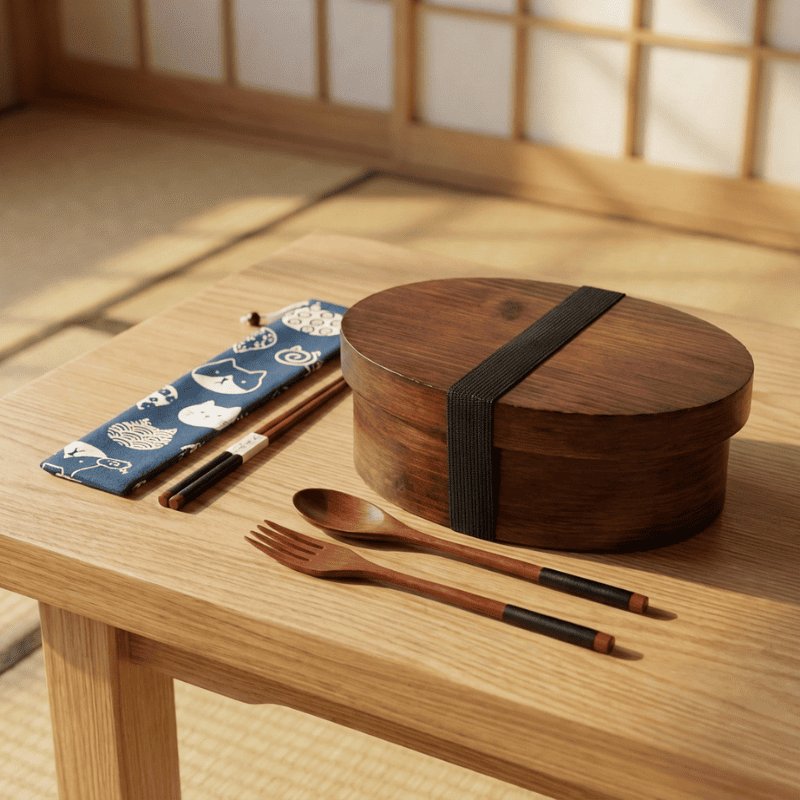
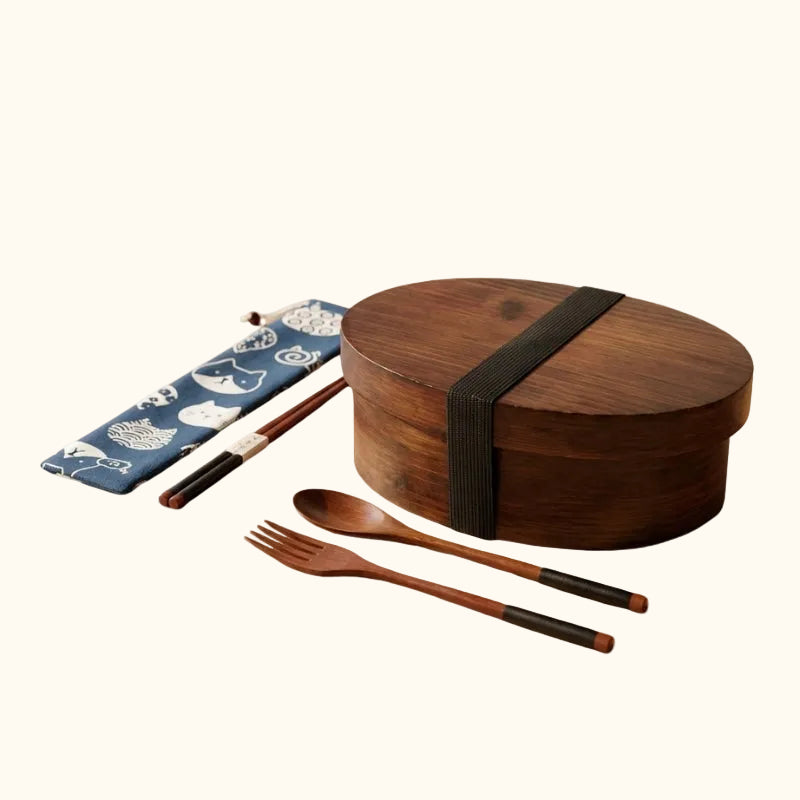
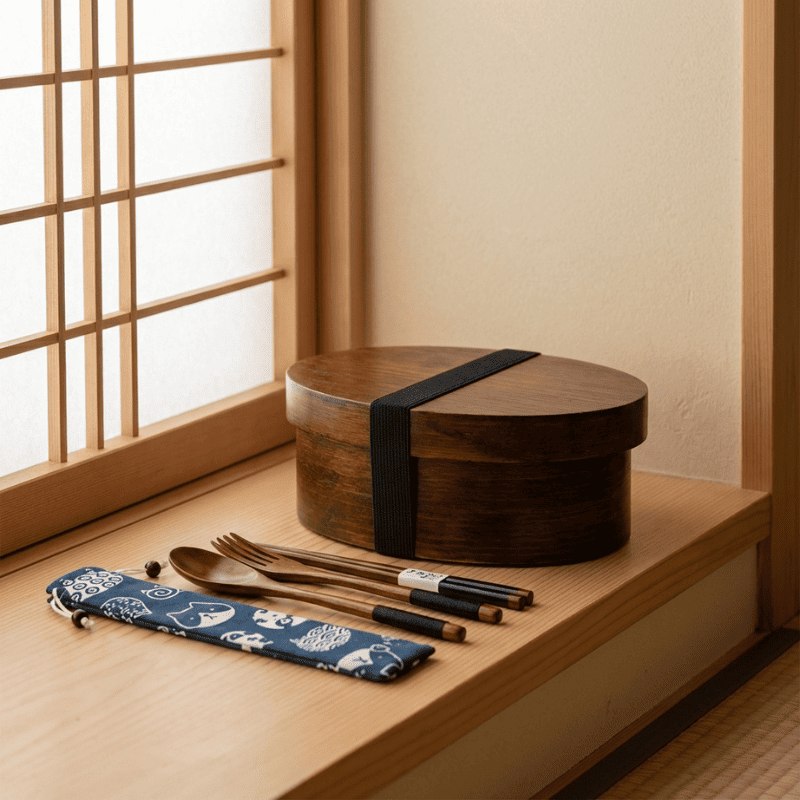
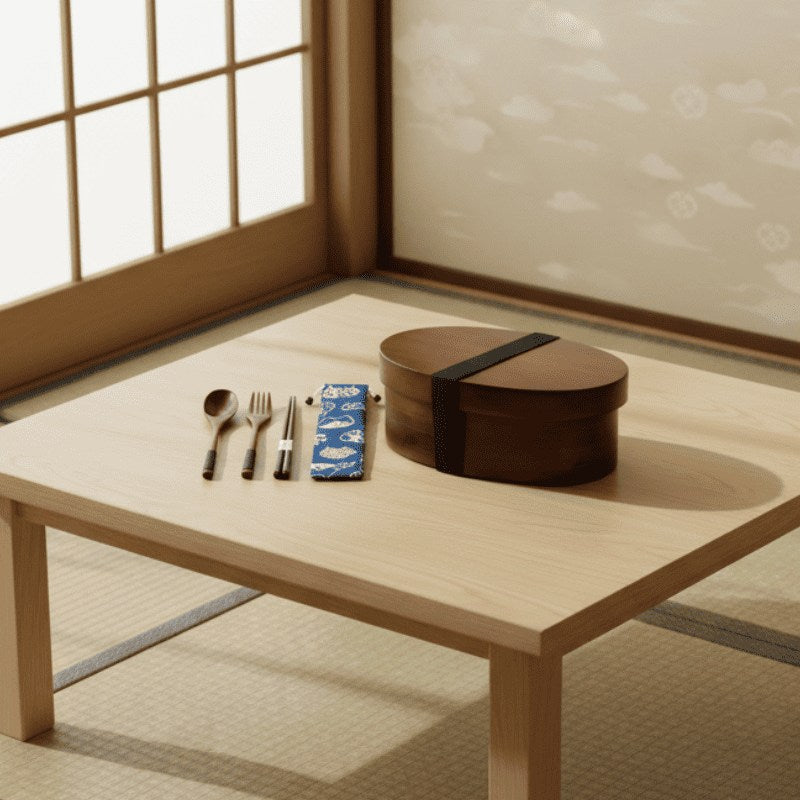
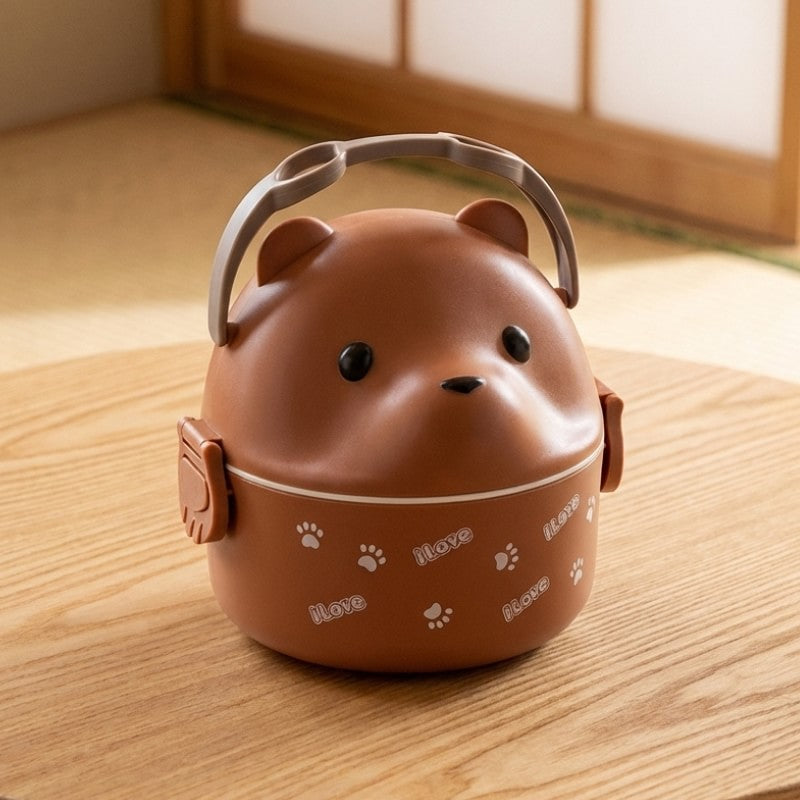
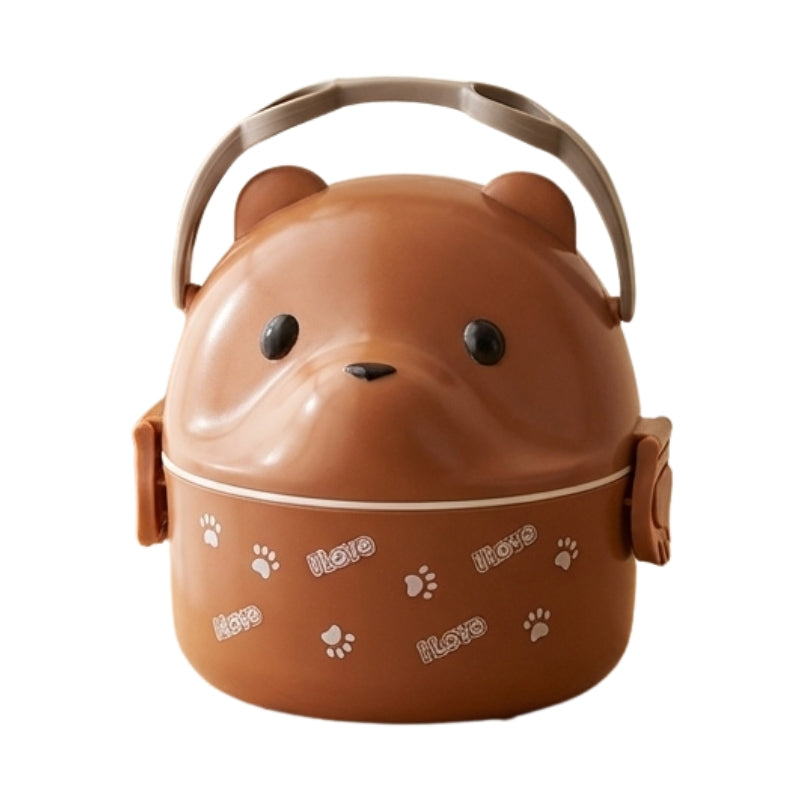
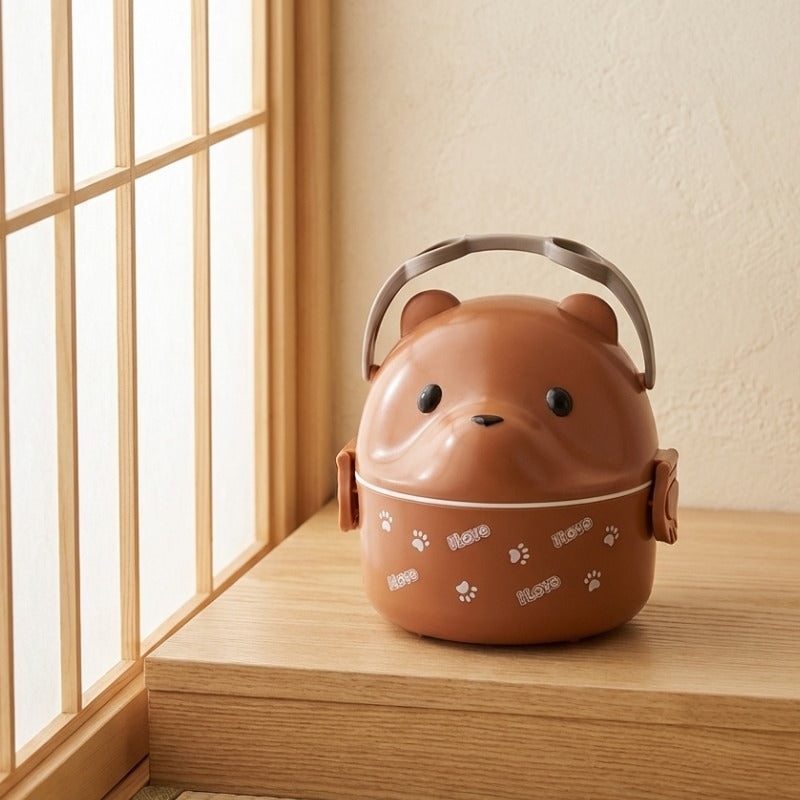
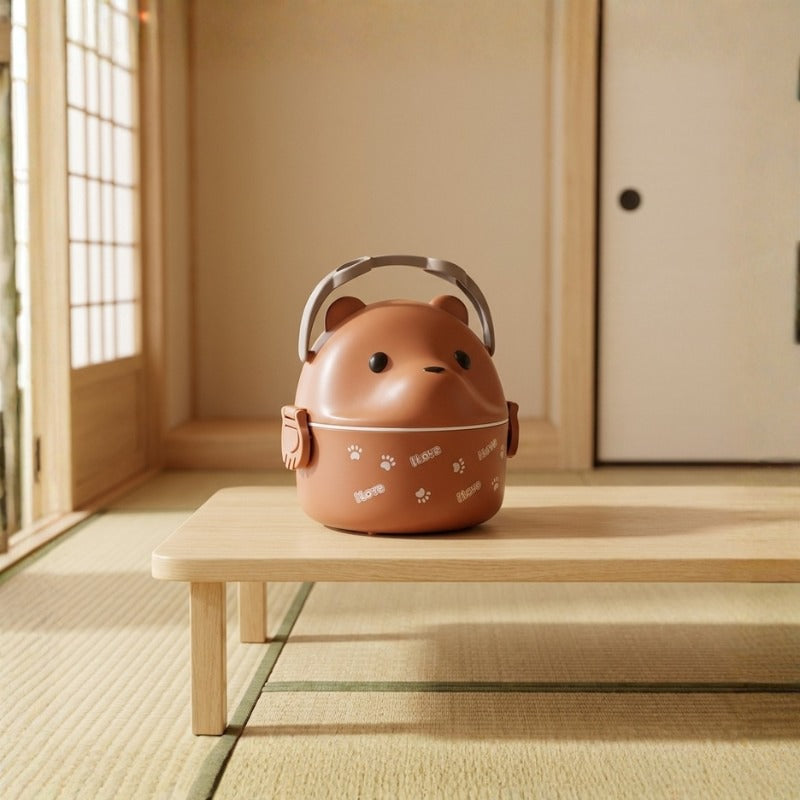
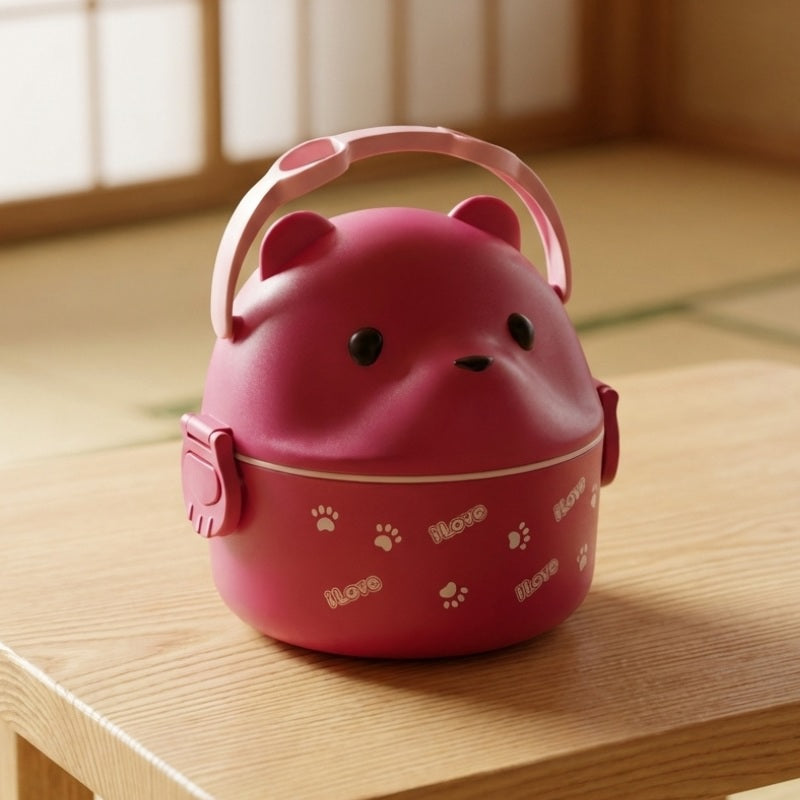
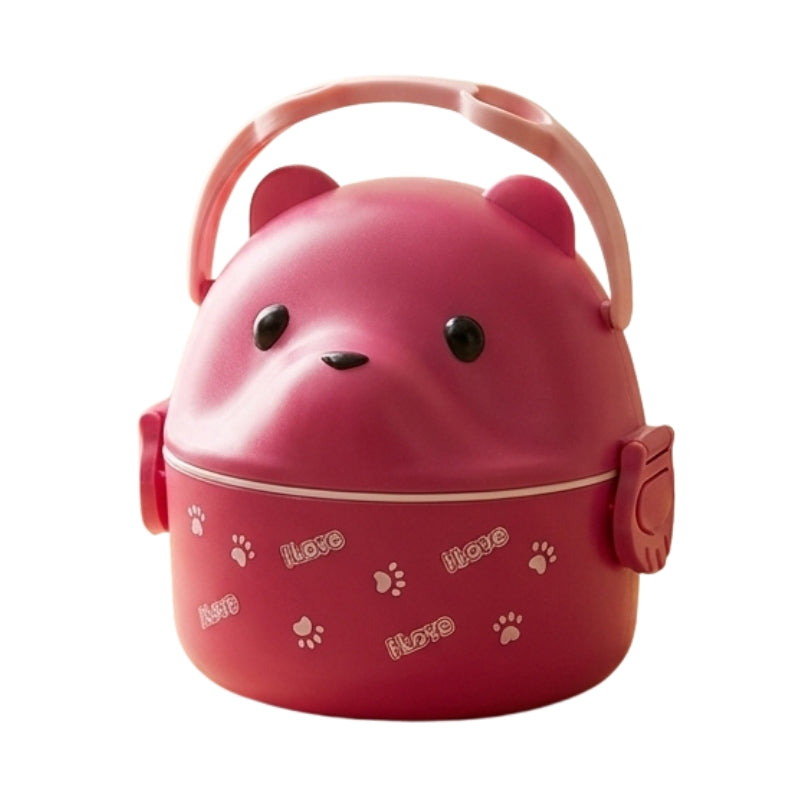


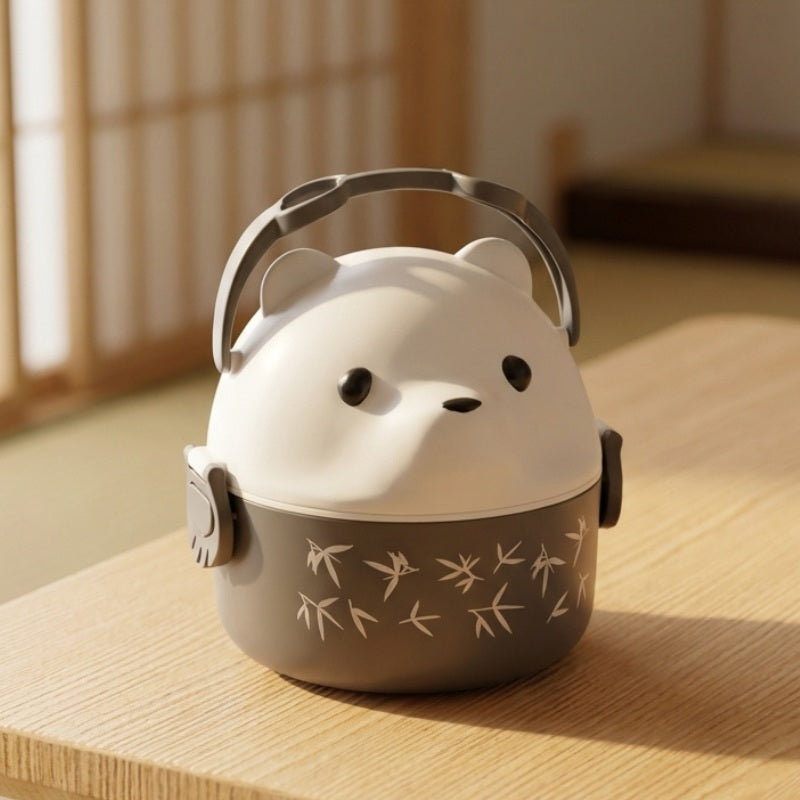
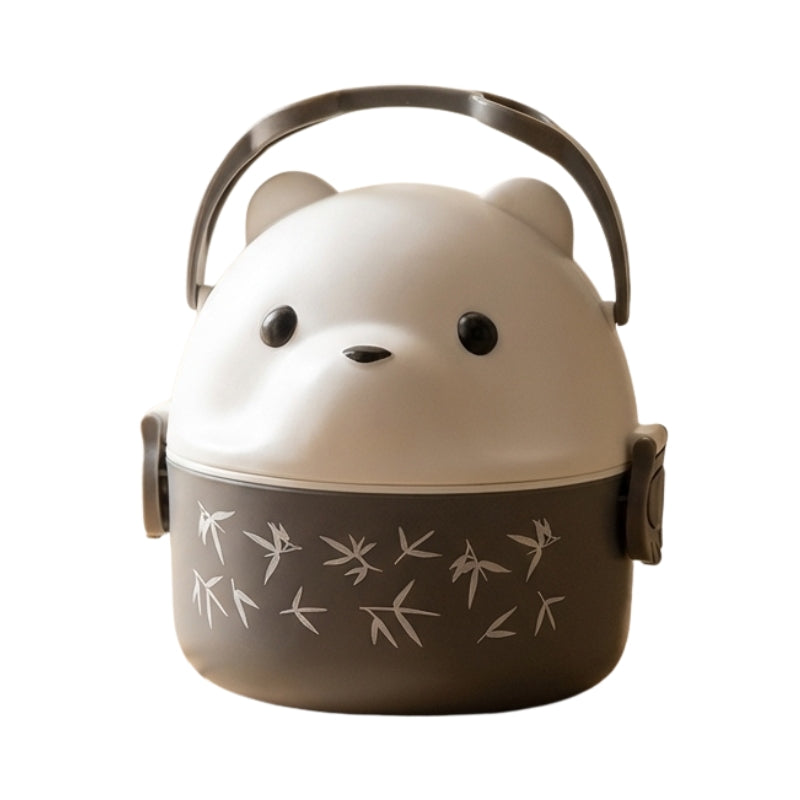


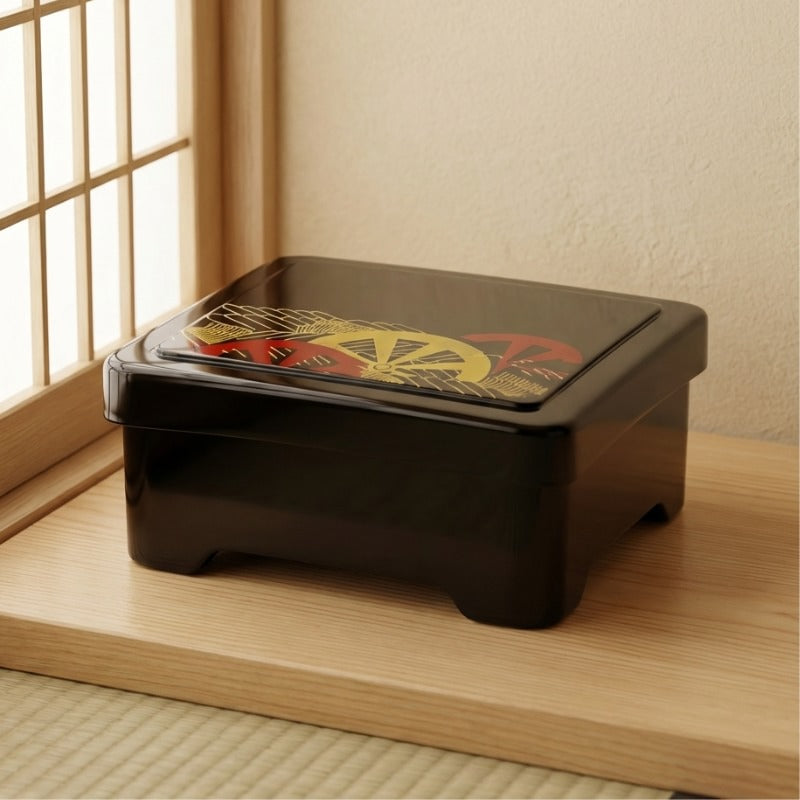
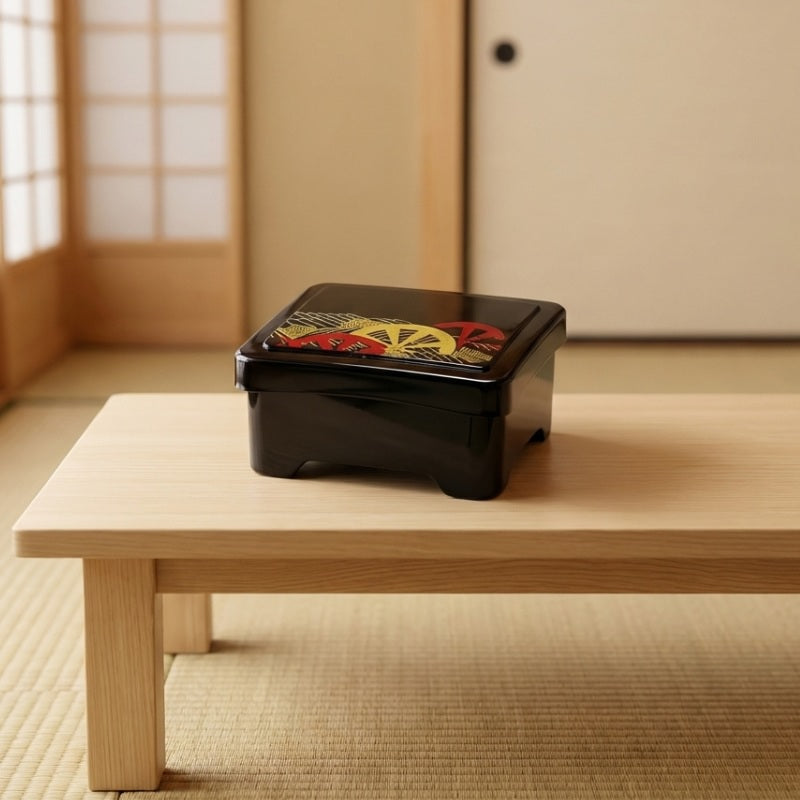
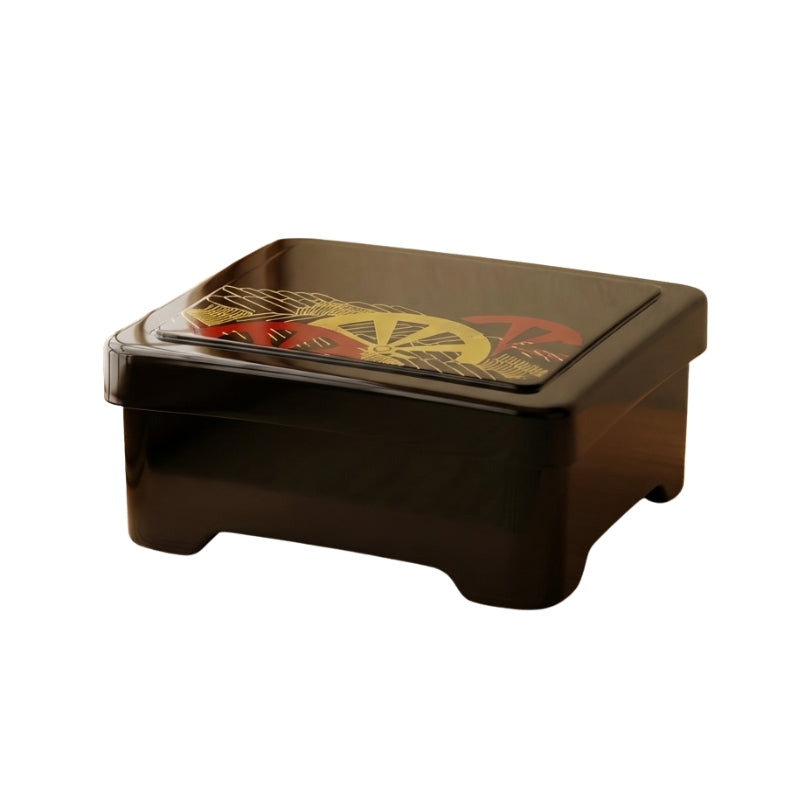
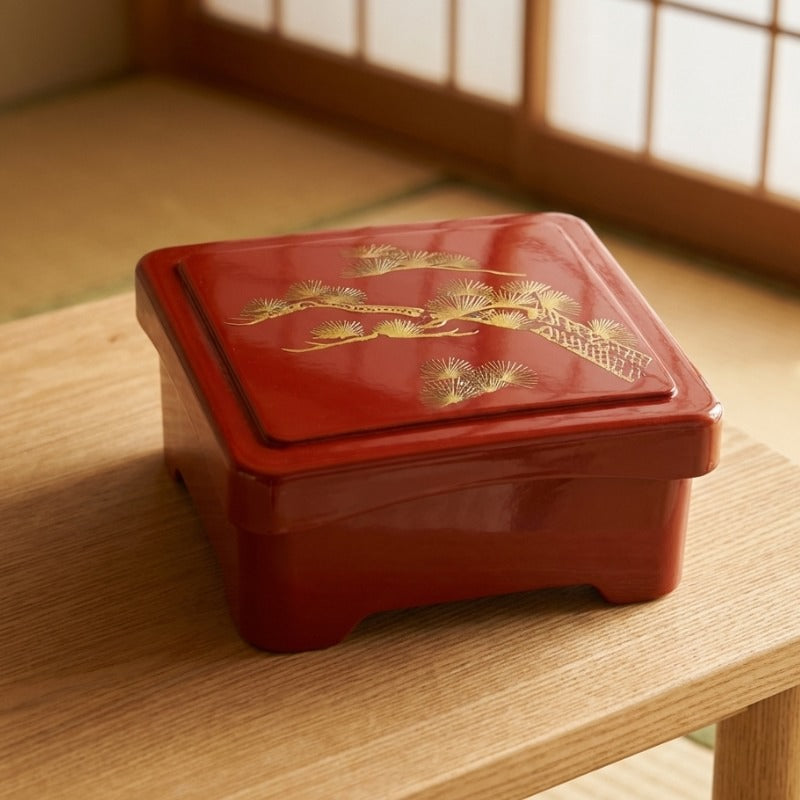
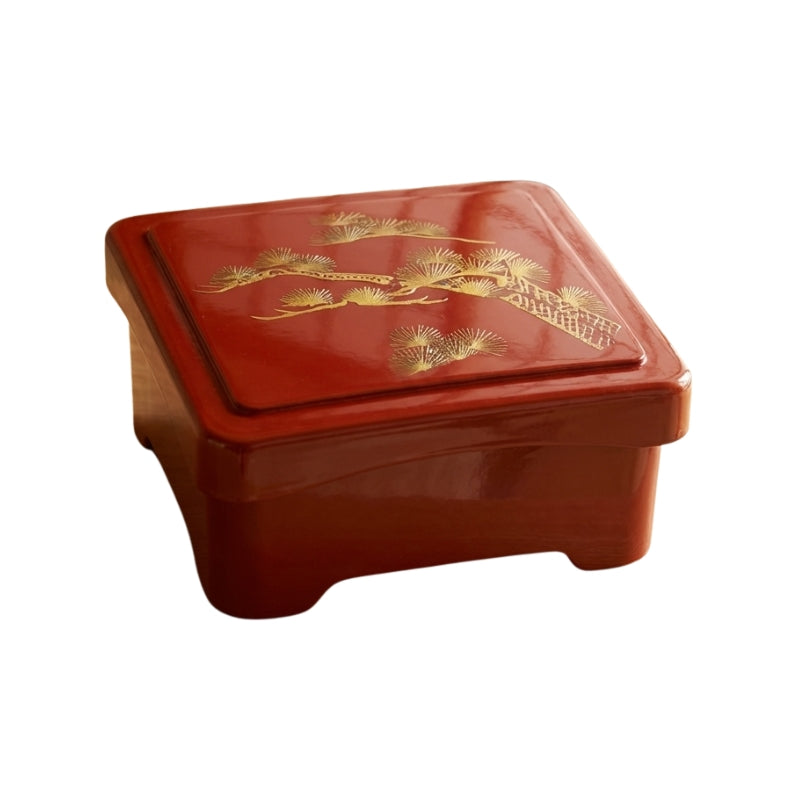
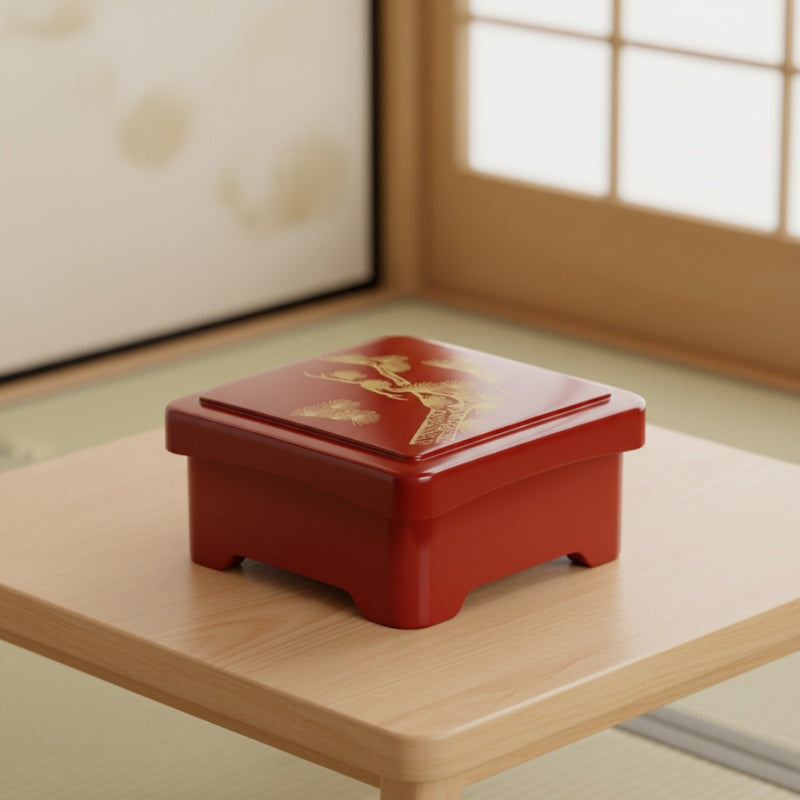

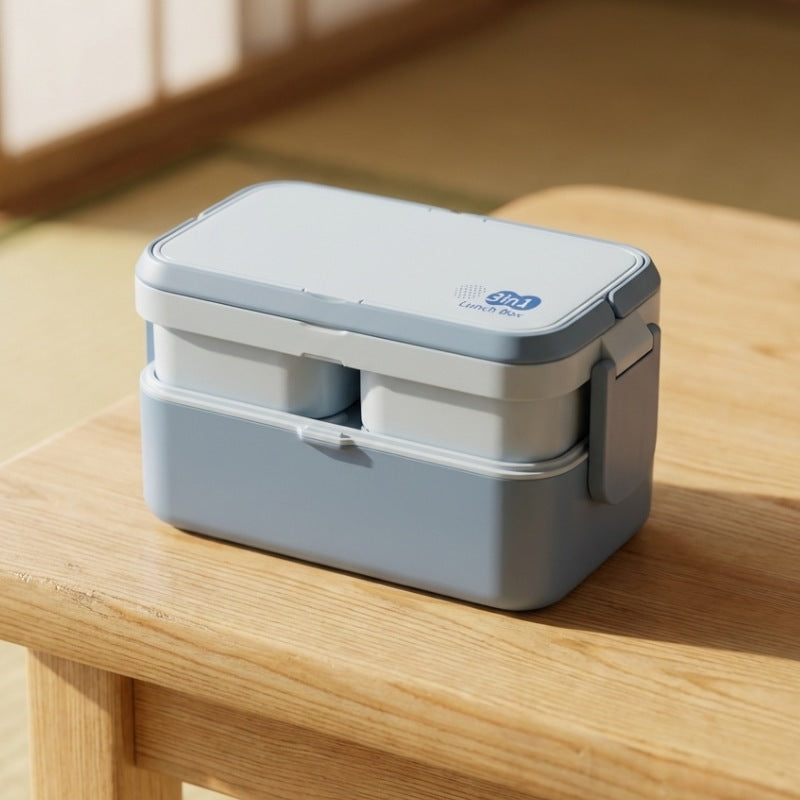
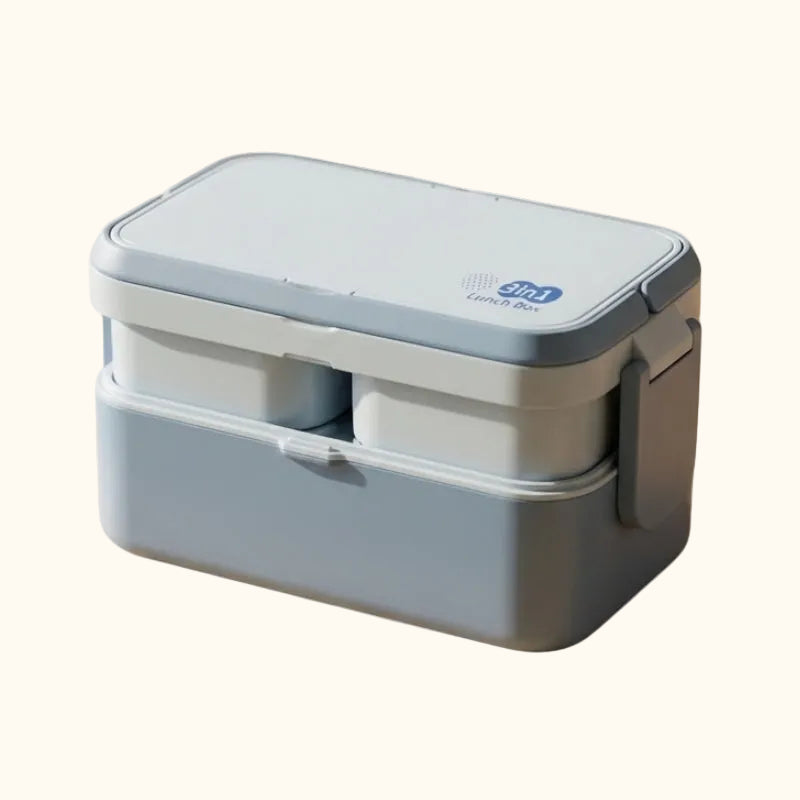
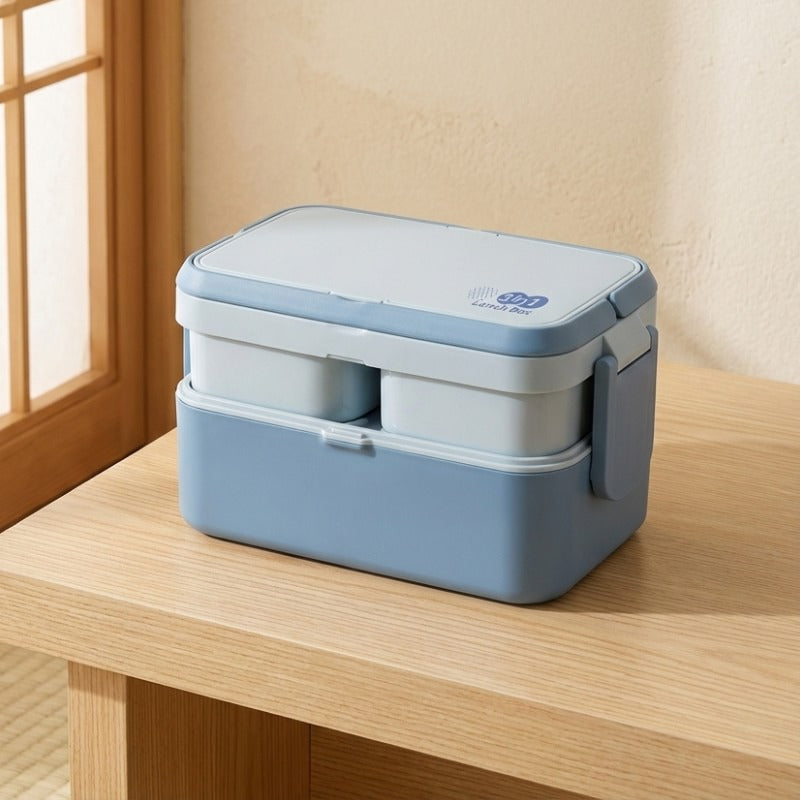
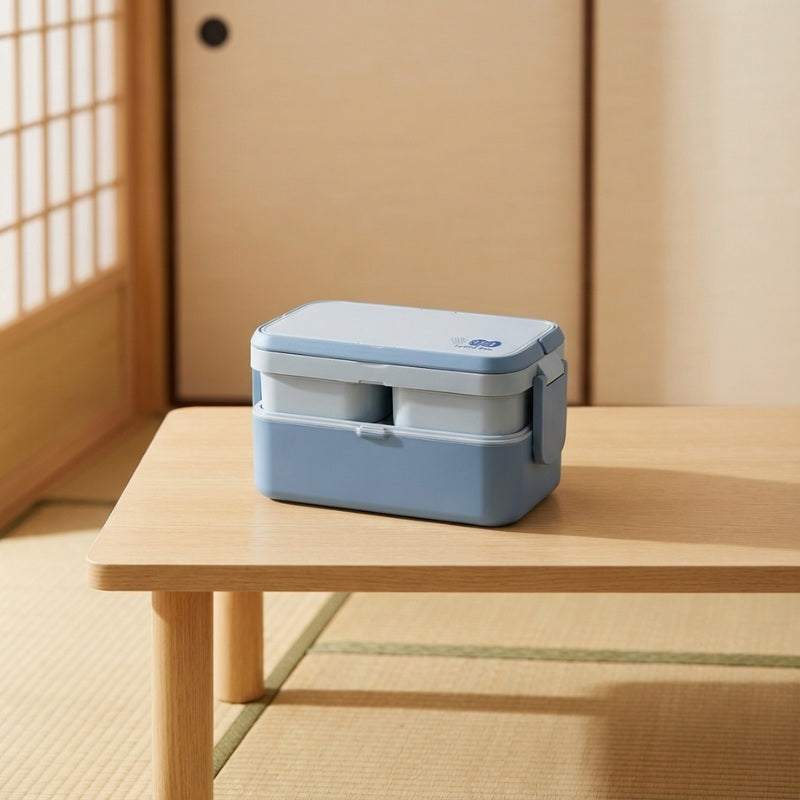
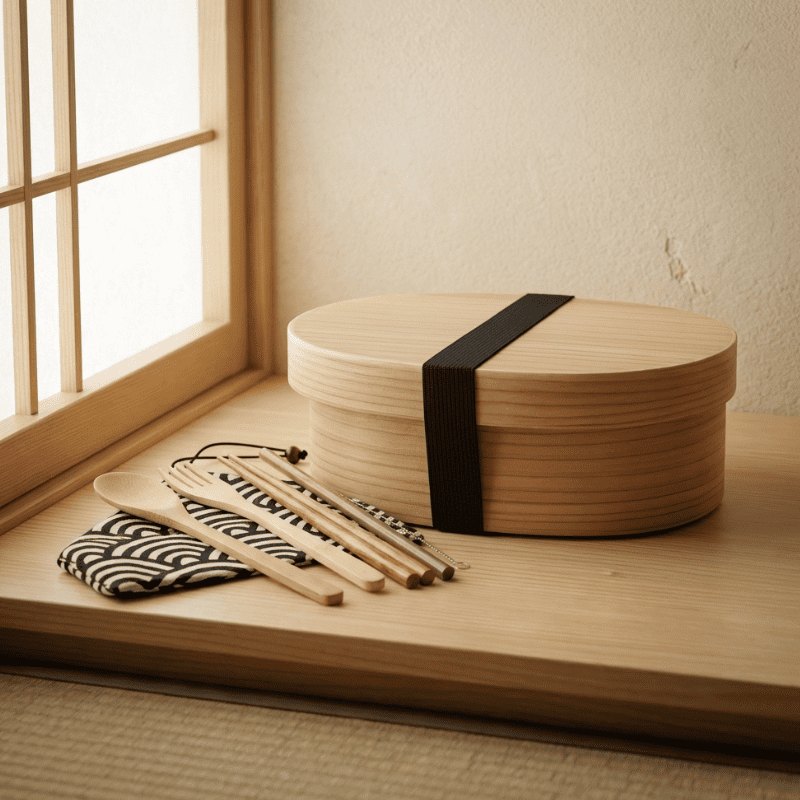
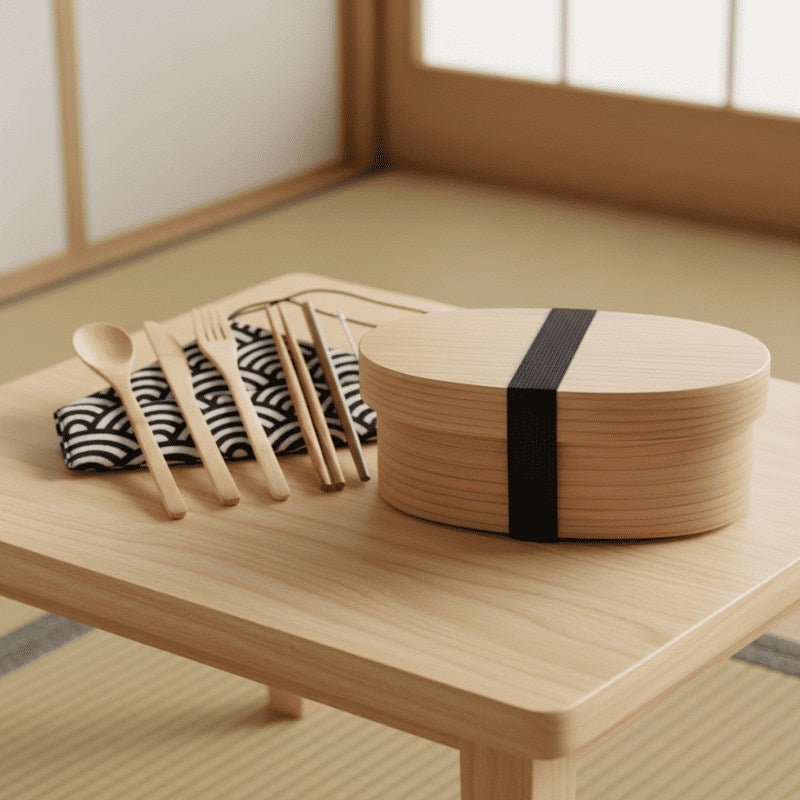
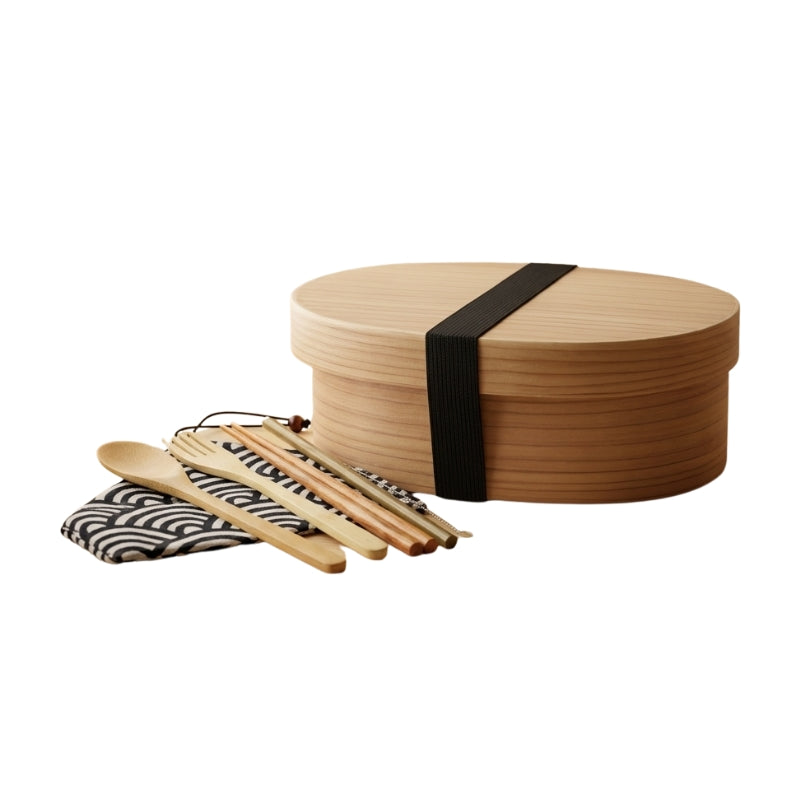
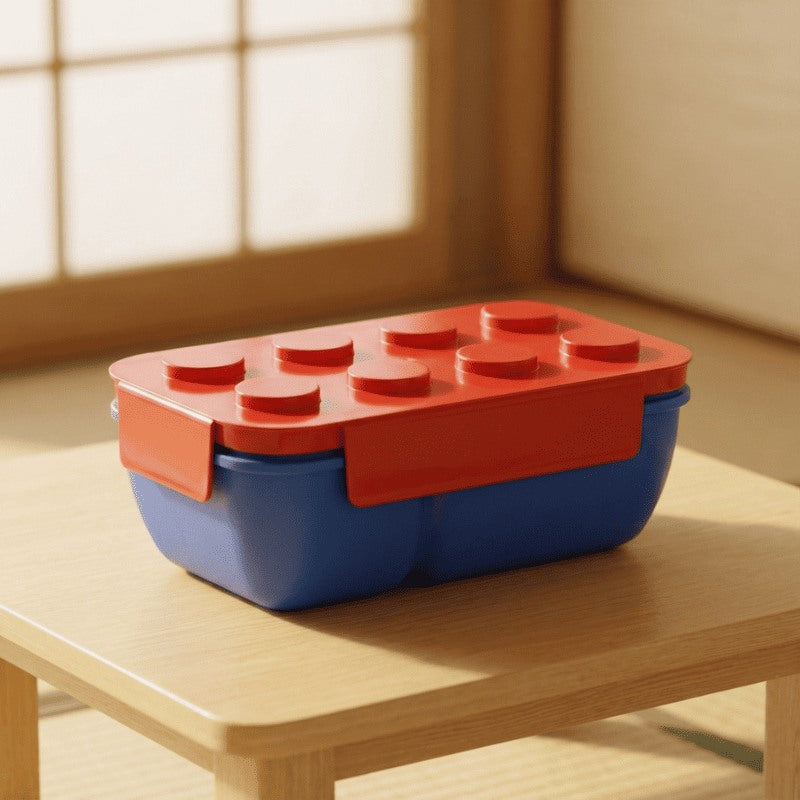

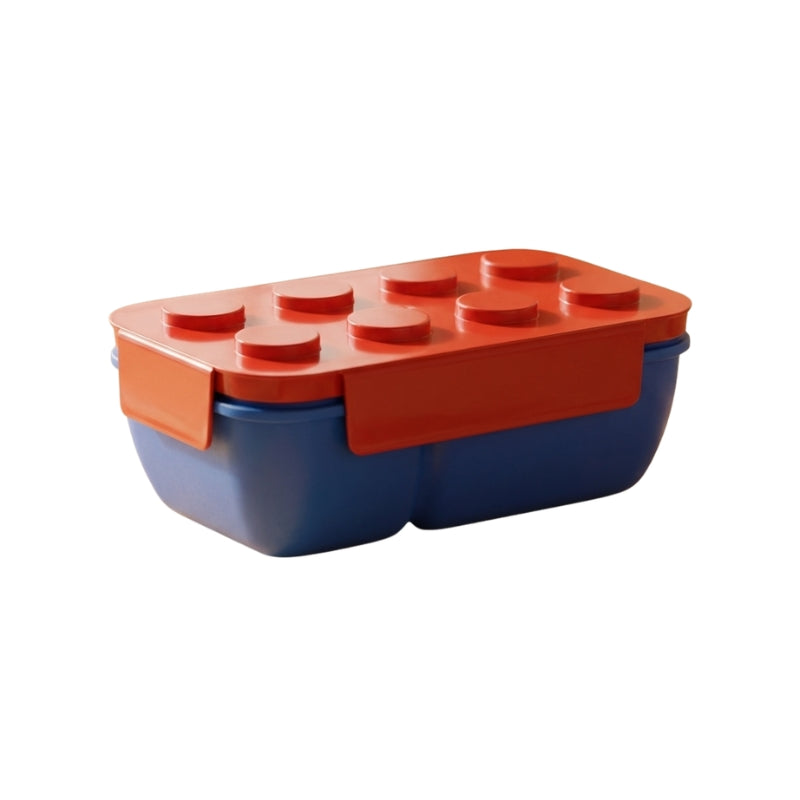
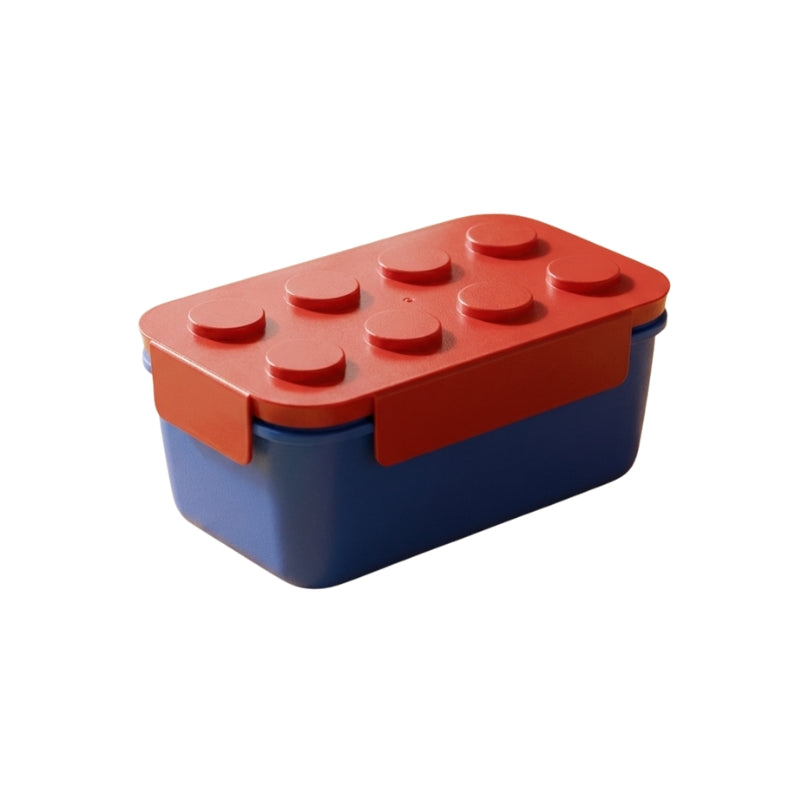
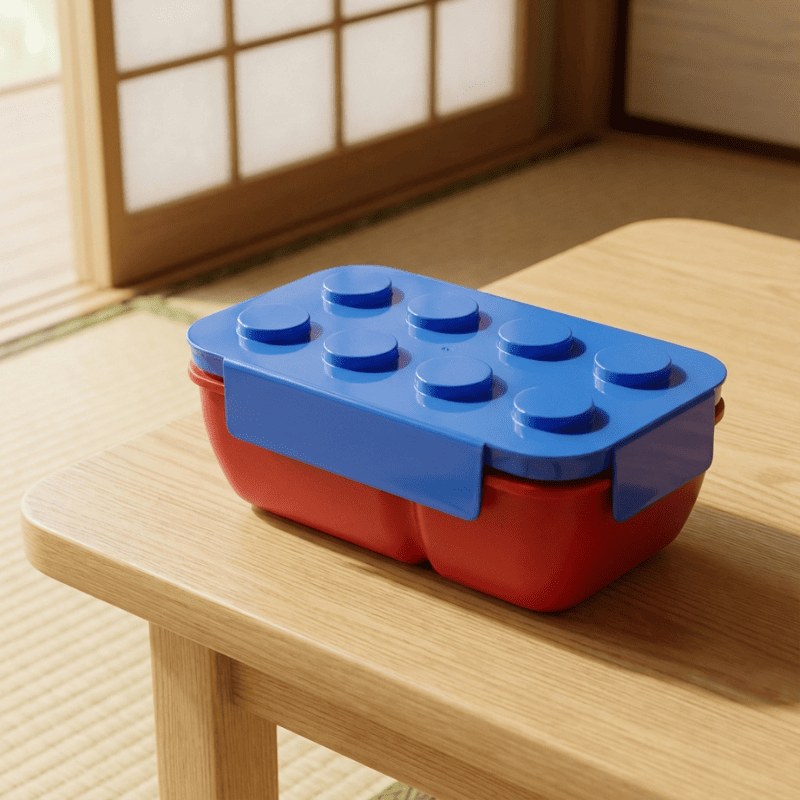
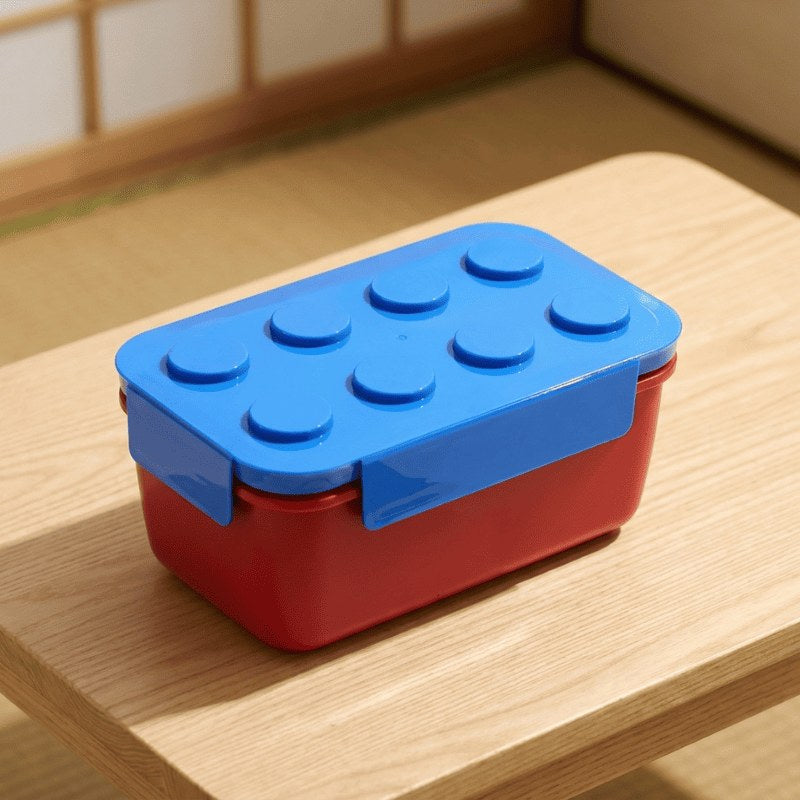
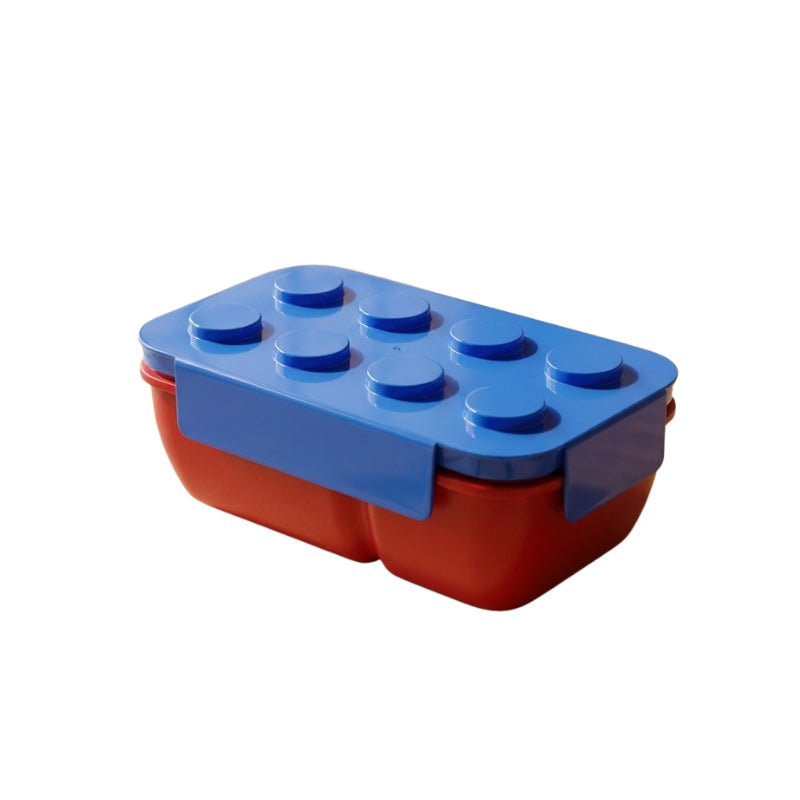
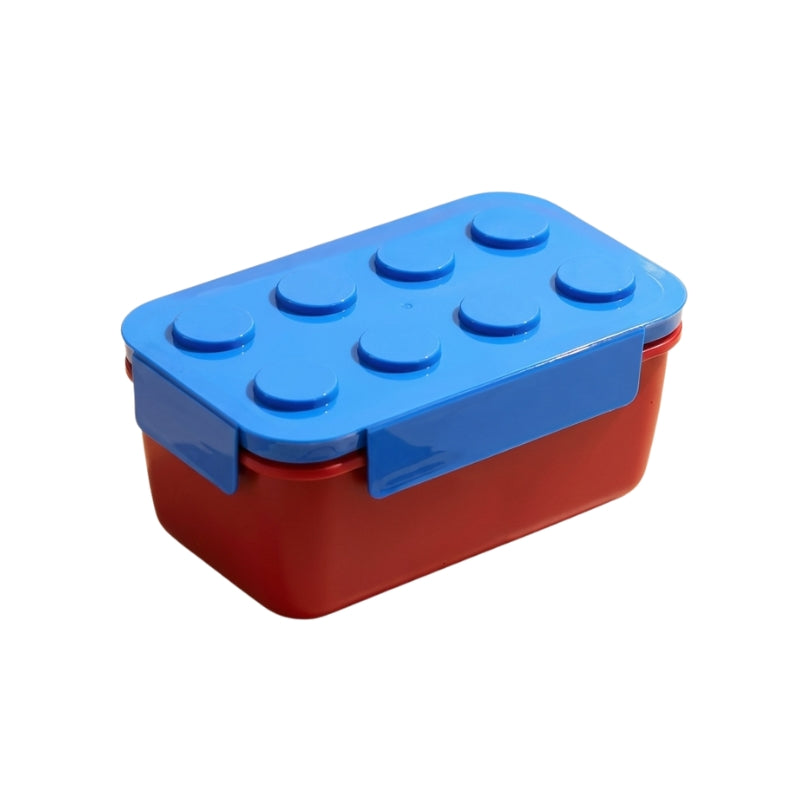
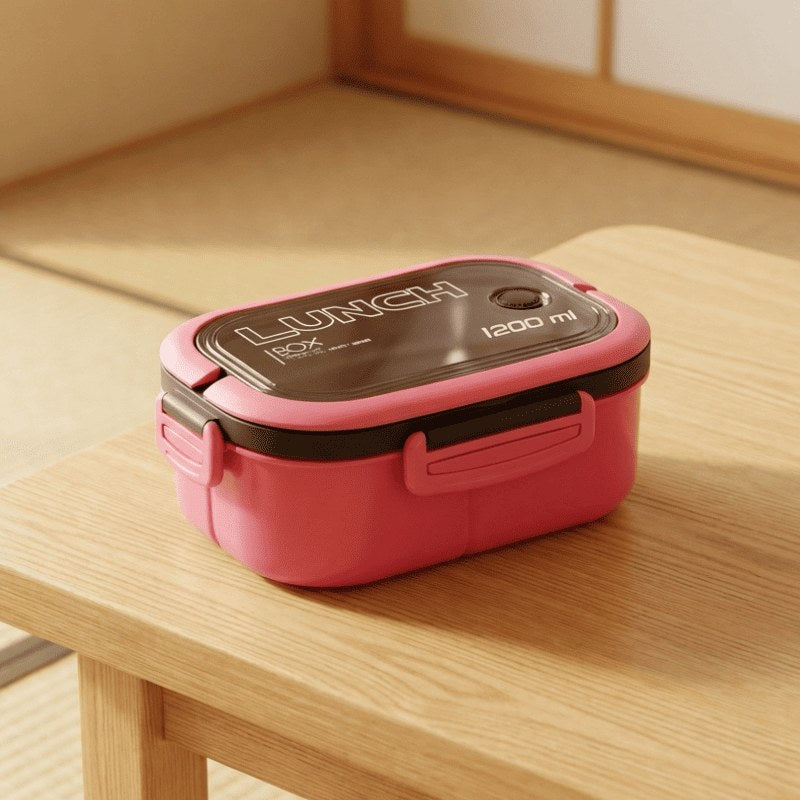
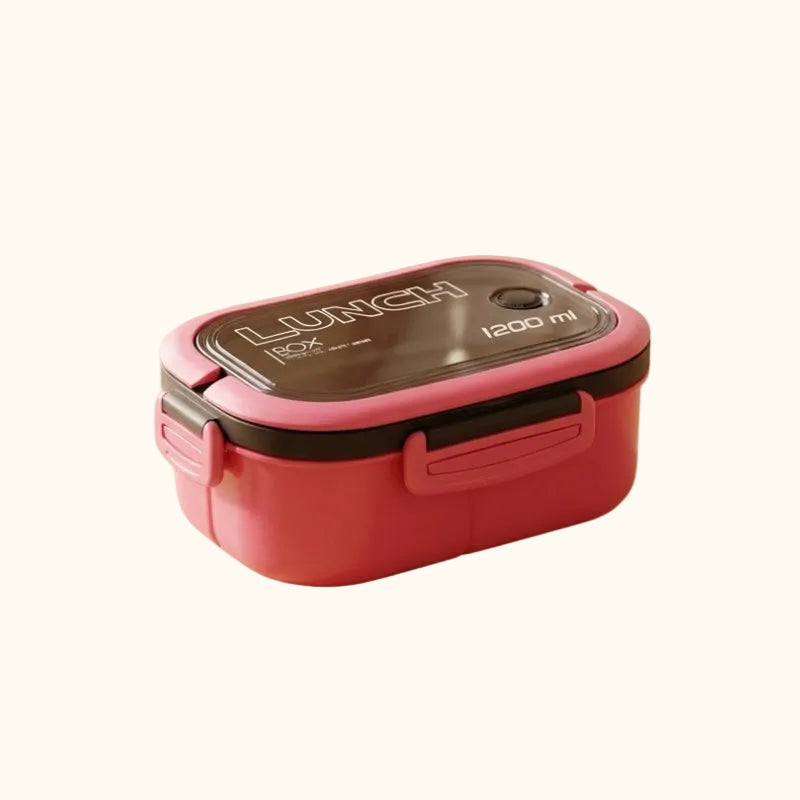
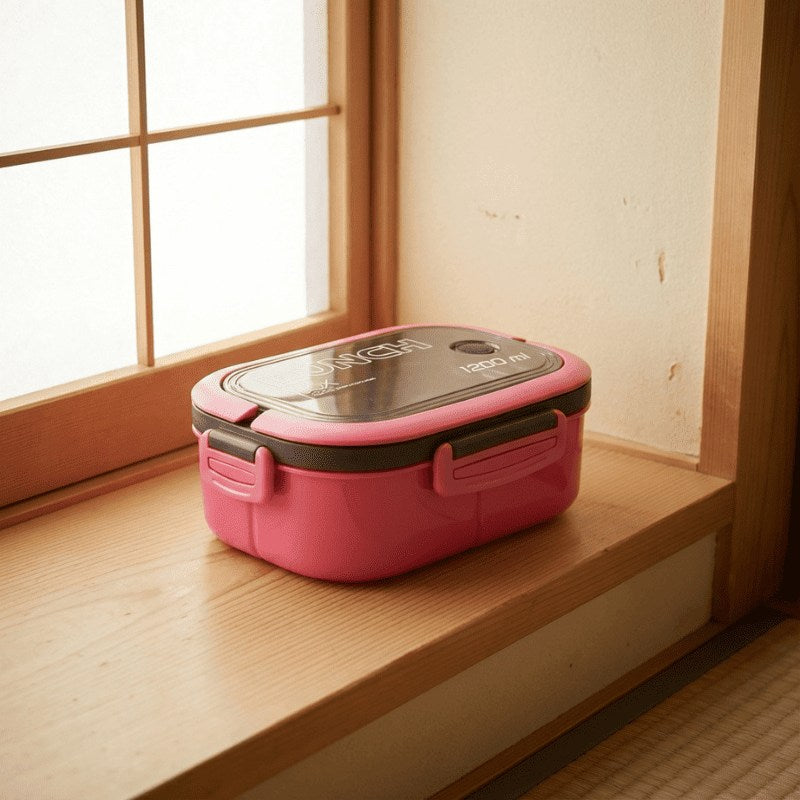
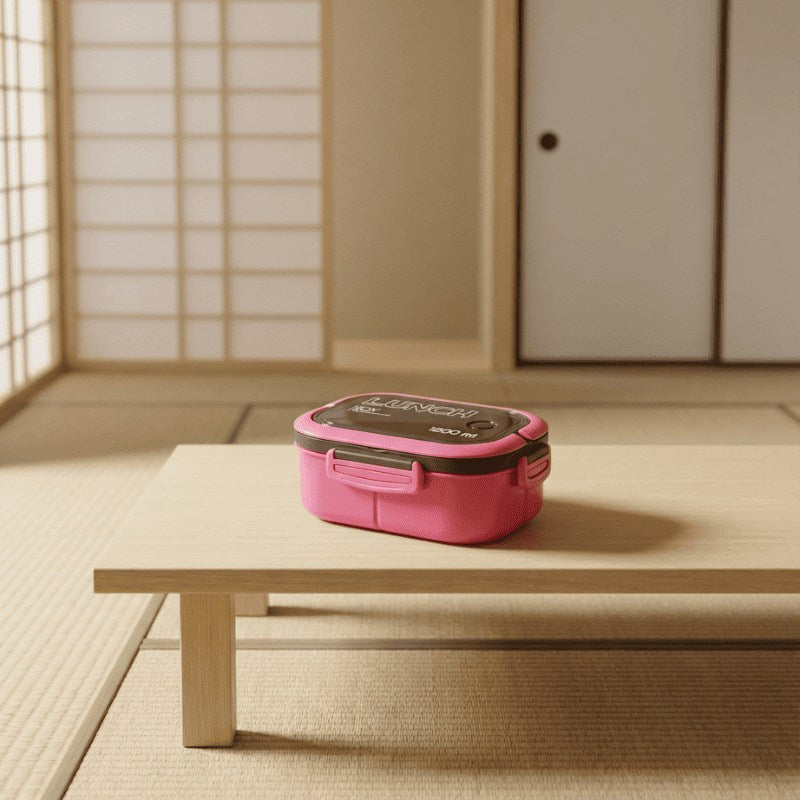
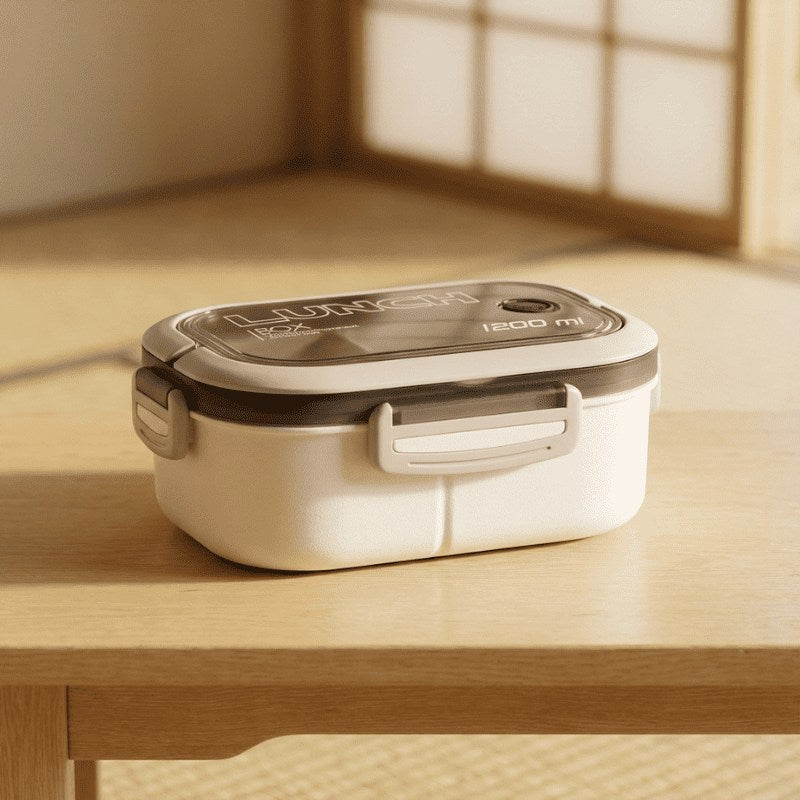
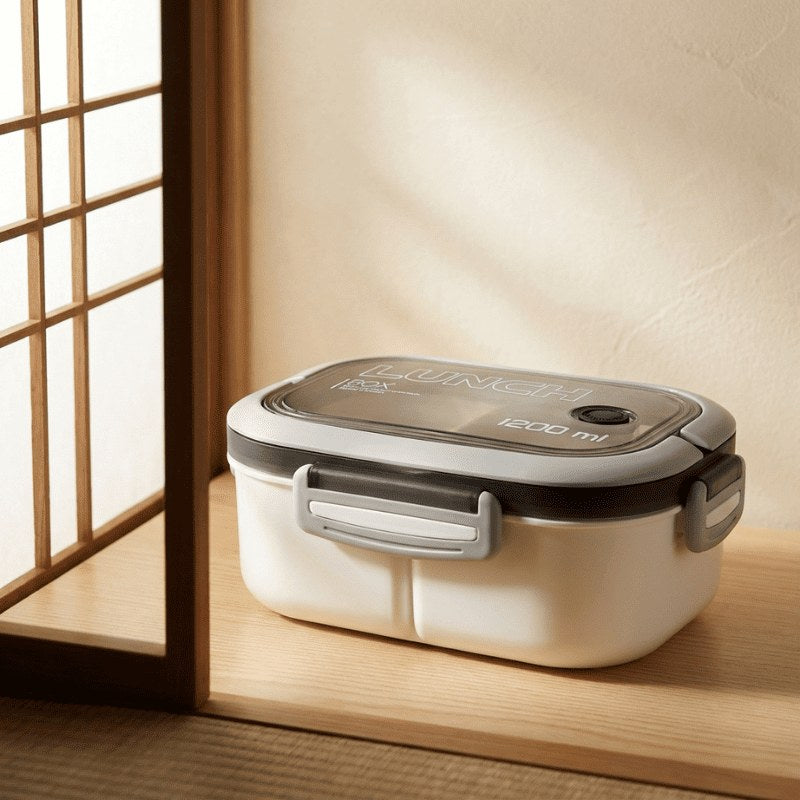
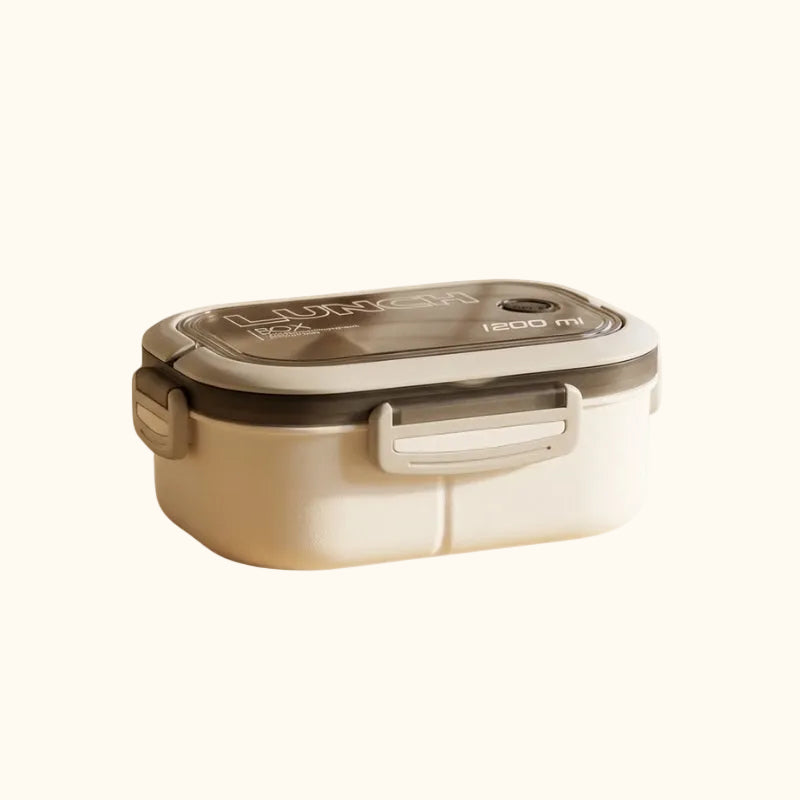
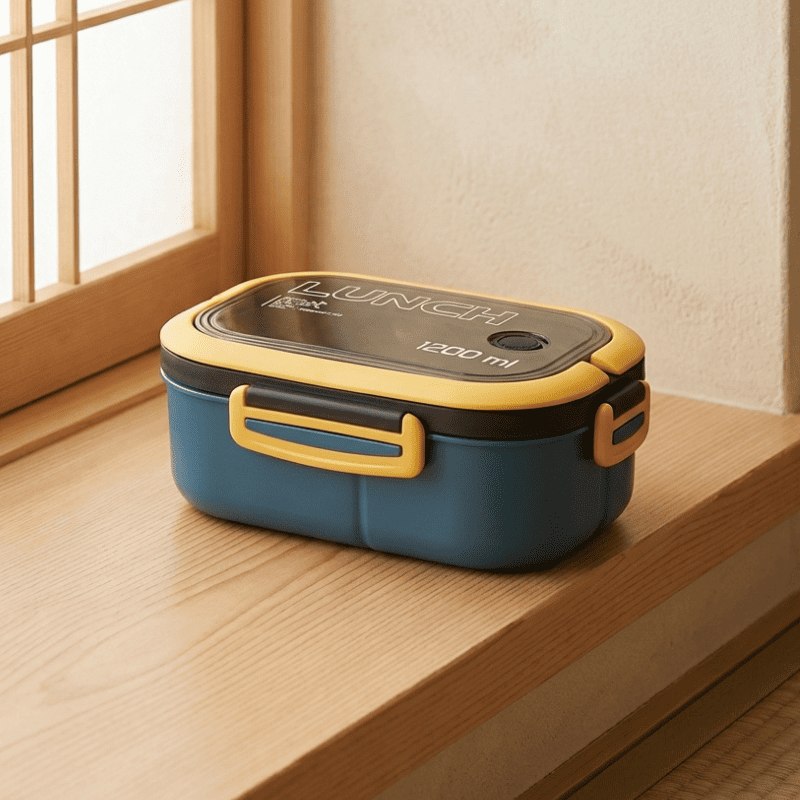
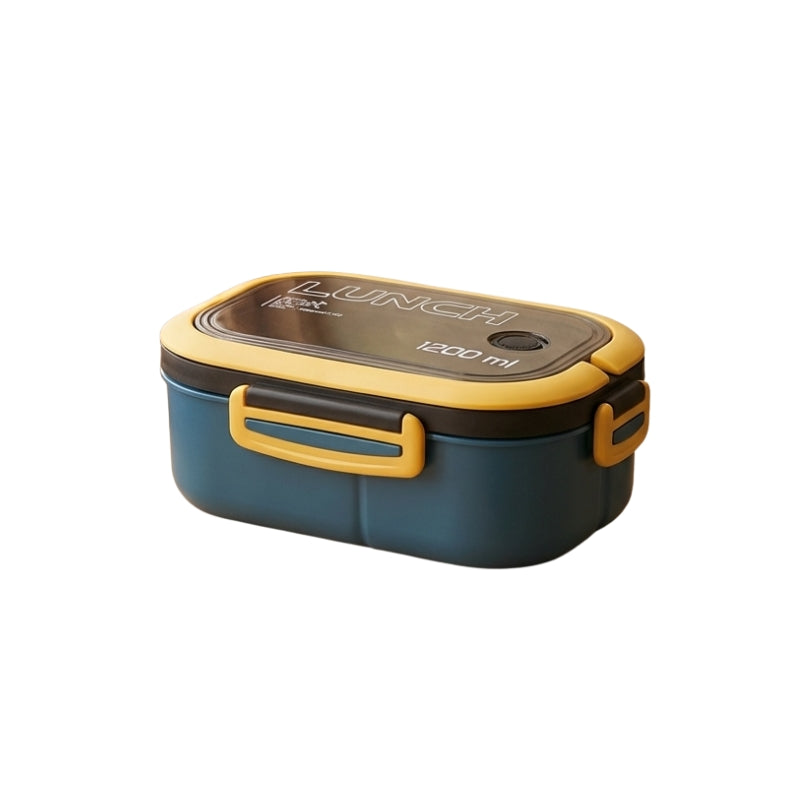
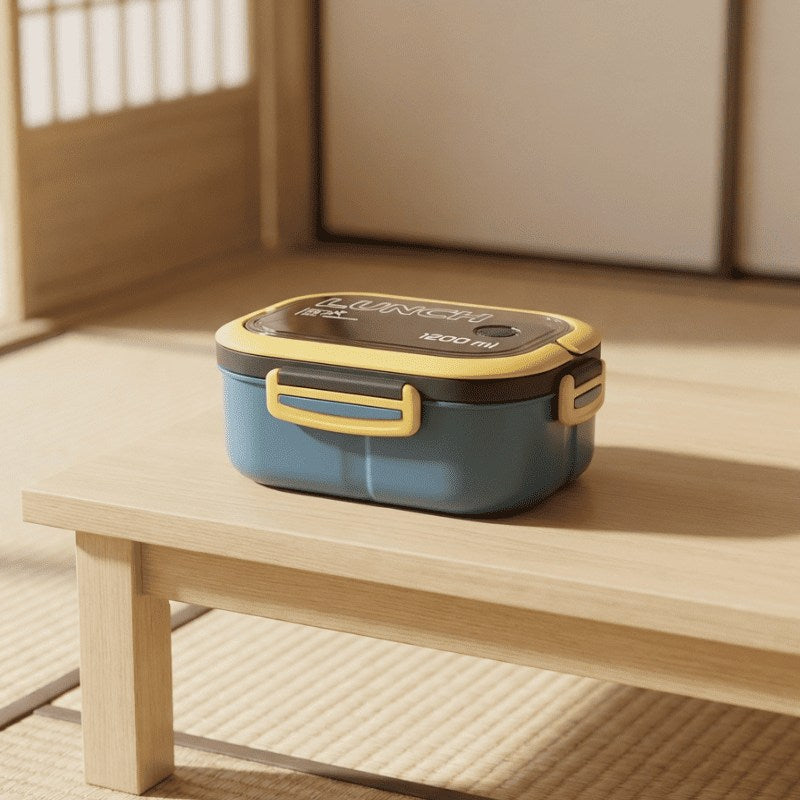
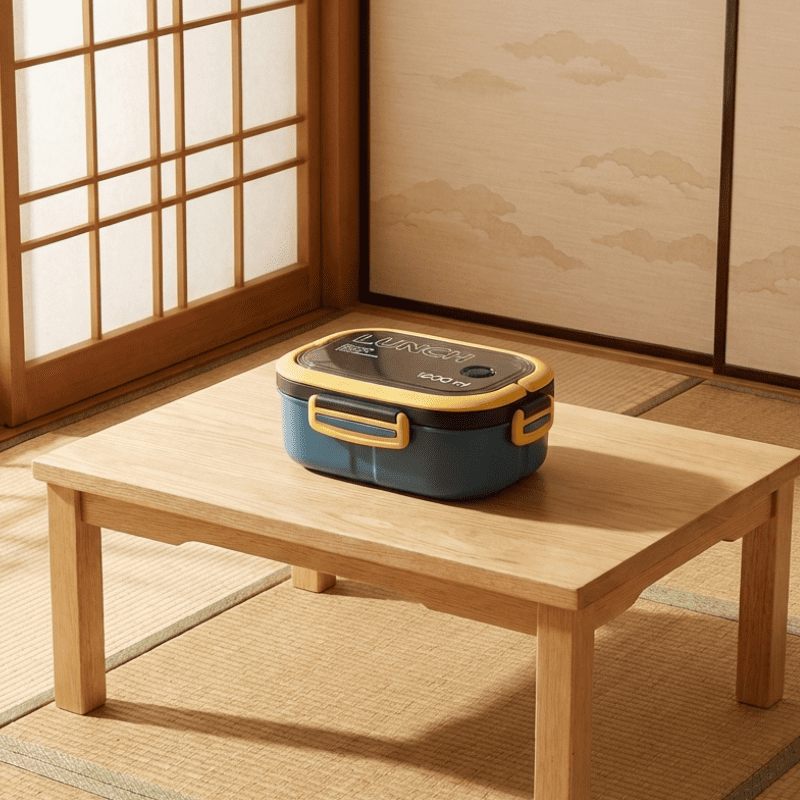
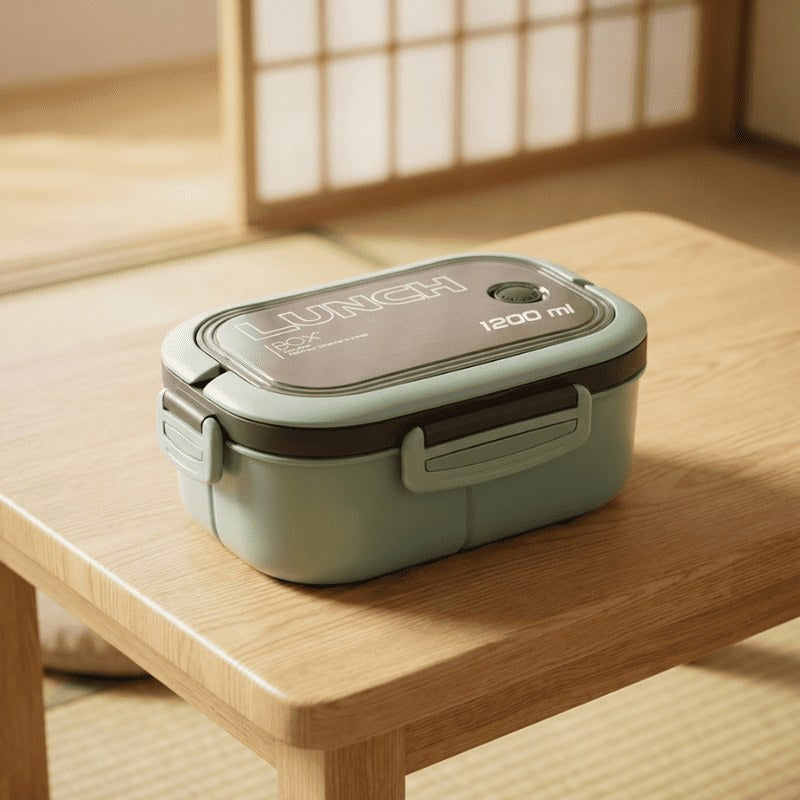
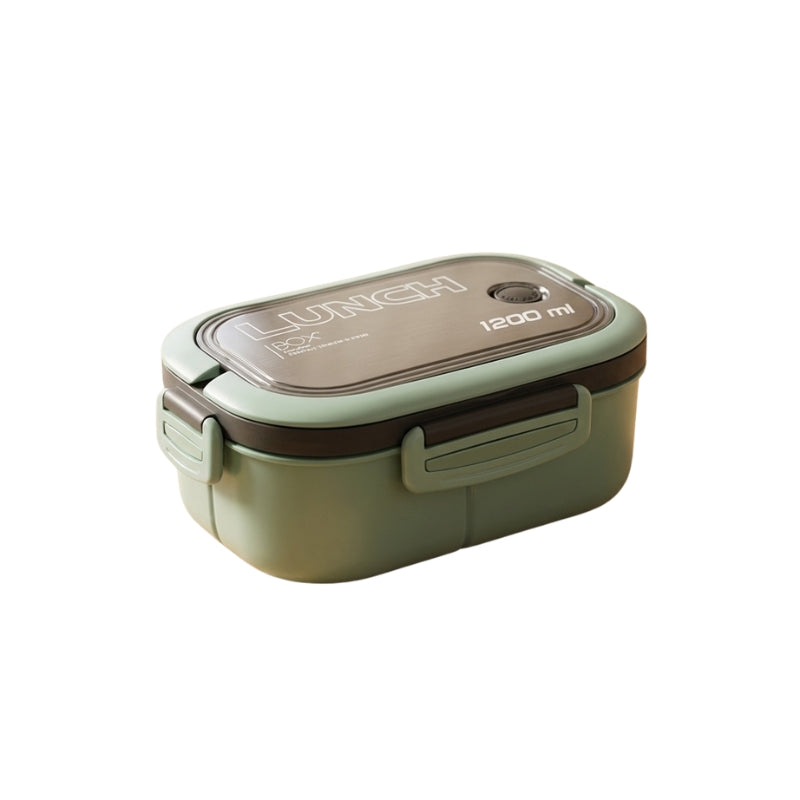
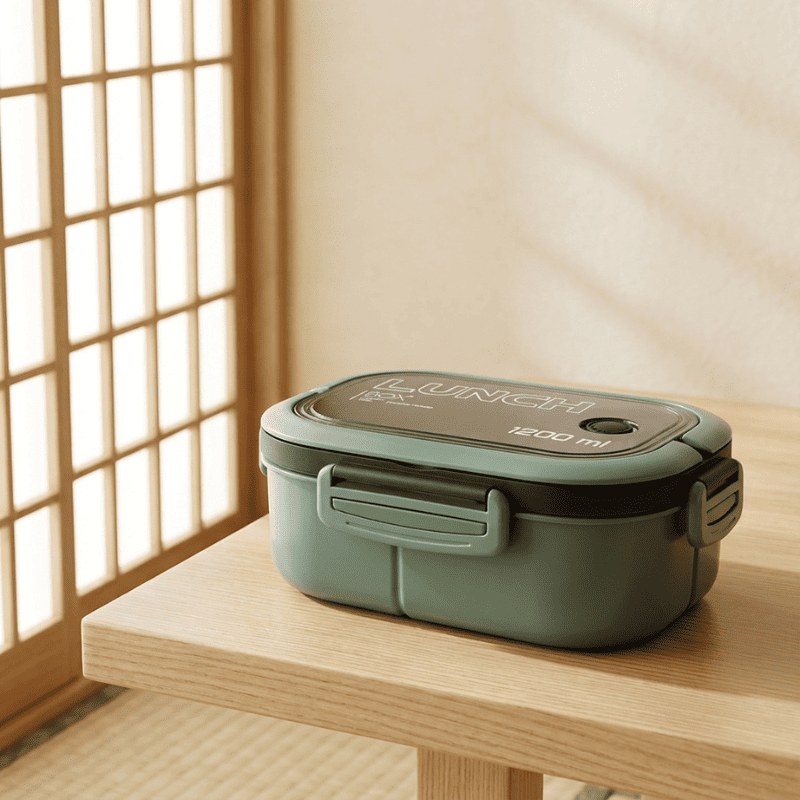
A Japanese bento box turns a packed meal into a small composed plate, with rice, protein and vegetables held in separate compartments. Traditionally called bentō, this format suits office lunches, school days, picnics under the cherry blossoms, and quiet meals at home. It sits naturally alongside the rest of your Japanese Kitchen pieces, from chopsticks to serving bowls.
Read more
Choosing a bento box size and format
Start with the volume you actually eat. A single-tier box keeps one meal in view and travels flat in a bag. A two-tier bento separates rice from the rest, which helps when you want warm and cool foods to stay apart. Smaller boxes suit children, snacks and lighter appetites; deeper boxes suit noodles, donburi-style rice and salads.
Compartments matter as much as capacity. Fixed dividers keep portions steady and make packing quick. Removable trays let you rearrange the layout day to day. If you pack for two people, look for a wide format rather than a tall stack: a flat Japanese lunch box stays level in a tote and keeps the food where you placed it.
Bento box materials: wood, lacquer finish and plastic
Wooden boxes show a visible grain and a warm, matte surface. They read quietly and photograph well, and they are usually best hand-washed and dried upright. Lacquered surfaces give a deeper sheen and a smooth edge. Plastic boxes are light, leak-resistant with a sealed lid, and easier for daily commuting or a school bag. Many modern bento lunch box designs combine a plastic inner tray with an outer shell in a softer material, which balances practicality with a calmer look.
Consider the pattern too. Sakura, waves, cranes and simple lines belong to a long visual language; a plain box in a muted tone will age well and match any table. Cute animal faces and bright colours appeal to children, and they connect to kyaraben, the Japanese habit of arranging food into characters and shapes.
Packing and caring for your Japanese bento
Fill the rice section first, then press the rest against it so nothing shifts in transit. Cool hot food before closing the lid to limit condensation. Silicone cups and small dividers keep sauces contained. Wrapping the closed box in a furoshiki cloth, the square Japanese wrapping textile, keeps the lid secure and gives you a place to set your meal down.
For cleaning, warm water and a soft sponge are enough for most boxes. Avoid soaking wooden pieces and check whether lids and seals are dishwasher safe before running a cycle. Store the box with the lid off so it airs out.
The tradition behind the bento box
Boxed meals have been carried in Japan for centuries, from lacquered field lunches to the station-bought ekiben sold along train lines, each one tied to a region and its ingredients. The idea is restraint: small quantities, clear separation, a balance of colours and textures in one frame. Bring the same logic to your own table. Pair the box with wooden chopsticks, a small cloth and a cup of tea, and the meal becomes a short pause rather than a rushed refuel.
FAQ
What size Japanese bento box should I choose?
Match the capacity to the meal you usually eat. A single-tier box suits a light lunch or a child's portion, while a two-tier format gives you room to keep rice separate from the rest. Check the internal depth if you often pack noodles or salads.
Are wooden bento boxes practical for daily use?
They are, with a little care. Hand-wash them, dry them upright and avoid long soaking or the dishwasher unless the product page states otherwise. Wood suits dry meals better than very saucy ones.
Can a bento box go in the microwave?
It depends on the material and the lid. Many plastic inner trays are microwave safe once the lid is removed, while wooden and lacquered boxes are not. Always check the specification listed on the product page.
Is a bento box a good gift?
Yes, it works well for a new job, a move or a school year. Choose a plain muted design for adults and a patterned or animal design for children. A cloth wrap and a pair of chopsticks complete it.