Read more
Japanese Tableware features and benefits for mindful dining
Start with materials that invite daily use. Clay bodies with visible grain, matte or satin glazes, and clean rims support comfort and control. A cohesive family of japanese ceramic tableware helps the eye rest while hands move with confidence across the table. You gain balance because each surface tells a quiet story of touch, heat, and time rather than demanding attention.
Shape the main setting with scale and clarity. Wide dinner plates anchor the layout, while smaller sides and saucers add rhythm without crowding. When you serve rice, greens, or grilled fish, a measured stack of Japanese plates brings order to the sequence and keeps portions honest. The table reads generous and calm because every form earns its space.
Guide aroma and temperature with glassware that respects the brew or the pour. Tall beakers lift fragrance, and modest tumblers sit low to steady the hand. A restrained lineup of Japanese glasses complements hot tea, cold barley tea, sparkling water, or sake without breaking the palette. You support flavor by choosing shapes that cool or concentrate at the right pace.
Honor the toast and the slow pour with dedicated vessels. Carafes with comfortable necks and cups with smooth lips make the ritual easy to share. A balanced Sake Set turns a simple dinner into a small celebration and pairs well with ceramics in pale celadon, ash white, or iron black. You gain warmth and hospitality without adding visual noise.
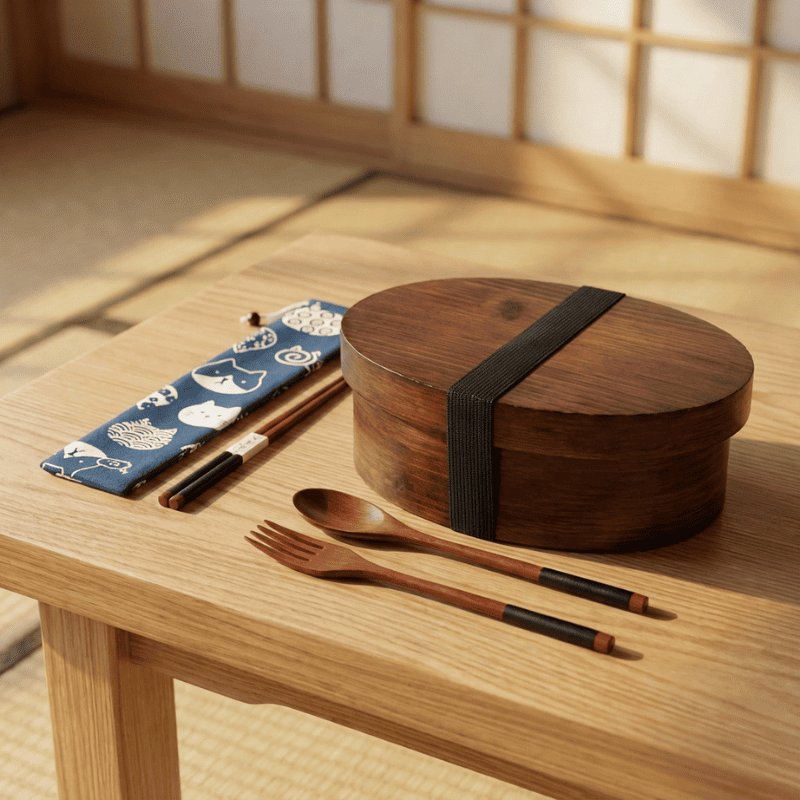
Keep tools precise and elegant. Tapered tips grasp greens and noodles cleanly, while finished handles sit comfortably for long meals. A well made pair of Japanese chopsticks adds control at the plate and harmony to the setting. You reduce spills, keep pacing smooth, and reinforce the overall calm of the table.
Build comfort through touch. Softly rounded rims feel kind at the lip, sanded feet protect wood, and low-sheen surfaces resist glare under evening light. You keep conversation central because the serviceware supports it rather than competing with it. Wabi Sabi values shine through small irregularities and gentle patina that grows honest with time.
Japanese Tableware buying guide for size, shape, and setting
Map real meals before you pick forms. Sketch the dishes you cook often, then match volumes and heights so plating stays easy. Start with a core Japanese tableware set that covers rice, soup, mains, and sides, then add specialty pieces only when they solve a specific need. You invest once, reduce clutter, and keep storage calm.
Choose the right bowl for the job. Rice bowls feel best when the rim meets the lip softly and the base lifts heat from the table. Deeper profiles serve noodles and broth, while shallow forms flatter salads or grains. When you assemble a mixed setting, let one Japanese bowl act as the anchor so the rest of the group can echo its tone and curve without copying it.
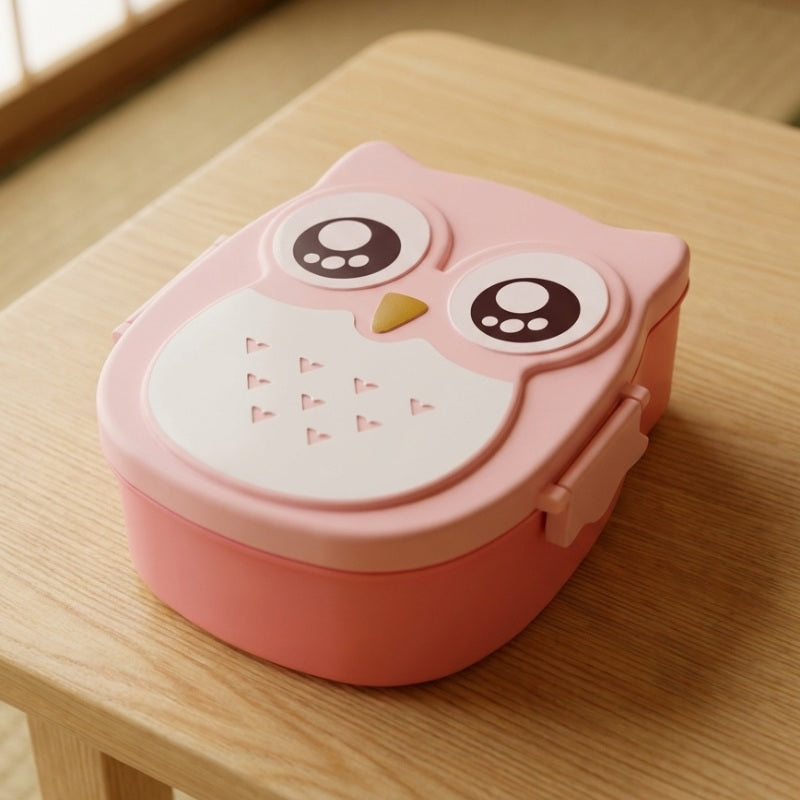
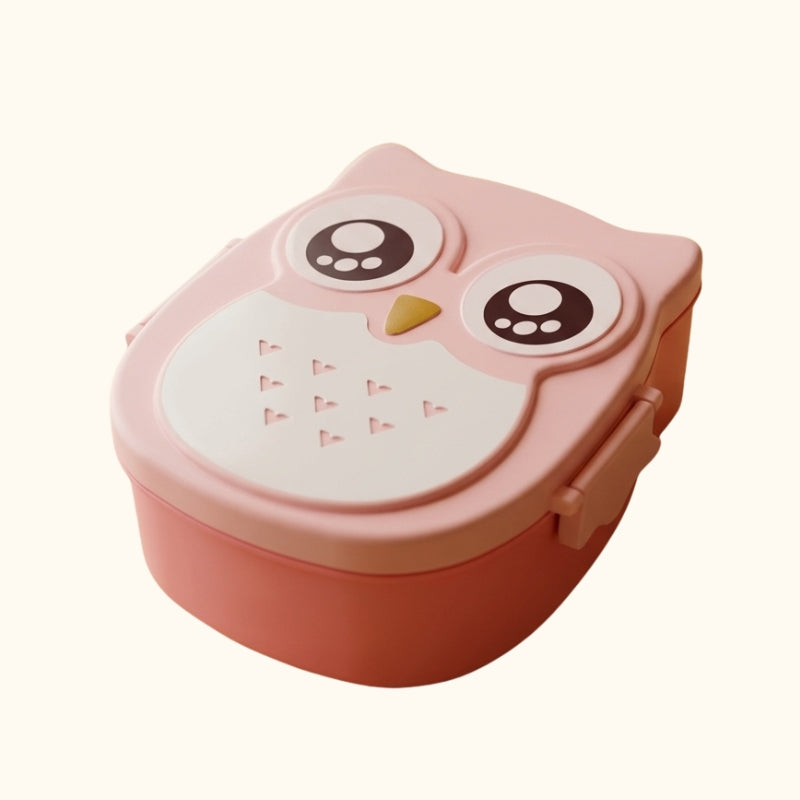
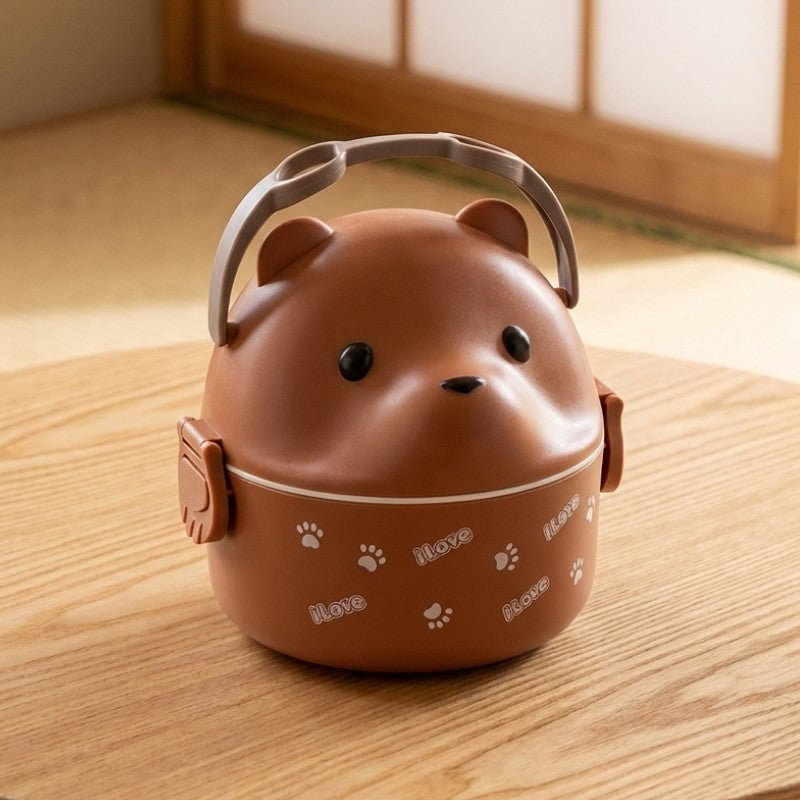
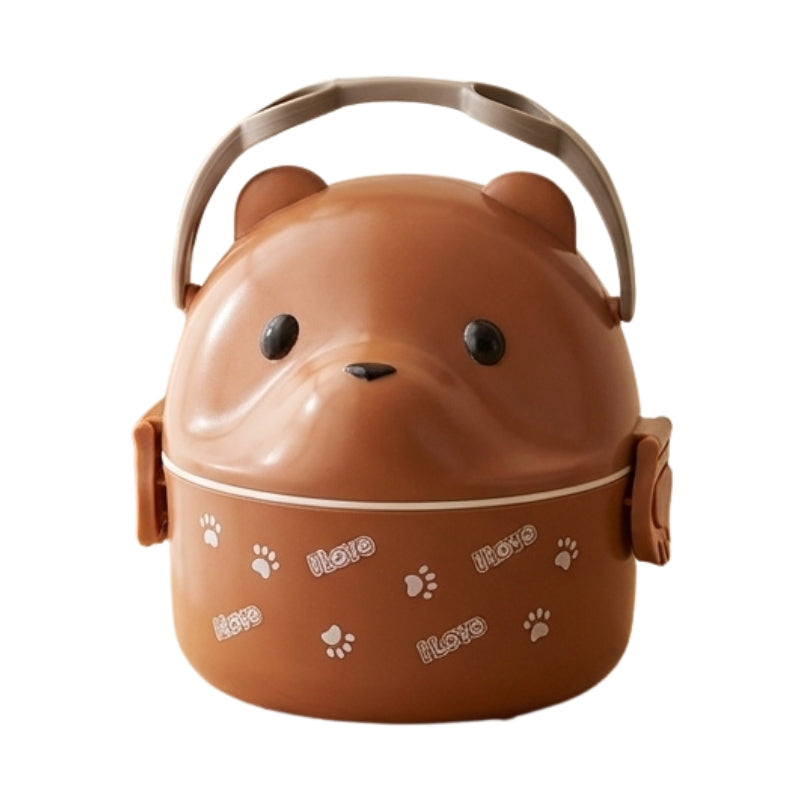
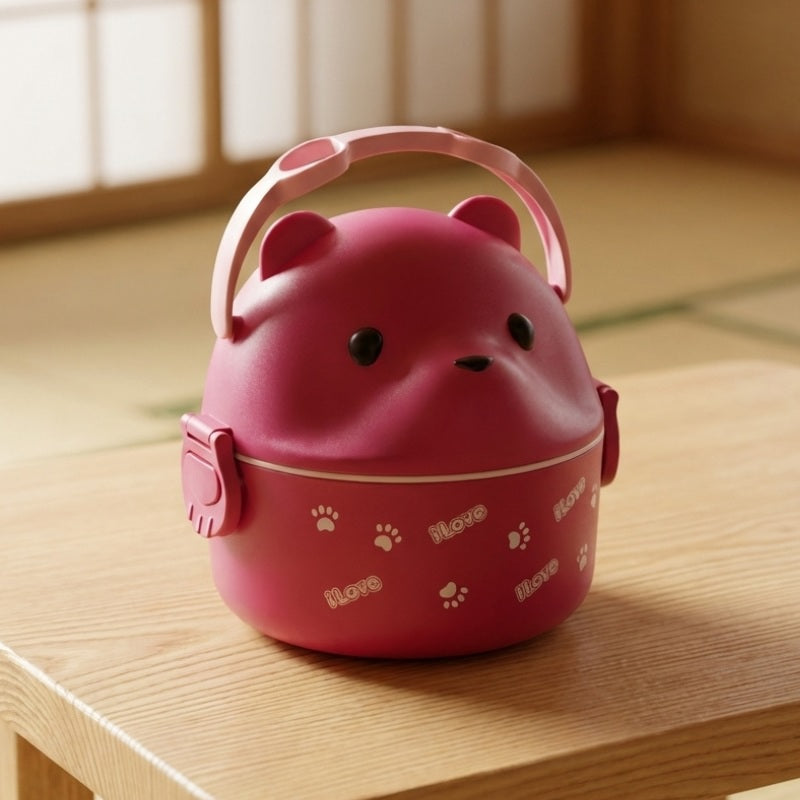
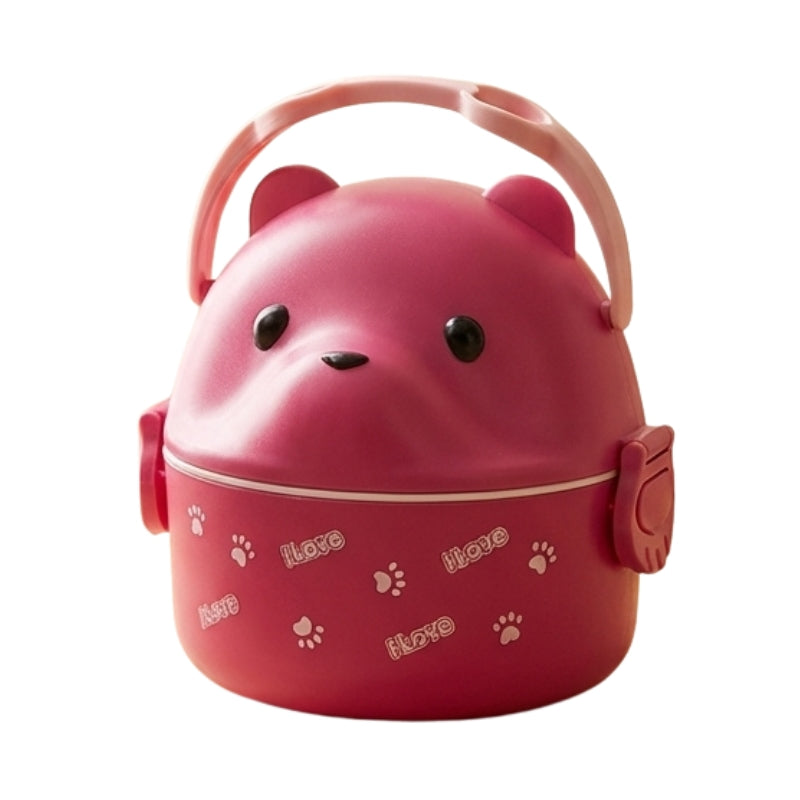
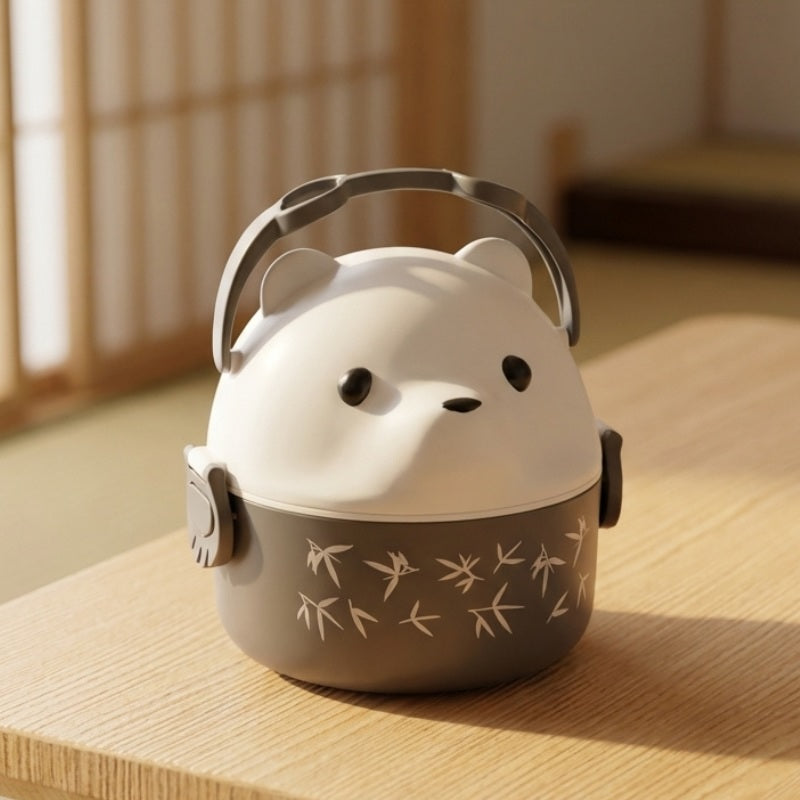
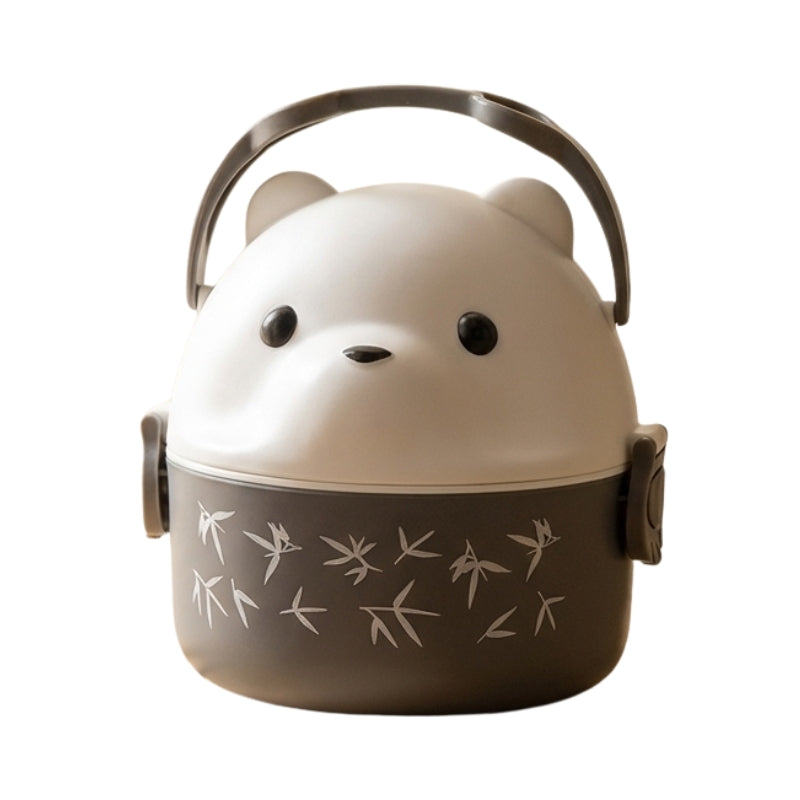
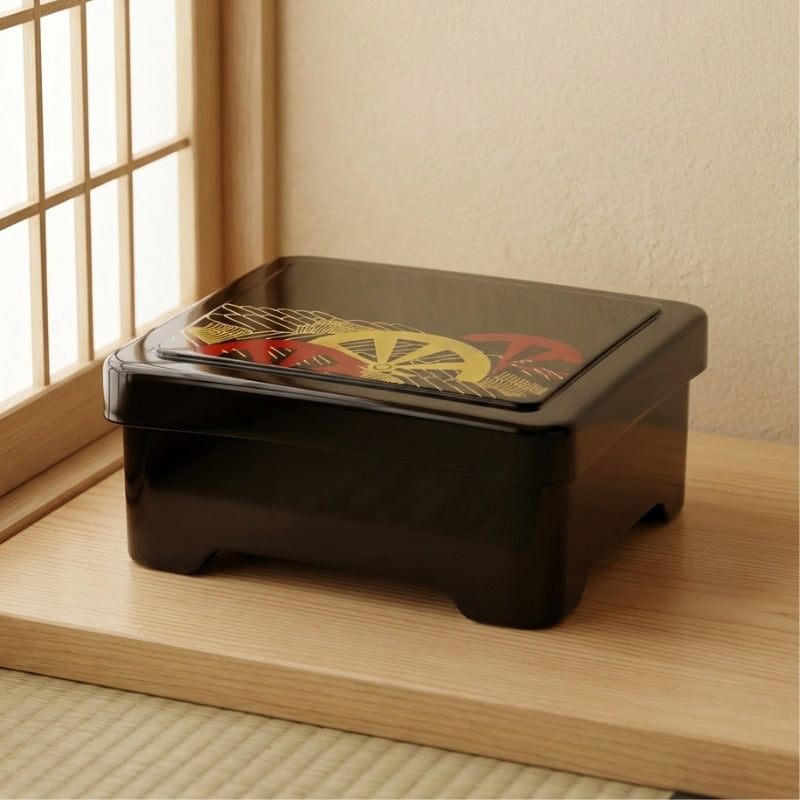
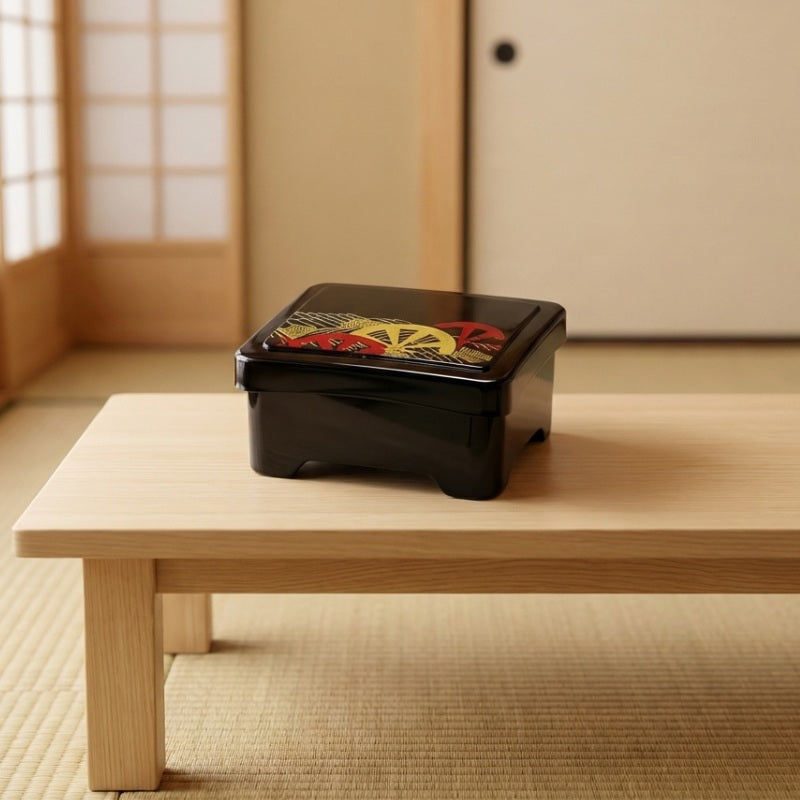
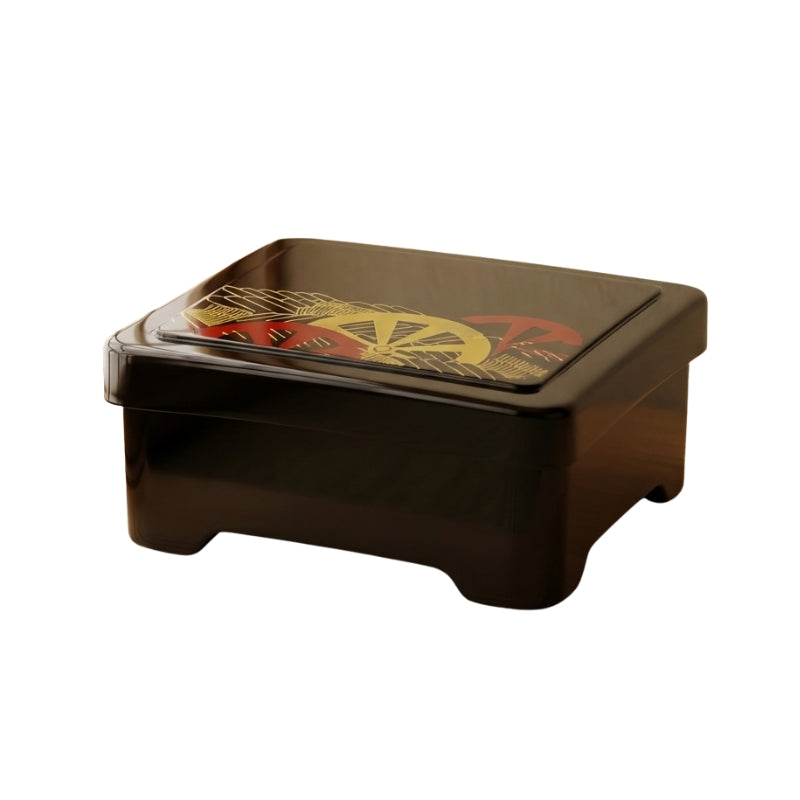
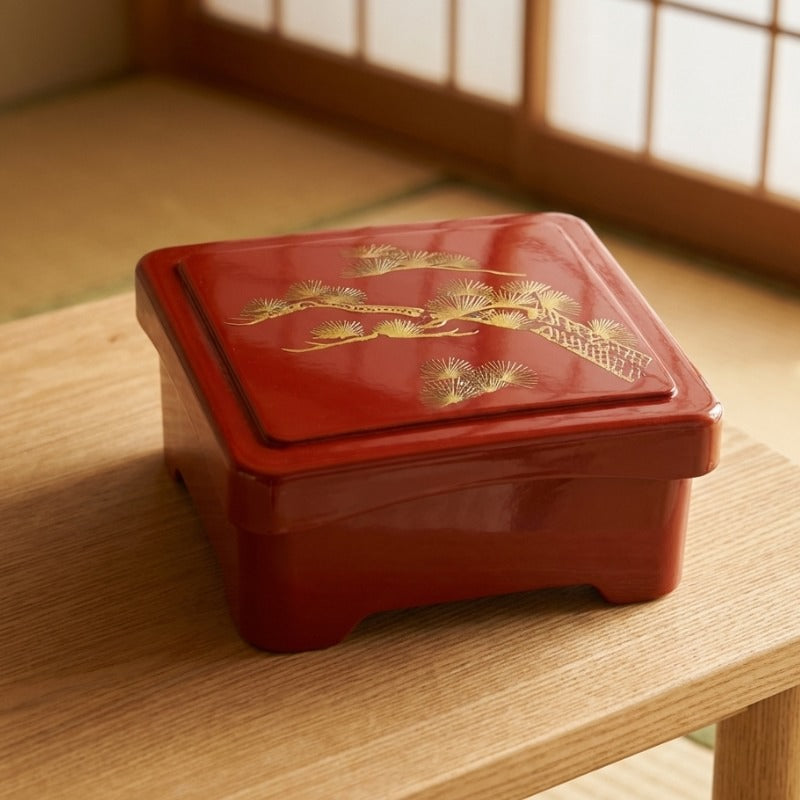
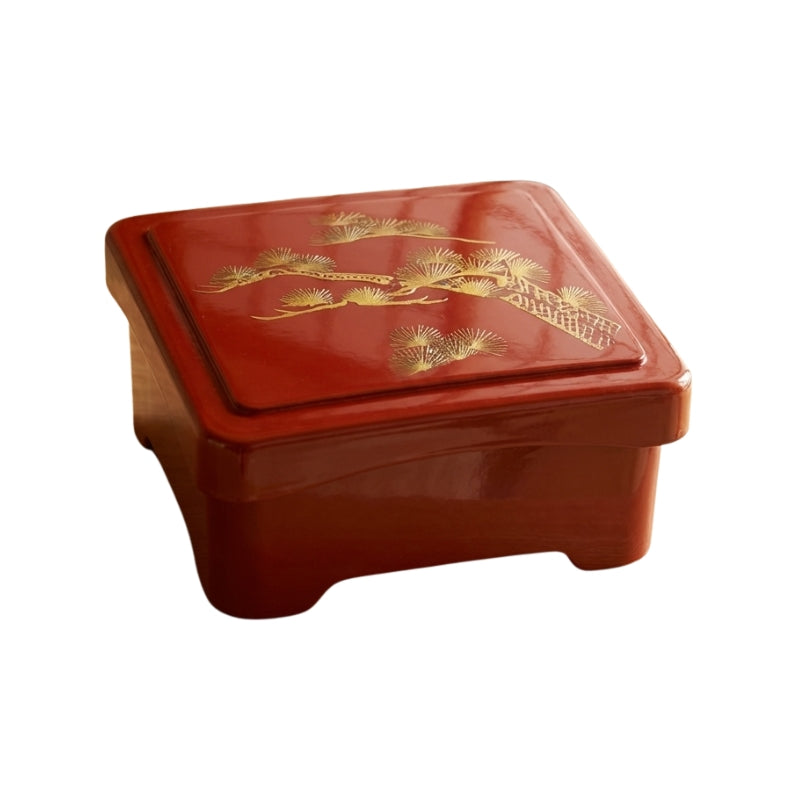
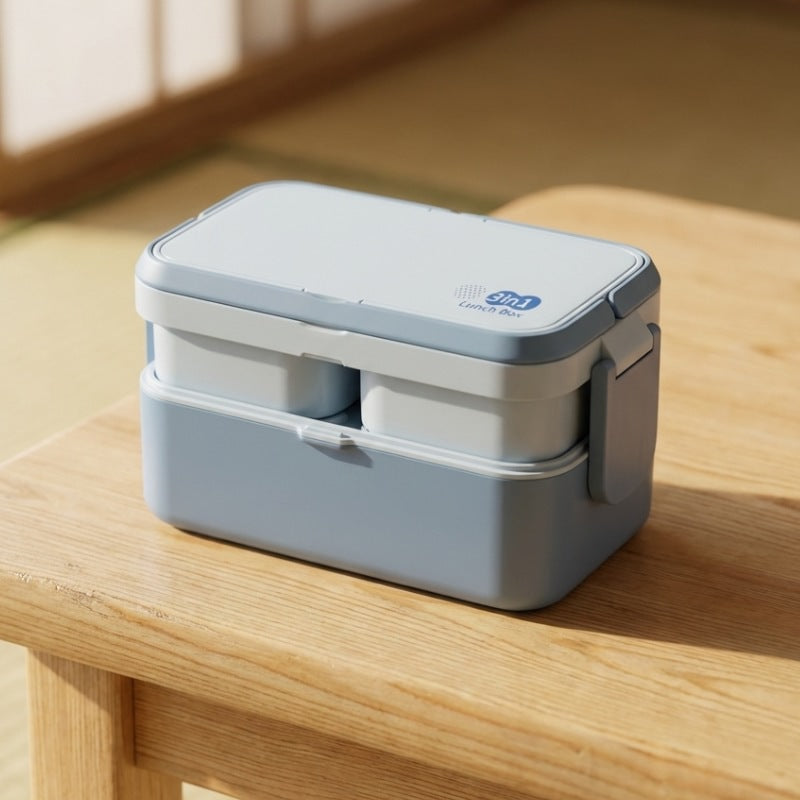
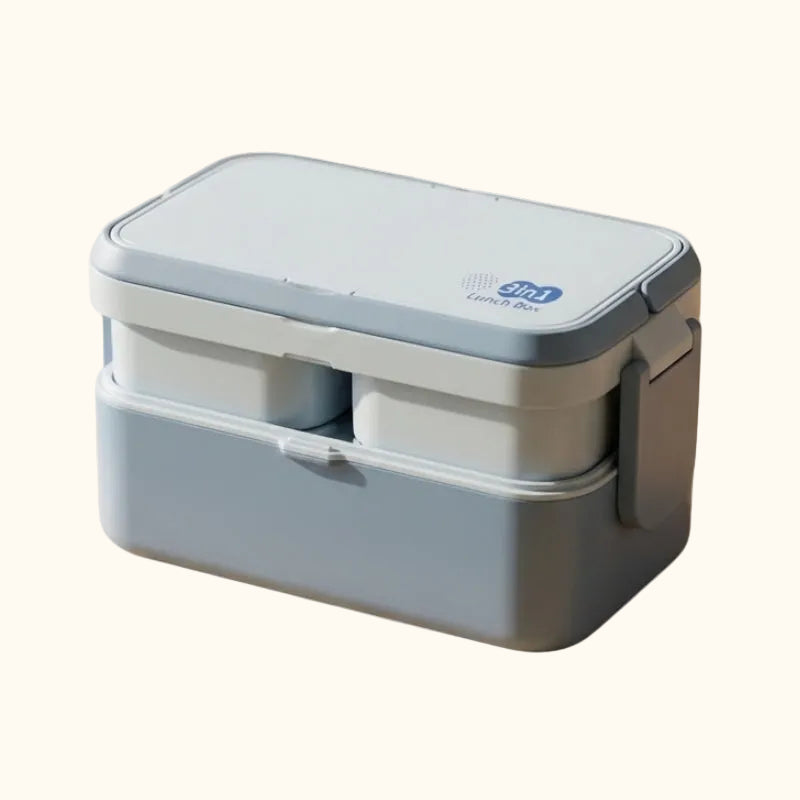
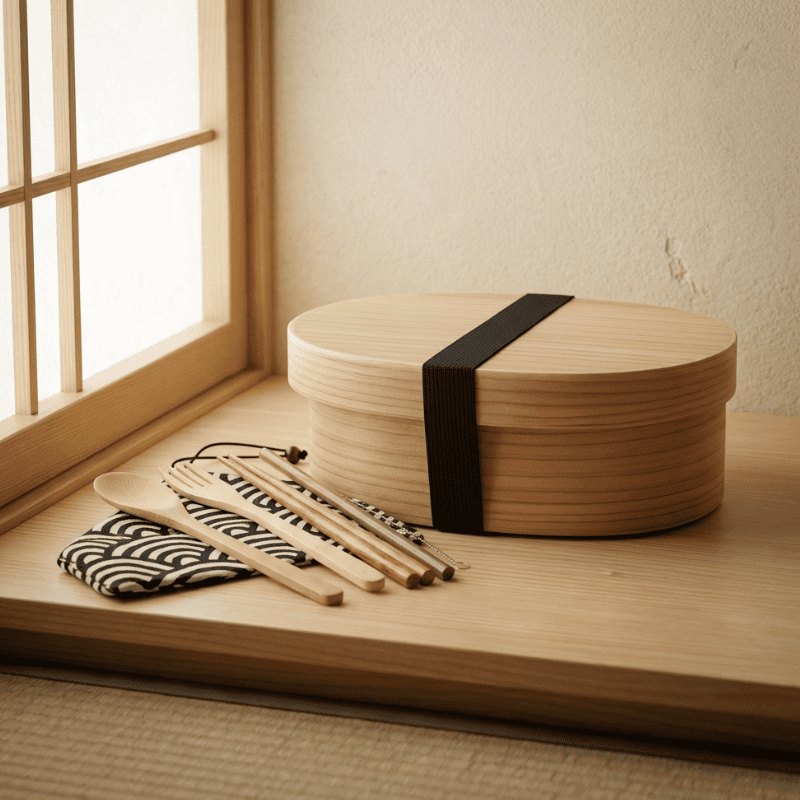
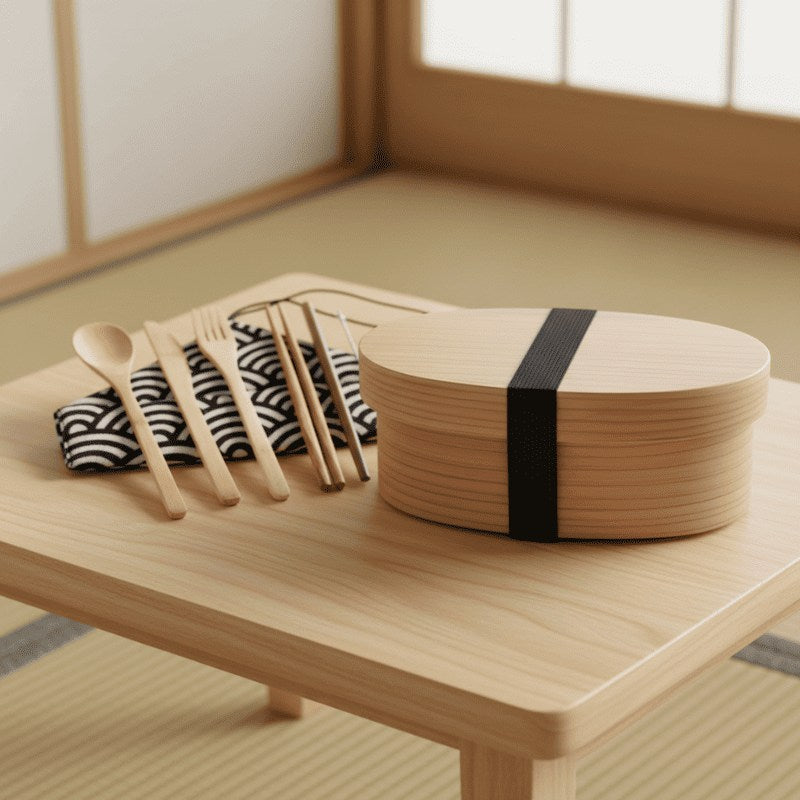
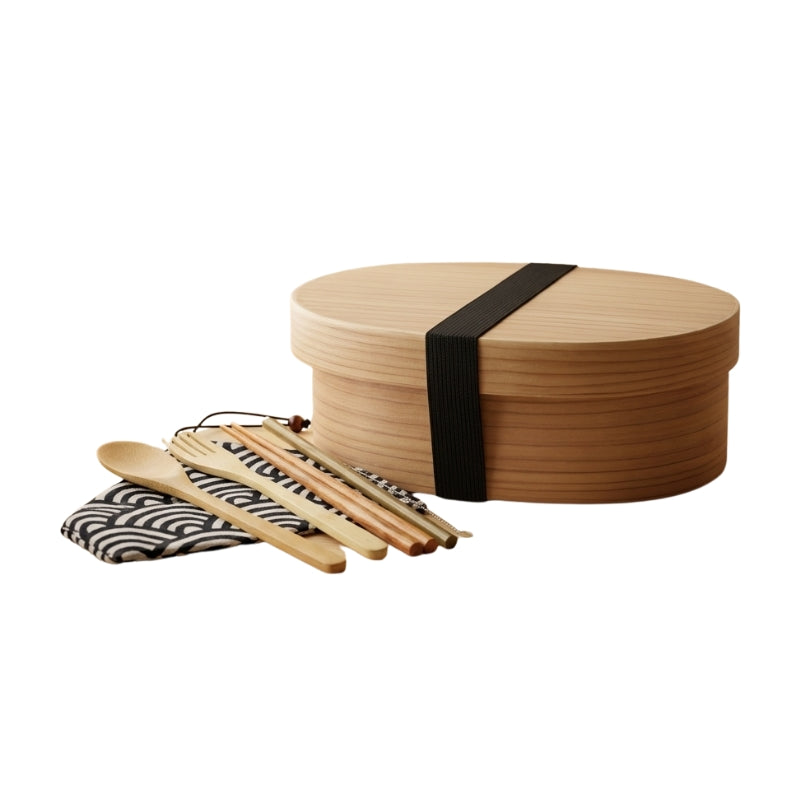
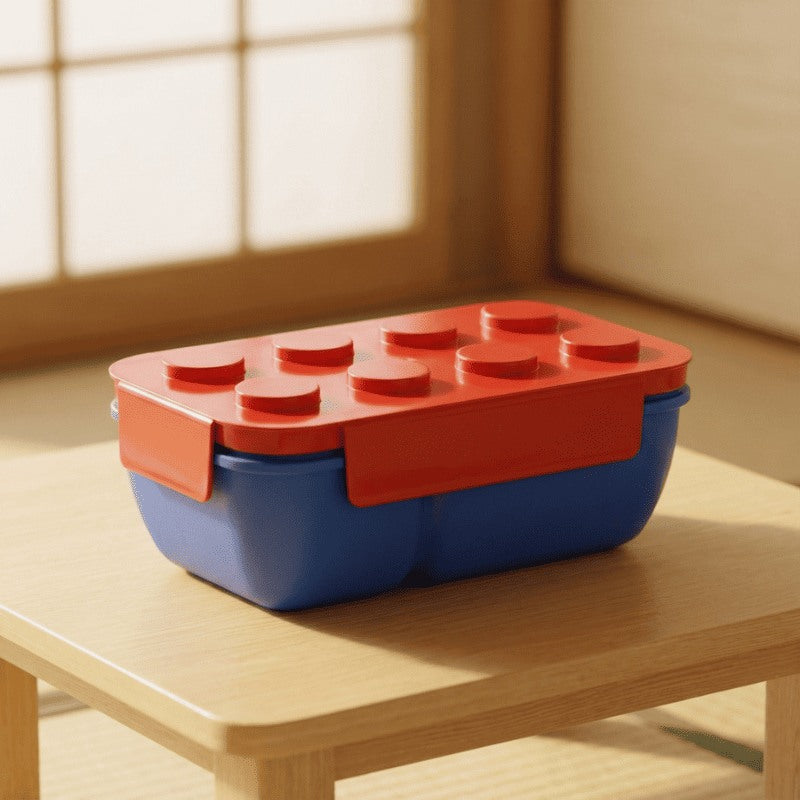
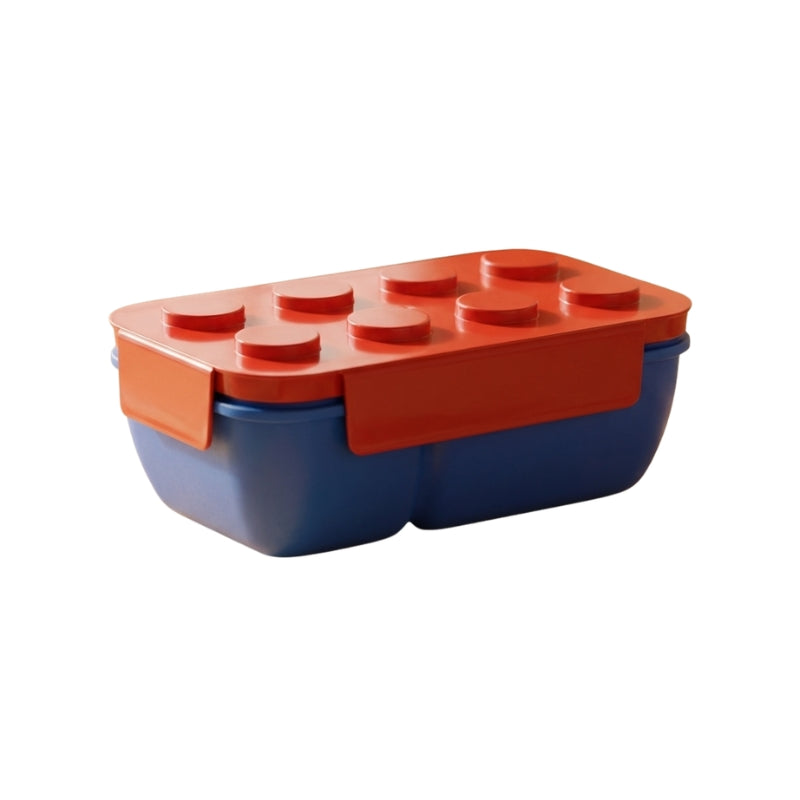
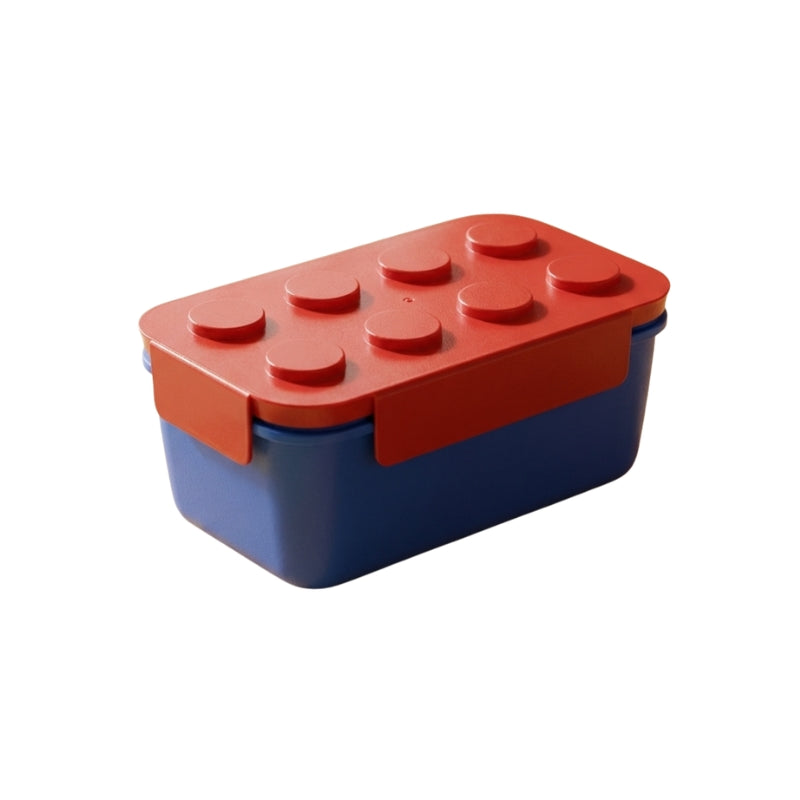
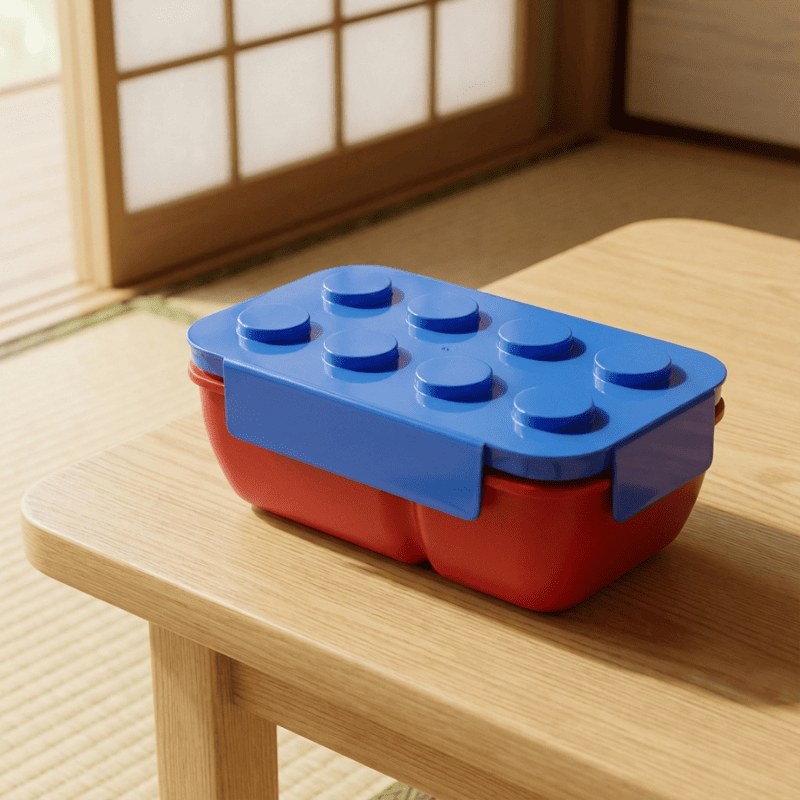
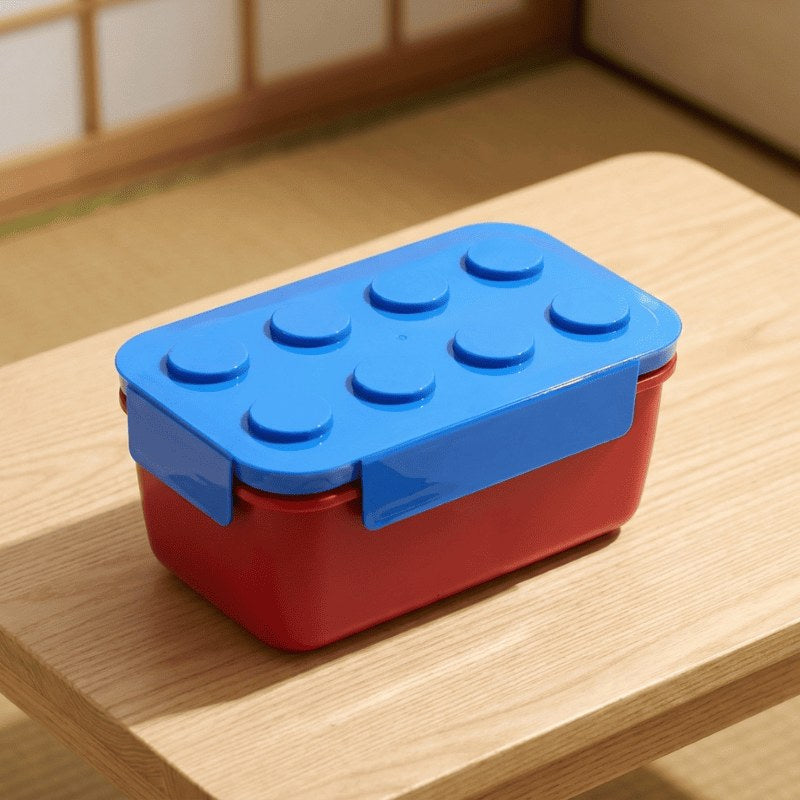
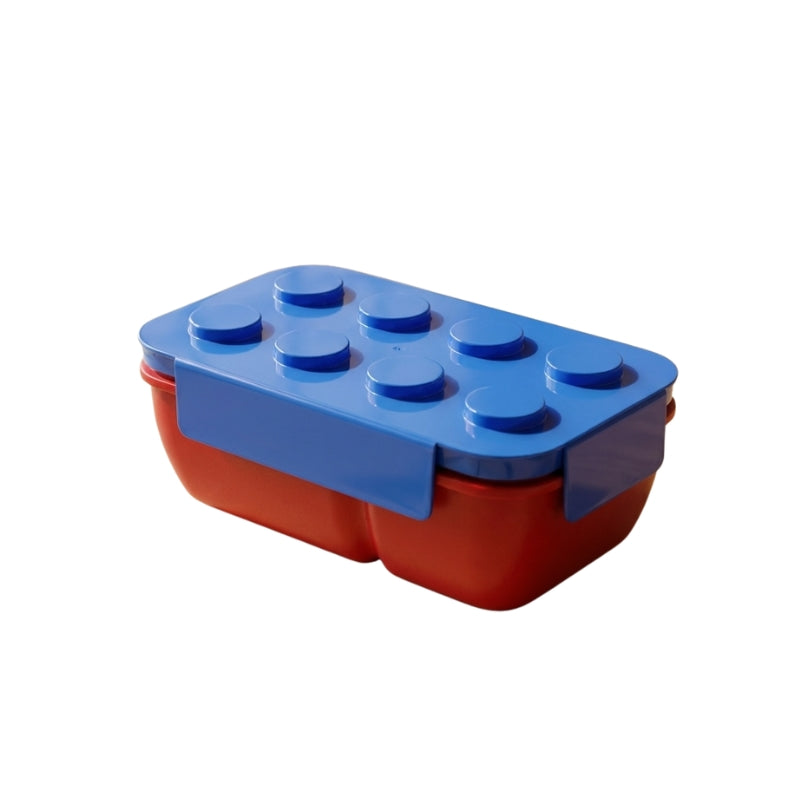
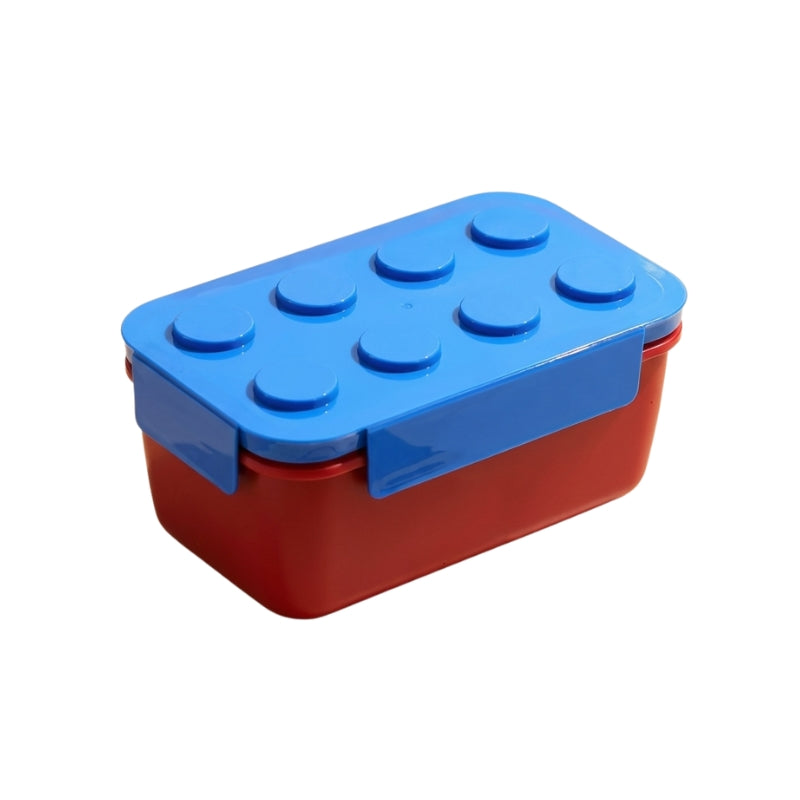
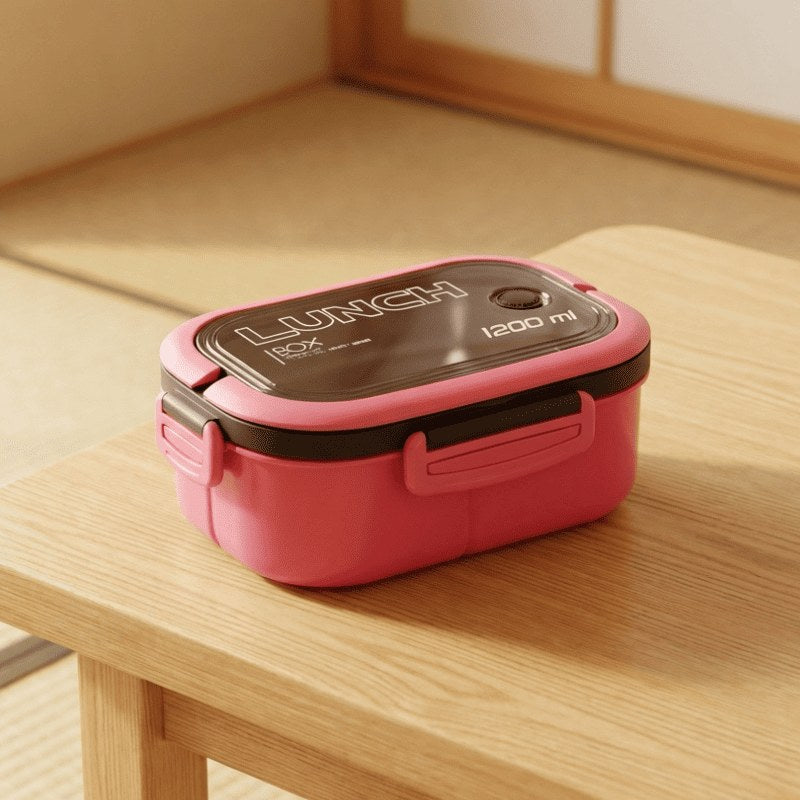
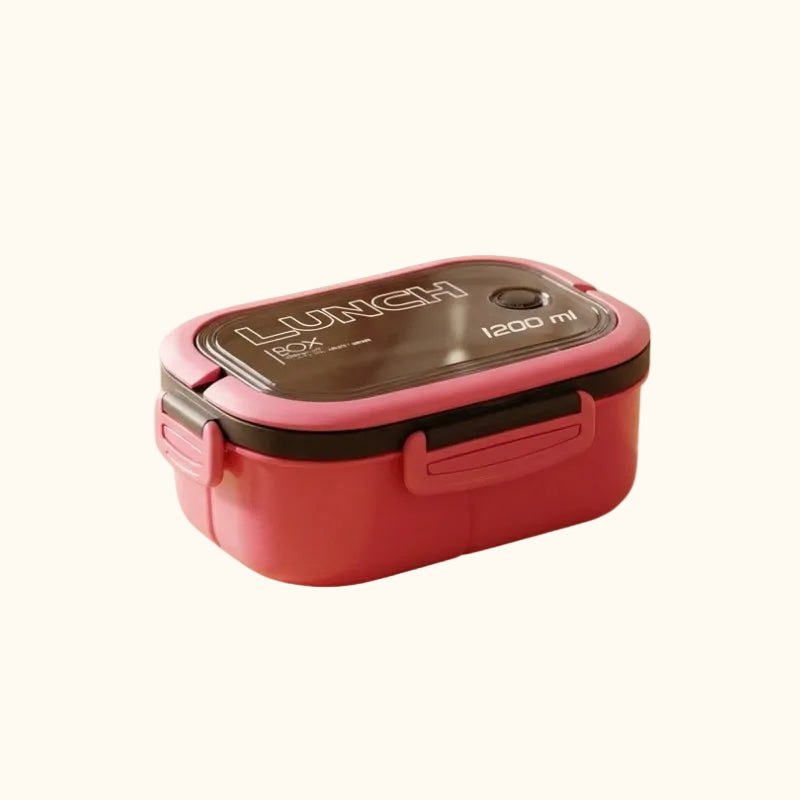
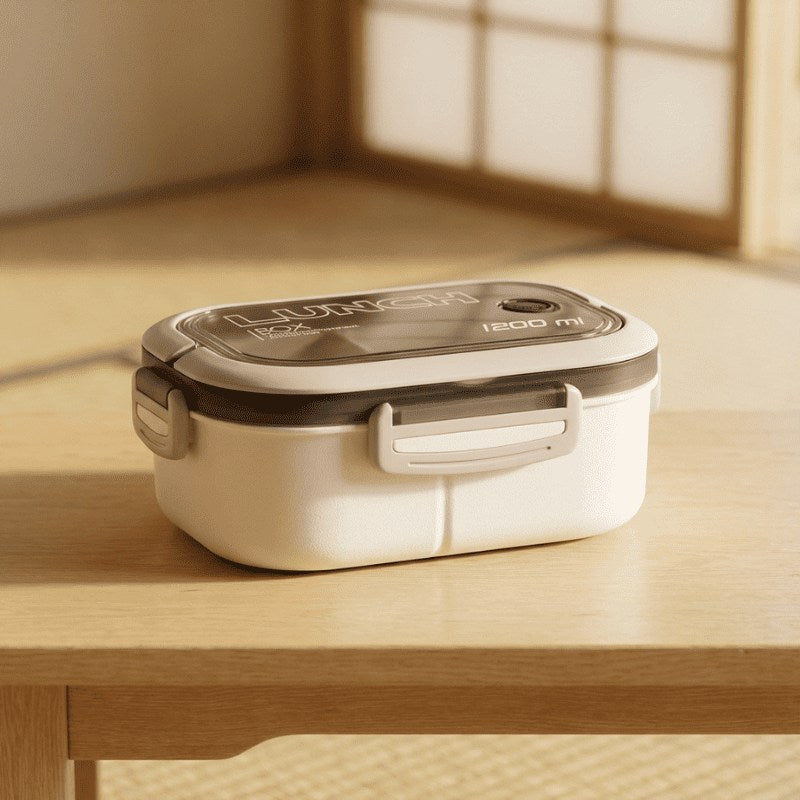
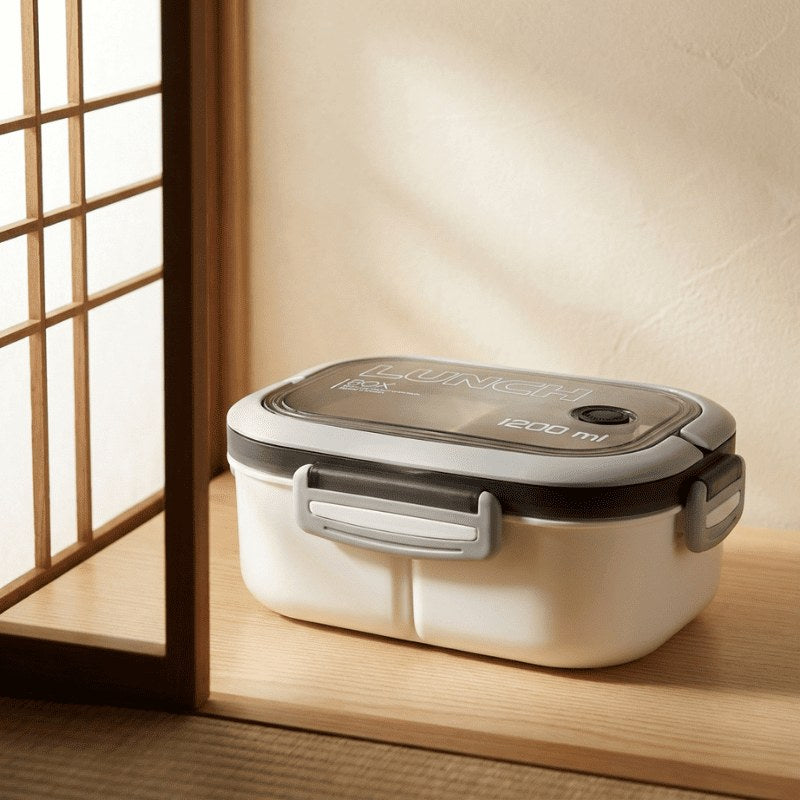
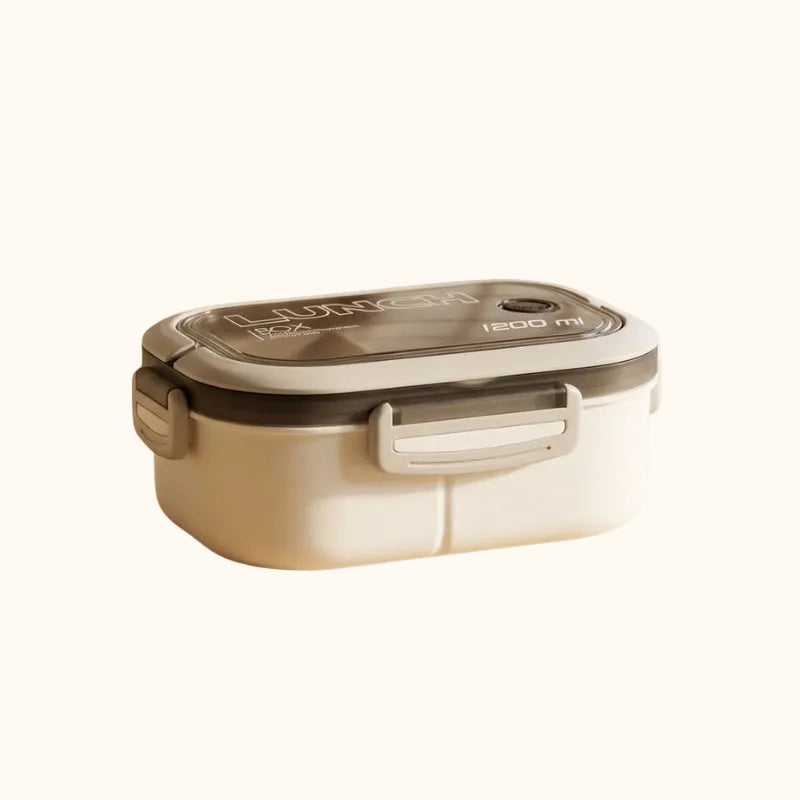
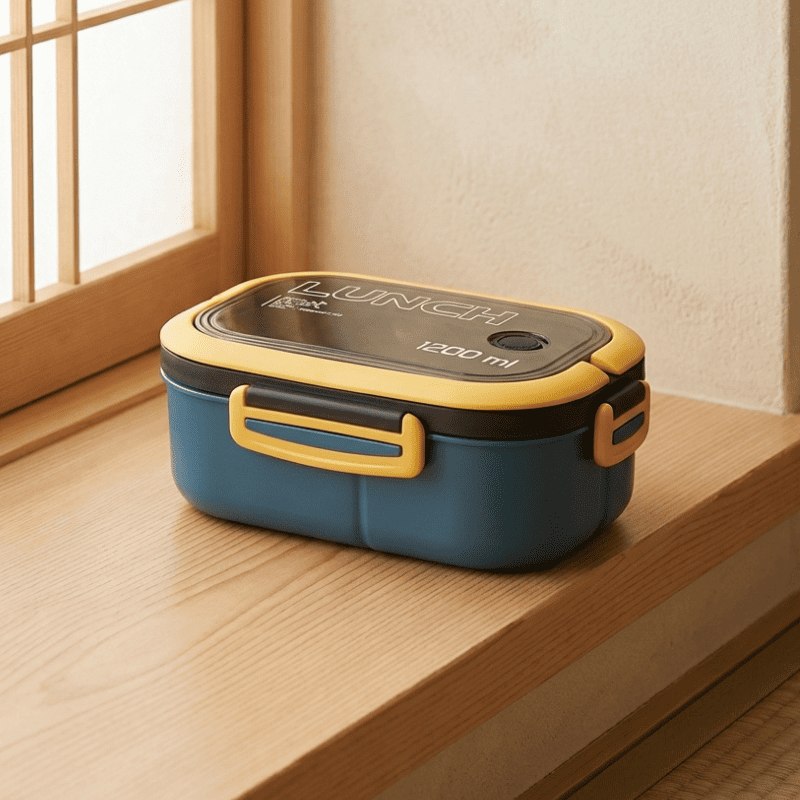
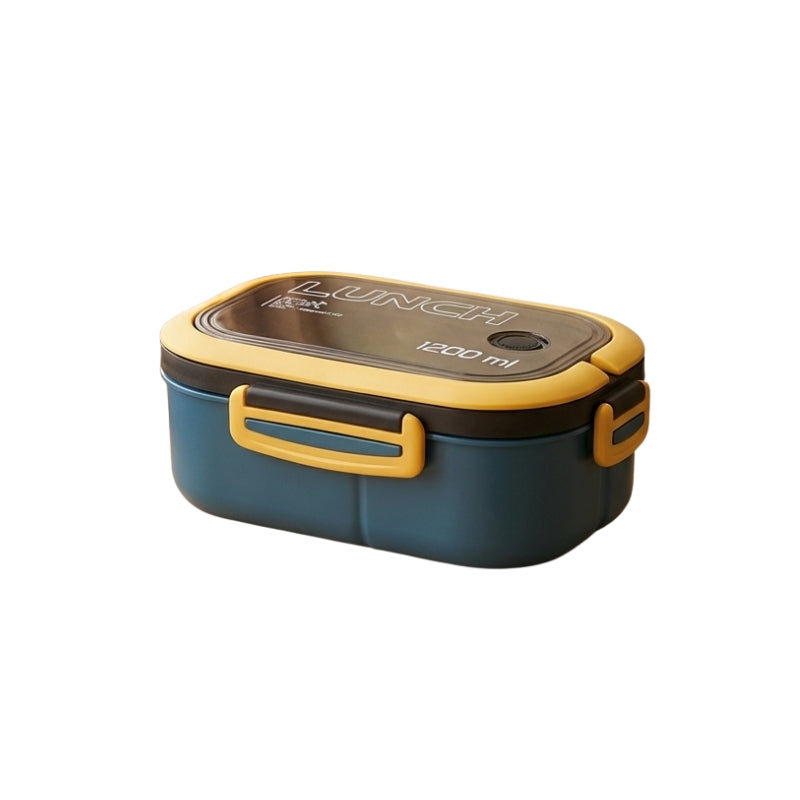
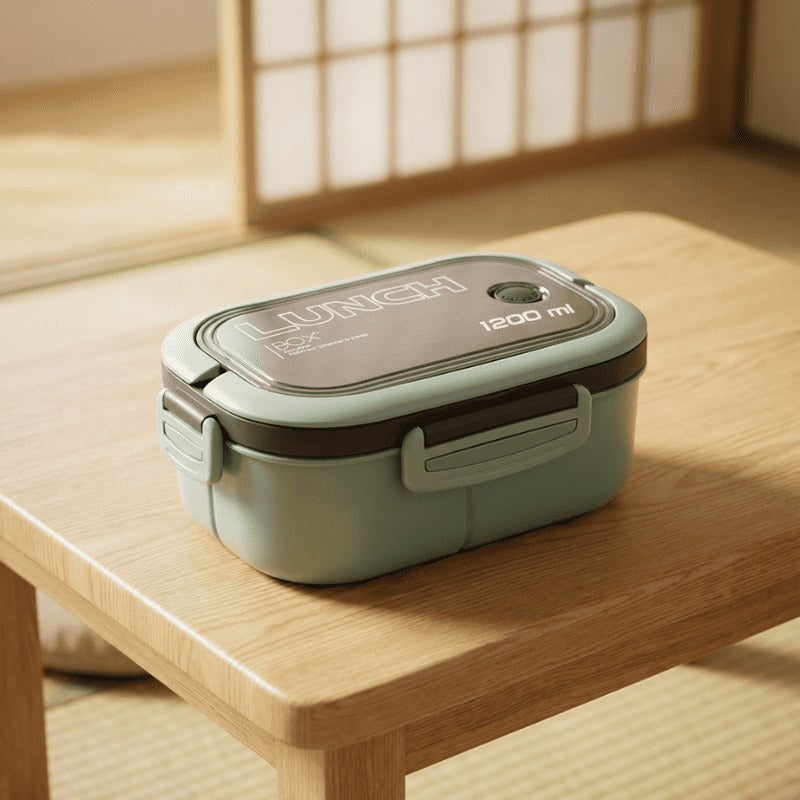
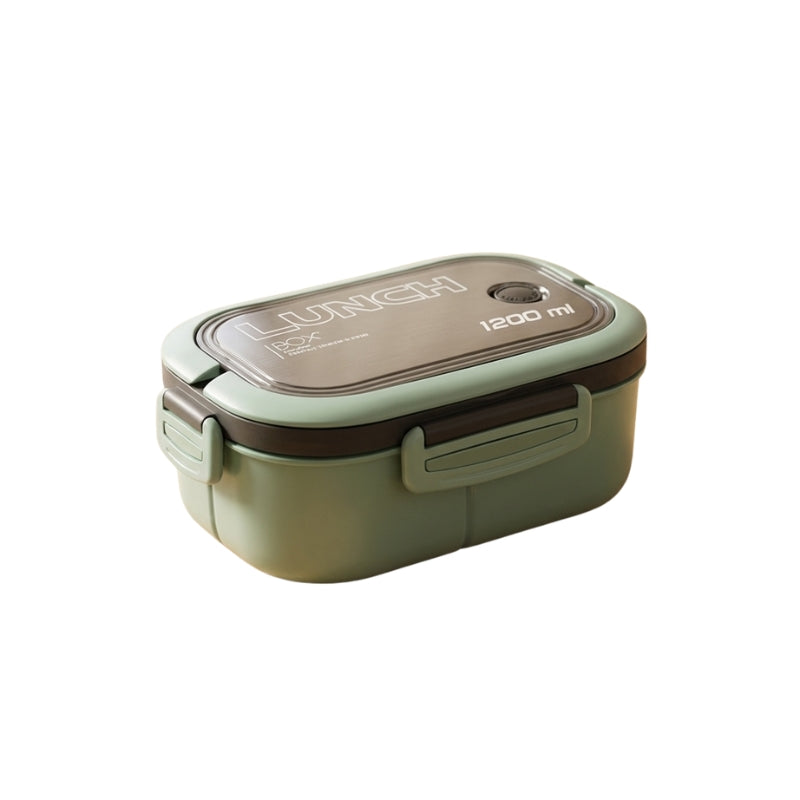
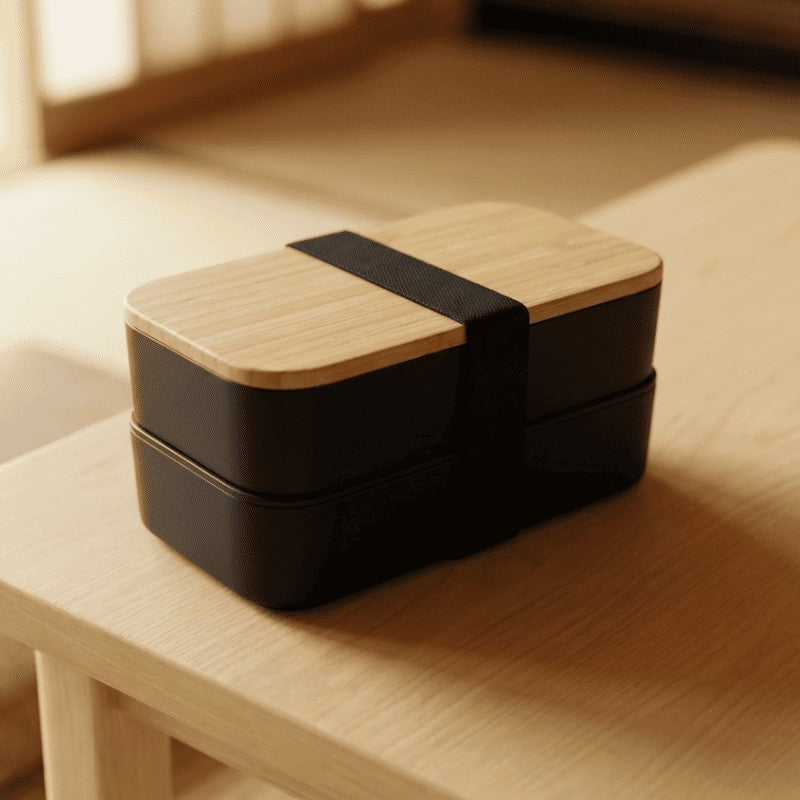
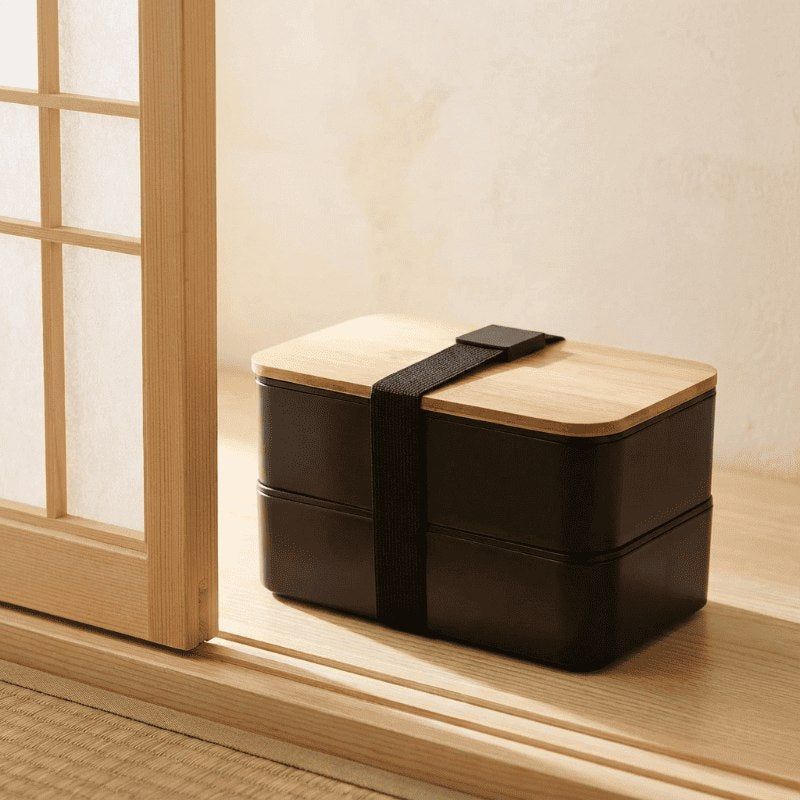
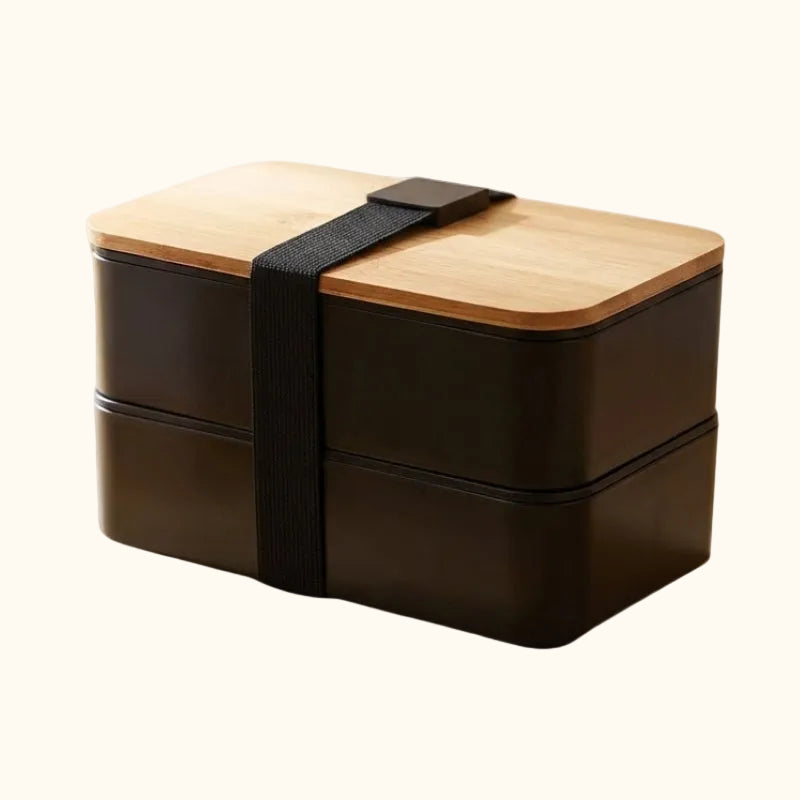
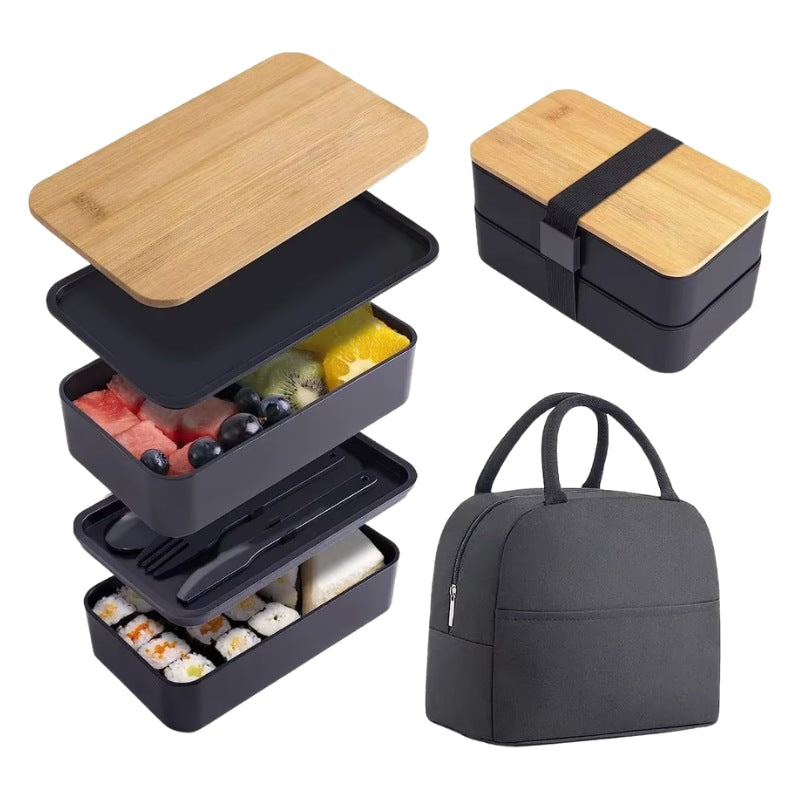
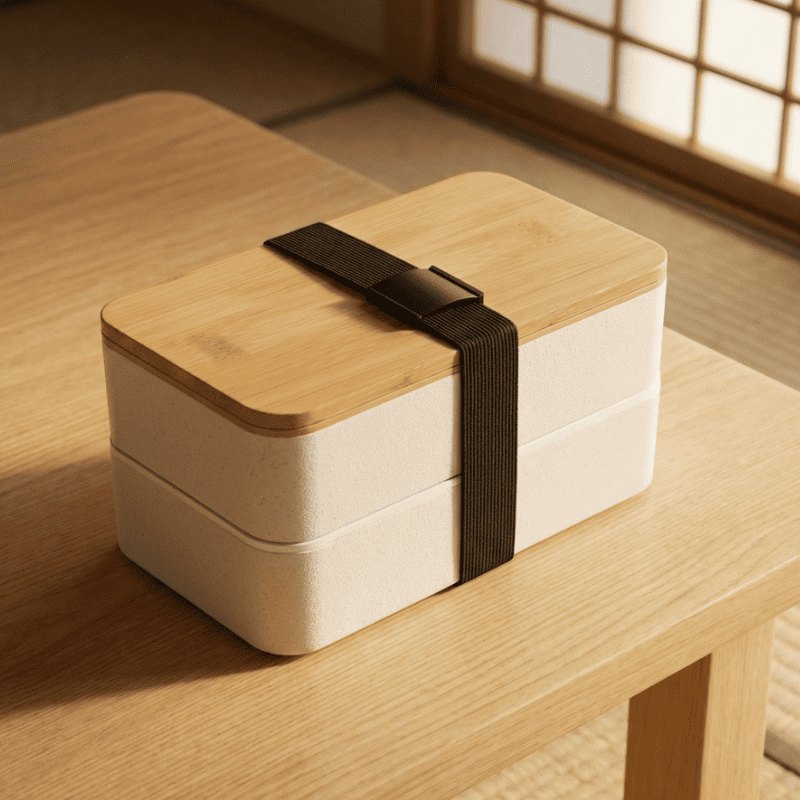
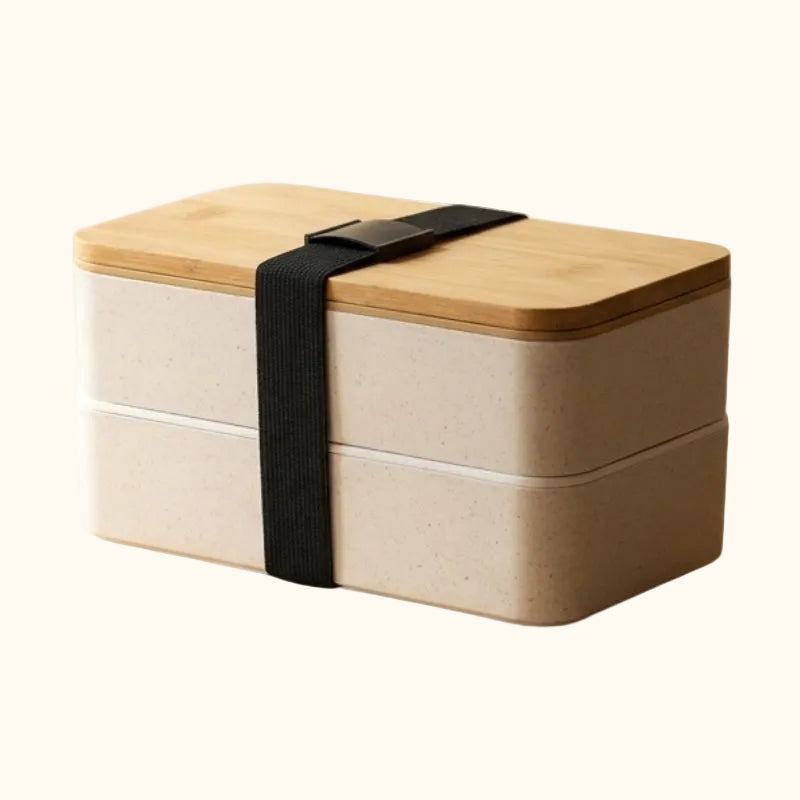
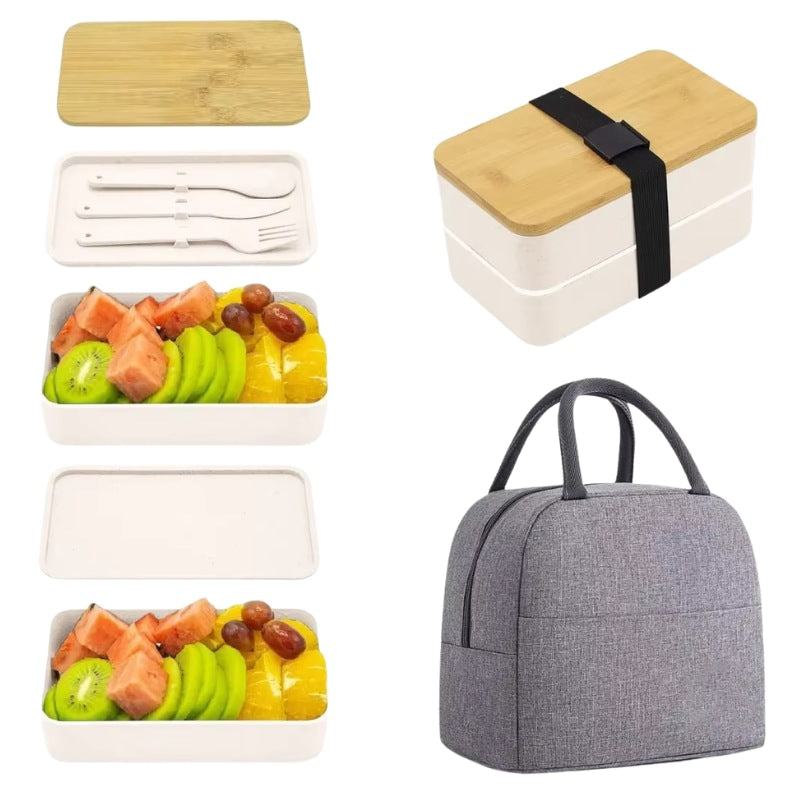
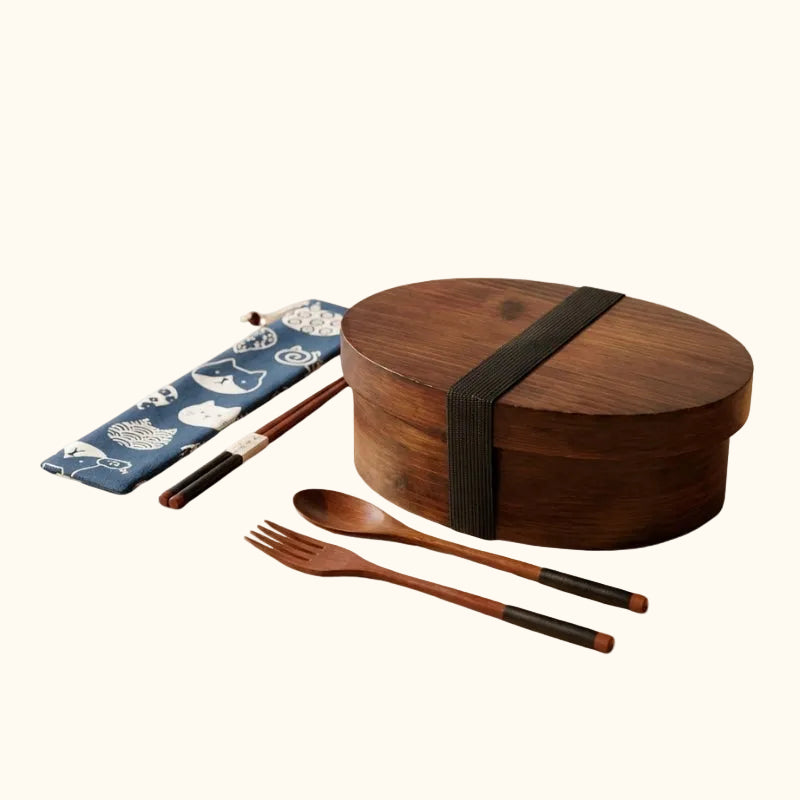
Consider lunch on the move and tidy storage at home. Divided containers support portioning, keep textures separate, and travel well. A thoughtful Japanese Bento Box works as a portable plate, and it stacks neatly in the cupboard after washing. You maintain variety without losing order in the kitchen.
Set expectations for guests and weeknights. Small plates and dipping dishes keep pace with shared meals, while a few larger platters hold family-style servings on weekends. A consistent group of japanese style tableware reads elegant with linen and wood and adapts easily to herbs, pickles, grilled items, and rice without a new purchase for every menu.
Match cups and carafes to beverages you love. Tea wants bowls or beakers that retain heat but protect fingers, while chilled water and sake call for shapes that show clarity and cool quickly. When carafe and cups meet in scale and texture, the service feels intuitive and refined. The table keeps its calm center because tools and drinks support one another.
Think about storage early. Stack bowls with felt or linen between rims, line shelves where feet touch, and group by height to simplify reaching. If you host often, add a single platter and a small pitcher to finish the set. A lean kit stays nimble for everyday meals and grows gracefully for gatherings.
Japanese Tableware use and care tips for long lasting beauty
Handle ceramics with simple rituals that protect surfaces and celebrate use. Rinse soon after meals, wash with mild soap and a soft sponge, and dry fully before shelving. When you care for pieces like this, a quiet patina develops that honors the spirit of traditional japanese tableware without turning upkeep into a chore. You preserve the finish and keep the cupboard fresh.
Warm and cool intentionally. Prewarm bowls for soups and prechill plates for cold dishes when the season asks for it. This small step stabilizes temperature and enhances flavor. Use a dry towel under hot vessels to protect wood, and place a thin cloth or board under stone counters to soften impact during prep and plating.
Stack with awareness. Lift rather than slide, keep heavy items low, and separate delicate glazes with a napkin or felt. You prevent micro-scratches and extend the life of your favorite pieces. If a foot ring feels coarse, smooth it lightly with fine sandpaper and wipe clean before returning it to service.
Plan a layout that supports conversation. Place platters within easy reach, keep sauces near chopsticks, and give each diner a clear zone. A measured lineup of Japanese plates and small bowls keeps movement flowing from serve to bite without hesitation. You design a table that invites presence and reduces clutter.
Pair drinks and vessels with intention. Chill carafes for sparkling water or serve warm pours in cups with thicker walls when nights run cool. A refined Sake Set nearby turns a quiet dinner into a slow toast and keeps the pacing unhurried. You add a moment of ceremony that feels natural rather than staged.
Refresh textiles and tools together. Swap runners seasonally, rotate placemats, and keep a dedicated drawer for linens and chopsticks. When you maintain this rhythm, the table looks new without constant buying. An organized tray or caddy holds sauces, small plates, and a pair of Japanese chopsticks for each guest so service stays smooth.
Host with confidence by preparing a small staging area. Set clean towels, a spare plate for shells or bones, and a bowl for waste off to the side. Preheat or prechill the servingware, then carry to the table at the right moment. Guests feel cared for because the experience flows instead of starting and stopping.
Treat stains and odors promptly. Soak stubborn marks in warm water with a little baking soda, then rinse and dry. Avoid harsh scrubbers on delicate glazes, and never trap moisture in closed cupboards. Airflow keeps shelves fresh and prevents musty notes from clinging to porous clay.
Balance tradition and personal taste as the collection grows. Add a textured platter to ground winter menus or a pale bowl to brighten summer salads. Keep the core palette consistent so new pieces integrate instantly. A compact group of Japanese glasses will bridge weekday meals and weekend hosting without breaking the visual harmony you built.
Finish the scene gently. Fold a linen napkin, place chopsticks on a rest, and set a small dish for pickles or sauces. A well edited arrangement feels generous and leaves room for conversation. Over months and years, a curated family of Japanese tableware set pieces will gather memory, soften at the edges, and turn daily meals into quiet rituals that respect Wabi Sabi values.