Read more
Japanese Home Decor philosophy and visual identity
A home that follows the spirit of traditional Japanese home decor usually celebrates empty space as much as objects. Low furniture, clean lines, and honest materials create a rhythm where each piece matters and nothing shouts. Light slides across wood grain, tatami texture, and ceramics, while a few well chosen accents carry cultural meaning. This philosophy shapes the entire Japanese Home Decor collection and guides every choice, from the smallest charm to the largest cabinet.
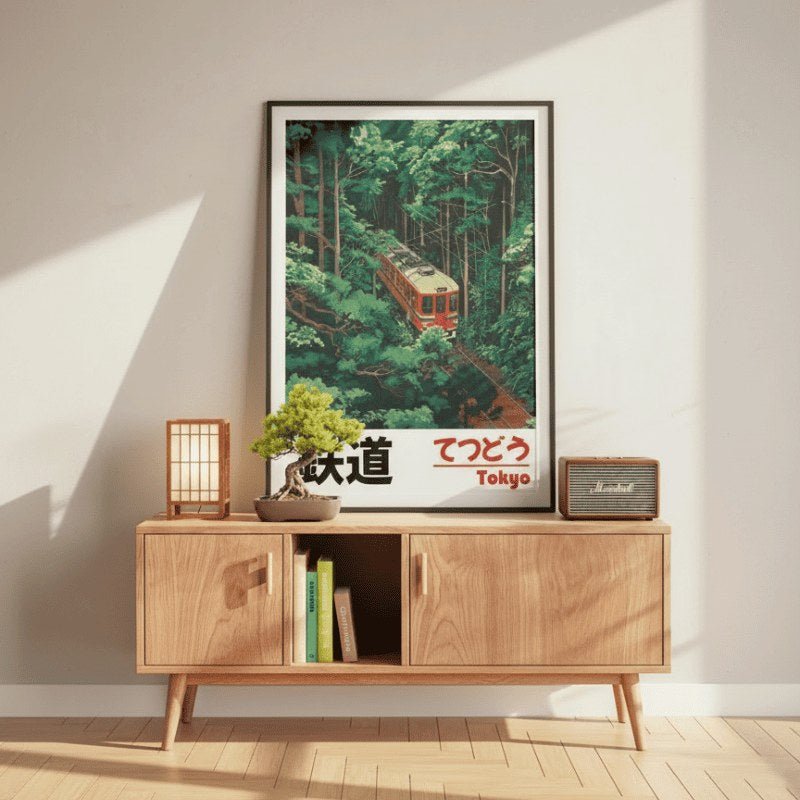
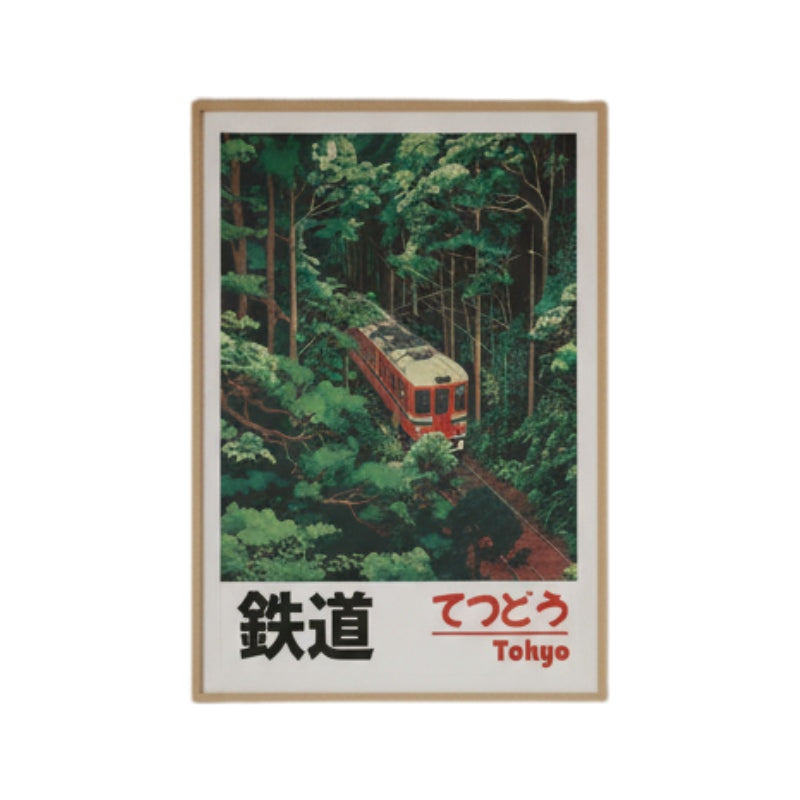
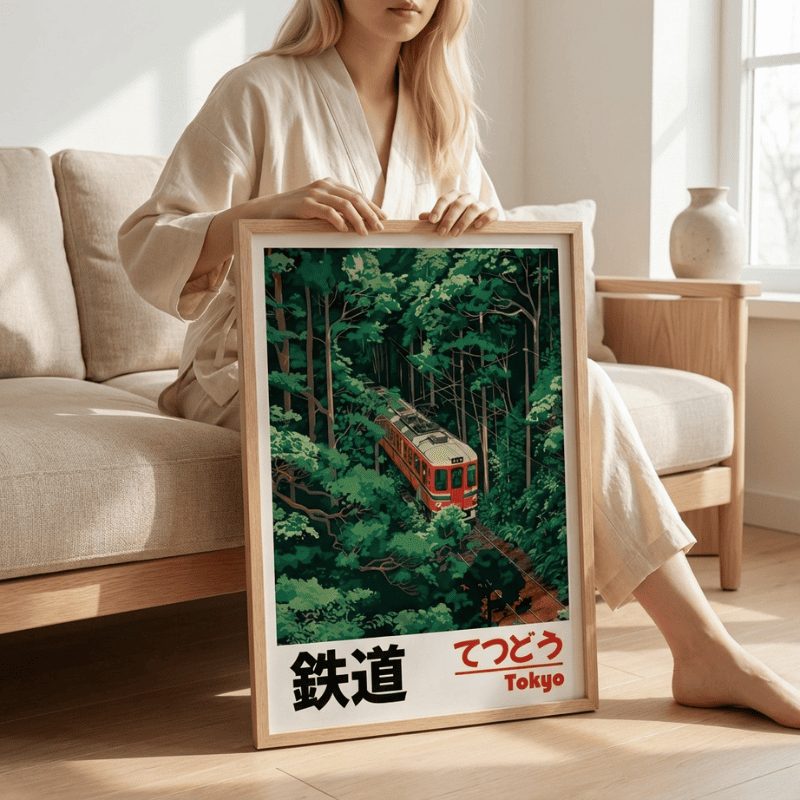
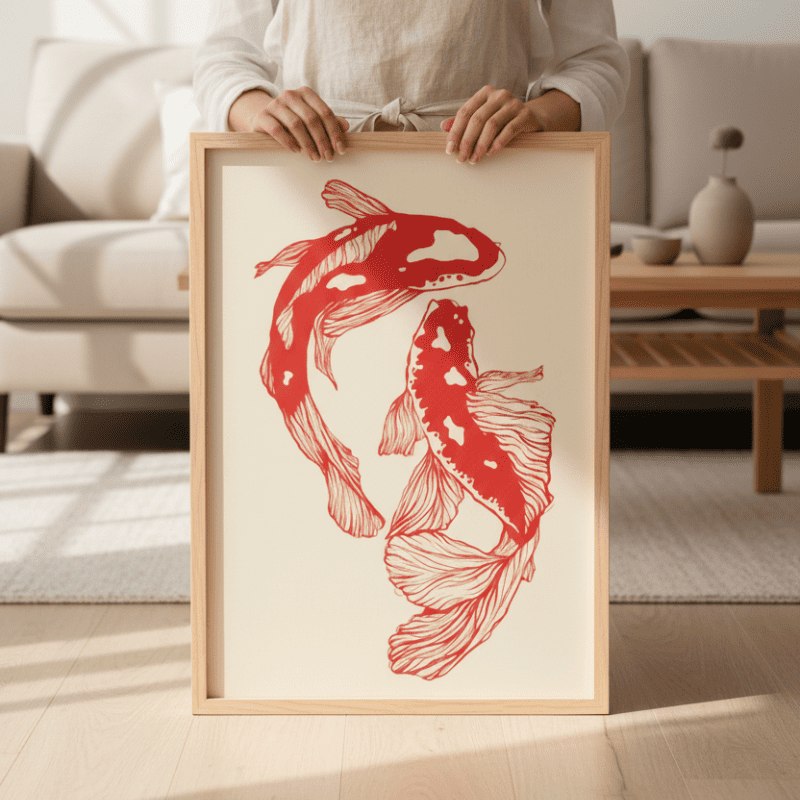
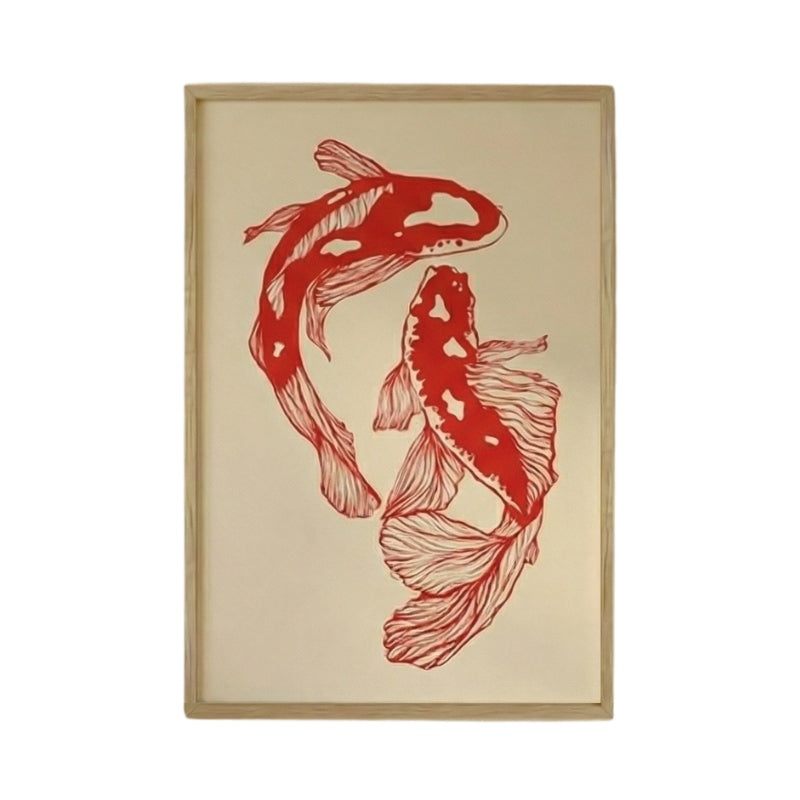
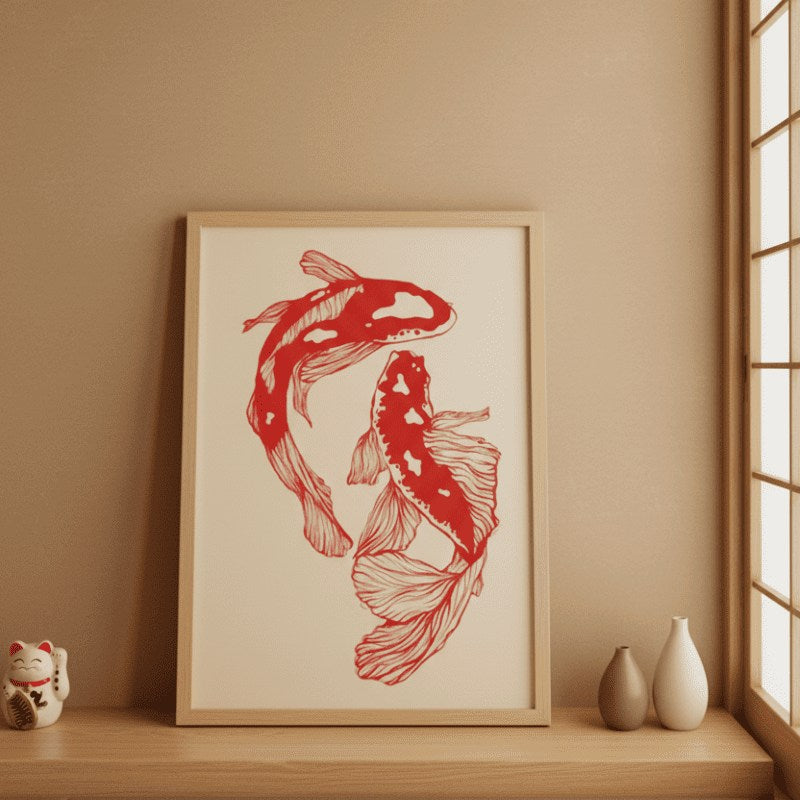
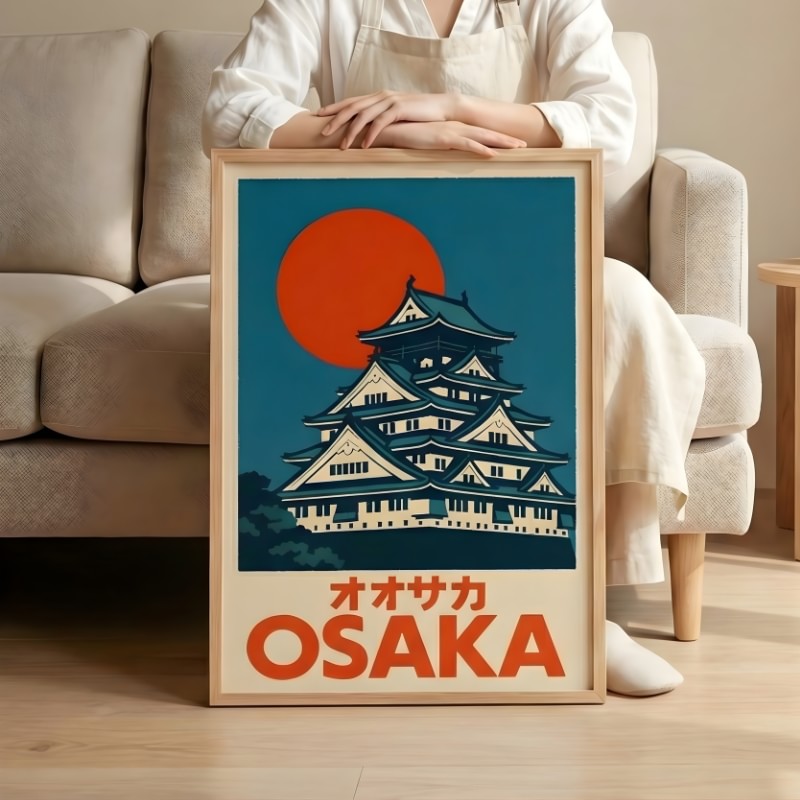
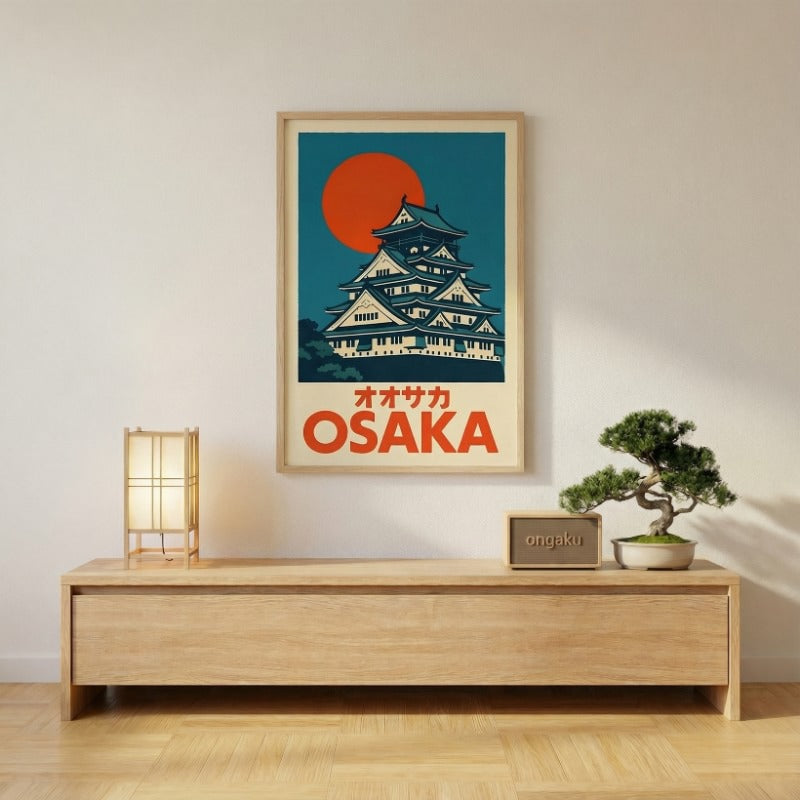
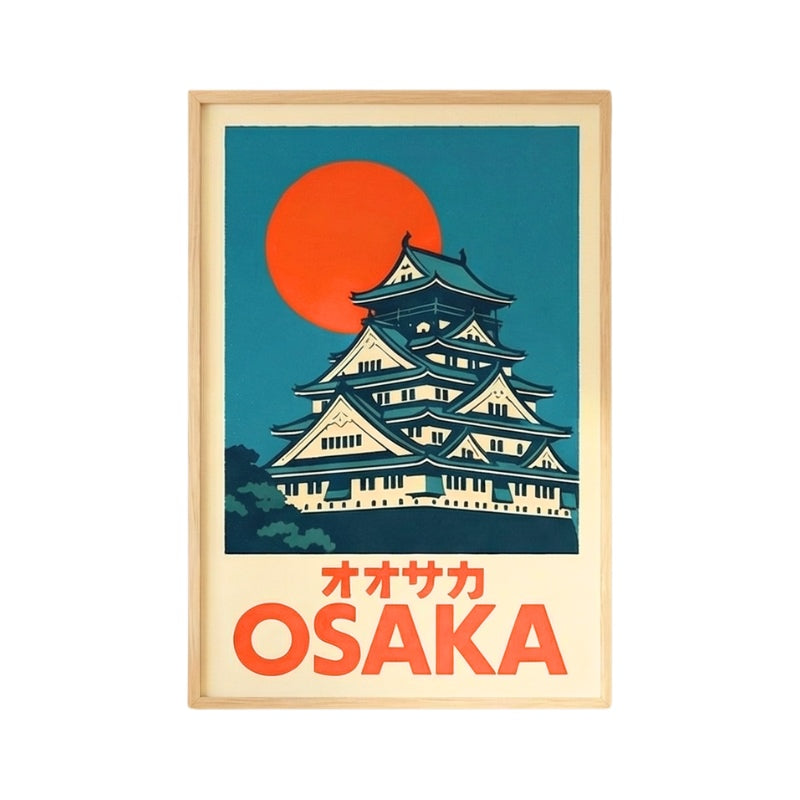
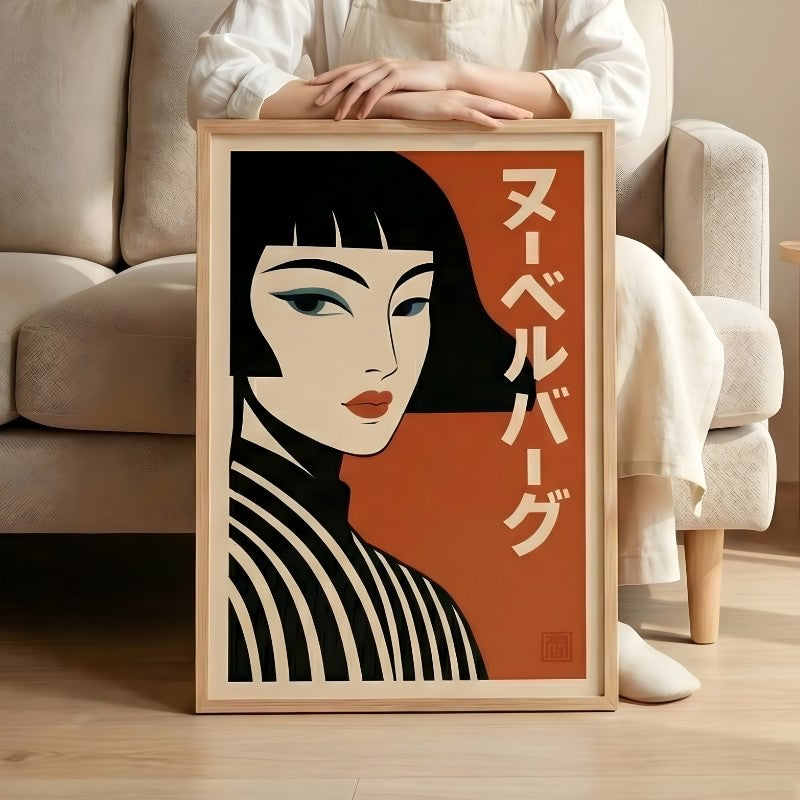
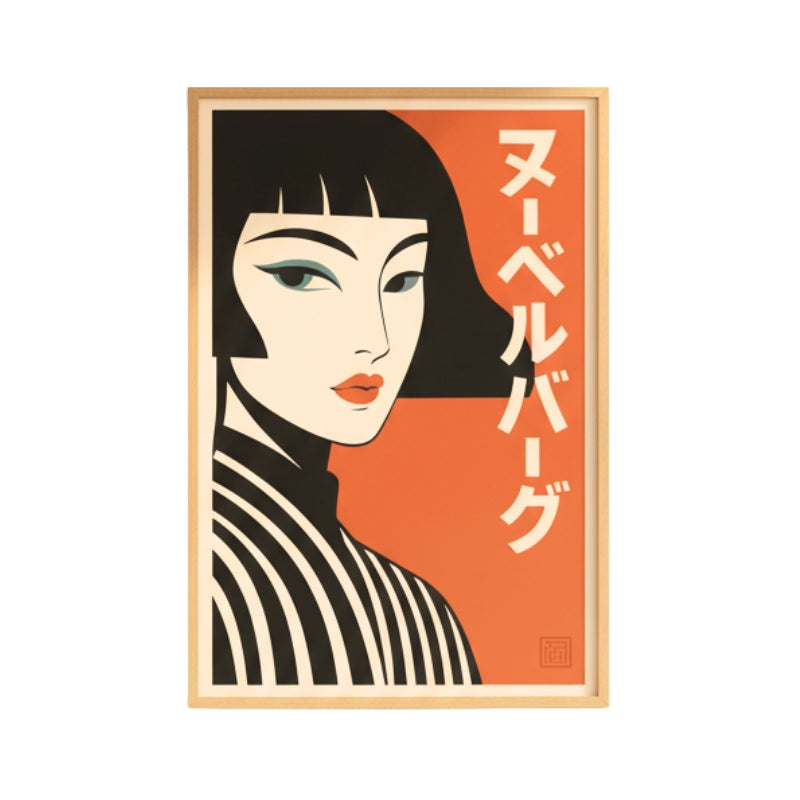
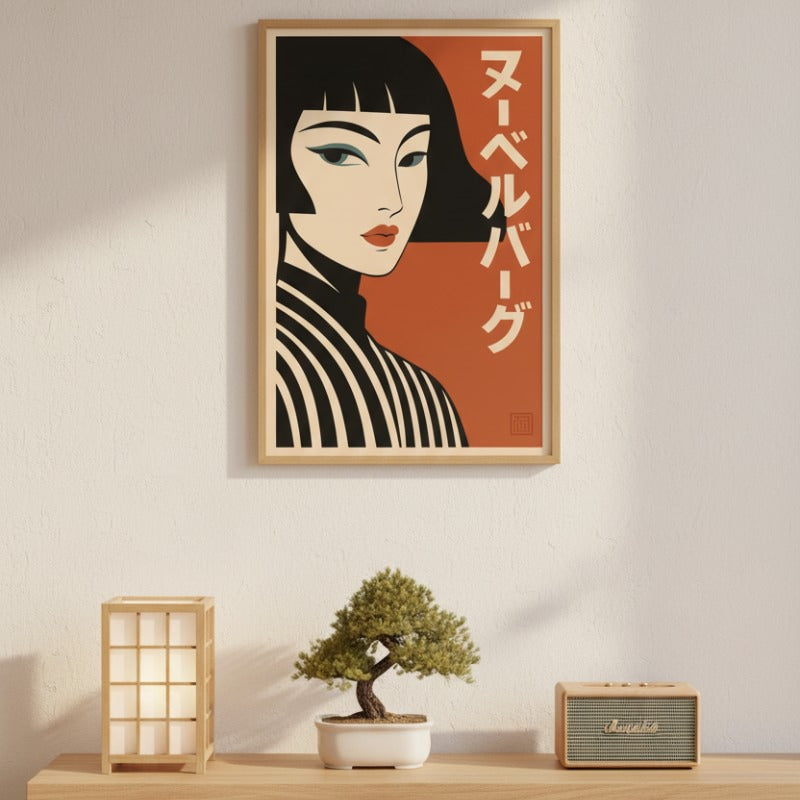
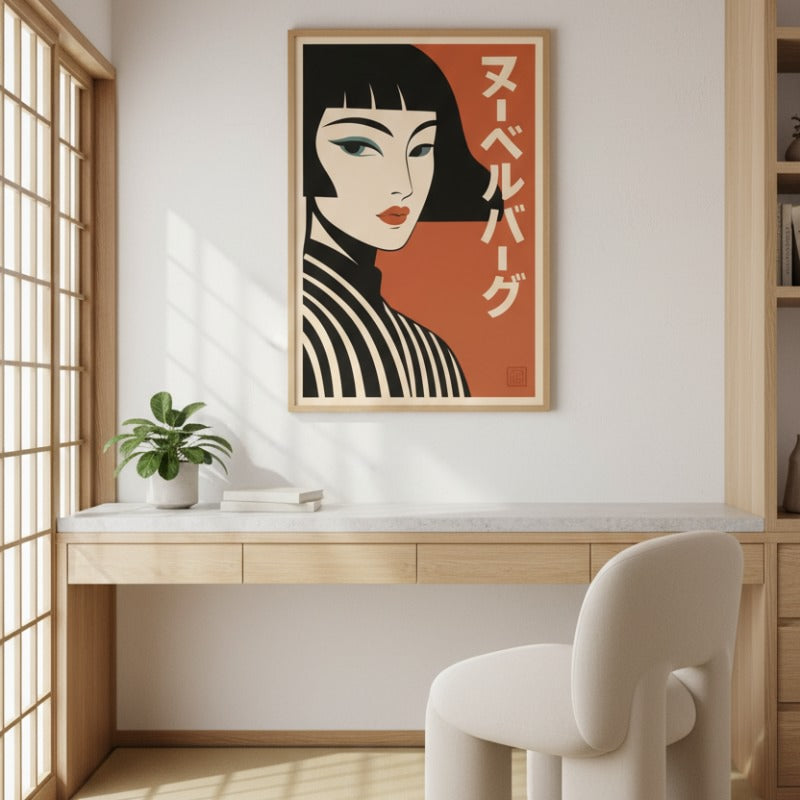
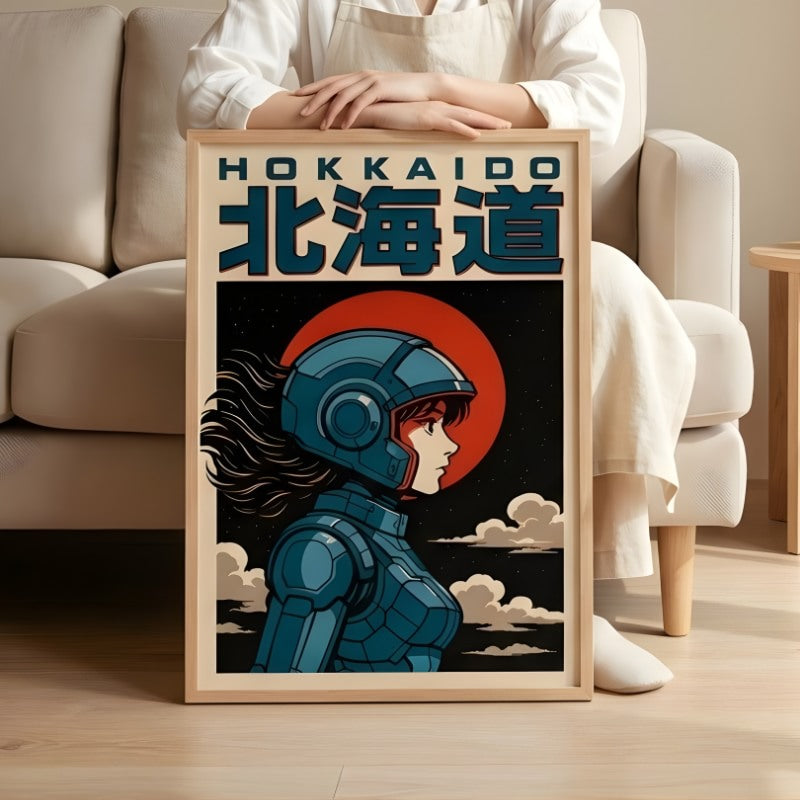
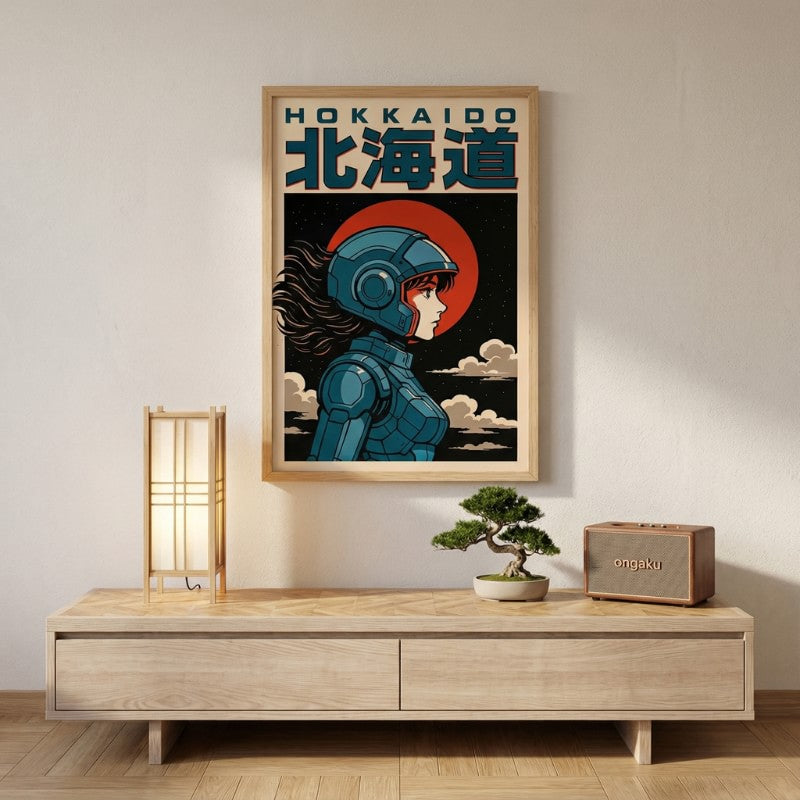
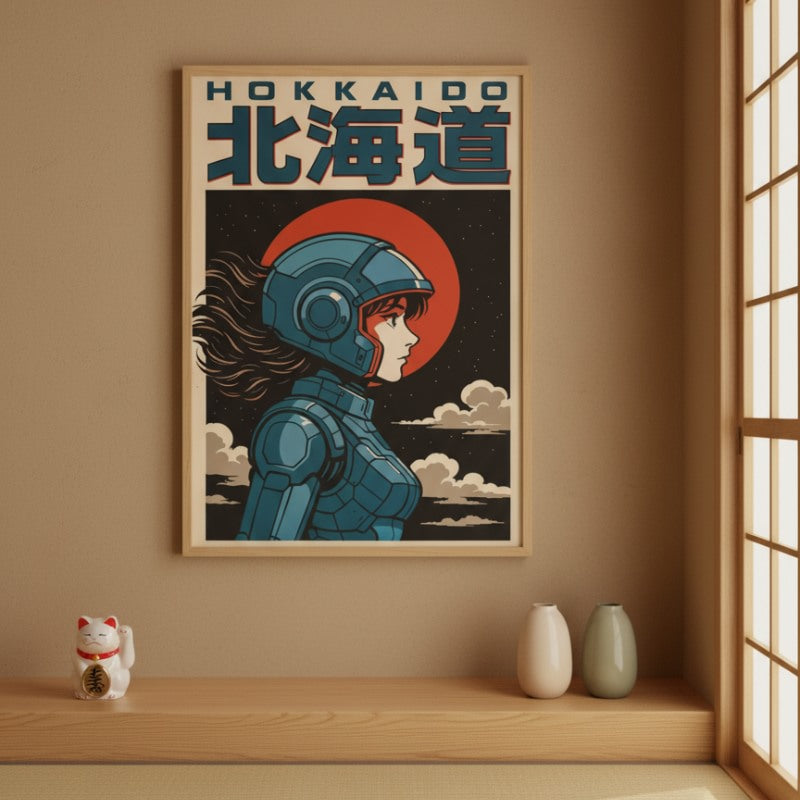
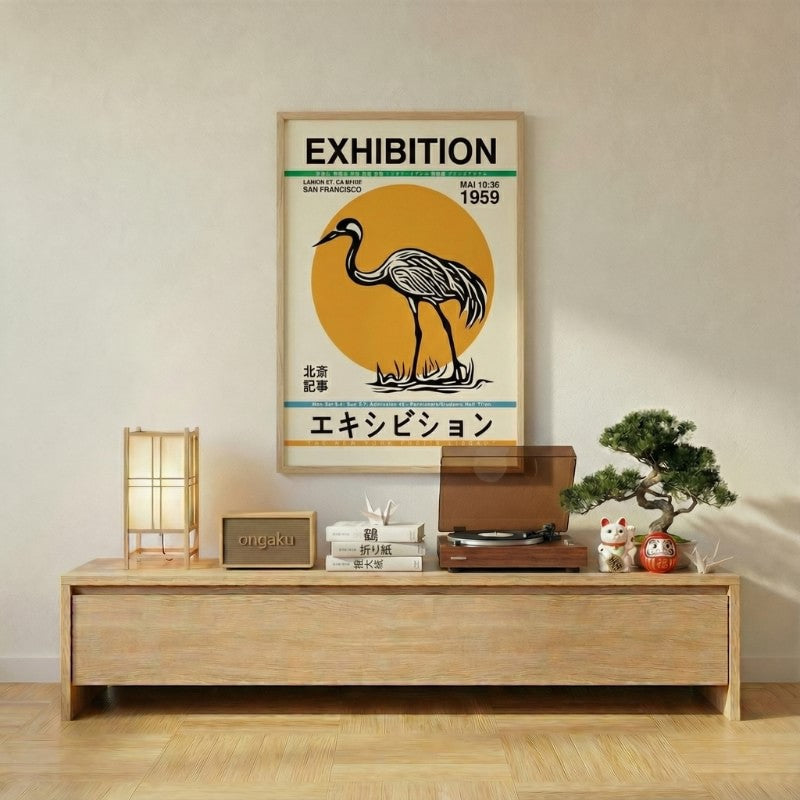
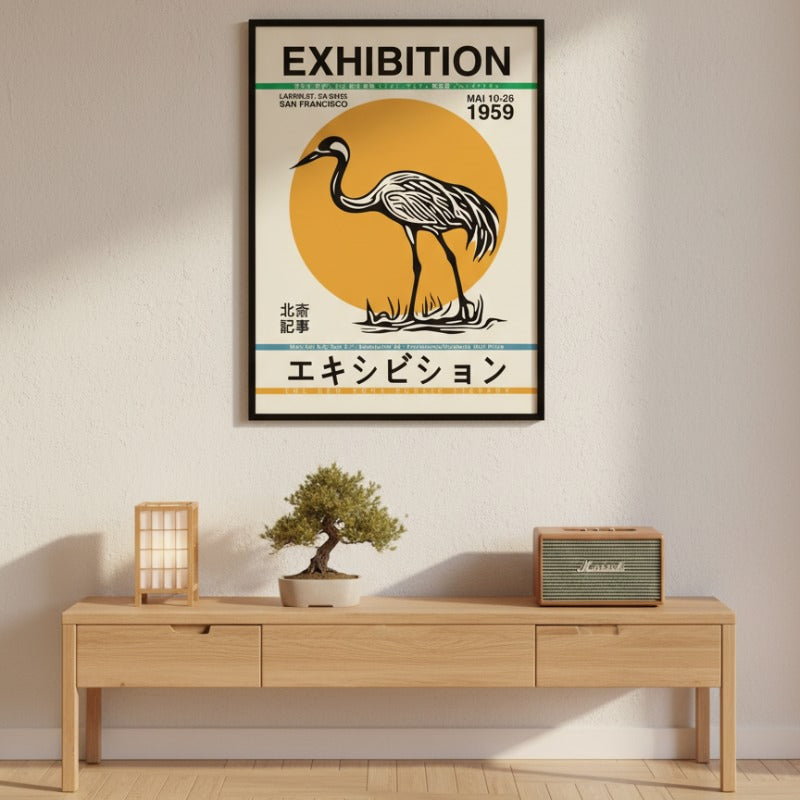
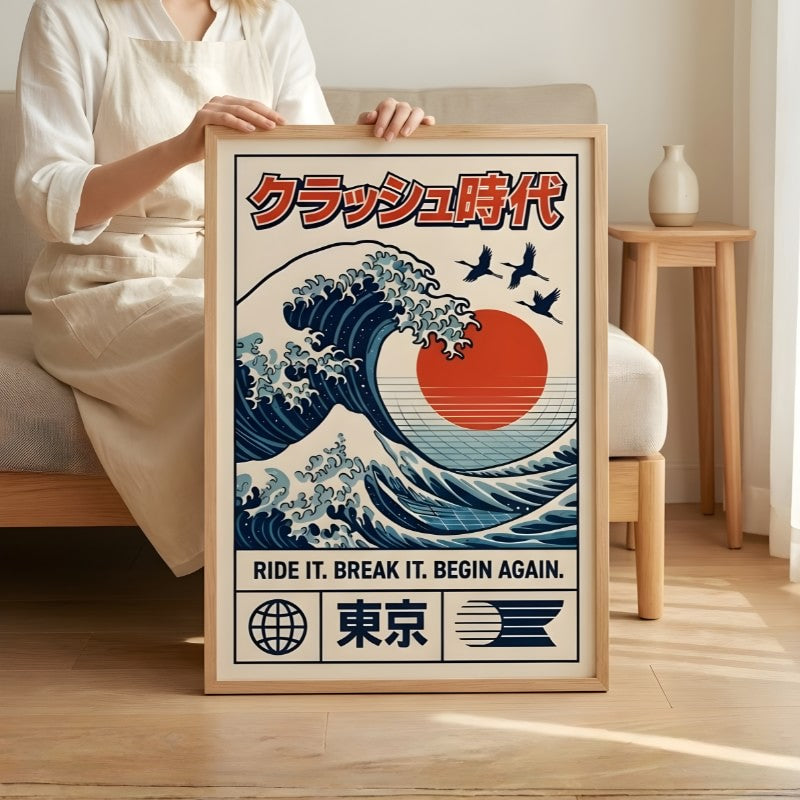
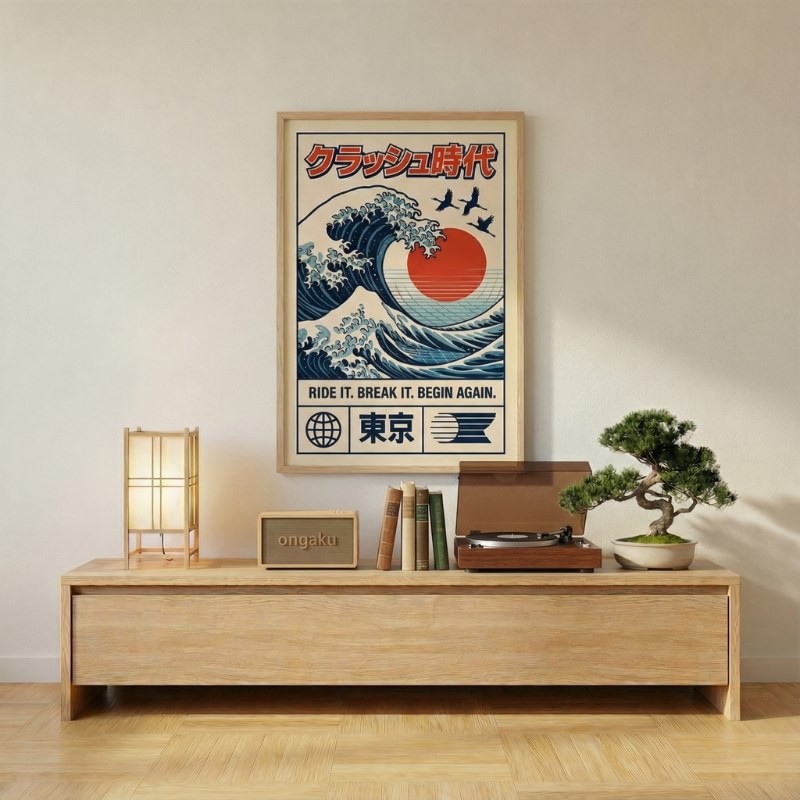
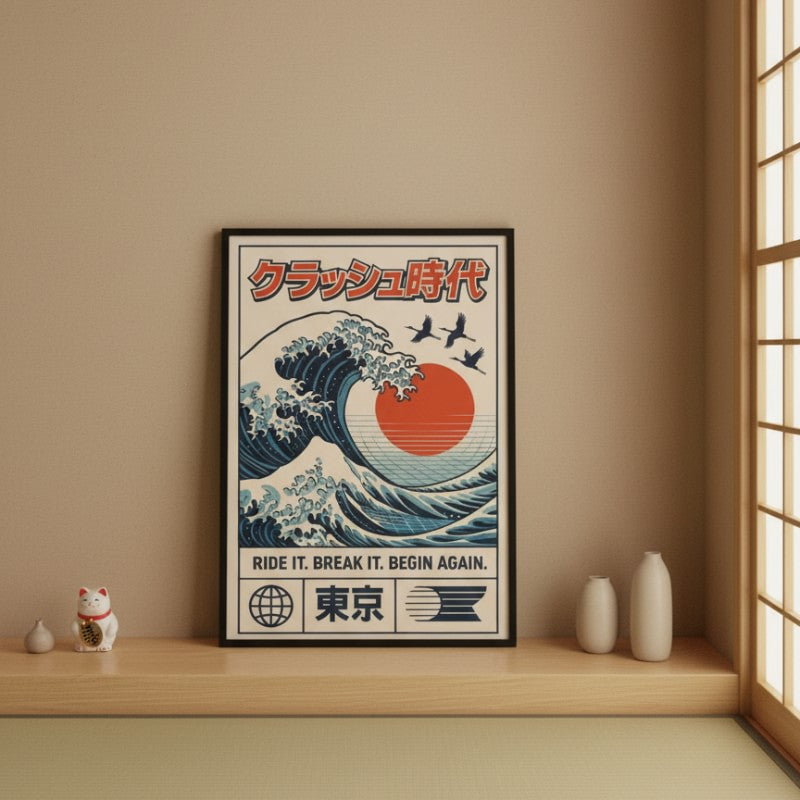
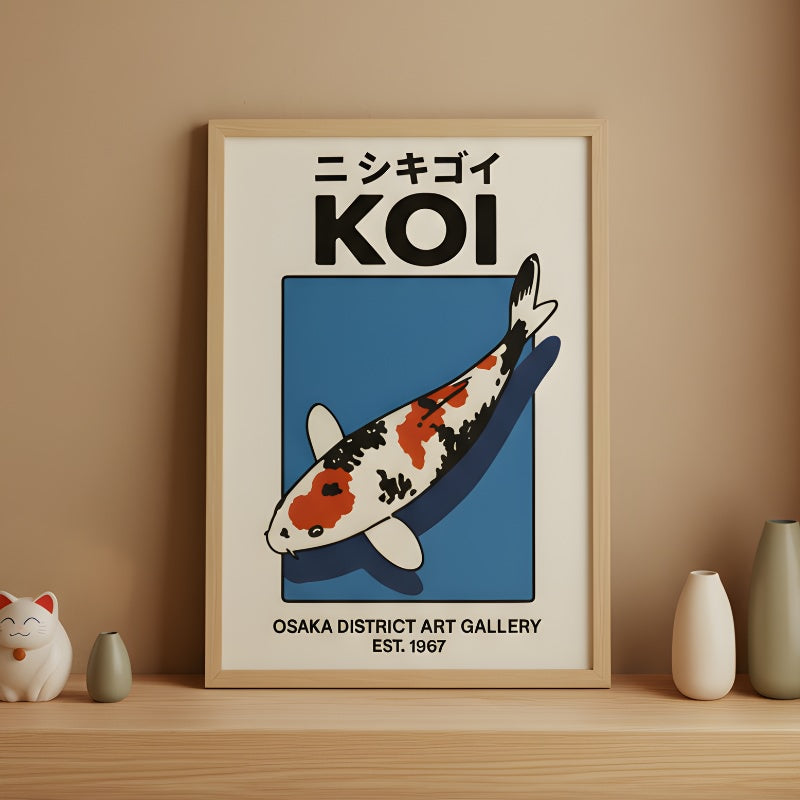
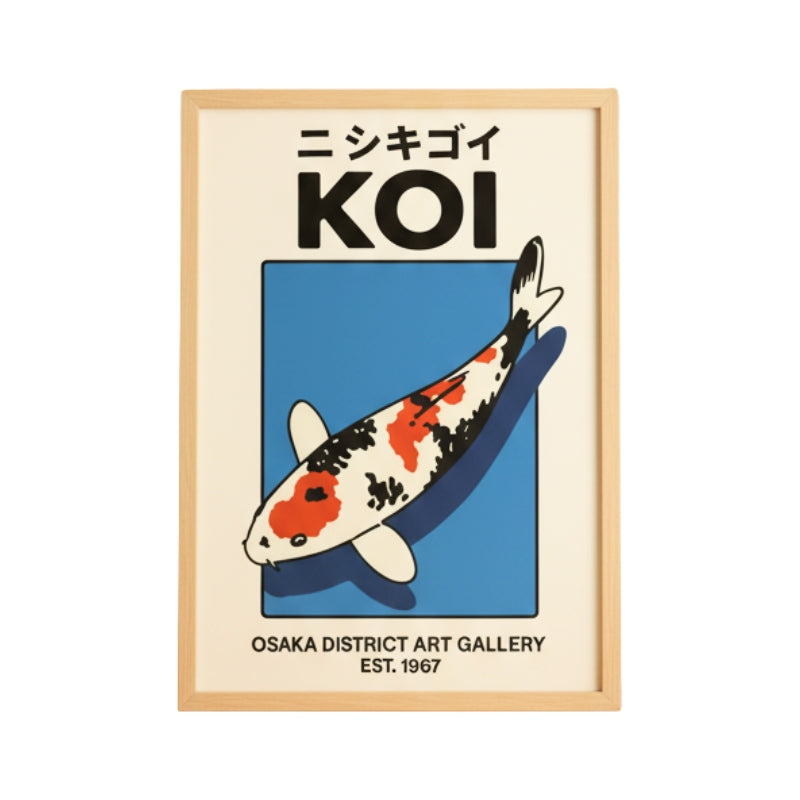
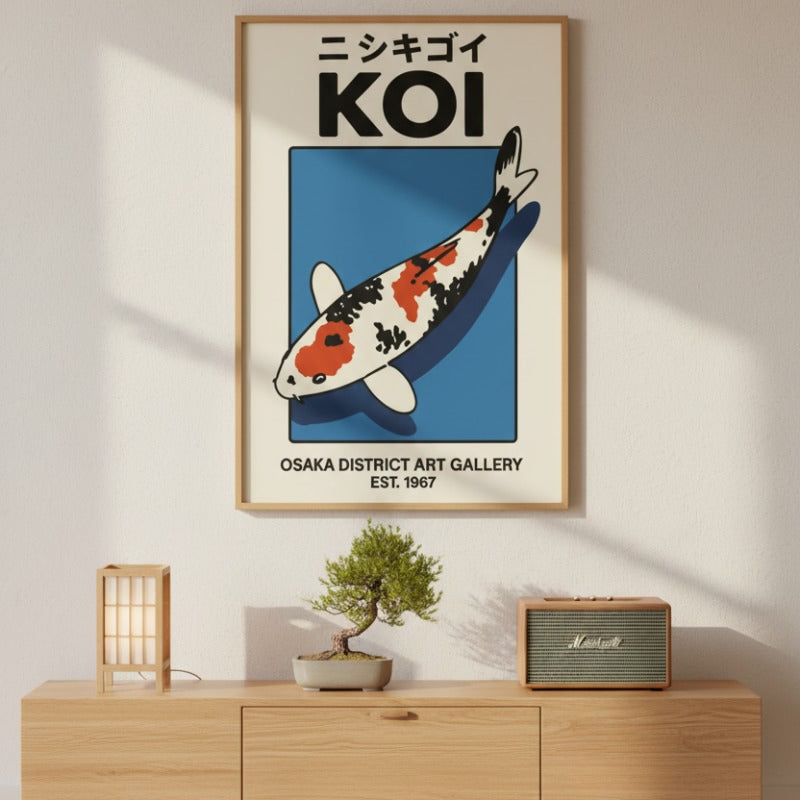
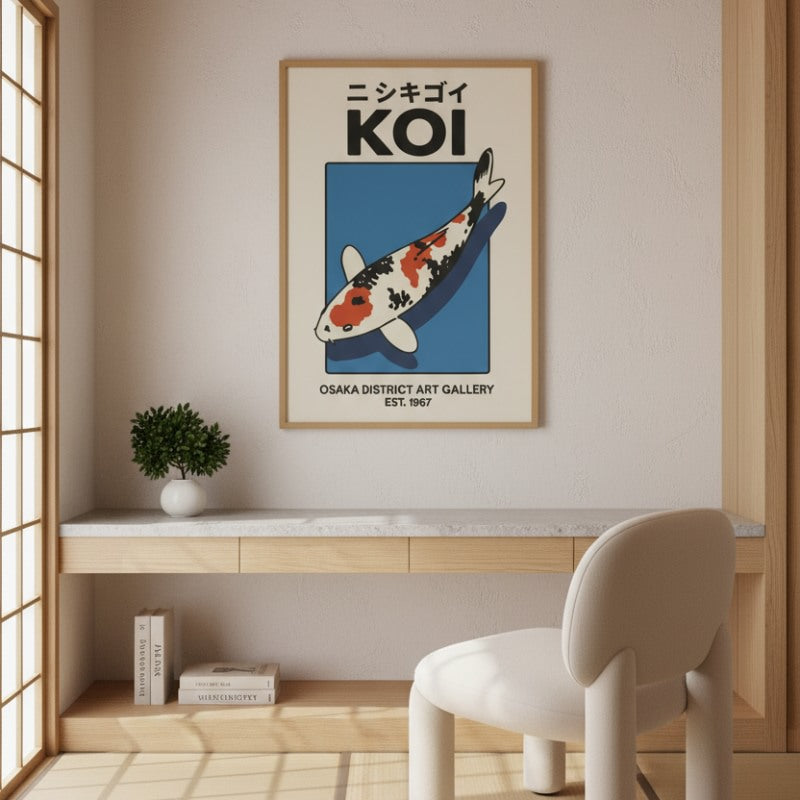
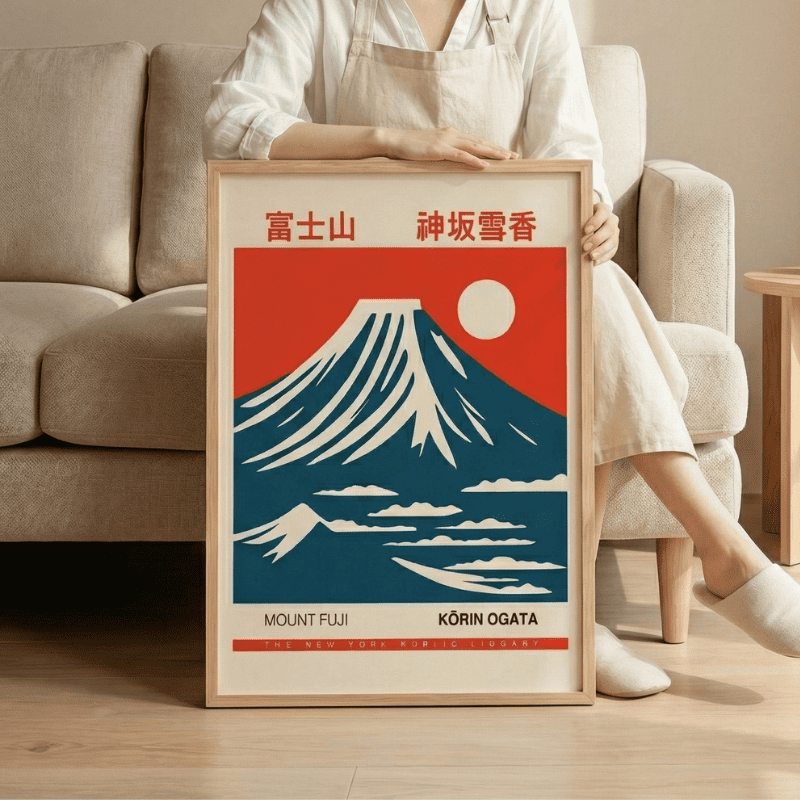
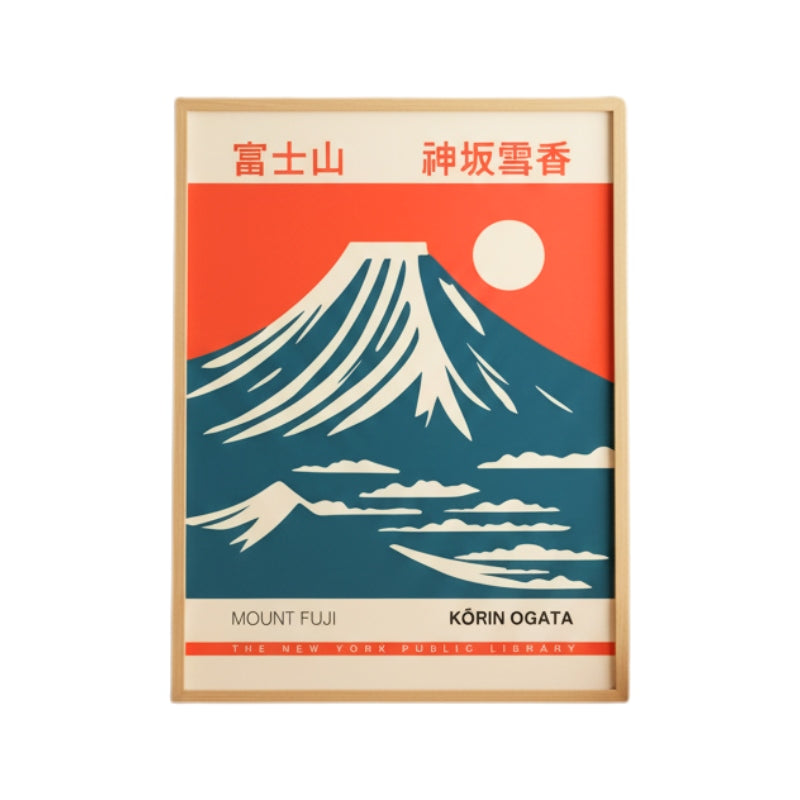
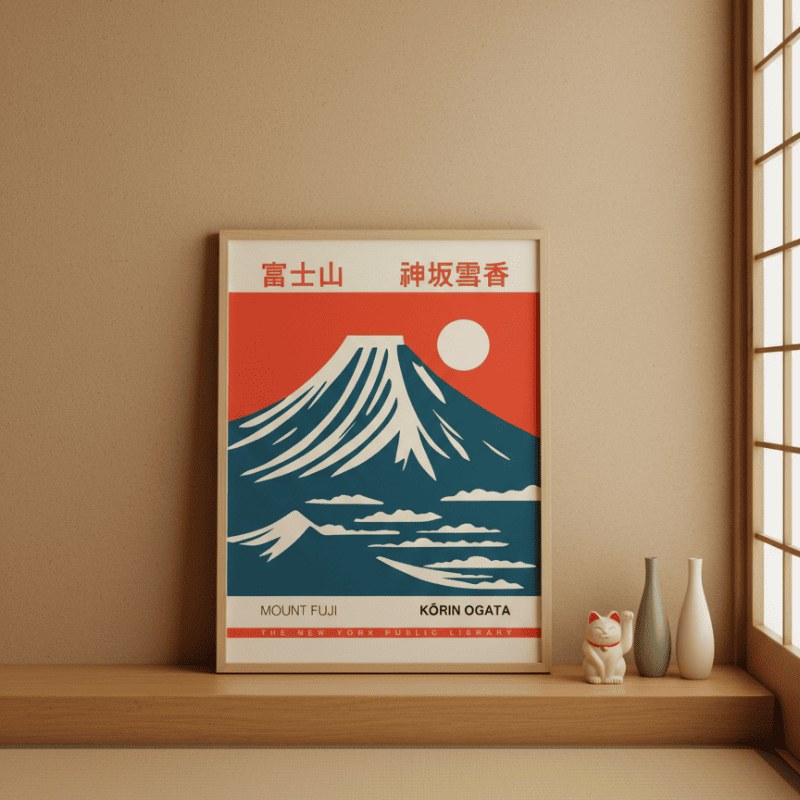
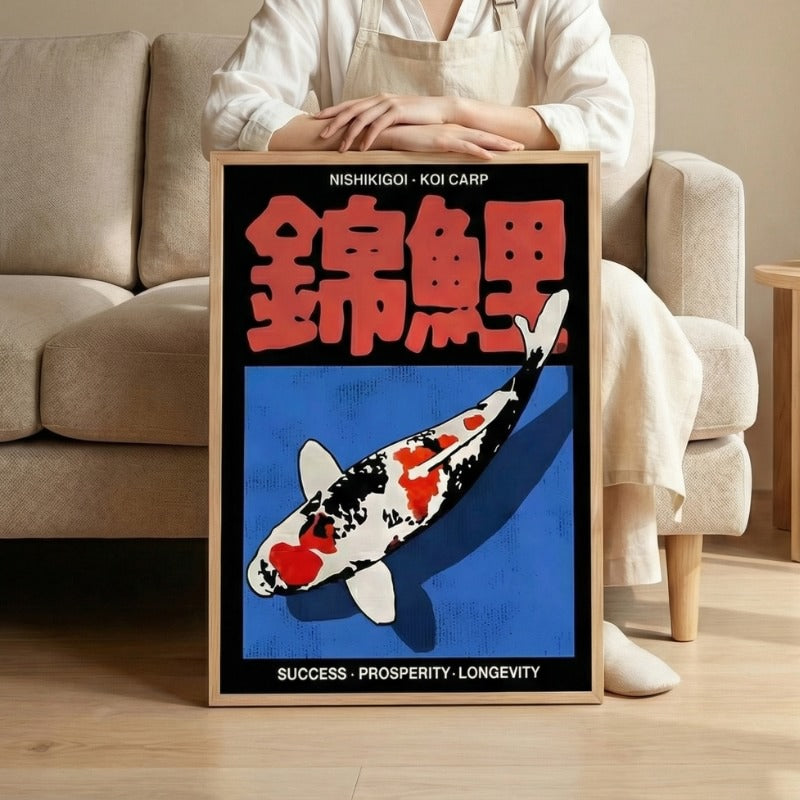
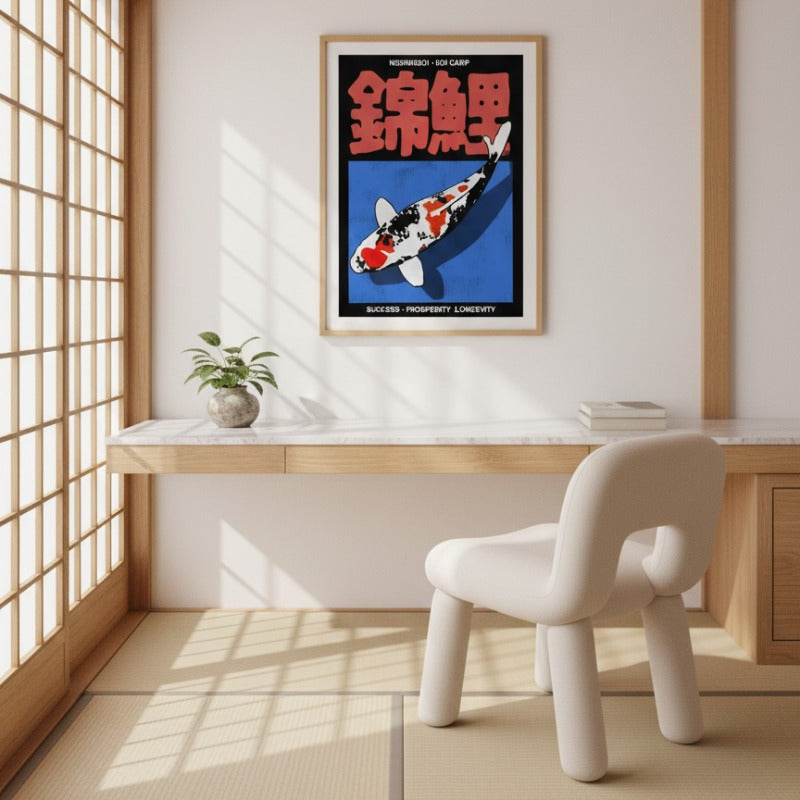
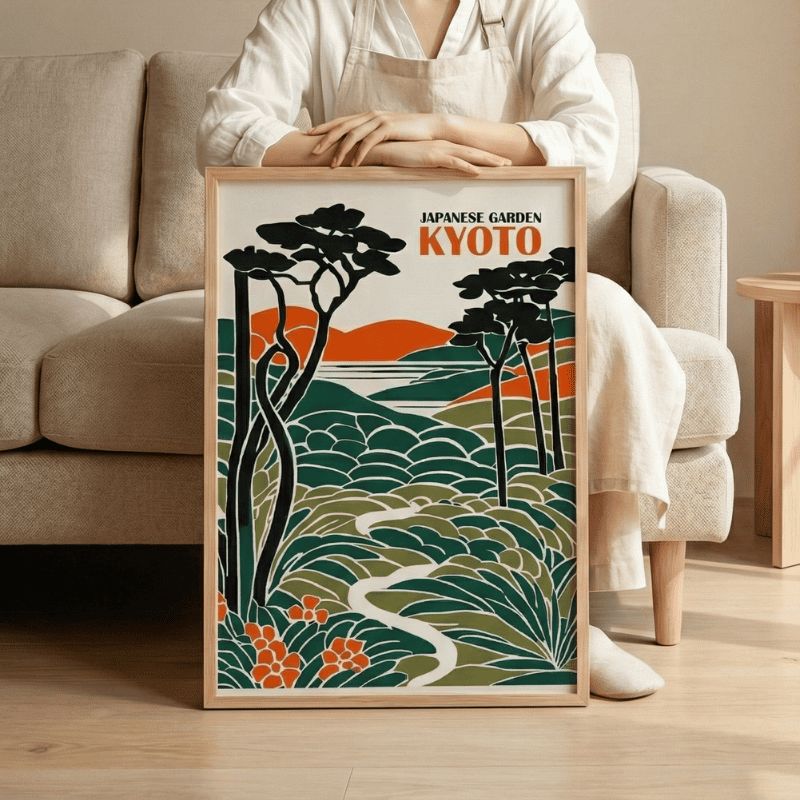
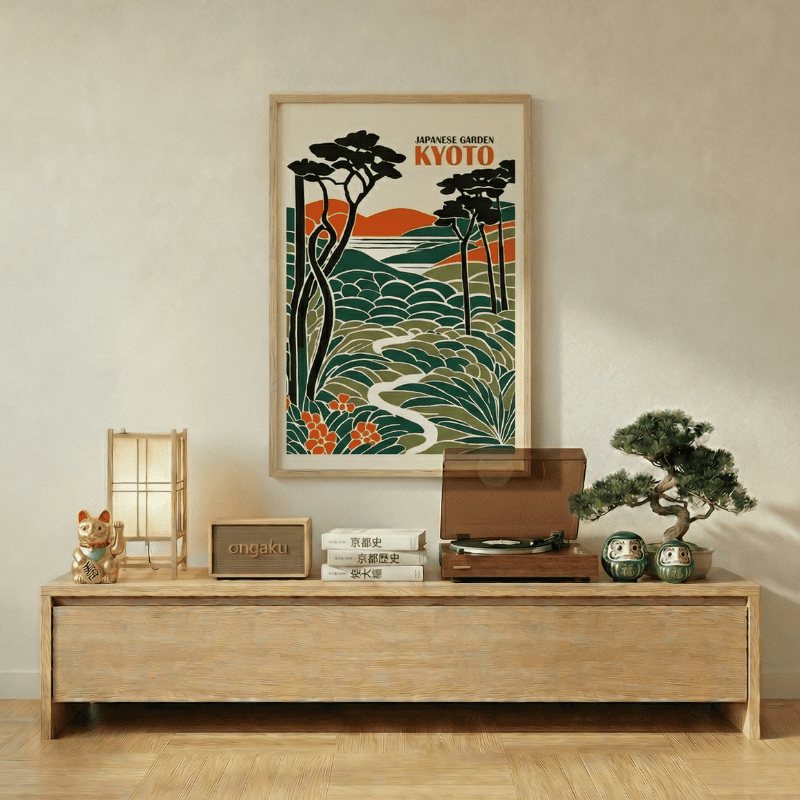
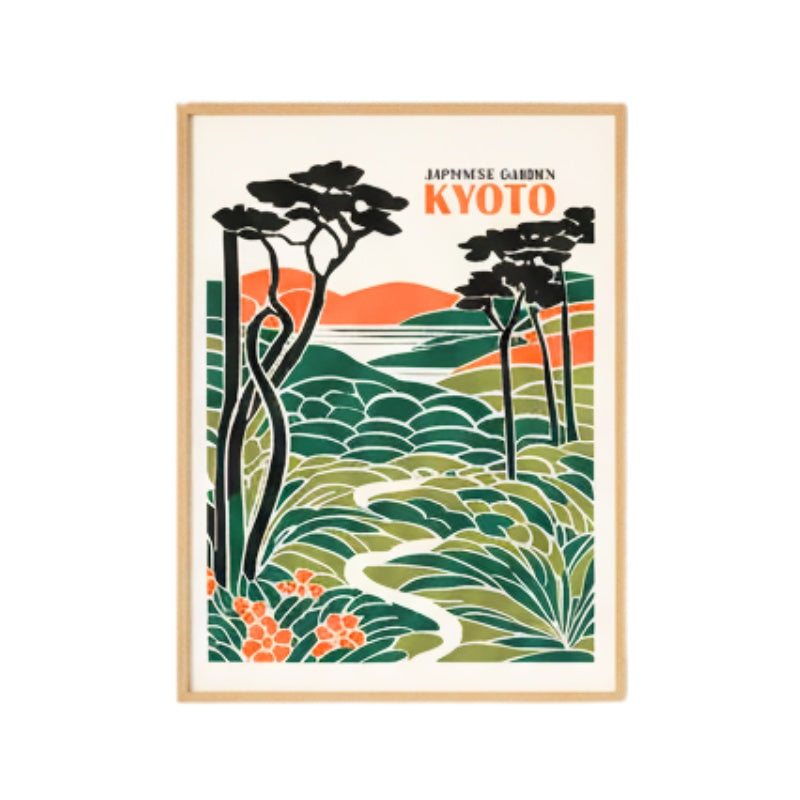
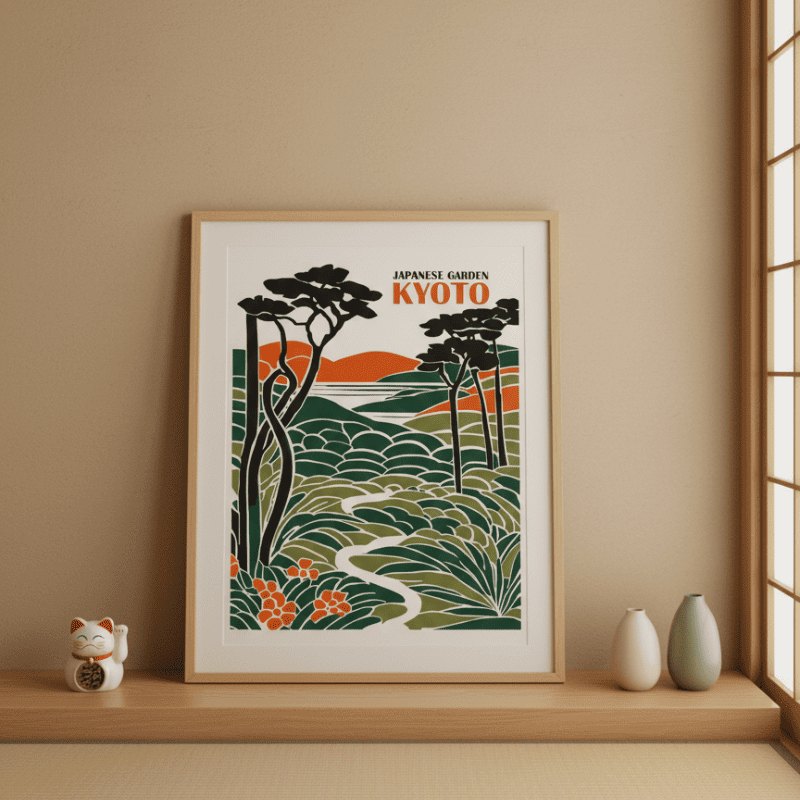
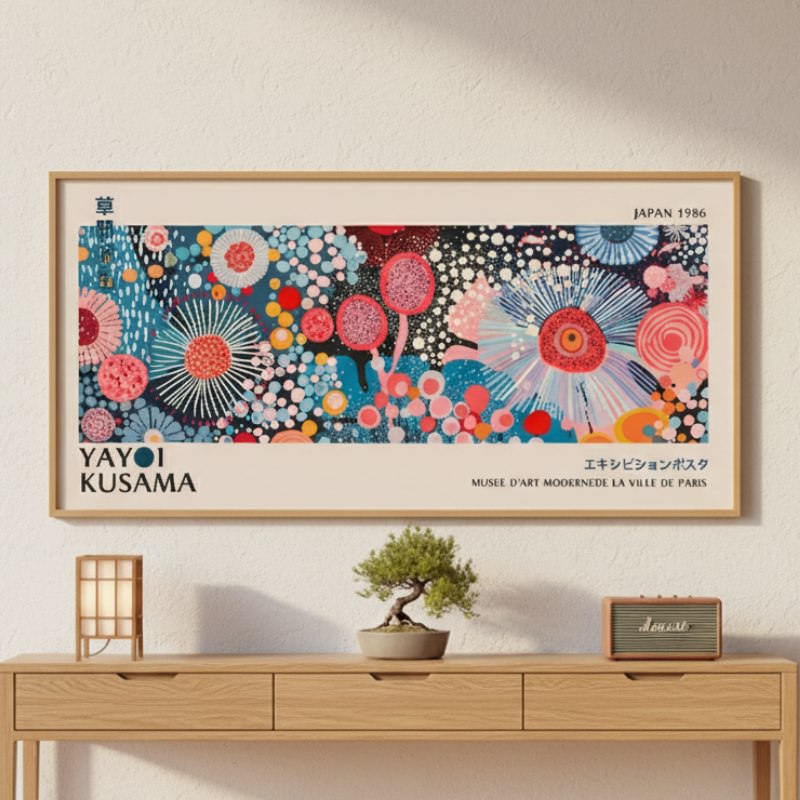
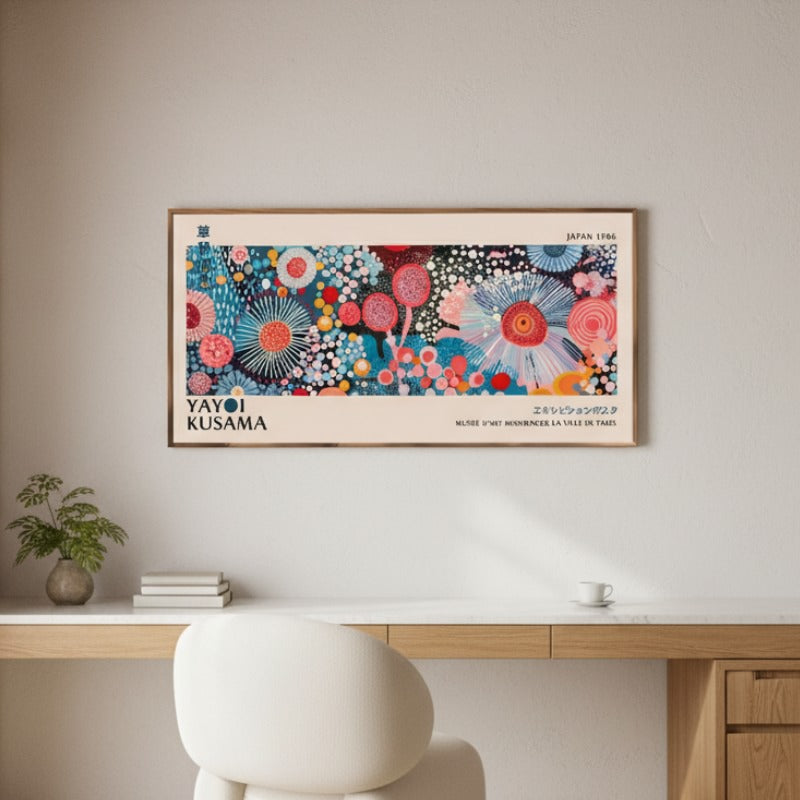
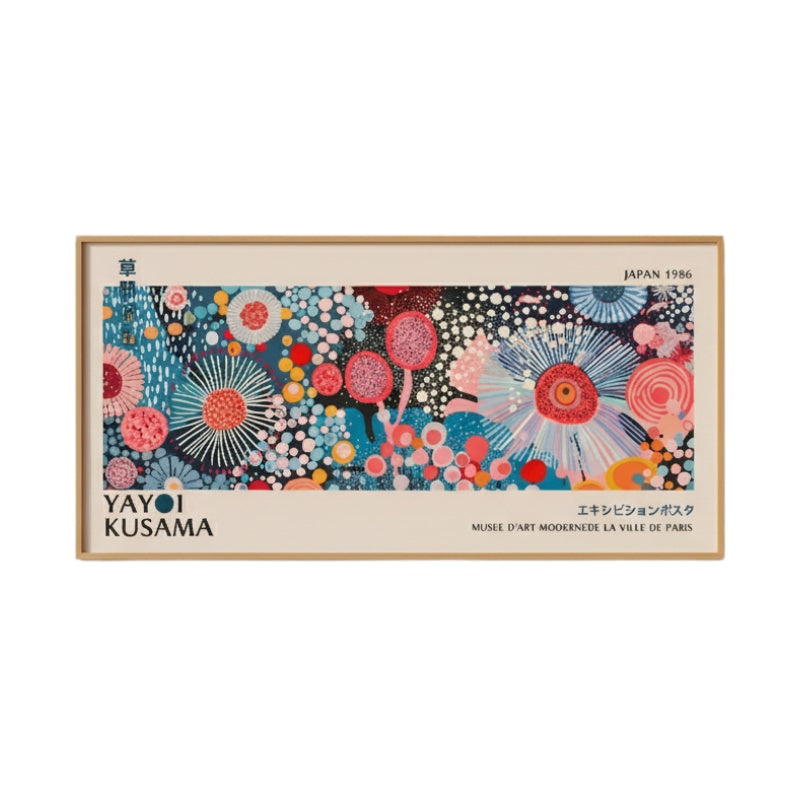
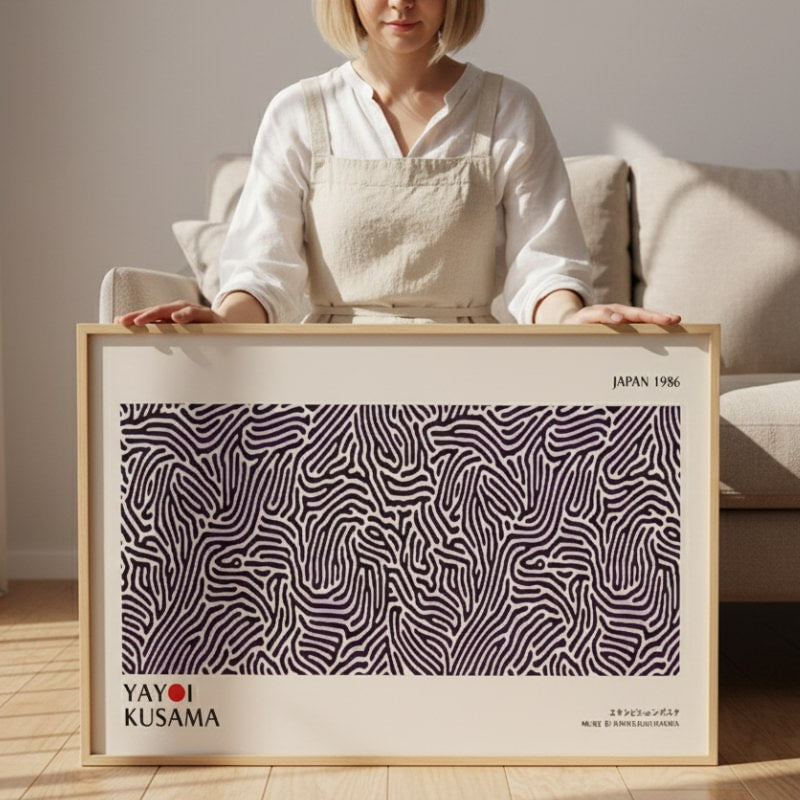
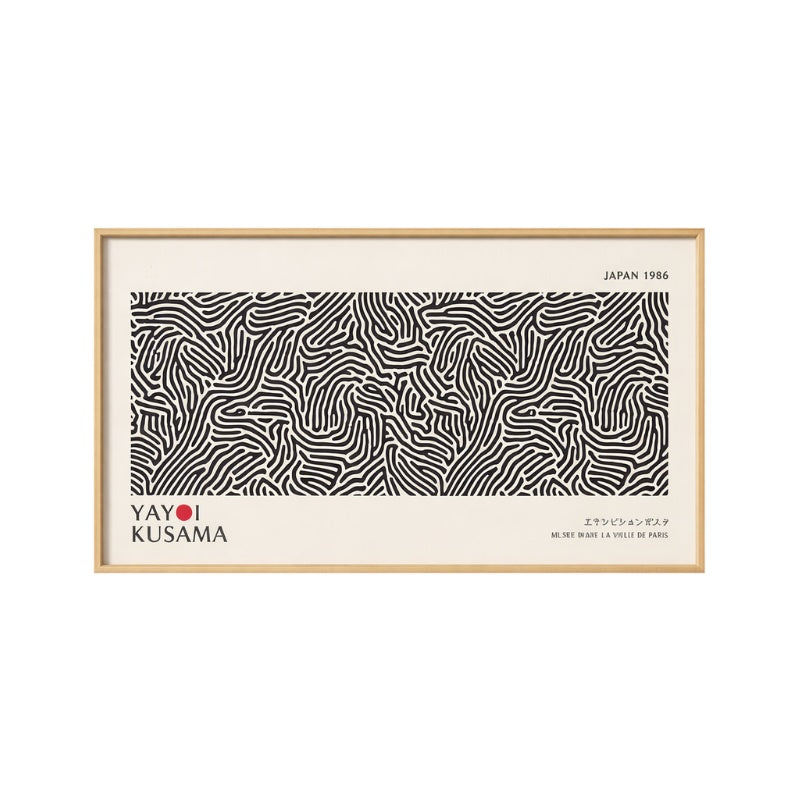
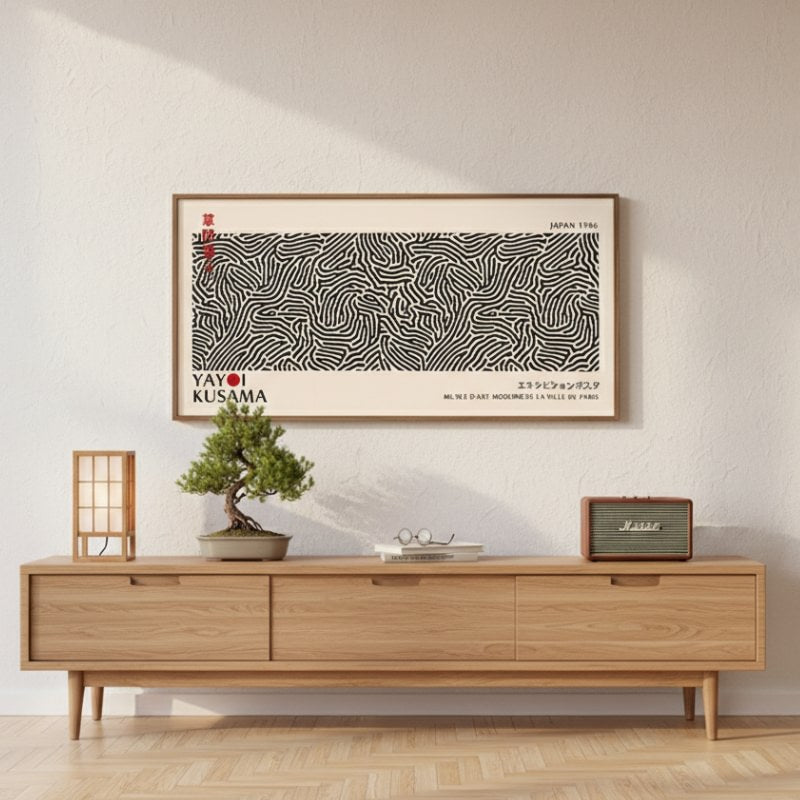
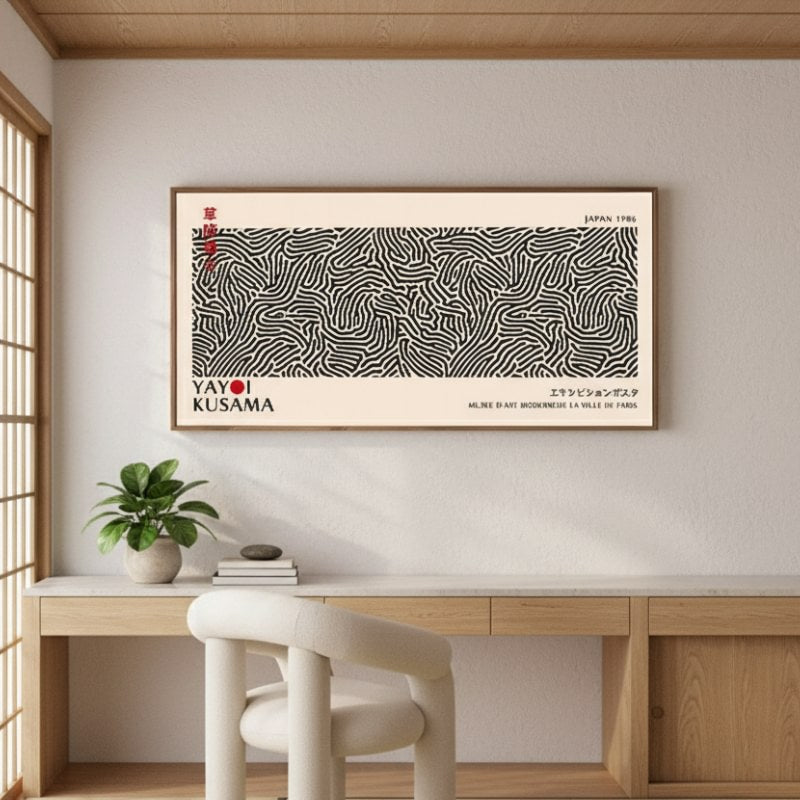
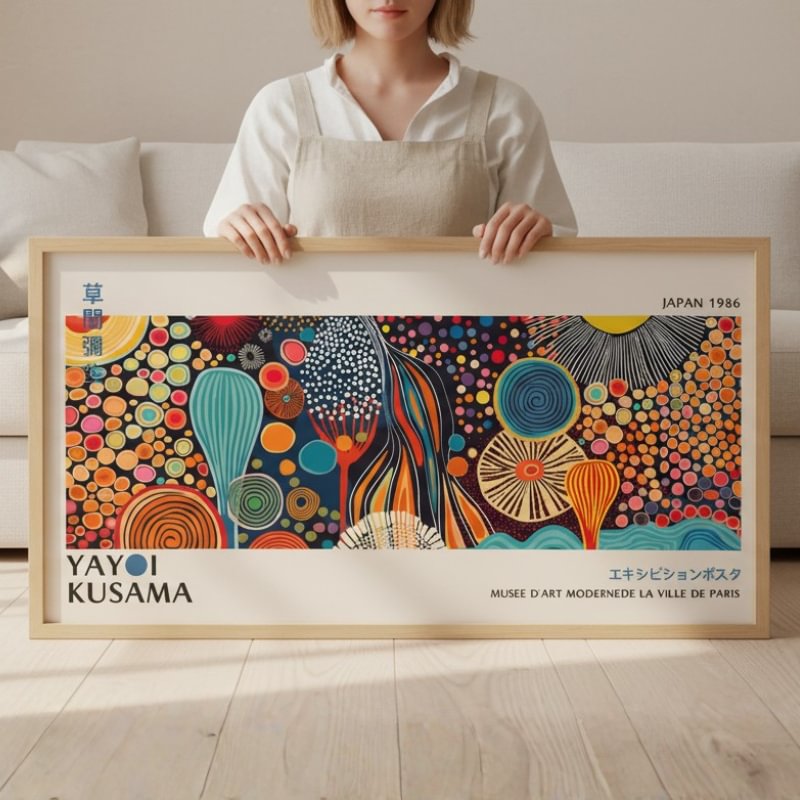
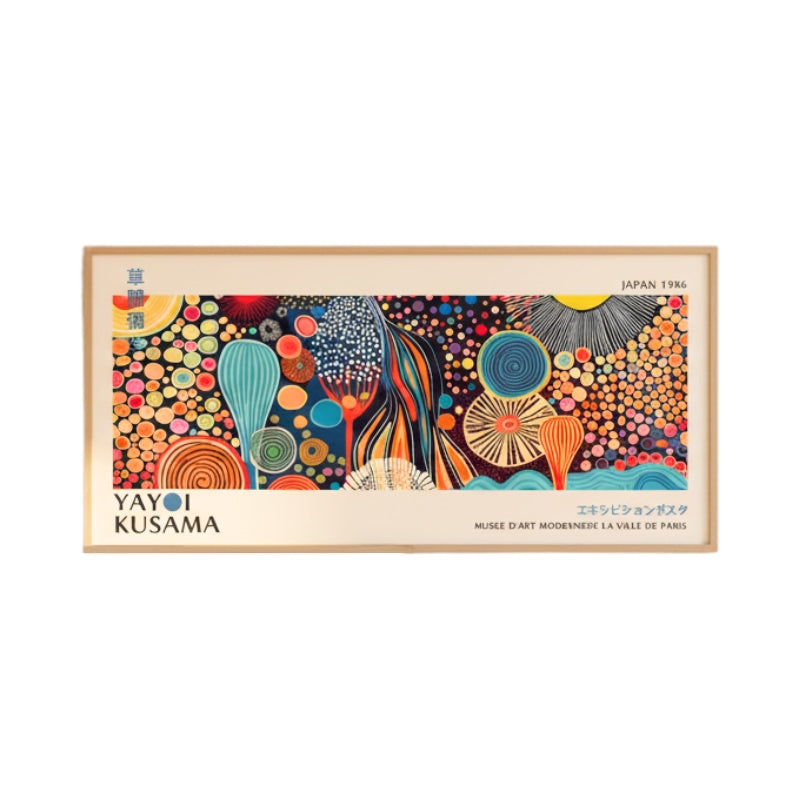
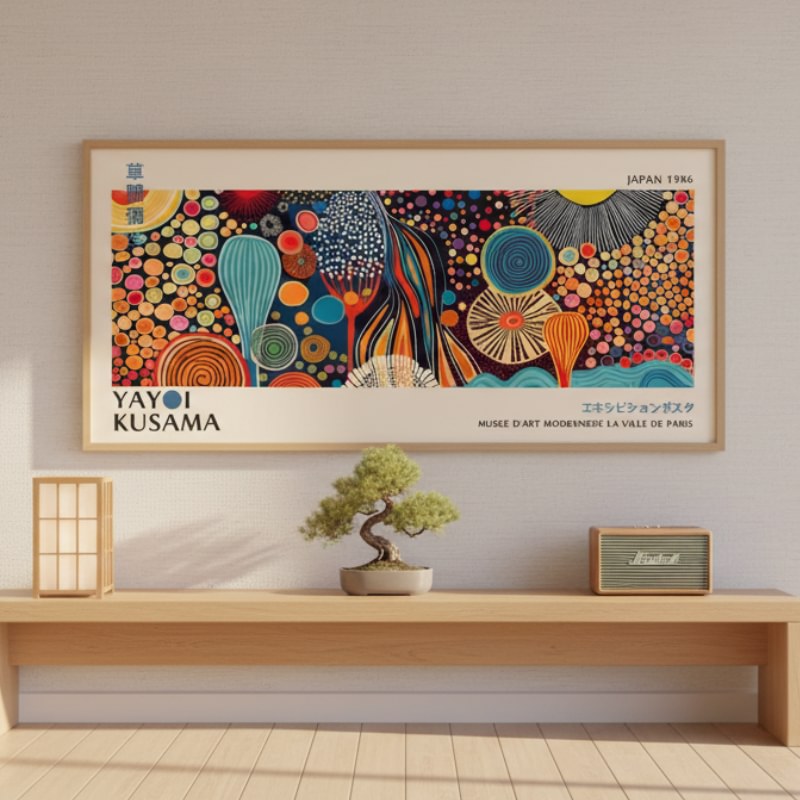
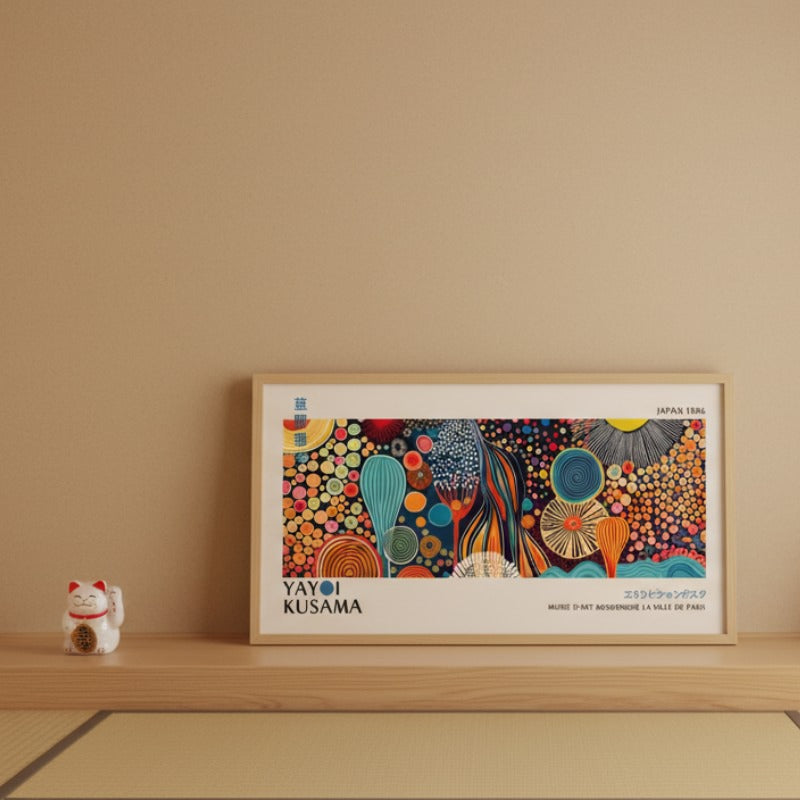
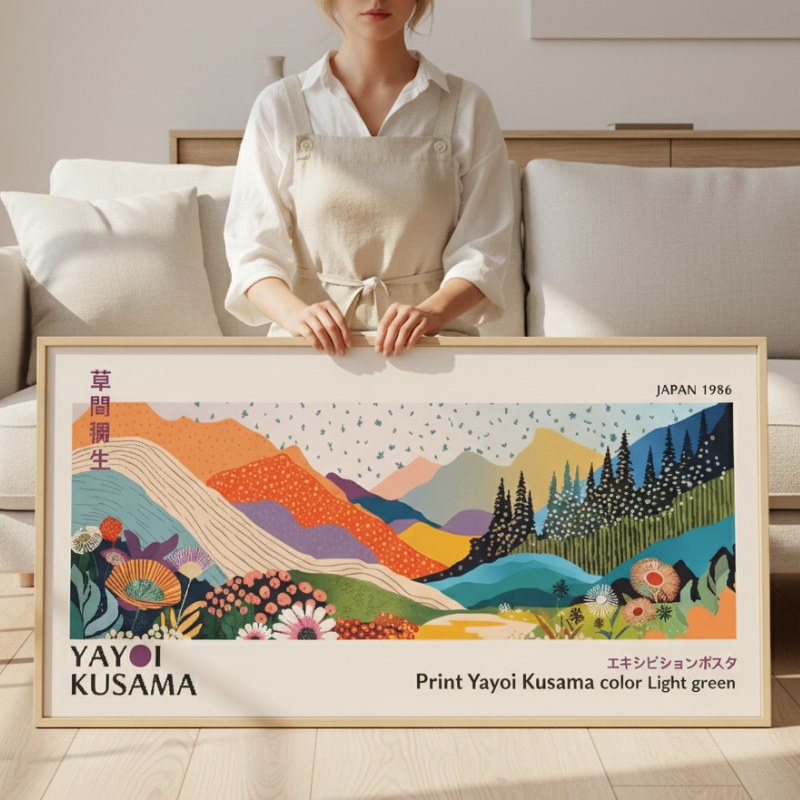
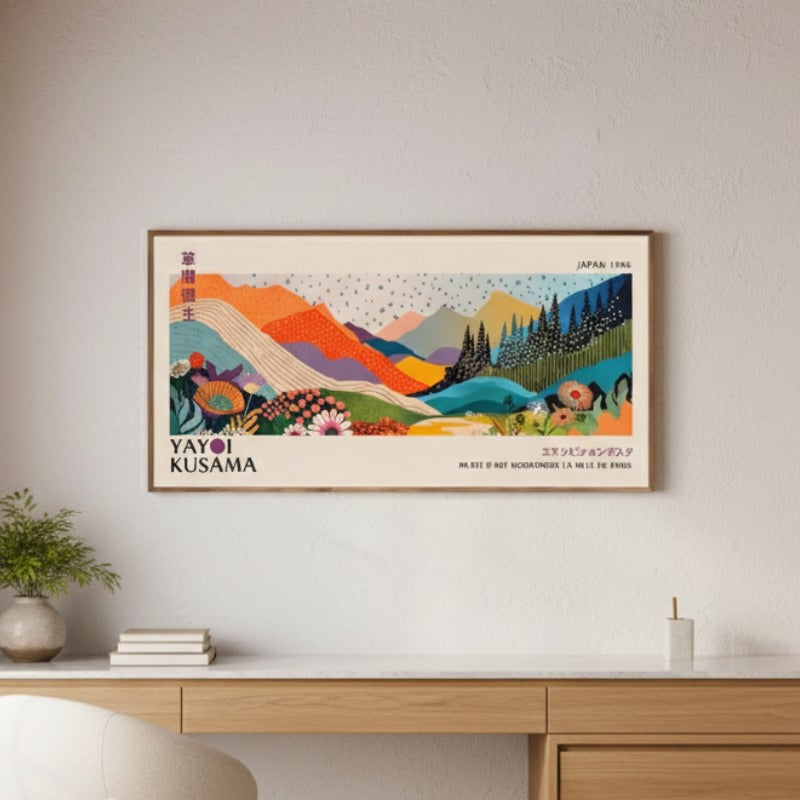
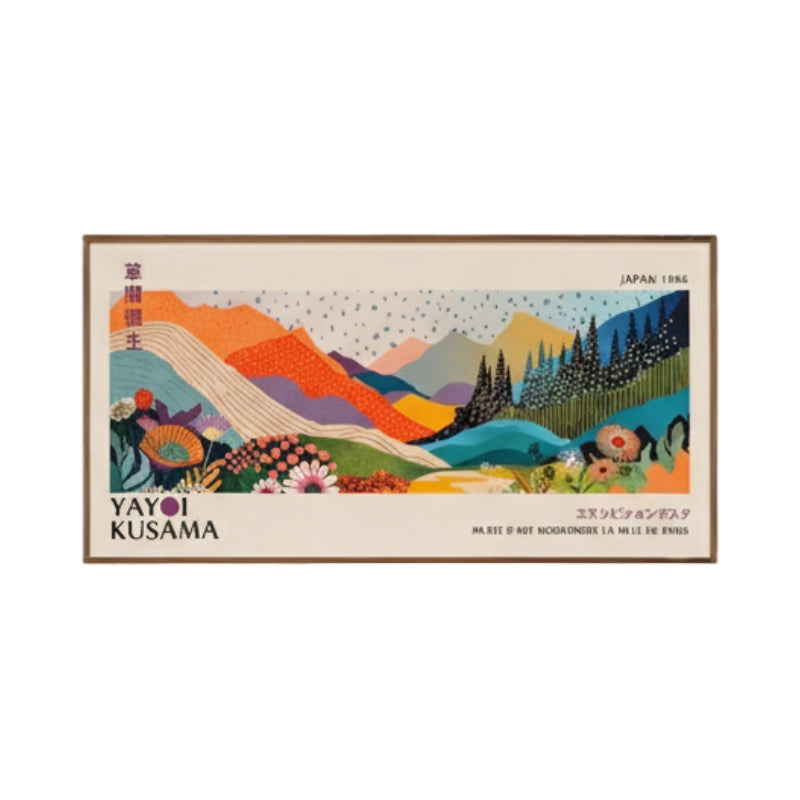
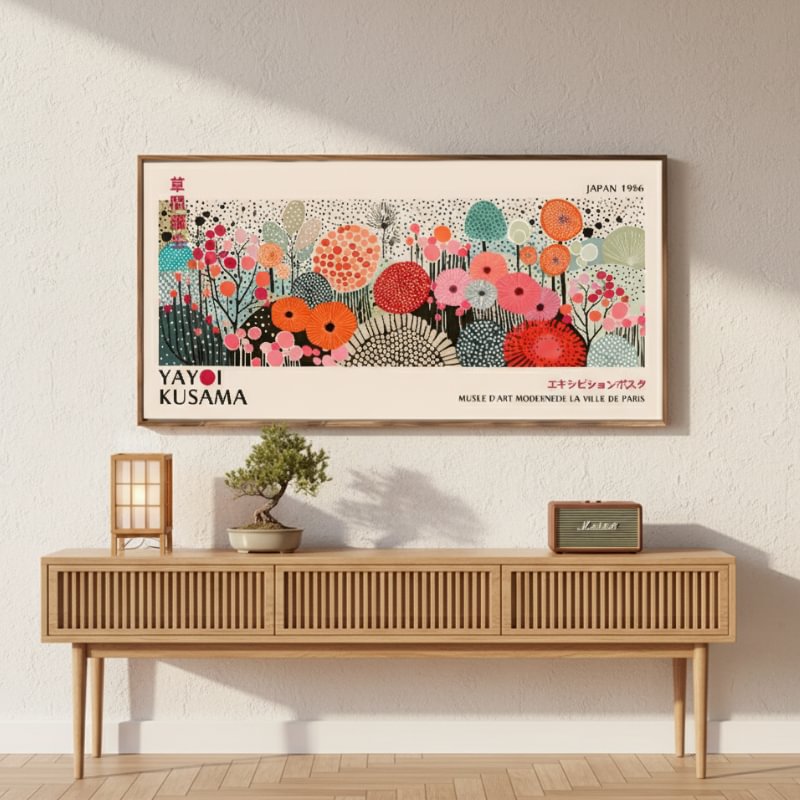
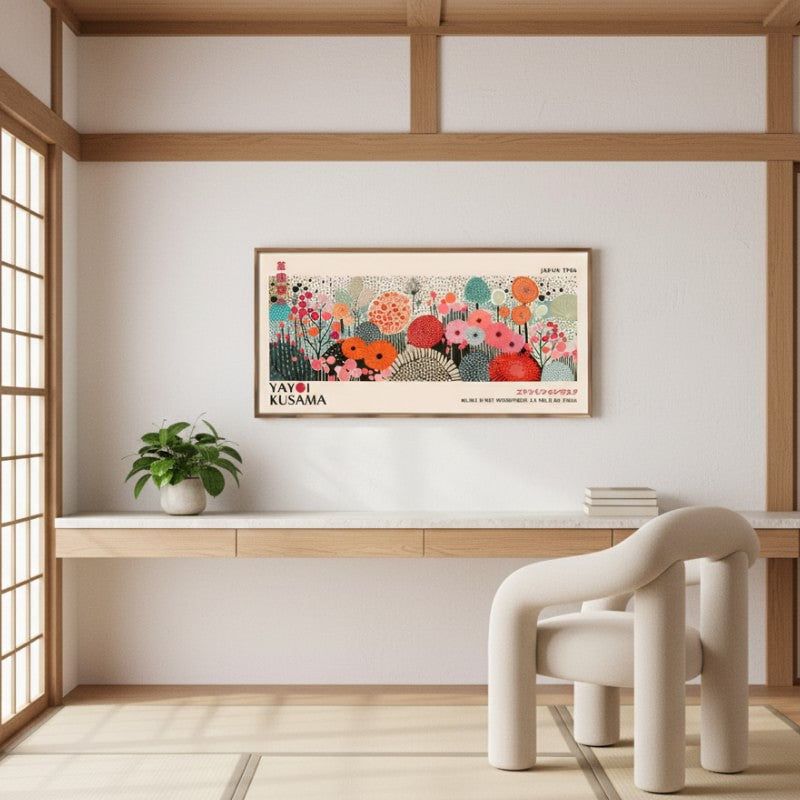
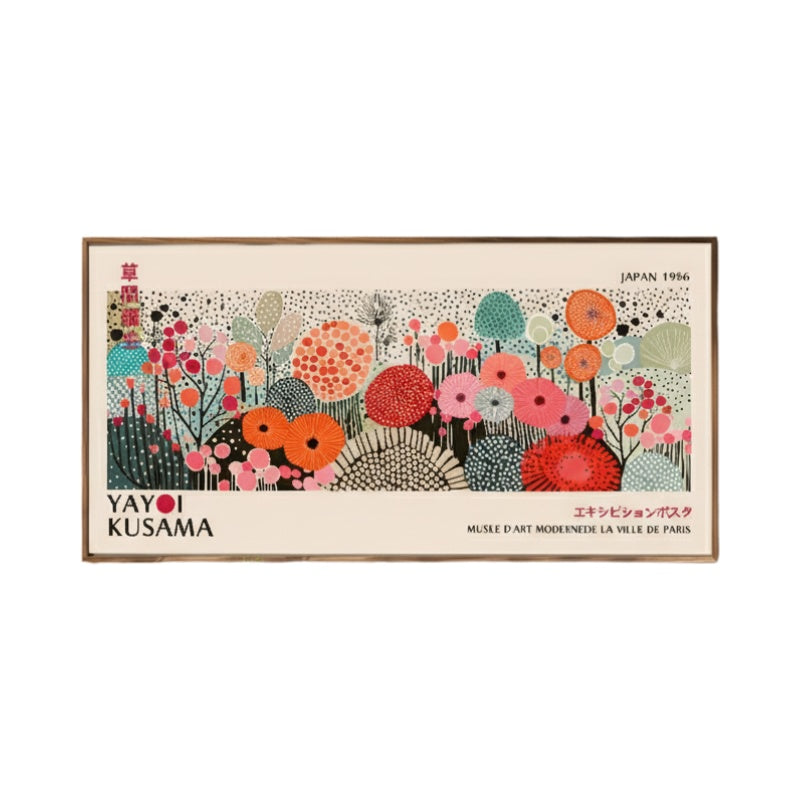
Walls set the tone before anything else. A simple print, scroll, or panel of Japanese painting can introduce mountains, waves, calligraphy, or seasonal motifs without overwhelming the room. When you place artwork at eye level above a low console or futon, the gaze stays calm and the wall feels balanced. Neutral backgrounds, subtle colors, and generous breathing space around the piece help the rest of the decor stay focused and harmonious.
Masks and sculptural accents add a different kind of presence. A carefully displayed Japanese mask can bring a hint of Noh theatre or festival energy into the home, especially when it hangs near a tokonoma-style niche or an alcove shelf. The strong features and stylized expressions invite attention, so one mask usually feels enough for a room. The surrounding decor then stays minimal, with soft textiles and simple ceramics to balance the intensity.
Flowers and branches give Japanese Home Decor a living pulse. An Ikebana Vase does more than hold stems; its form already expresses movement and calm before you place a single branch. When you set a low, asymmetrical vase on a console or at the edge of a table, even one curved twig or single seasonal flower can transform the space. This approach keeps arrangements simple yet deeply intentional, in line with Wabi Sabi values.
Symbols of good fortune and welcome also play a major role. A small shelf near the entrance or in the living room can host a beckoning figurine such as a Maneki Neko cat and a few other charms. Soft light, a wooden tray, and a neutral backdrop help these pieces feel like part of the interior rather than souvenirs. Guests notice the gesture of hospitality immediately, and the space gains a warm, playful note without losing its calm.
Japanese Home Decor objects and meaningful accents
Many homes use symbolic figures to keep motivation and resilience close at hand. A round, wide-eyed Daruma doll often sits on a shelf, desk, or console as a reminder to stay focused on long term goals. People usually color one eye when they set an intention and fill the second when they reach it. This small ritual turns decor into a daily pact between the person and the space, which suits the mindful nature of Japanese Home Decor.
Guardians and blessings also appear through small protective pieces. An Omamori charm can hang discreetly on a door handle, rest near a bed, or sit beside a key tray. The cloth pouch and cord introduce texture and color, while the protective message stays quietly inside. When you integrate Omamori with other objects rather than isolating them, they feel like part of the interior story instead of purely religious items.
Miniature carvings bring tactility and detail to shelves and trays. A finely carved Netsuke figure or small object can rest near books, incense, or ceramics without taking over the scene. The curves, patterns, and expressions invite touch and close observation. In a Japanese Home Decor setting, one or two small carvings often say more than a crowded display, especially when you give them room and good light.
Fans combine utility and ornament in a very direct way. A folded Japanese Fan can sit on a stand, lean against a frame, or rest gracefully on a low shelf. Patterns of cranes, waves, or seasonal blossoms introduce color without heaviness. When you open the fan for a moment and let it breathe, the shape and ribs catch light and cast delicate shadows, which adds movement to an otherwise still corner.
Banners and streamers mark celebration, childhood memories, or seasonal change. In some homes, a set of Koinobori windsocks appears for Children’s Day or stays on display longer as a joyful motif. When you adapt this idea indoors, you can hang smaller versions along a beam, above a window, or near a stairway. The gentle curve of the fish shapes and their flowing tails echo water and sky, which lightens the mood of Japanese Home Decor without breaking its calm structure.
Japanese Home Decor buying guide for each room
Choosing pieces for Japanese Home Decor becomes easier when you think in layers rather than isolated items. A clear idea of color palette, materials, and height guides every new purchase. This mindset mirrors the curated feeling of Japanese style home decor, where each element relates to the others through shared tones, textures, or motifs. Start with a few anchors and then add smaller objects that support the same story.
Living areas respond well to low furniture, soft textiles, and a few precise accents. A calm Japanese room decor arrangement often includes a low table, cushions or floor chairs, a slim console, and one main art piece on the wall. You can then add a vase, a lantern, and a symbolic figure near the seating zone. The goal is clear: keep sight lines open, let the floor breathe, and allow each object to stand out without competition.
Bedrooms work best when you treat them as retreats rather than storage spaces. A simple futon or low bed frame, a small side table, and a short dresser create a base for softer touches. A grouping of Japanese home decor items on the bedside table might include a small ceramic cup, a branch in a bud vase, and a gentle lamp. When you repeat similar tones in curtains and bedding, the room gains a unified, restful presence.
Entrances and hallways give the first impression of Japanese Home Decor. A narrow console can hold a tray for keys, a small vase, and one or two symbolic objects. A balanced mix of shoe storage, hooks, and discrete lighting keeps the area practical without clutter. This zone works well for a subtle phrase like home decor Japanese, where function and ritual meet in a compact footprint that still expresses identity.
Outdoor and semi-outdoor zones extend the collection beyond interior walls. Stones, gravel, water bowls, and lanterns all shape the boundary between house and garden. A few carefully placed ornaments, low benches, and potted trees already create the feeling of Japanese garden decor. When you step outside, the same logic of simplicity and balance follows you, so interior and exterior feel like connected chapters of one story.
As you combine rooms into a larger whole, coherence matters more than quantity. A thoughtful Japanese decor interior scheme repeats certain woods, fabrics, and motifs through the home. For example, you might echo the same shade of indigo in cushions, wall prints, and a table runner, while ceramic glazes share complementary tones. This repetition links spaces together, so moving from one room to another feels smooth and intentional.
Japanese Home Decor styling, care, and daily rituals
Japanese Home Decor rewards steady, gentle care. Dusting with a soft cloth keeps wood, ceramics, and lacquer looking warm and alive. You can rotate small objects on shelves according to season, letting some pieces rest in storage while others come forward. This rhythm prevents visual fatigue and gives every item time to feel special again when it returns to view.
Wall pieces and textiles also need thoughtful attention. Prints and fabrics avoid direct, harsh sunlight, which protects pigments and fibers. When you hang art or hangings that reflect Japanese wall art sensibilities, consider how natural light moves through the day. A slight shift in height or position can reduce glare and make colors read more softly, which suits the overall calm of Japanese Home Decor.
Symbolic objects benefit from small, regular rituals. You might dust a shelf that holds a Maneki Neko cat, a Daruma, and an Omamori every few days, light incense nearby on special occasions, or change the branch in a vase according to the season. These gestures keep decor from becoming static decoration. Instead, the home behaves like a living environment that responds to time, mood, and intention.
Storage plays a part in care as well. Boxes or drawers for seasonal items, festival pieces, and delicate accessories help protect them when they rest. When you decide to bring out a Netsuke, a fan, or small charms again, they feel fresh even though they already belong to the home’s memory. This cycle of appearing, resting, and returning fits naturally with Wabi Sabi and avoids visual overload.
Over time, Japanese Home Decor starts to tell a story about the people who live with it. Wood darkens slightly where hands rest most often, textiles soften, and ceramics collect tiny marks that never feel like damage. The interior grows more personal every year. With careful choices and gentle habits, this collection allows each room to feel both composed and alive, quietly reflecting the values of Wabi Sabi through honest materials and meaningful details.