Read more
Japanese Lamp atmosphere and cultural roots
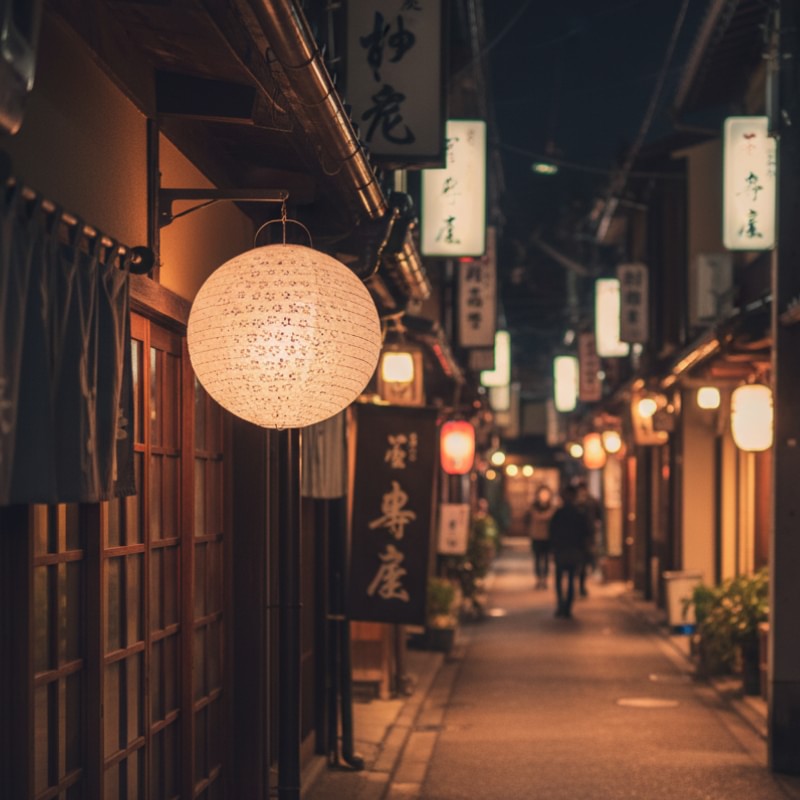
A well chosen Japanese Lamp does more than brighten a corner. Traditional andon and shoji lights guided evenings in Edo-period homes and streets, with washi paper stretched over wooden frames to protect the flame and soften the beam. These lantern forms allowed life to continue after sunset while keeping the mystery of the night intact, rather than washing it out with harsh light.
That same spirit lives today in every refined Japanese Lantern on a console, shelf, or tatami mat. Paper and fabric diffusers translate point light into a cloud of softness, so faces look gentle and materials keep their depth. In many traditional houses, light filters through shoji screens along the engawa and spreads in a quiet gradient across wood floors, an approach that still inspires interior designers who seek soft, indirect illumination instead of direct beams.
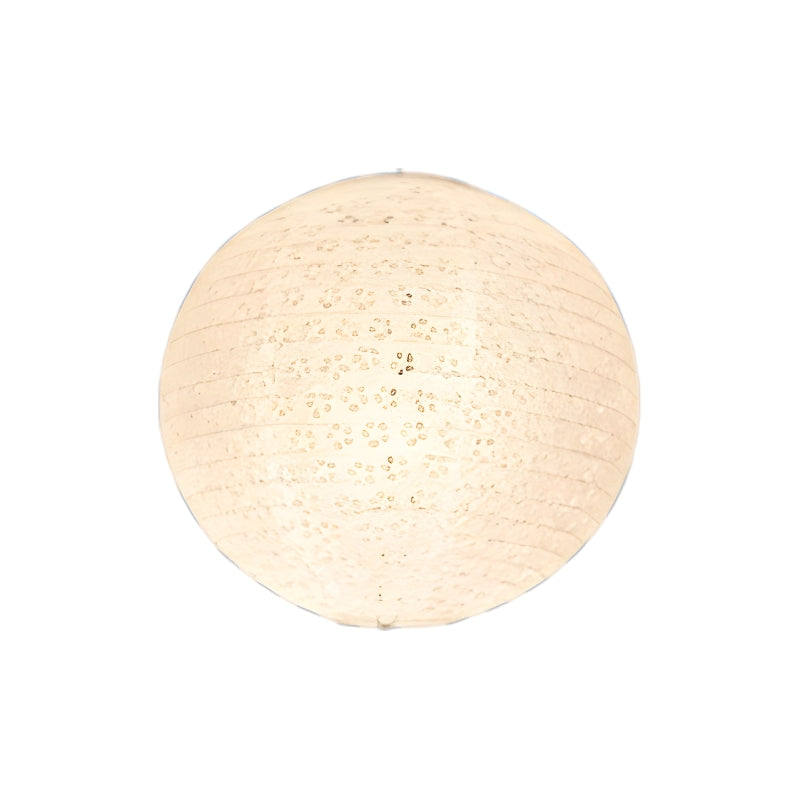
Rice paper and mulberry-bark washi sit at the heart of Japanese Lamp history. Craftspeople stretch these papers over bamboo or wire ribs to build shades that weigh almost nothing yet hold their form over decades. The famous Akari light sculptures by Isamu Noguchi follow this idea and use handmade washi to create weightless lanterns that feel like drawn light in the air. A thoughtfully placed Paper Lamp in a corner or beside a sofa continues this line, translating a simple bulb into a warm, lunar glow.
Bedrooms and living rooms benefit from balance between quiet tradition and modern comfort. Many homes reserve a cool accent, such as a subtle Neon Light for bedroom detail over a shelf, while the main Japanese Lamp sets the tone with warm, low brightness. The neon accent adds a playful line, but the paper or fabric shade still defines the mood, just as lanterns once shaped the boundary between night streets and intimate interiors.
Japanese Lamp features and aesthetic advantages
Structure, material, and shade geometry work together in every Japanese Lamp. Bamboo and timber frames carry the language of shoji joinery into lighting, with mortise-and-tenon construction that stands firm without visible screws. A carefully proportioned Bamboo Lamp draws on this carpentry and lets light slip between slats, which creates moving patterns on surrounding walls and floors while the frame itself stays light and elegant.
Kumiko latticework brings another level of craft. Thin wooden strips meet at precise angles and lock together under tension to form geometric motifs like asanoha (hemp leaf) or kikkō (tortoise shell). When a designer wraps this technique around a shade, the result becomes a luminous sculpture. A finely detailed Kumiko Lamp throws delicate patterns of light and shadow across the room, echoing the feel of a traditional tea house while still working in a modern interior.
Folded shades add a more sculptural note without losing restraint. A well proportioned Origami Lamp uses pleated paper or fabric to break the surface into facets, so each segment catches and releases light differently. The folds guide the eye upward or outward and give motion to the glow, especially when the lamp hangs over a low table or stands beside a clean wall that picks up the pattern.
Floor models anchor the lower part of the room and stretch light vertically. A minimal Japanese floor lamp with a rice paper cylinder or slim shoji frame sets a quiet line near a chair or futon, filling corners that often stay dark under a single ceiling fixture. Rice paper diffuses the bulb into an even column of light, which helps the room feel taller without overwhelming it.
Some interiors call for more than one vertical accent. Tall japanese paper floor lamps can stand in pairs at the edge of a tatami area, behind a sofa, or on either side of a tokonoma-style niche. Their slender silhouettes frame artwork and plants while the shades throw soft gradients on nearby surfaces. Houses in Gifu still produce Mino washi for this kind of lamp, and that craft knowledge informs many current designs that focus on warmth and longevity.
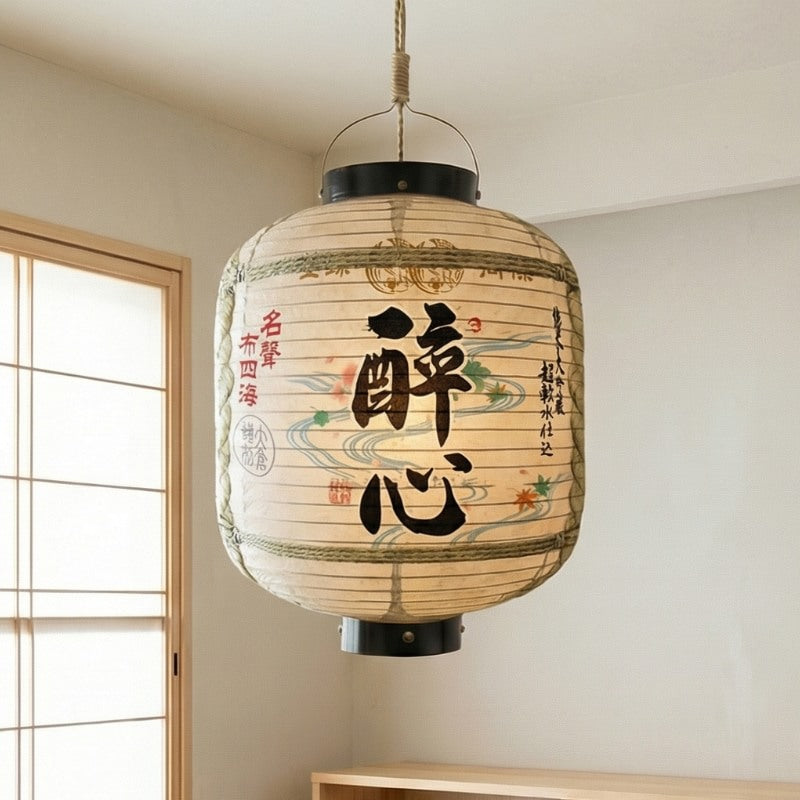
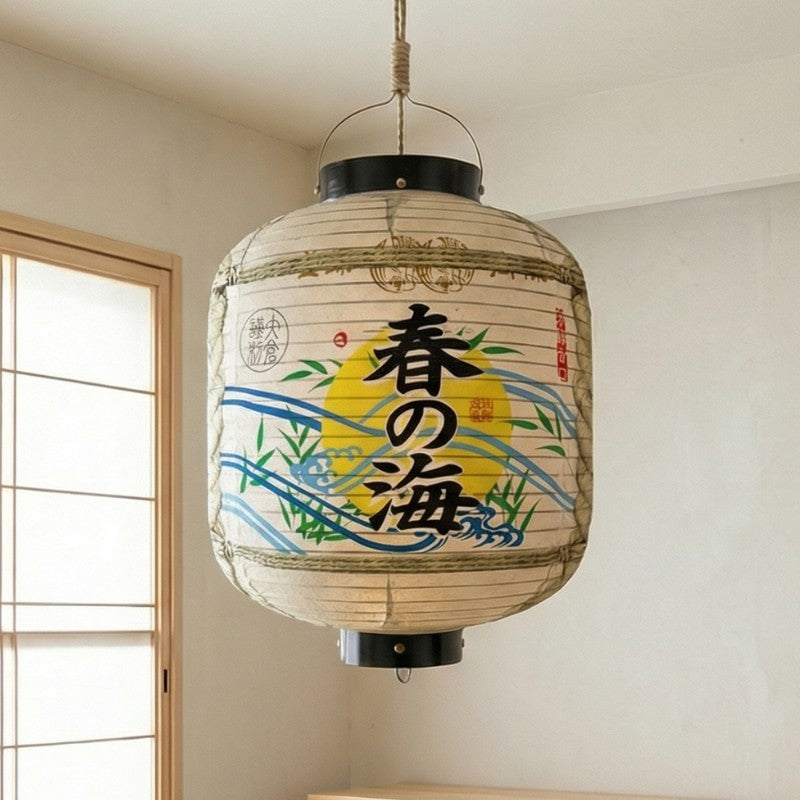
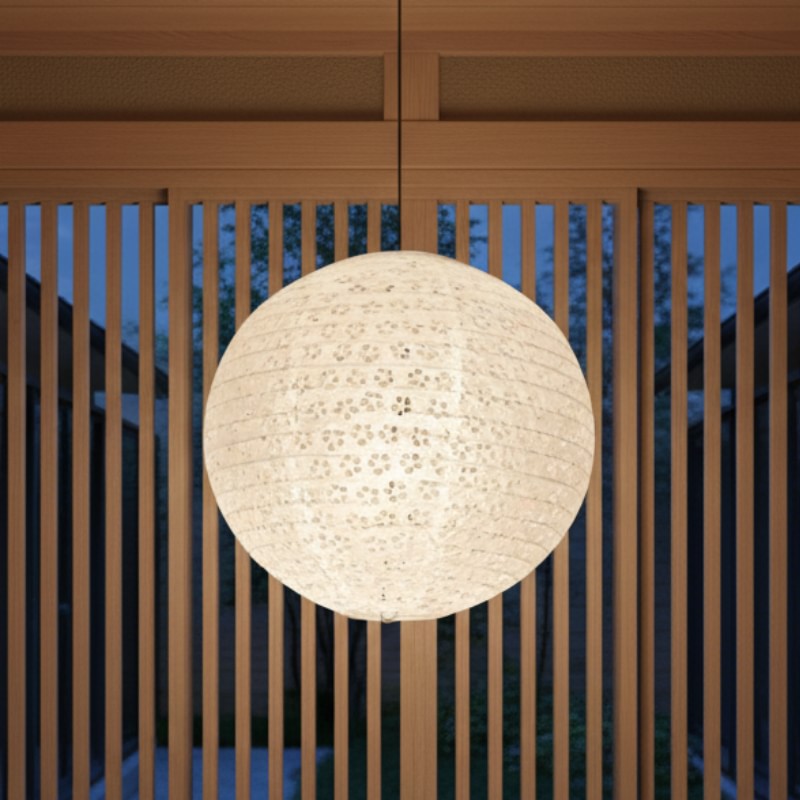
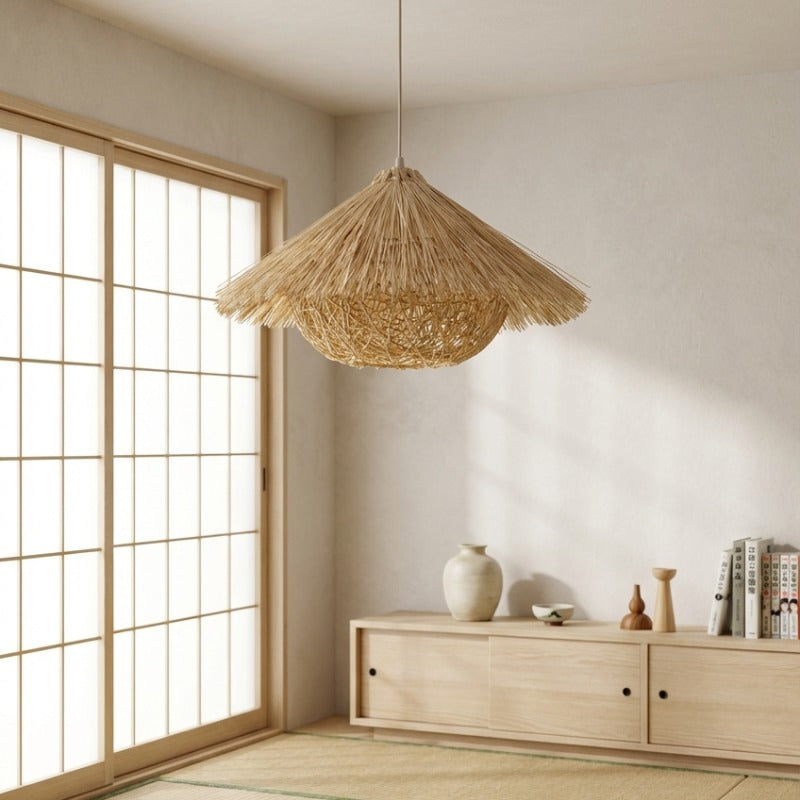
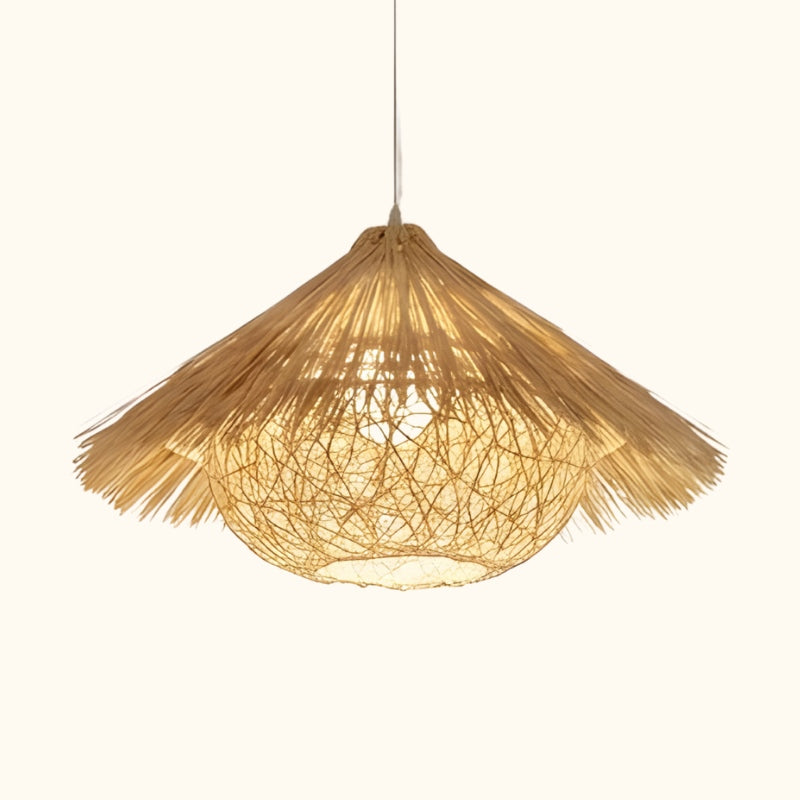
Ceiling pieces complete the picture. A carefully scaled japanese pendant lamp above a dining table or low coffee table ties the scene together and keeps faces gently lit. Round or oval lanterns echo the moon and soften edges in the room, while more linear forms describe the length of a table or counter. Each choice affects conversation and posture, because people relax under a diffuse halo far more easily than under a bare bulb.
Table and bedside designs add intimacy where the hand reaches often. Clay and porcelain bases bring the spirit of tea bowls into lighting, with glazes that show depth when light brushes them from within. A thoughtful japanese ceramic lamp on a nightstand or sideboard adds a tactile anchor to the space, and its shade can echo the tone of tableware, vases, or wall art for a coherent story.
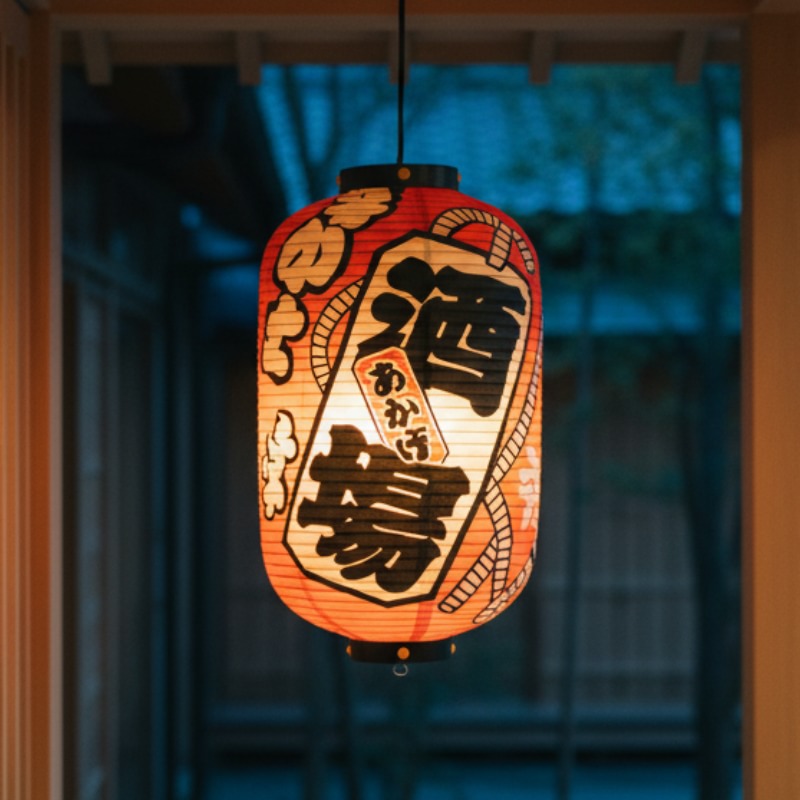
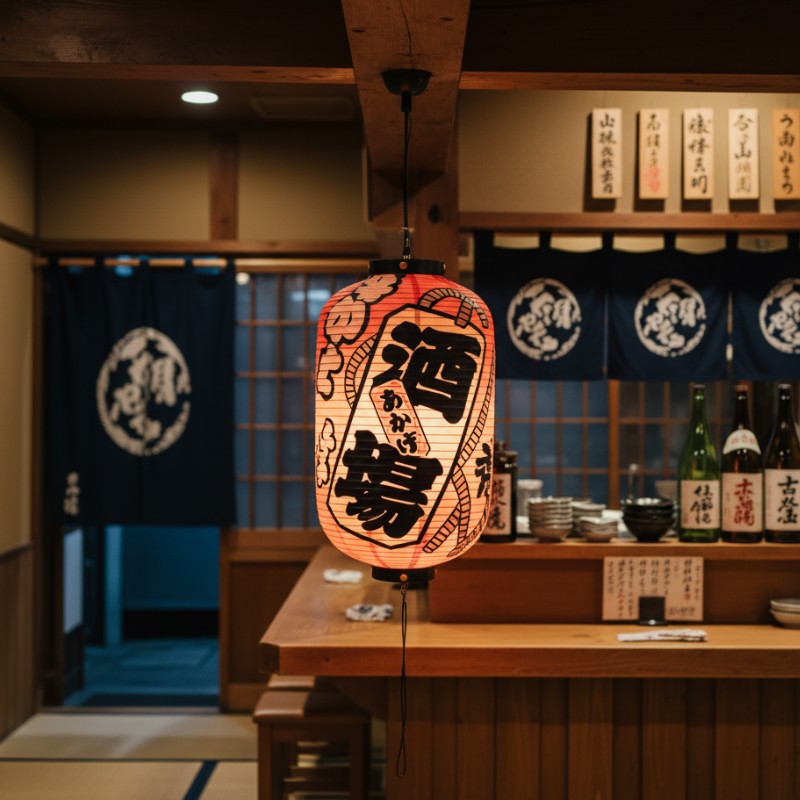
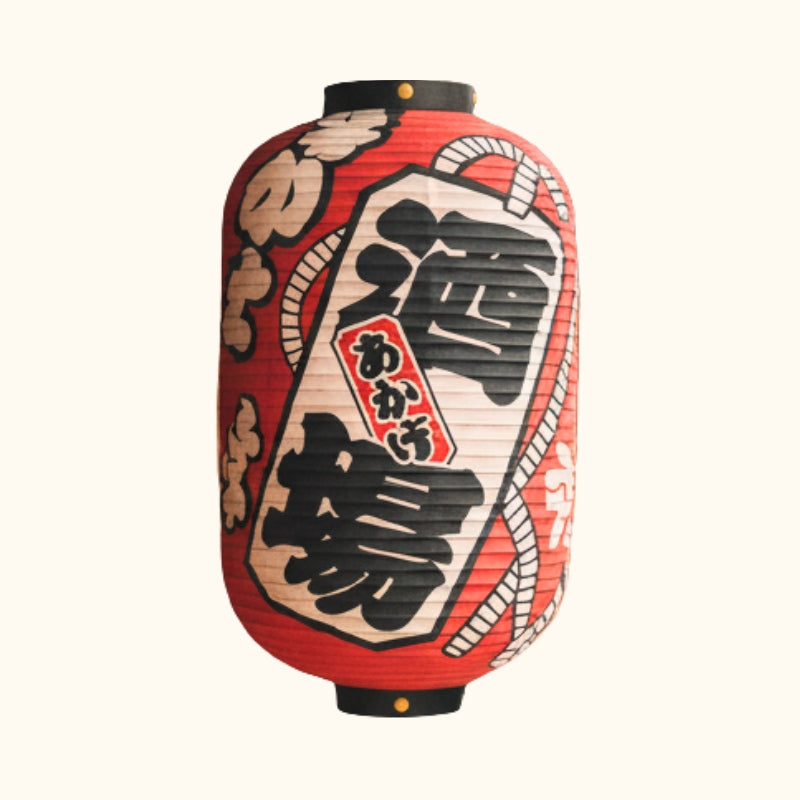
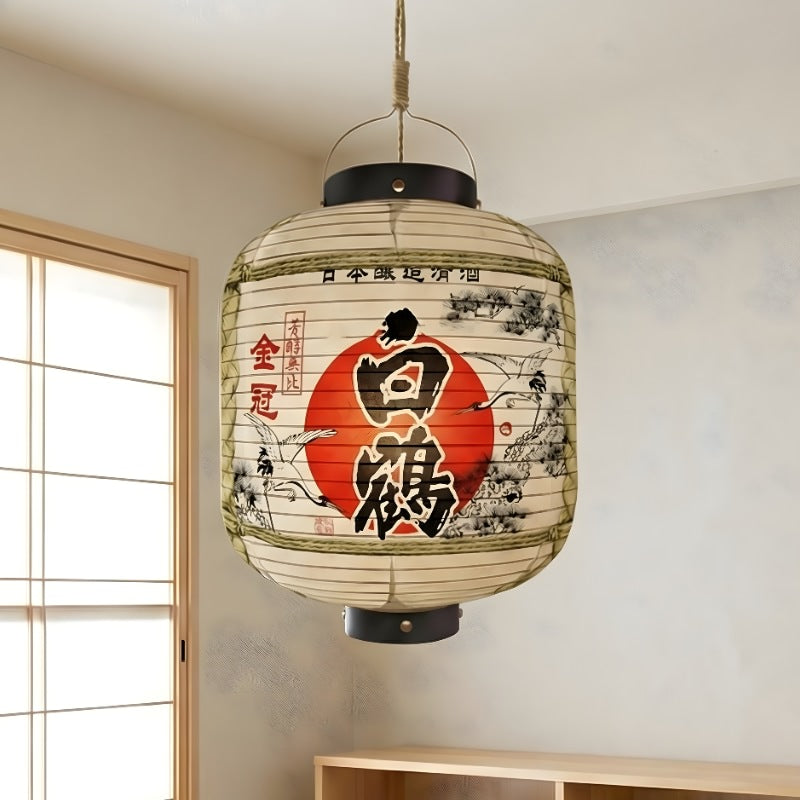
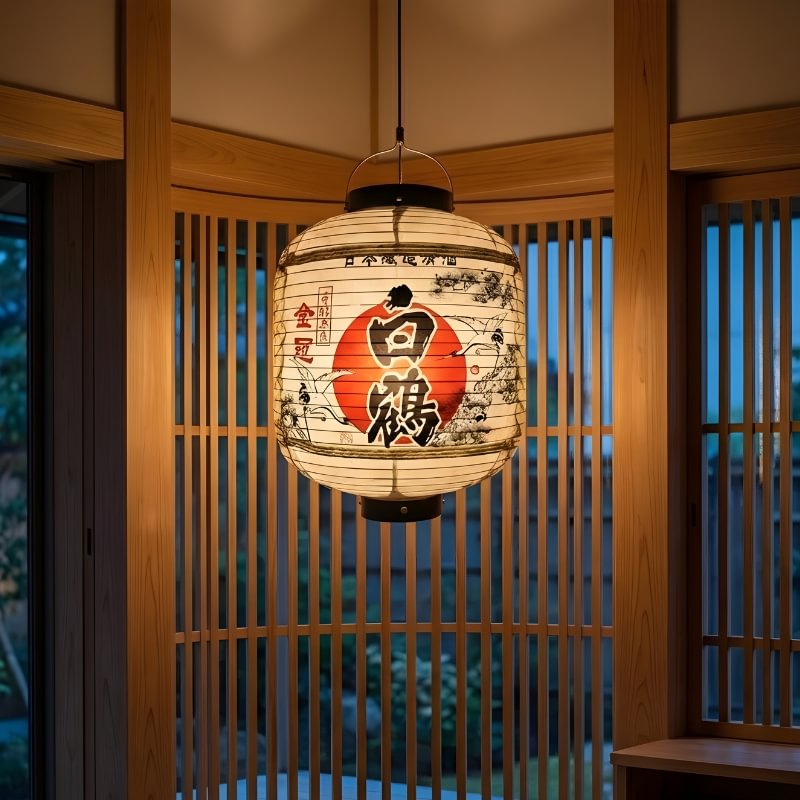
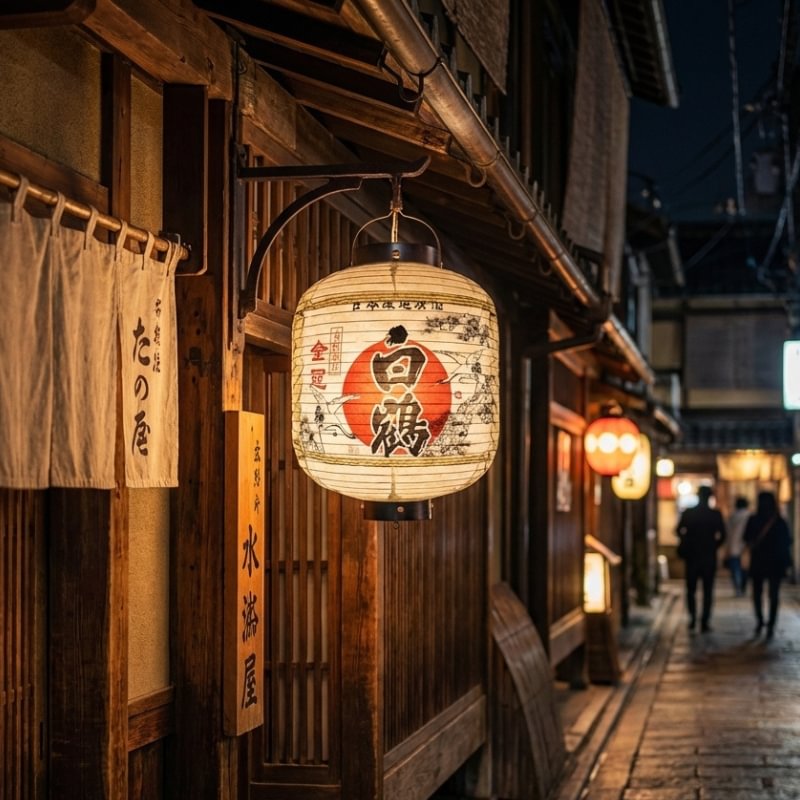
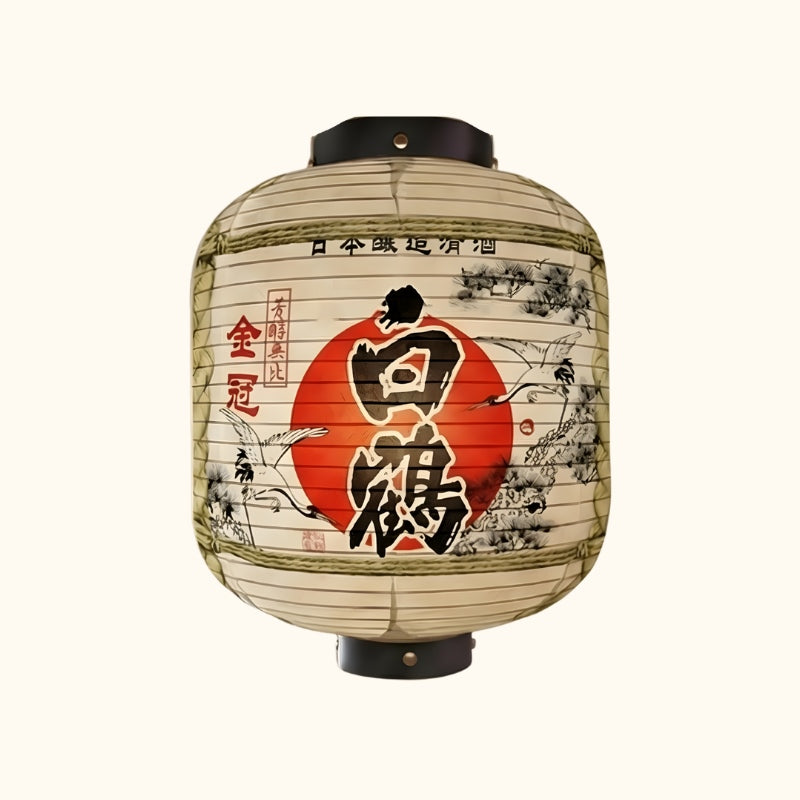
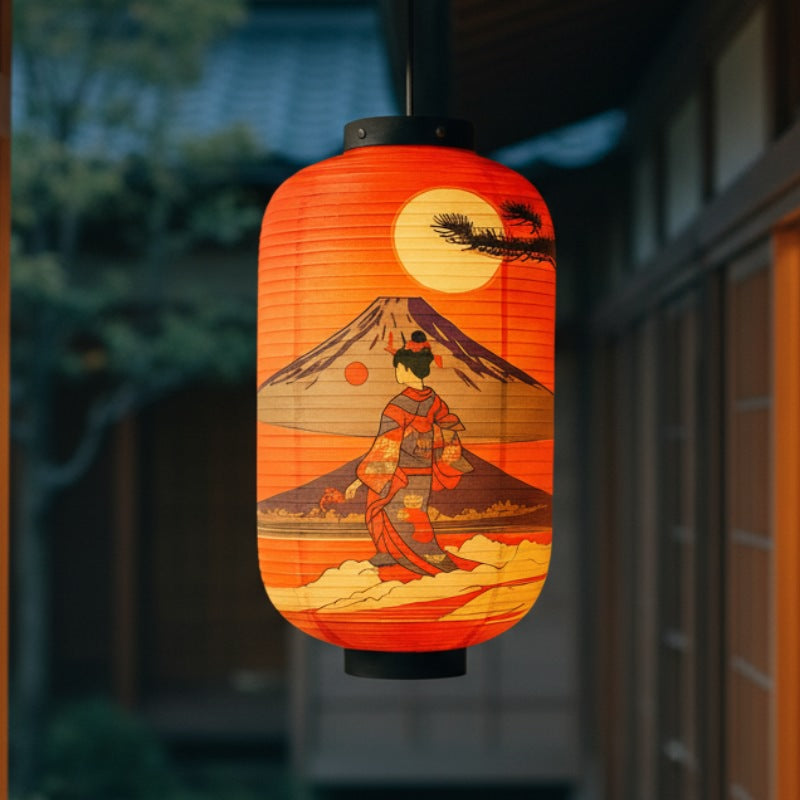
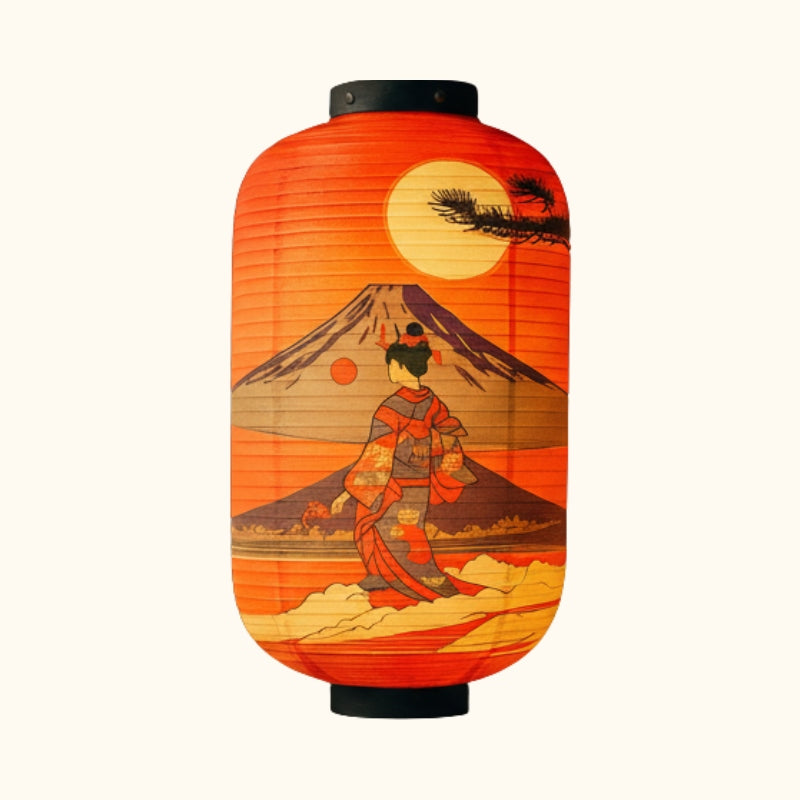
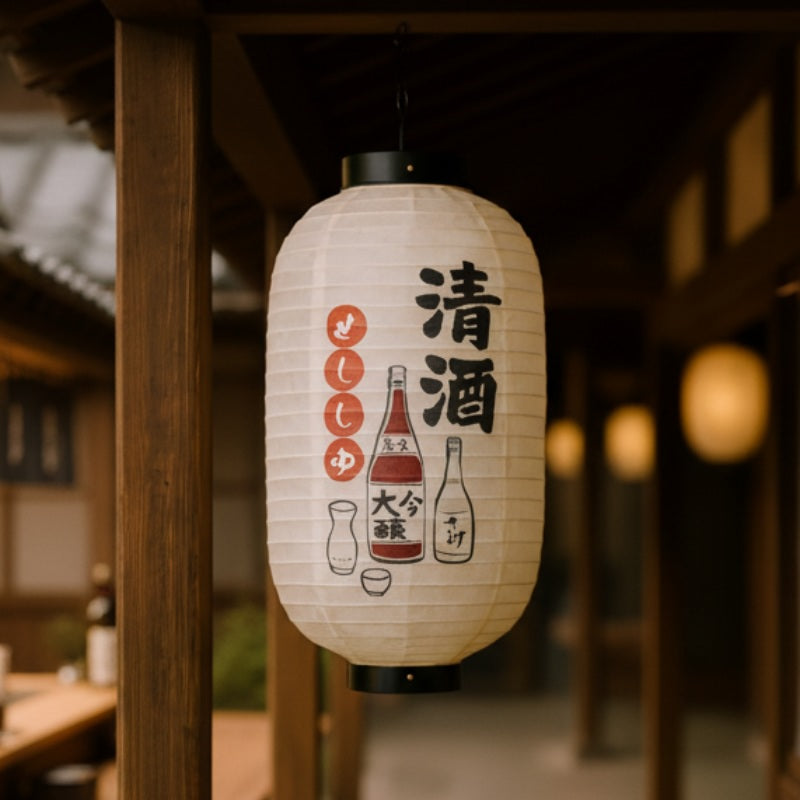
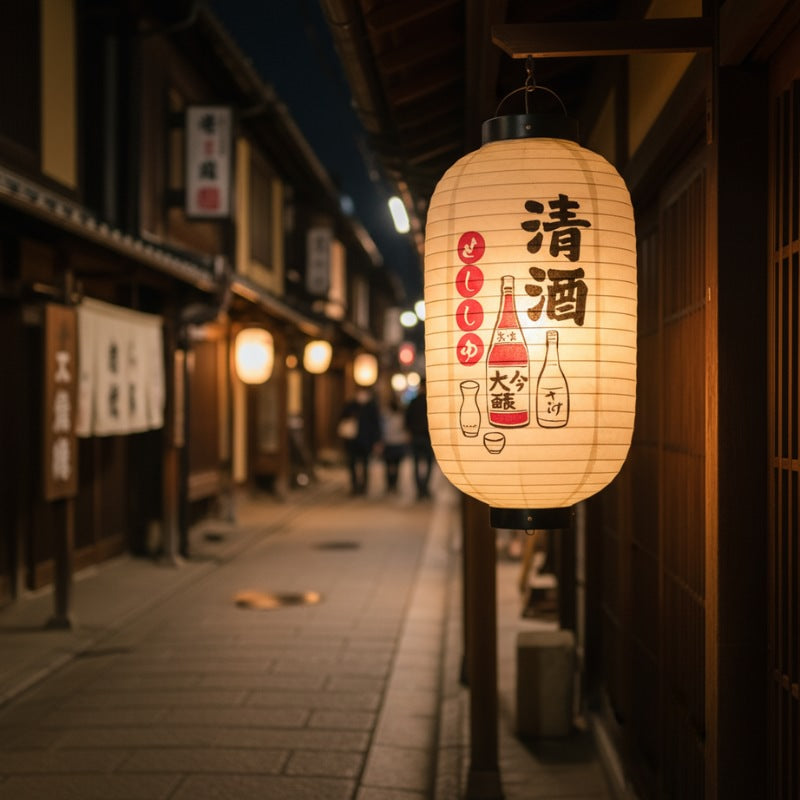
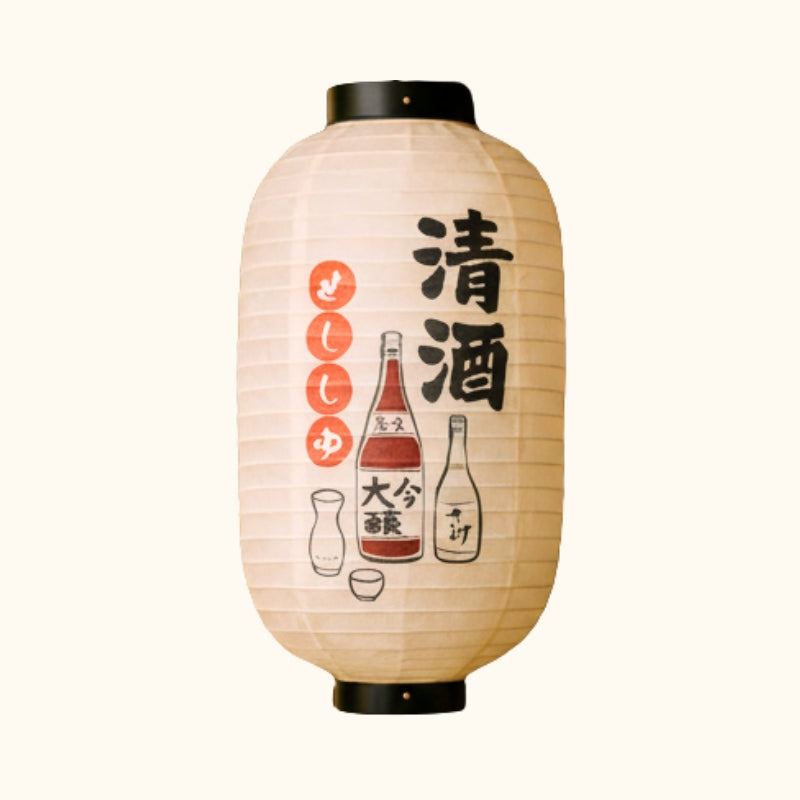
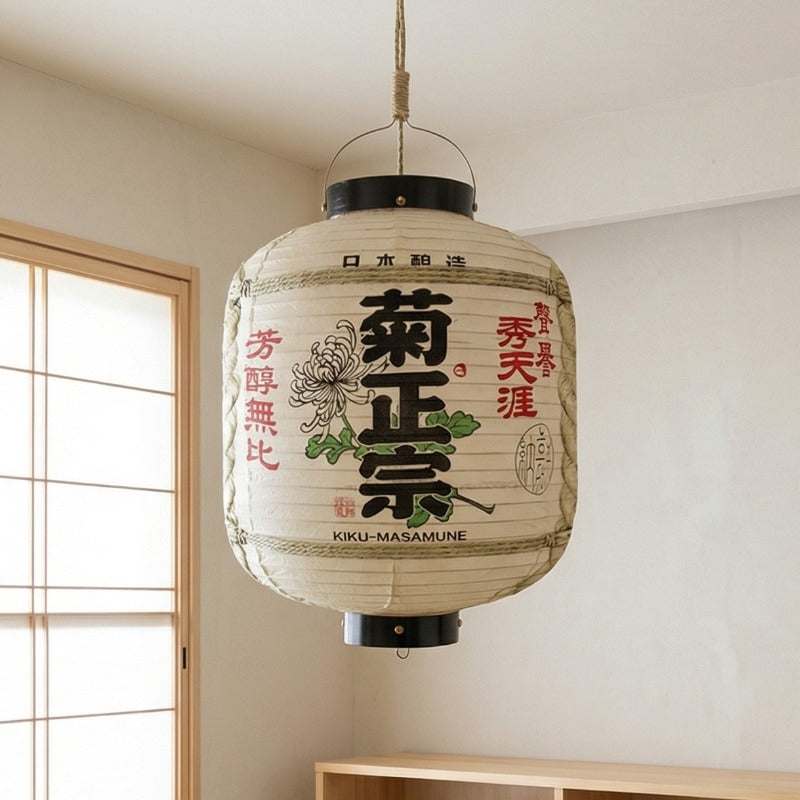
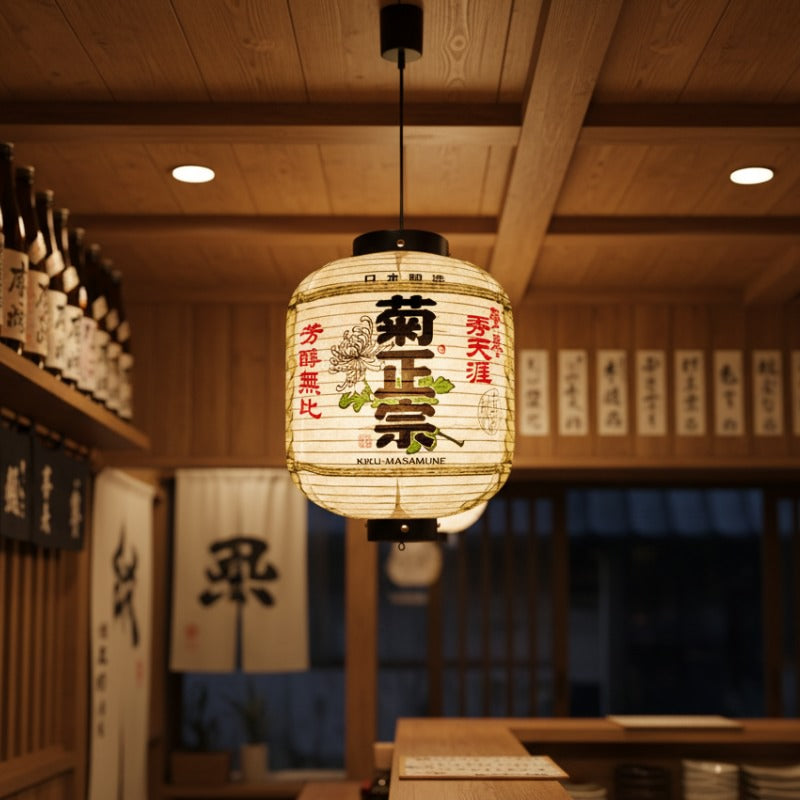
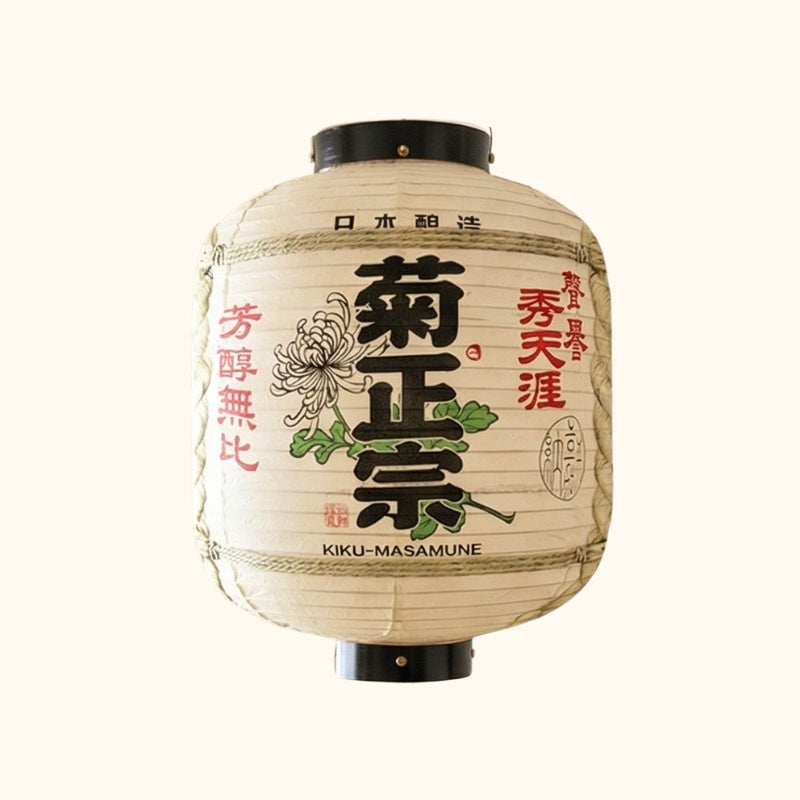
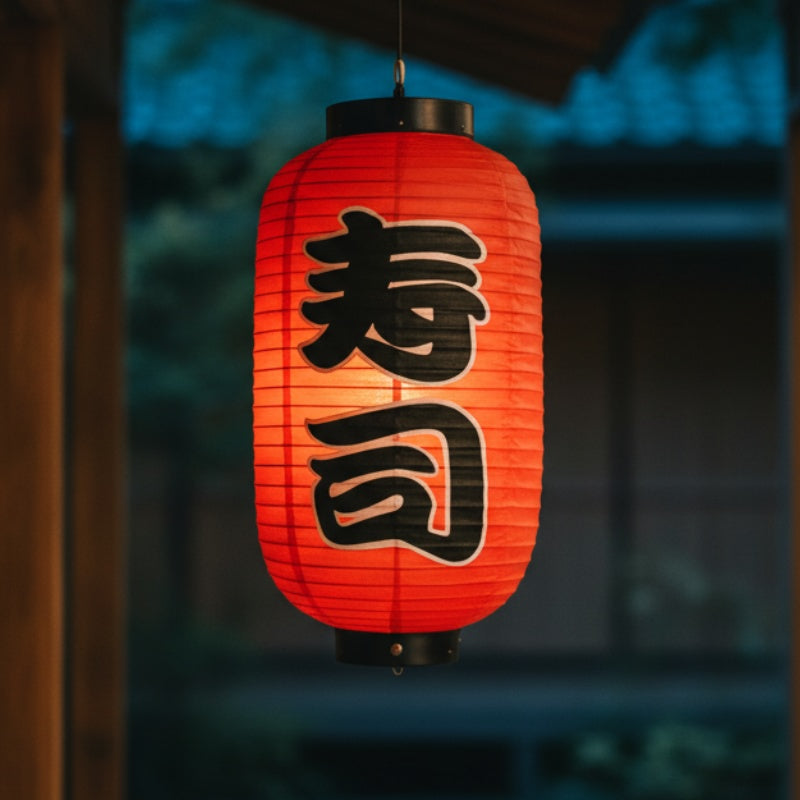
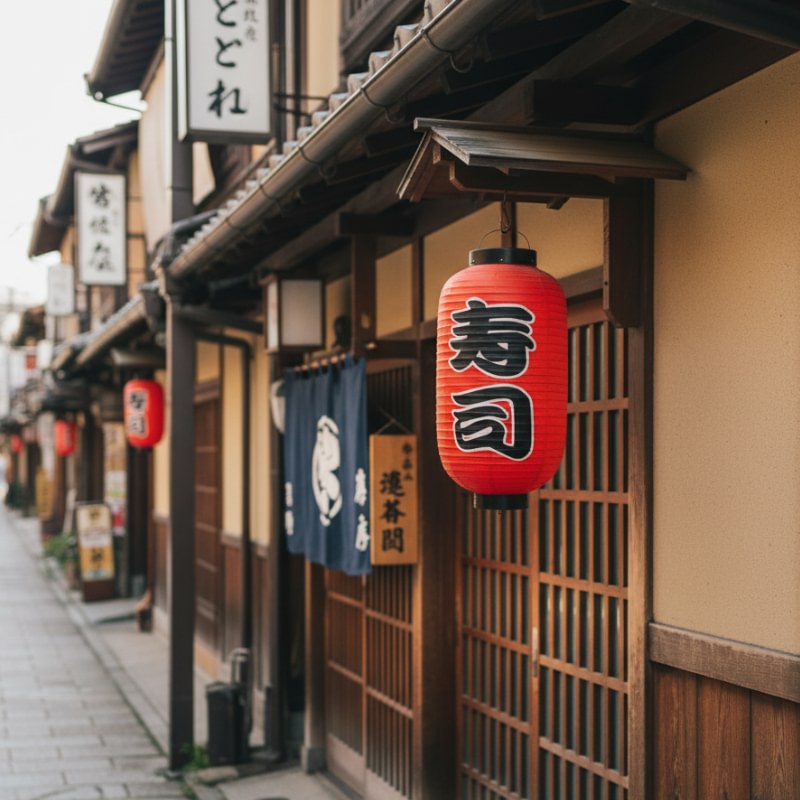
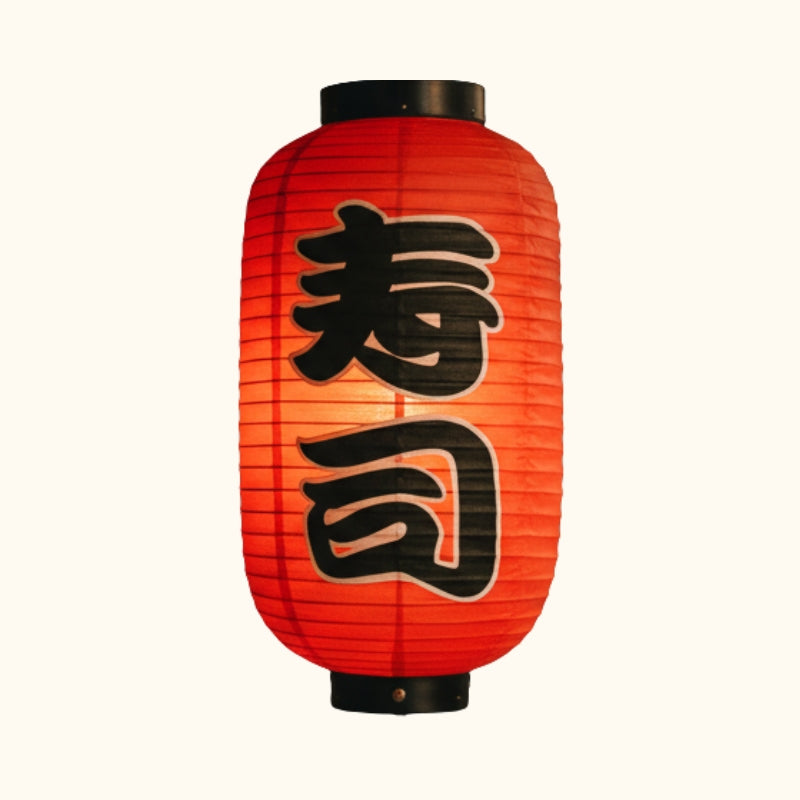
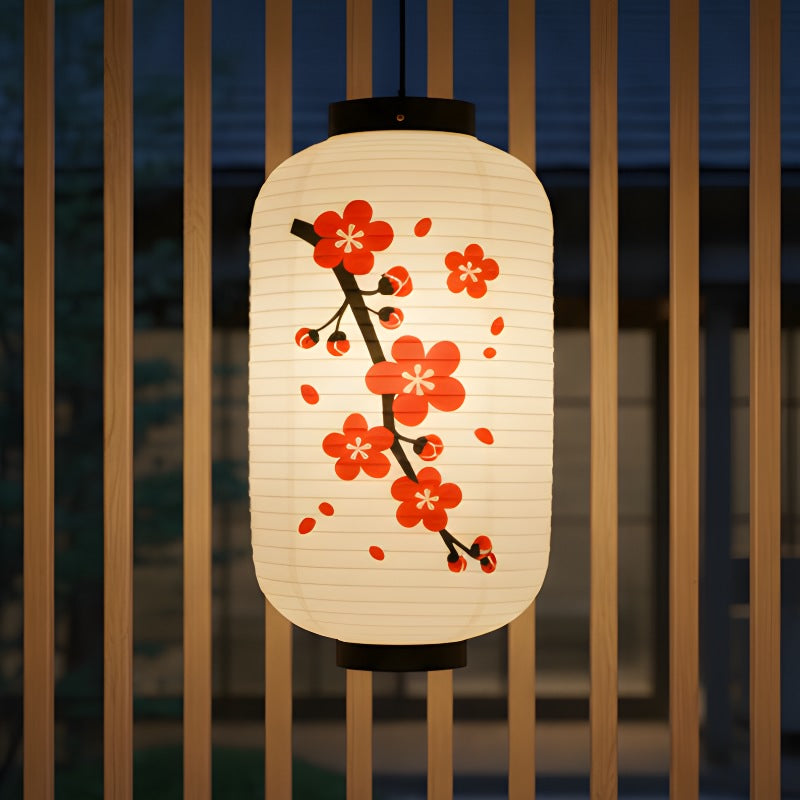
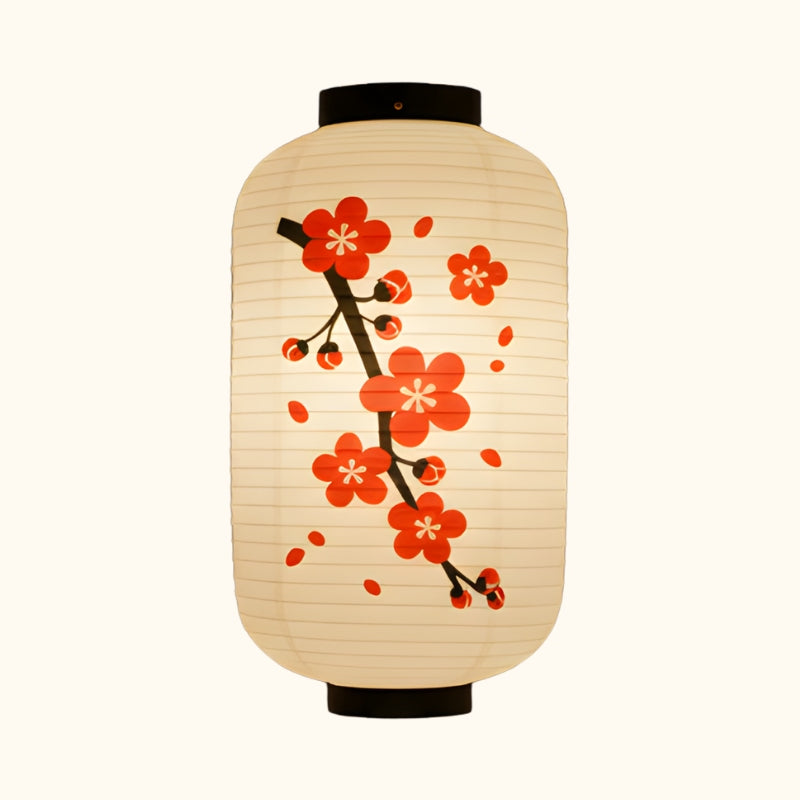
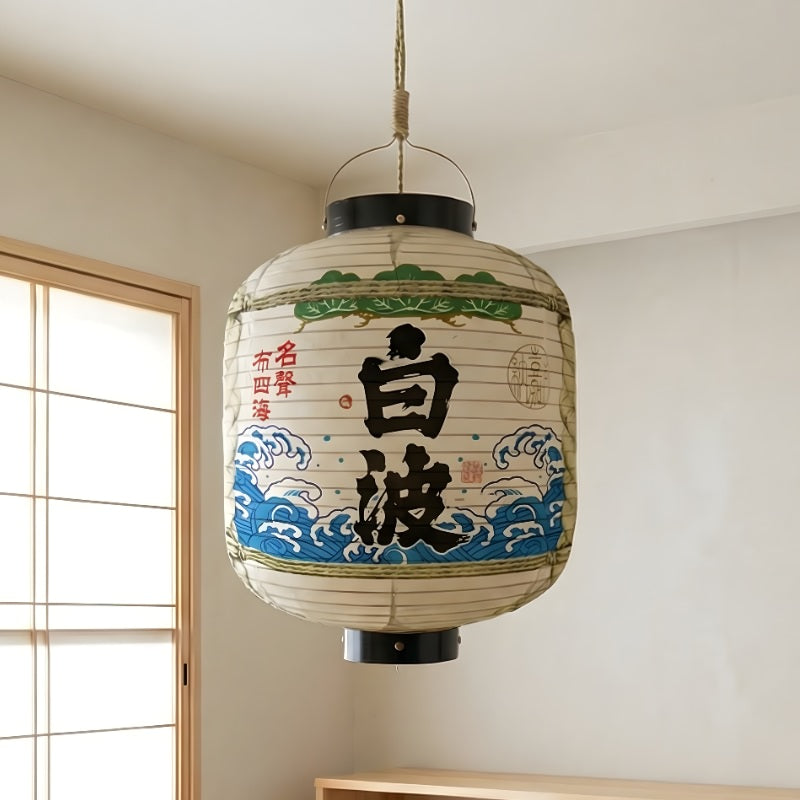
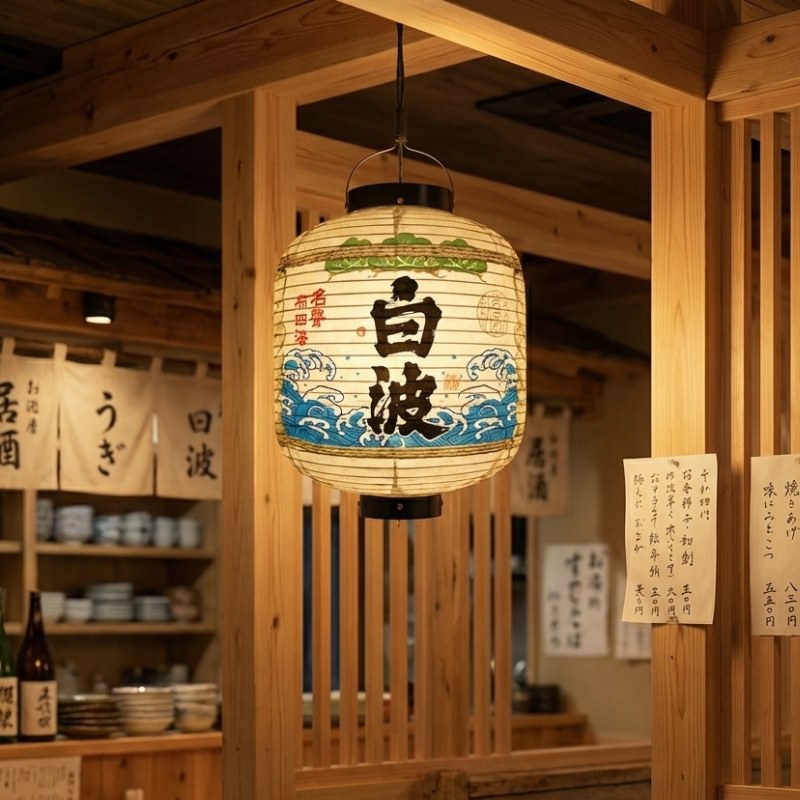
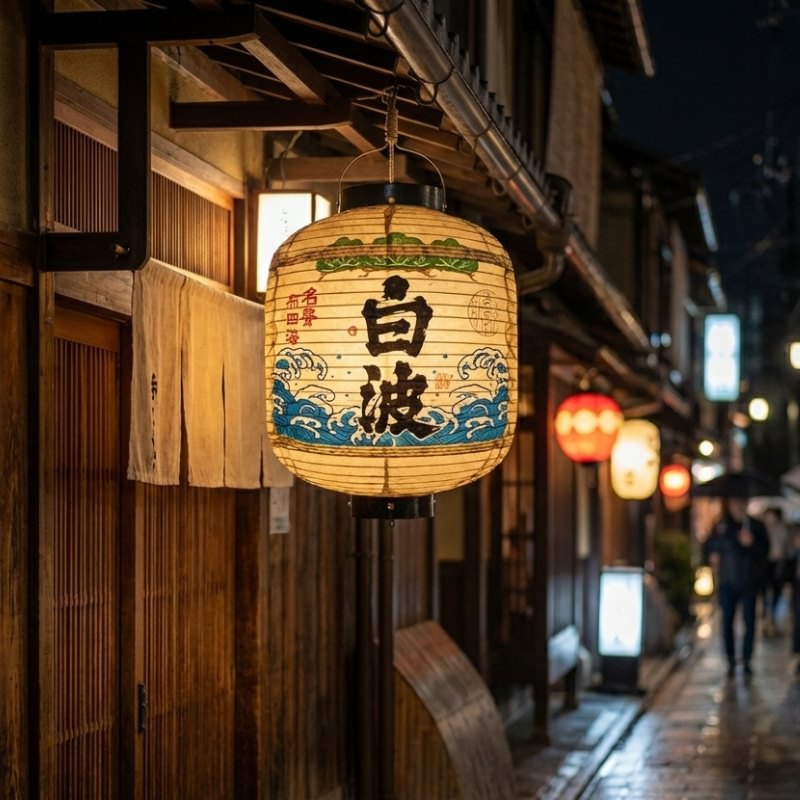
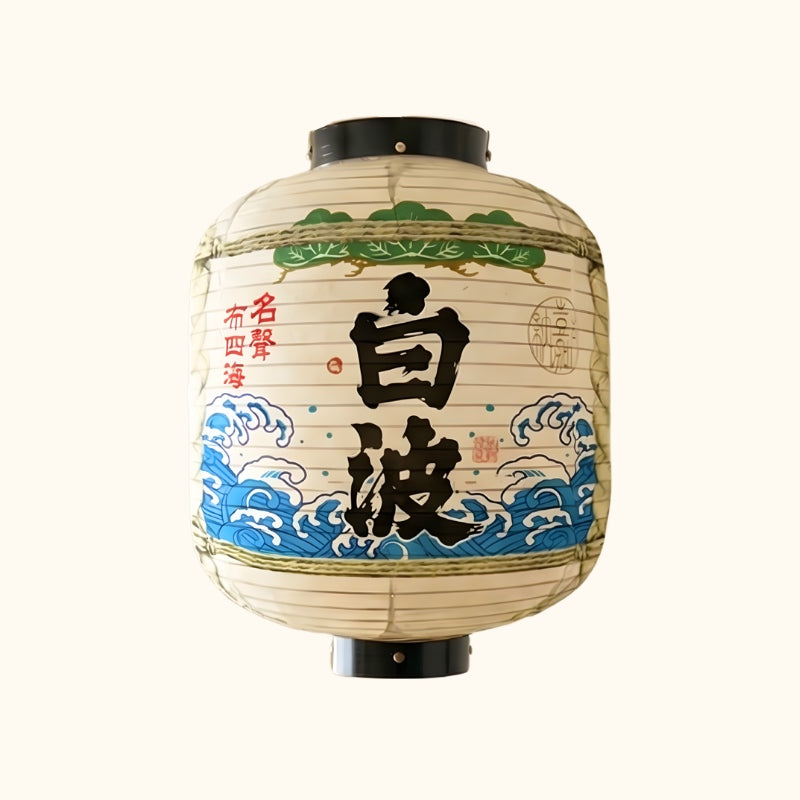
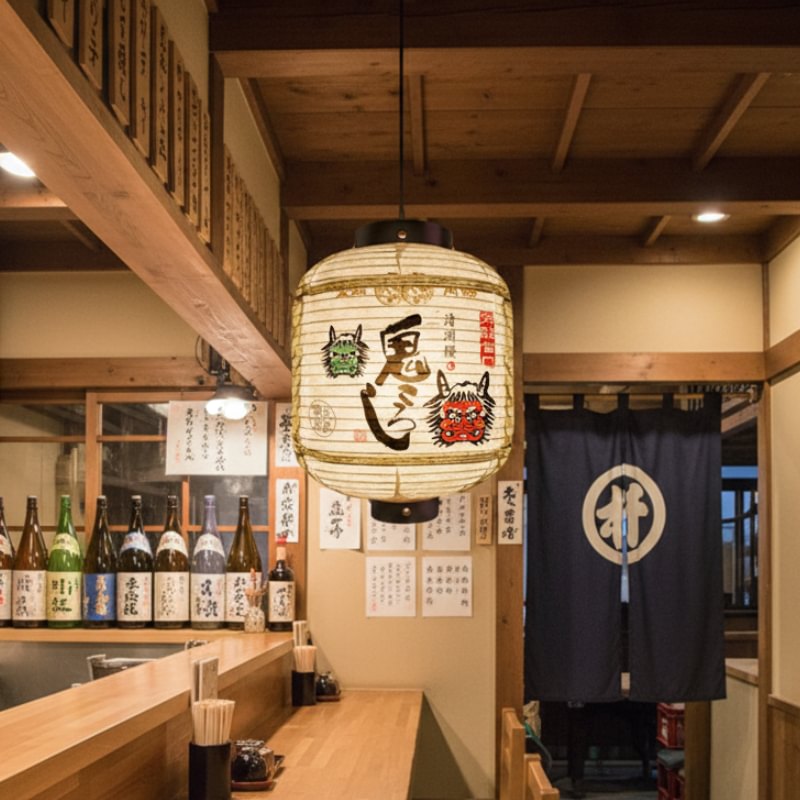
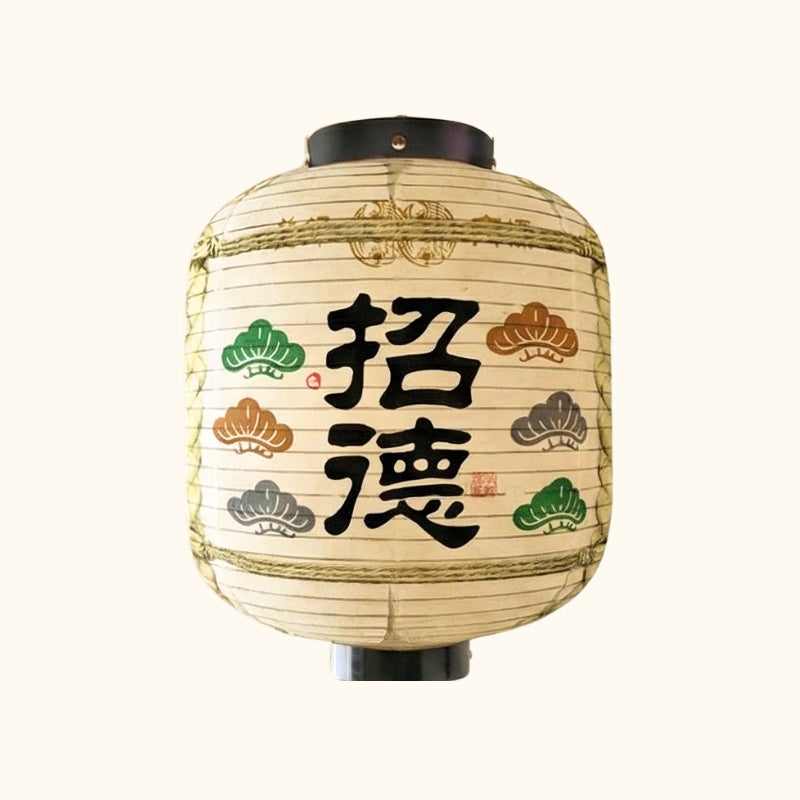
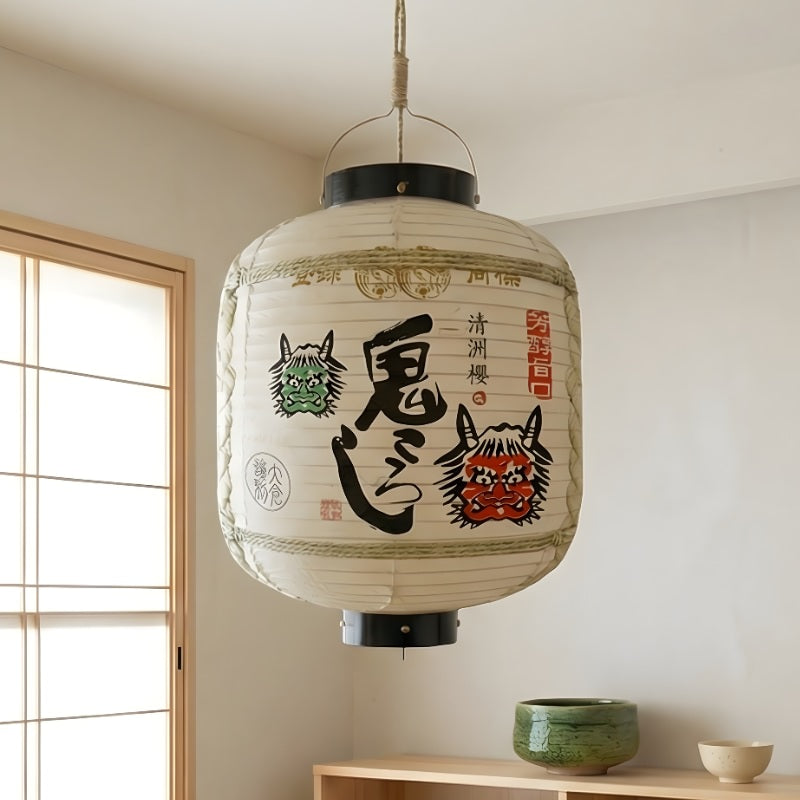
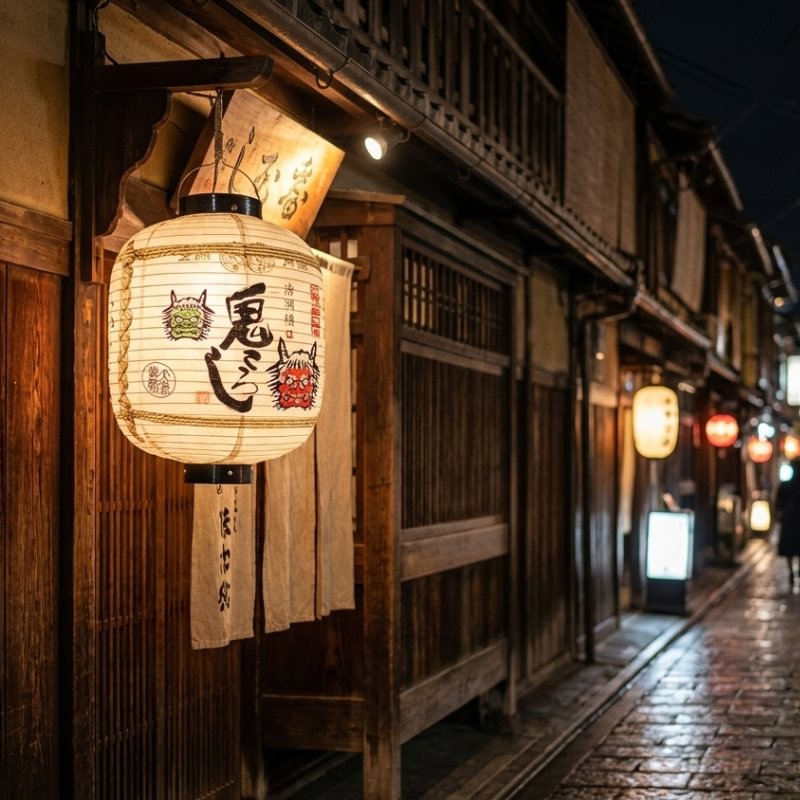
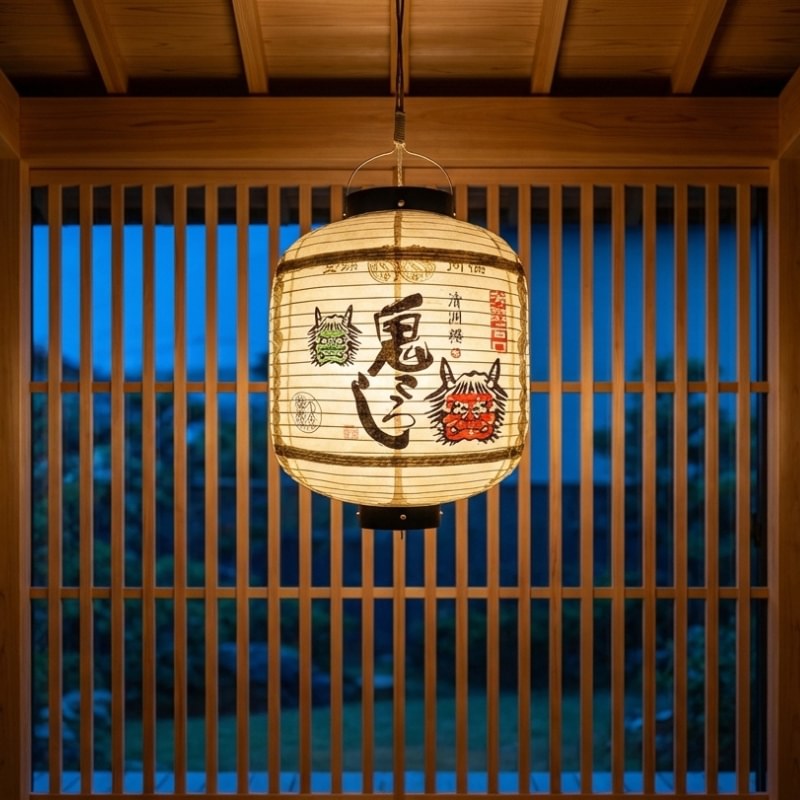
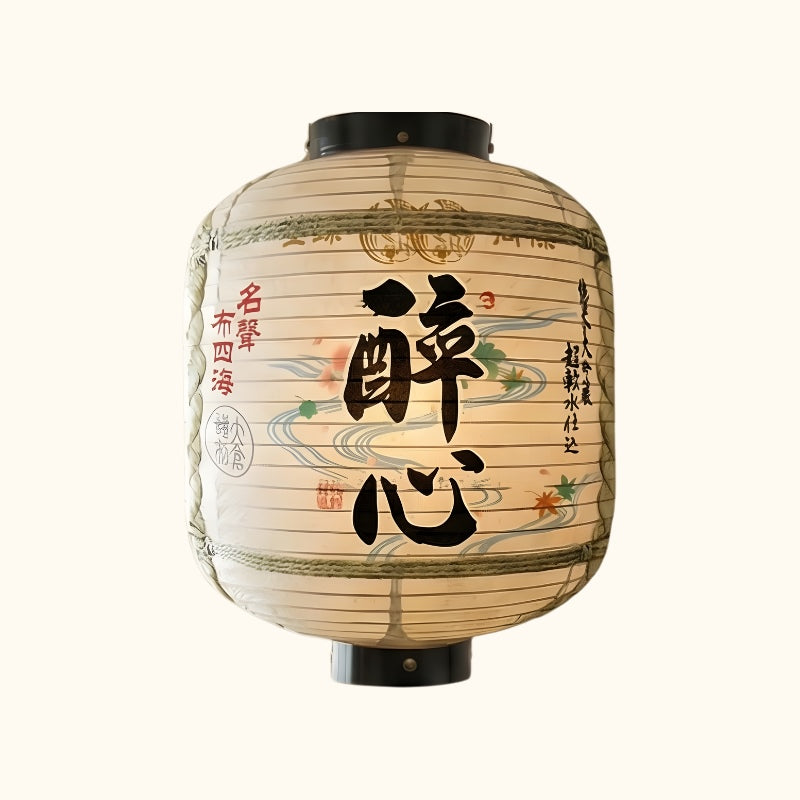
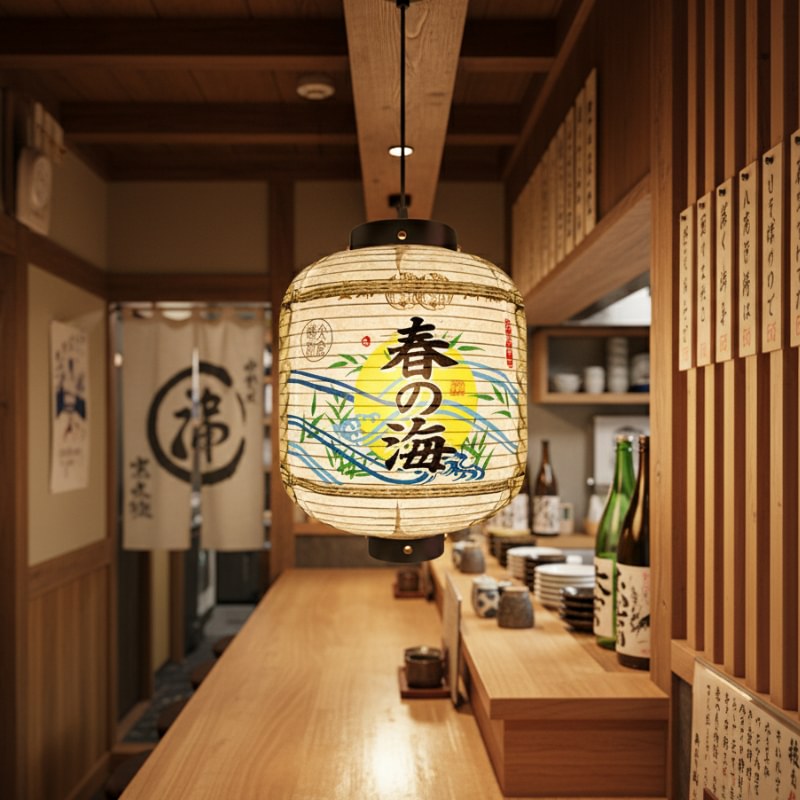
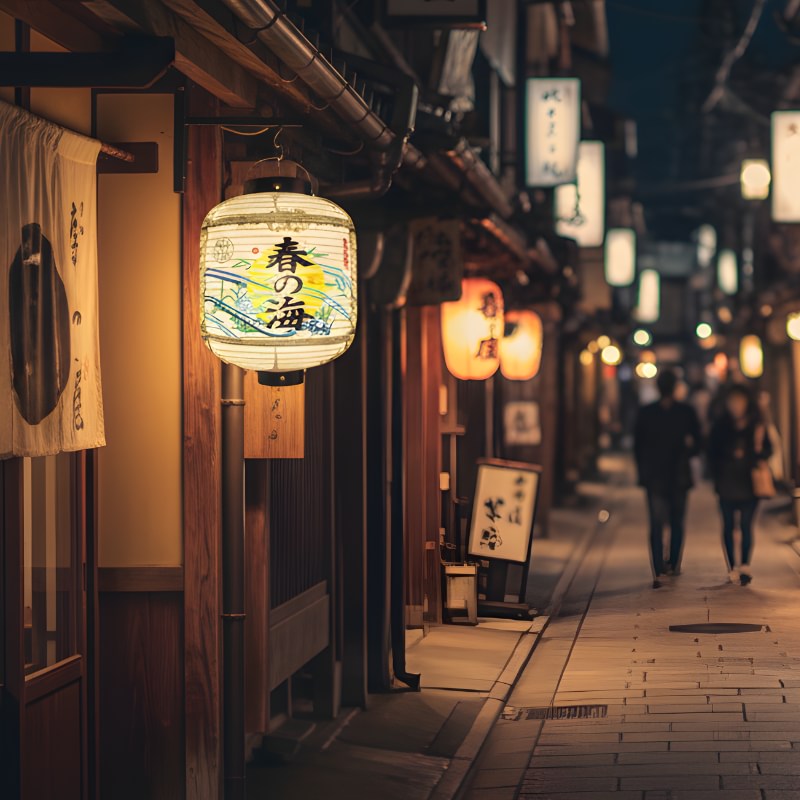
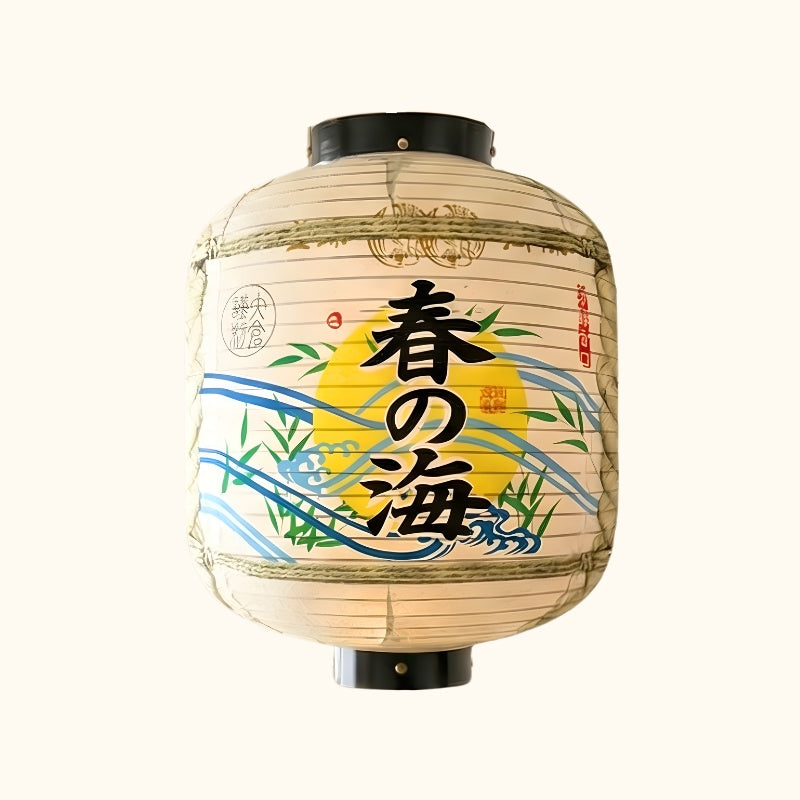
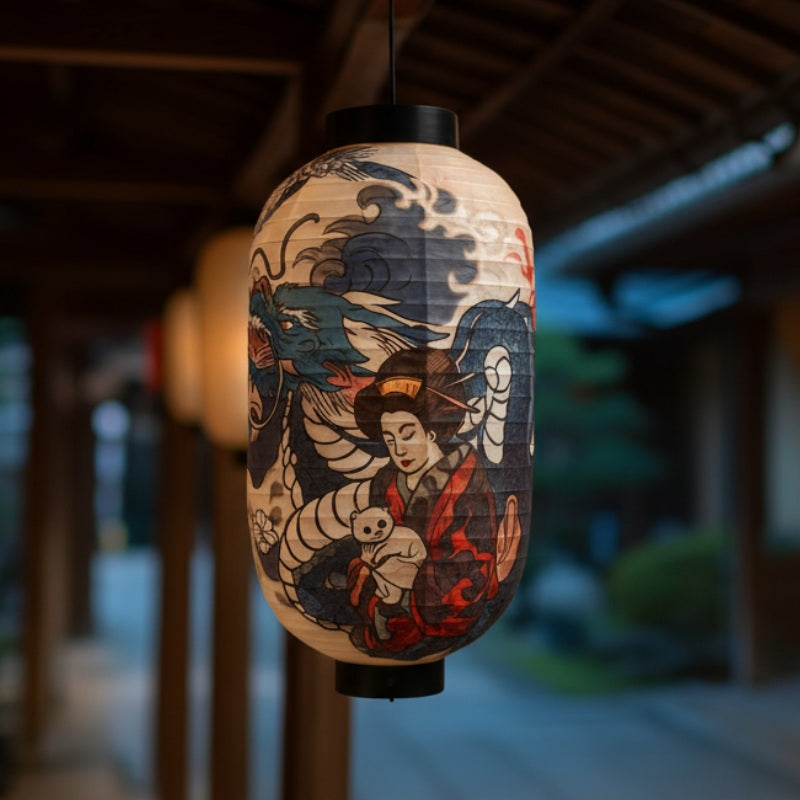
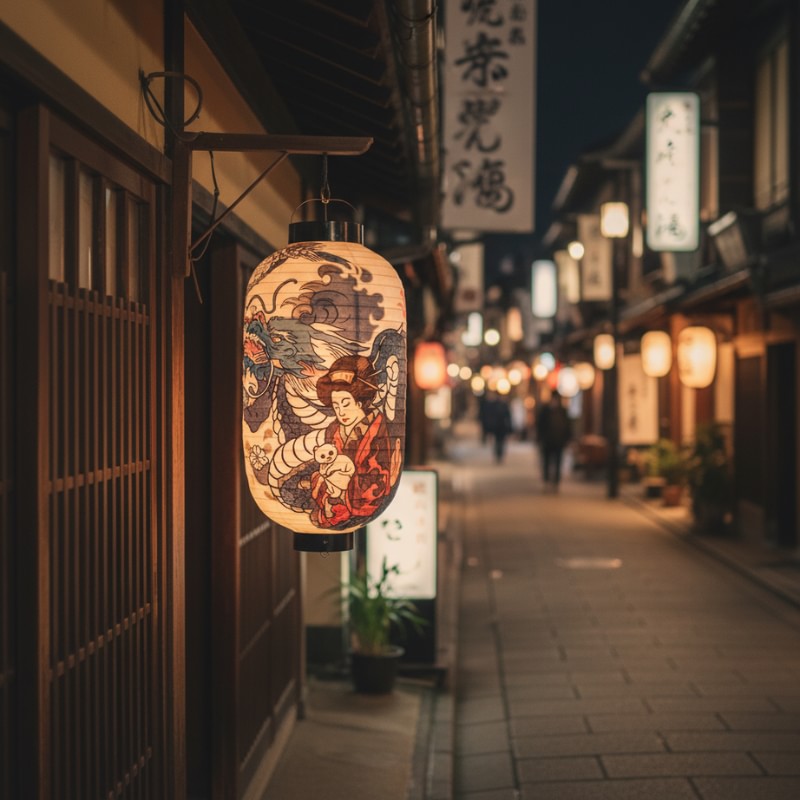
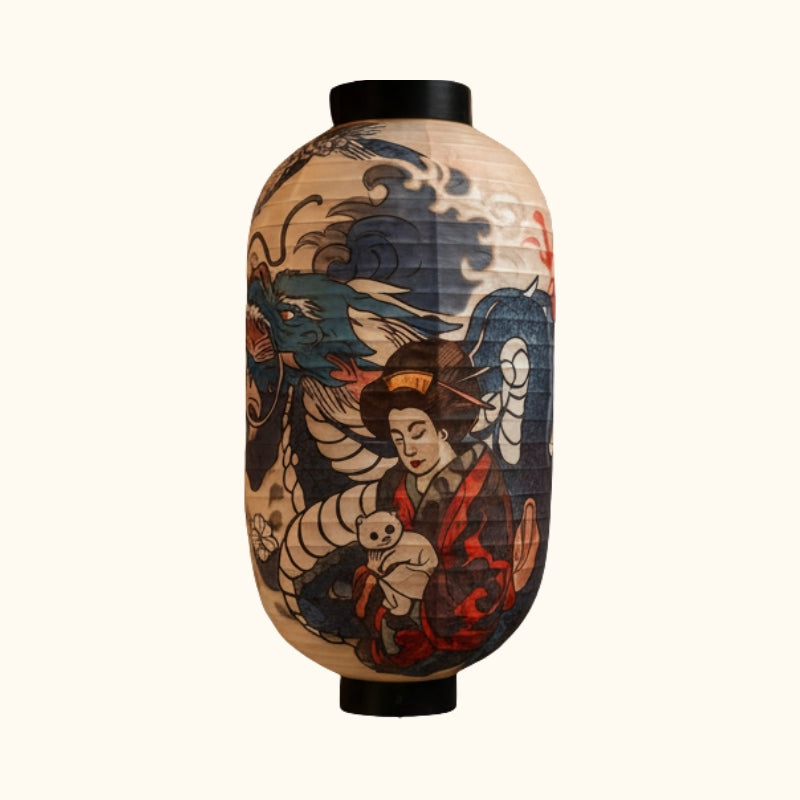
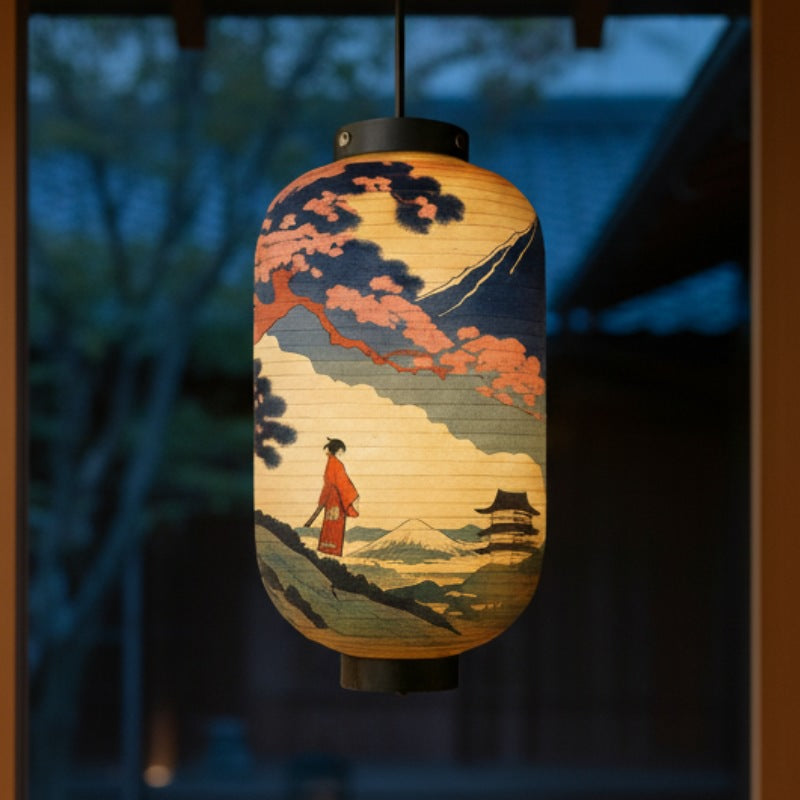
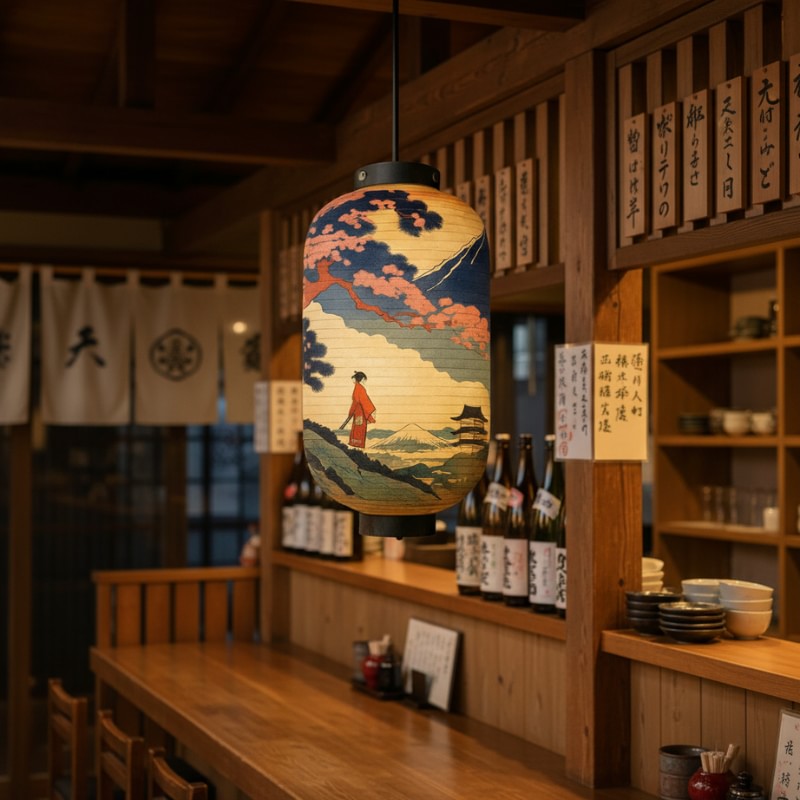
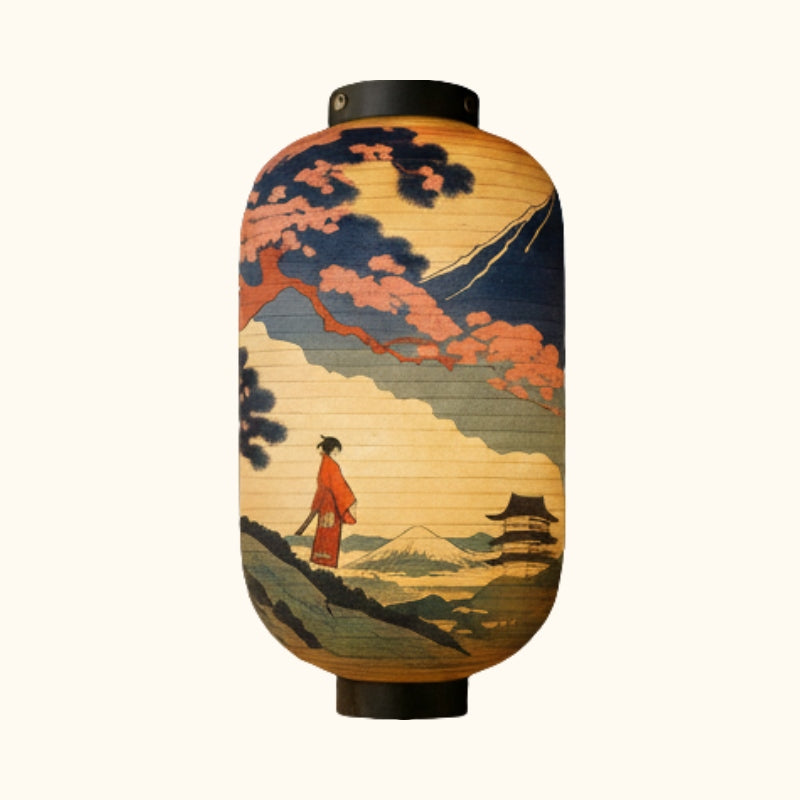
Hybrid forms keep tradition fresh. A compact japanese lantern lamp might sit on a low stool, hang from a hook by its handle, or rest on a shelf near books and incense. Designers often draw on the chochin street lantern and the indoor andon stand lamp for these pieces, combining curved wire ribs with washi or fabric skins that wrap the light in a soft shell.
Japanese Lamp buying guide for each room
Begin with the purpose of each space. A living room needs gentle, layered brightness for conversation and reading, while a hallway benefits from low, guiding light that keeps feet safe without waking the entire home. Japanese Lamp planning respects this difference and builds from three layers: ambient, task, and accent. Once tasks stand clear, the right form and scale emerge naturally.
For living rooms and open spaces, think in terms of combinations. A tall Japanese floor lamp or paper column in the corner sets the ambient base, table lamps near seating provide task light, and a single pendant or lantern becomes the visual focal point. Lamps with dimmers or multiple bulbs allow smooth transitions from afternoon brightness to late-night quiet. Rice paper, linen, and thin wooden slats all help control glare and spread light evenly.
Dining zones and kitchen counters benefit from focused overhead fixtures. When you select a pendant for these areas, pay attention to diameter, height, and shade opacity. A lighter diffuser works well above a table so guests see each other clearly, while a slightly more directional shade suits a bar or counter. Combining a ceiling piece with a small Japanese Lamp on a sideboard keeps the room balanced and gives you flexibility when you want a softer mood.
Bedrooms and reading corners ask for gentler solutions. A warm shade beside the bed lets eyes wind down at the end of the day, and a small lantern on a nearby shelf can act as a night light without disturbing sleep. Many people now mix traditional lanterns with subtle tech: a soft accent such as a Neon Light for bedroom strip under a shelf or behind the headboard can add a graphic edge, while paper or fabric lamps keep the main atmosphere warm and grounded.
Workspaces and study nooks still benefit from Japanese Lamp principles. Instead of a bare, intense desk fixture, choose a table lamp with a directional inner shade and diffused outer skin, so light lands on the work surface while the rest of the room stays gentle. When a lamp uses a lattice frame, like a small Kumiko Lamp or shoji-inspired box, the pattern of light around the desk can make long sessions feel calmer.
Entryways and corridors need navigation more than brightness. Low lanterns or slim columns spaced along the wall direct movement without overwhelming the senses, especially at night. A compact Japanese Lantern near the front door can greet visitors with a glow that hints at the rest of the interior, and repeating papers or woods from other rooms ties everything together.
When you compare options, check a few key technical details. Color temperature around 2700K to 3000K keeps rooms warm and flattering in the evening, while a slightly cooler source suits focused tasks. Look at lumens rather than wattage to understand brightness, and aim for multiple smaller sources instead of one overpowering bulb. The goal: light that wraps the room in layers, not a single beam that flattens every surface.
Japanese Lamp use, styling, and care tips
Placement matters as much as design. Position a floor lantern so light grazes a wall, not just the center of the room, and angle table shades away from reflective glass or screens. A clean path of light along the floor leads feet safely at night, while a slightly brighter pool near a chair invites reading. Use lower levels near eye height in the evening so the body naturally slows down.
Layer textures around your Japanese Lamp so the glow has surfaces to play on. Tatami mats, woven rugs, linen curtains, and clay vases all catch and soften light in different ways. A slim Bamboo Lamp beside a plaster wall will throw narrow stripes and elongated shadows, while a round lantern over a wooden table spreads a soft, even circle. Adjust furniture a few centimeters at a time until reflections and shadows feel balanced.
Daily care stays simple. Dust paper shades with a dry, soft brush and avoid water on traditional washi. Wipe wood and bamboo gently with a barely damp cloth, then dry immediately. Ceramic bases tolerate a little more moisture, so a quick wipe refreshes glazes and reveals their depth again. When you handle a delicate japanese ceramic lamp, hold the base with one hand and steady the shade with the other to protect both joinery and socket.
Protect paper and fabric from direct, harsh sunlight. Rotate lamps occasionally if one side receives strong light, or add a sheer curtain to soften ultraviolet exposure. This small habit keeps shades bright and slows yellowing. Washi and linen age gracefully when they receive care, gaining a calm patina that suits Wabi Sabi rather than obvious damage.
Check cords, plugs, and switches regularly. Replace frayed cables, secure loose fittings, and choose quality bulbs that match the fixture’s rating. For floor and table models, guide cords along walls or under furniture so nobody trips. Slim LED bulbs generate less heat than older types and help protect delicate paper or wood elements over time, especially in tall japanese paper floor lamps that run for many hours each evening.
When a new piece joins the home, let it settle into an existing story. A sculptural Origami Lamp might sit above a low cabinet that already carries ceramics and incense, while a minimal paper column could stand near a tokonoma-style niche with a single branch in a vase. The lamp then feels like part of an ongoing narrative rather than a separate object. Over time, soft marks and minor irregularities simply record evenings, conversations, and quiet moments.
Japanese Lamp collections reward slow refinement. Swap a plain shade for a shoji-inspired frame in one corner, replace a harsh ceiling spot with a gentle japanese pendant lamp, or move a lantern closer to the tatami area so light and tatami texture work together. Each small adjustment nudges the home a little closer to the mood found in traditional Japanese dwellings, where light slips through paper, touches wood, and leaves enough shadow for the imagination.