The first maneki neko I ever cleaned lost a whisker. I was twenty seconds too confident with a kitchen sponge, and a fine black line simply lifted off the glaze. So here is how to clean a ceramic maneki neko figurine properly: dust it dry first, then wipe it with a soft cloth barely dampened with lukewarm water, and dry it immediately. Never soak the figurine, never use abrasive powders, alcohol or vinegar on gilded or hand-painted areas, and never put it in the dishwasher. The heat, the detergent and the spray pressure lift gold, dull the glaze and can crack a hollow, unglazed base. A light dusting every week or two and a damp wipe every couple of months is all a display piece needs.
In short
- Dry dusting first, damp wipe second: loose dust turns into a scratch if you rub it in.
- Lukewarm water on a soft cloth only, no abrasives, no bleach, no alcohol, no dishwasher.
- Gold paint, whiskers and collar bells are the fragile parts: dab, never scrub.
- Dry fully, especially the hollow base, and set the cat down on felt to avoid chipping.
What ceramic maneki neko are actually made of
The maneki neko is the beckoning cat, a Japanese figure traditionally placed near an entrance to invite good fortune. Most are ceramic. That single word covers three very different surfaces on the same object, and each one reacts differently to water.
Glazed and unglazed surfaces on a maneki neko
The body is usually earthenware or glazed porcelain. Glaze is a thin layer of glass fused to the clay in the kiln. It is non porous, smooth and the most forgiving part of the cat. A damp cloth does it no harm. The unglazed parts, often the underside and the inner rim, are still raw clay. Raw clay drinks water and holds it.
Gold, enamel and cold-painted details on a lucky cat
Eyes, whiskers, the red collar, the bell and the coin in the paw are painted. Some are enamel fired at low temperature. Many are cold-painted, meaning the pigment sits on top of the fired glaze with no second firing to lock it in. Cold paint is a thin skin. It comes off with solvents, with pressure, and sometimes with nothing more than a rough cloth. Gilding behaves the same way: gold leaf accents and metallic finishes sit over the glaze, not under it. On a piece like the gold maneki neko I keep on my entry shelf, the whole surface is that upper layer, so nothing but a barely damp cloth touches it.

Hollow bodies and open bases of ceramic cats
Nearly every ceramic cat is hollow, with an opening underneath. That hole exists so air can escape during firing. It also means water can get in and stay there for weeks. If there is plaster or felt inside, trapped moisture will smell before it dries. This is why I never hold a maneki neko under a tap.
Dust your lucky cat dry before reaching for water
Dry dust is soft. Wet dust is an abrasive paste. Almost every scratch I have seen on a lucky cat came from someone wiping a dusty figure with a damp cloth and grinding the grit in circles. Remove the dust dry, and you have removed most of the cleaning.
A soft brush for the cat's ears, paw and bell
I use a clean makeup brush. A soft bristle brush reaches the inner ear, the groove under the raised paw, the space behind the bell and the fold of the collar, where dust buildup always starts. Brush downward, so the dust falls away from the face. A microfiber cloth then picks up what is left on the broad glazed surfaces. For a very detailed piece, a puff from a camera blower clears the recesses without any contact at all.
How often a maneki neko really needs dusting
Every one to two weeks for a shelf in a bedroom or a reading corner. Weekly in a kitchen, where cooking vapour makes dust sticky, or by an entrance. A damp wipe every two or three months is enough for most homes. There is no benefit in doing it more.

How to clean a ceramic maneki neko figurine step by step
This is the routine I follow two or three times a year, and it takes less than ten minutes. I set up first, then wipe, then deal with the marks that a plain cloth leaves behind. Nothing here needs a product you do not already own.
Preparing the cloth and the surface for your lucky cat
Work on a table, not on a shelf and not over a sink. Lay down a folded towel so the cat has a soft landing if it tips. Fill a bowl with lukewarm water, not hot: sudden temperature change is one of the causes of glaze crazing. If the piece is greasy from kitchen air, add one drop of mild dish soap.
- Dust the whole figure dry with a soft brush, from the ears down to the base.
- Dip a microfiber cloth corner in the lukewarm water and wring it until no drop falls when you squeeze it. It should feel cool, not wet.
- Wipe the large glazed areas first: back, sides, belly. Straight passes, light hand.
- Around the eyes, whiskers, collar and gold, dab rather than wipe. Two or three seconds per spot.
- For carved grooves and the inside of the ear, roll a cotton swab barely moistened with plain water. Roll it, do not press.
- If you used soap, go over the same path with a second cloth dampened with plain water to lift the residue.
- Dry immediately with a dry cloth, in the same order, finishing at the base.
Wiping a maneki neko without soaking it
Keep the base tilted slightly upward while you work. Water that runs down the body collects at the rim and slips inside the cavity. If a drip does reach the opening, turn the cat over at once and blot the rim dry.
Fingerprints and sticky marks on a ceramic cat
Fingerprints on glaze lift with a breath of warm air and a dry microfiber pass, the same way you clean glasses. Sticky residue, from a price label or from kitchen film, needs patience: hold a damp cloth against the spot for thirty seconds to soften it, then wipe in one direction. Do not scrape with a fingernail near painted areas.
Protecting the gold accents and painted eyes of a lucky cat
The painted layer is where almost all irreversible damage happens, so it deserves its own set of rules. Below I go through the products I keep well away from a maneki neko, and the small test that tells you within seconds whether a method is safe.
Products that strip the gilding off a maneki neko
Anything sold as a degreaser, a descaler or a disinfectant is designed to dissolve or etch. Cold paint and gilding have no defence against that. Dark ceramics show the damage first, because streaks and dulled patches read instantly against black glaze. A black maneki neko is the one I recommend to anyone who wants to see immediately whether their cleaning habit is too aggressive, and it is the piece I would never approach with a spray bottle.

Testing a product on a hidden spot of the cat
Before any new cleaning method, test on the back of the base or under the tail. Dab, wait a moment, then look at the cloth in daylight. Any trace of colour on the fabric means the paint is moving. Stop there and go back to dry dusting only.
Why a ceramic maneki neko must never go in the dishwasher
Four things happen at once in a dishwasher, and each one is enough on its own. The water reaches temperatures that shock the glaze and create crazing, the fine web of hairline cracks that then traps grime for good. The detergent is strongly alkaline and made to strip, which takes cold paint and gilding off in flakes. The jets hit at pressure and knock a light hollow figure against the rack. And the cavity fills with water that no drying cycle will remove.
A glaze described as food safe refers to what it does with food on a plate. It says nothing about whether a painted, gilded, hollow decorative object survives a wash cycle. It does not.
Drying your Japanese cat and setting it back on its shelf
Drying is the step people rush, and it is the one that decides whether moisture stays inside the figure for weeks. I also treat the return to the shelf as part of the cleaning, because that is the moment a rim gets chipped. Here is how I handle both.
Draining the hollow base of a maneki neko
After the dry cloth, leave the figure upside down on a folded towel for about thirty minutes. Air moves through the opening and takes the last moisture with it. If water did get inside, leave it base up overnight in a ventilated room, away from a radiator. A damp cat on a wooden shelf leaves a ring on the wood and keeps the unglazed base wet against the surface.
Felt pads and a stable spot for your lucky cat
The rim of the base is the part that chips. Three small felt pads under it, or a square of linen, absorb the moment when you set the cat down without thinking. Choose a stable shelf away from a slamming door and out of direct sunlight, which fades red collars and yellows pale glaze over the years. Traditionally the maneki neko faces the entrance of a room or a shop, and a low shelf near the door does that well while keeping the figure clear of elbows and bags.

Ceramic maneki neko cleaning: quick answers
These are the questions readers send me most often after breaking, staining or over scrubbing a beckoning cat. I have kept the answers short and practical.
Can I wash a maneki neko under running water?
No. Running water enters the hollow base and sits there, and it also soaks the raw clay of the underside. Use a wrung out cloth and keep the opening tilted upward throughout.
How often should I clean a lucky cat figurine?
Dry dust every one to two weeks, more often in a kitchen or entryway. A damp wipe every two to three months is plenty. Over cleaning wears painted details faster than dust ever will.
What removes yellowing from an old ceramic cat?
If the yellowing comes from surface grime, a lukewarm damp wipe with a drop of mild soap lifts part of it. If it comes from age or from dirt settled inside crazed glaze, it is generally permanent, and bleach soaking risks the paint, the gilding and the porous body. On a piece you care about, ask a ceramics restorer rather than experiment.
Can I repair a chipped maneki neko myself?
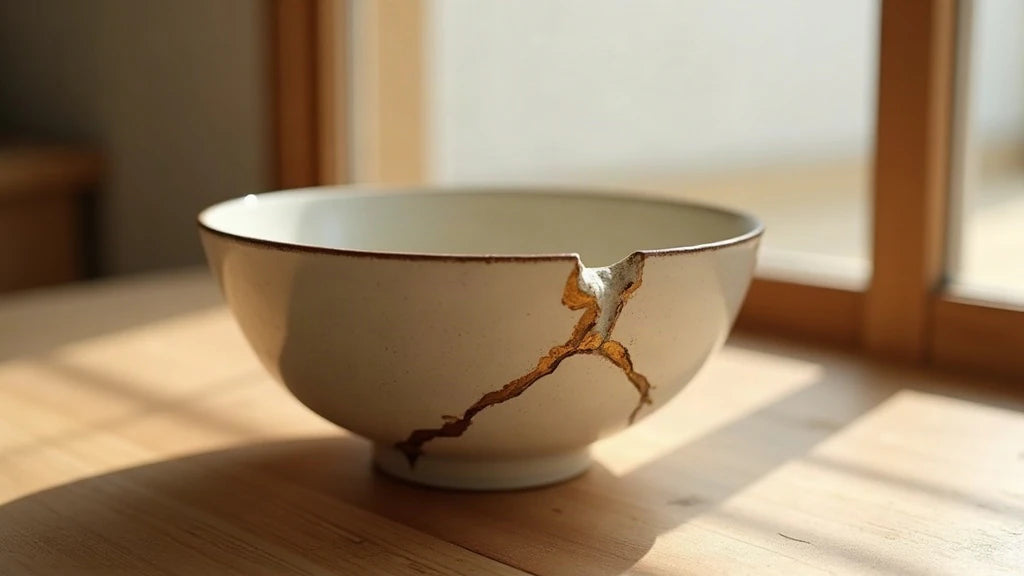
A clean break can be rejoined at home with a clear adhesive suitable for ceramics, working slowly and taping the piece while it sets. A missing chip of glaze or a hairline crack is harder, since filling and colour matching are restoration work. Kintsugi, the Japanese practice of repairing with visible gold seams, treats the break as part of the object rather than a flaw to hide.
Is it bad luck to move or clean a maneki neko?
There is no tradition against cleaning one. The maneki neko is a symbol of welcome and invitation, and shopkeepers in Japan have long kept theirs wiped and visible near the door. Care for it the way you would care for anything you want to keep looking well.
If you are choosing a first beckoning cat, or replacing one that did not survive an old sponge, take a slow look through the maneki neko cat collection and pick the colour whose meaning suits the room you have in mind.
Explore the Maneki Neko Cat collection
Browse the Maneki Neko Cat collection to compare sizes, colours and paw positions before you pick your next lucky cat.
Browse the collection →