








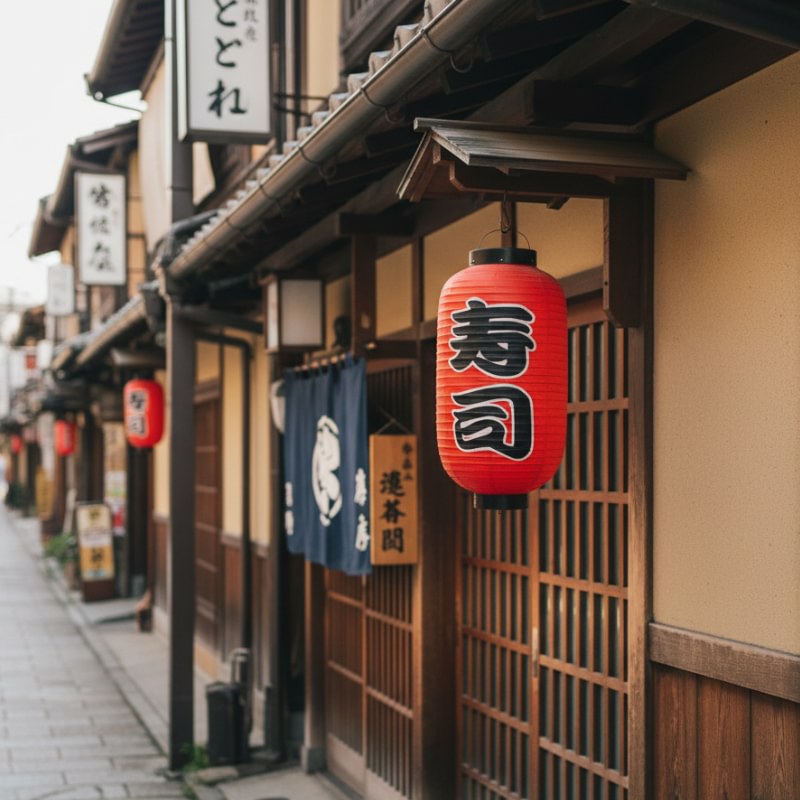
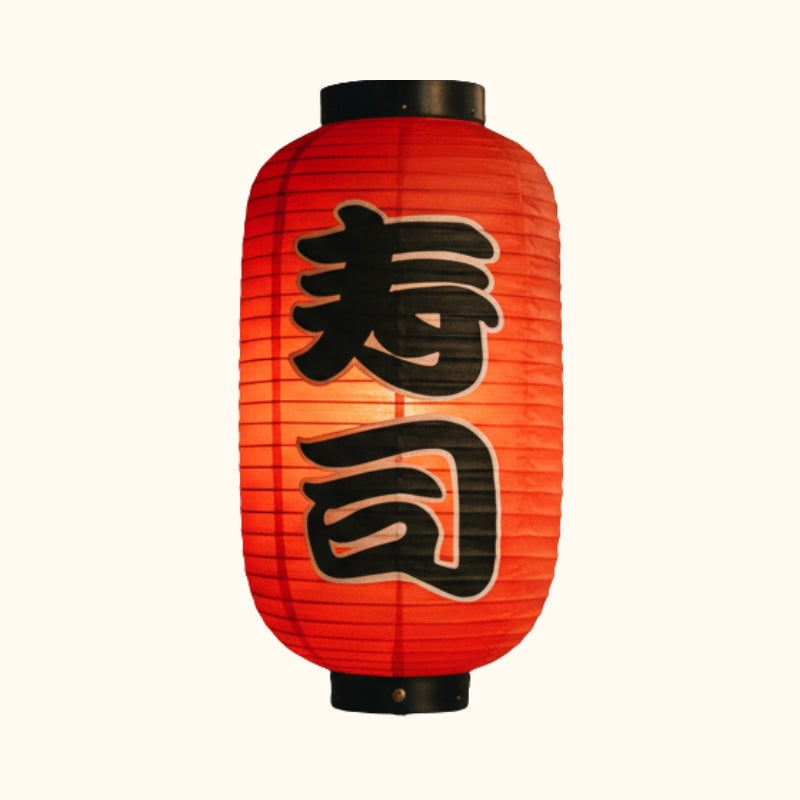
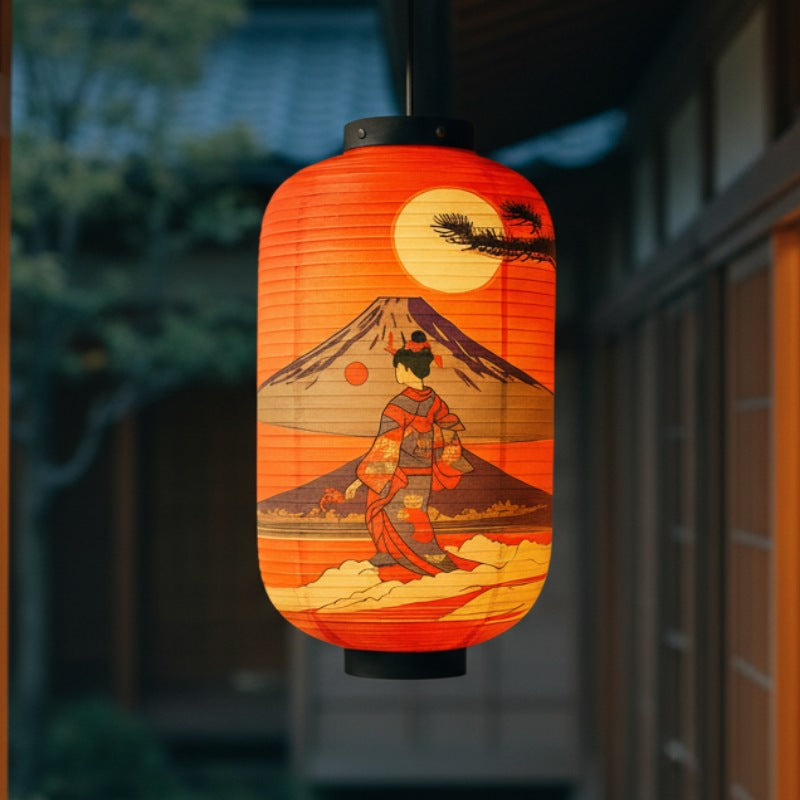
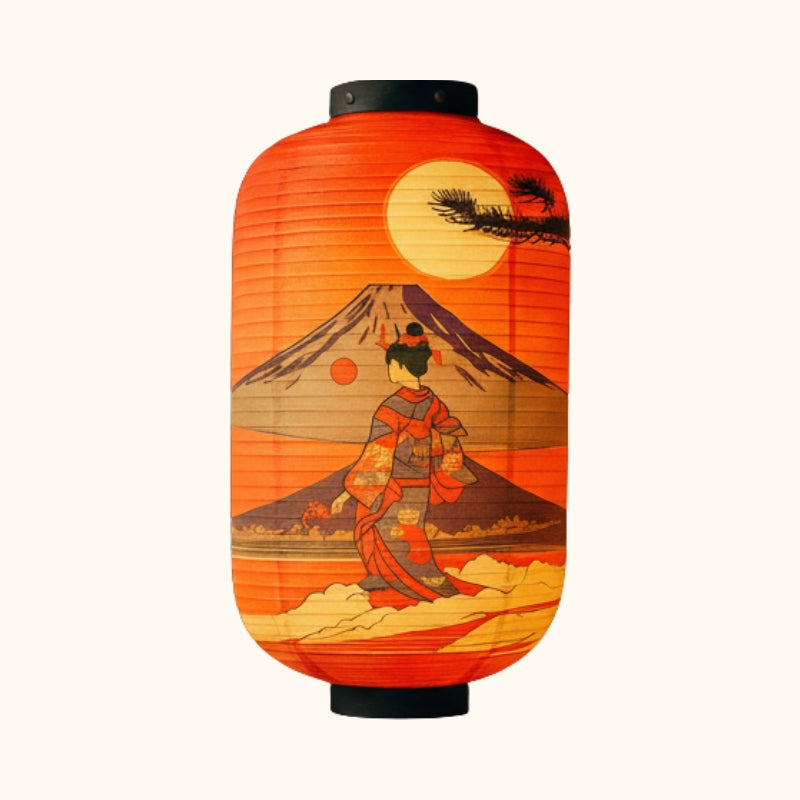
Japanese Floating Paper Lantern

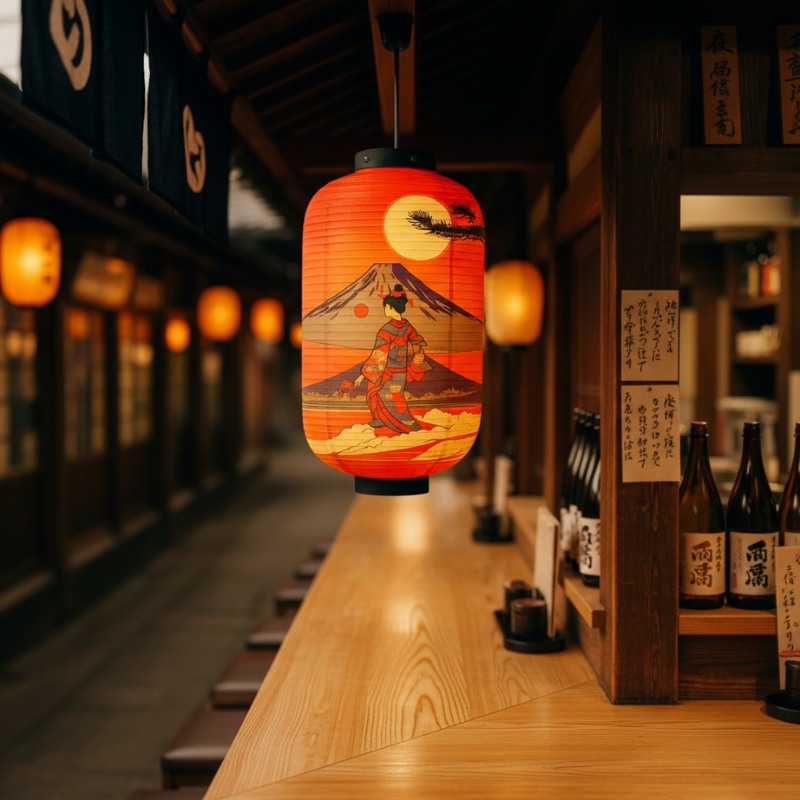
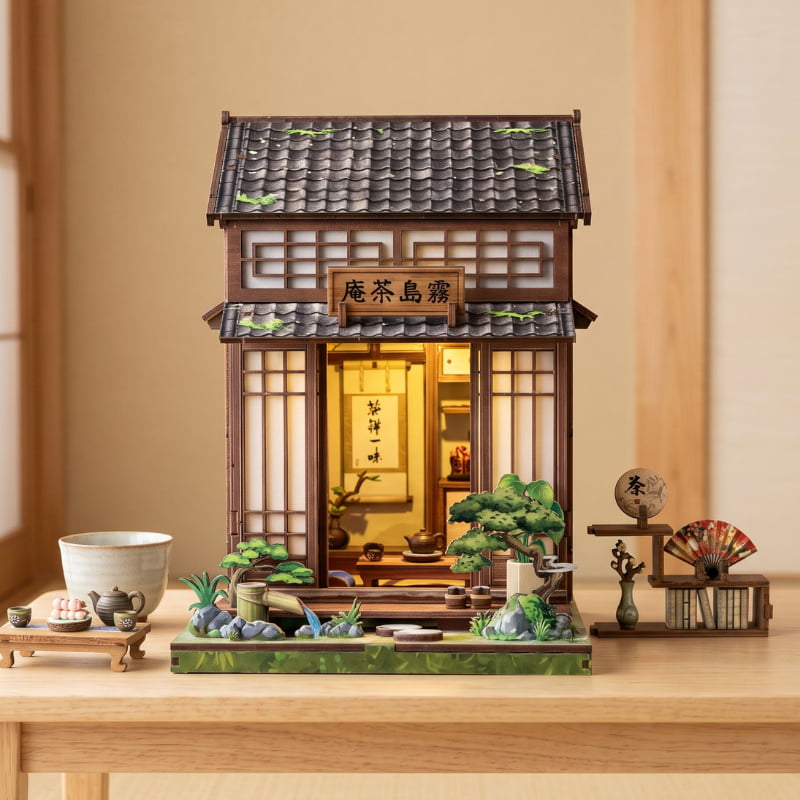
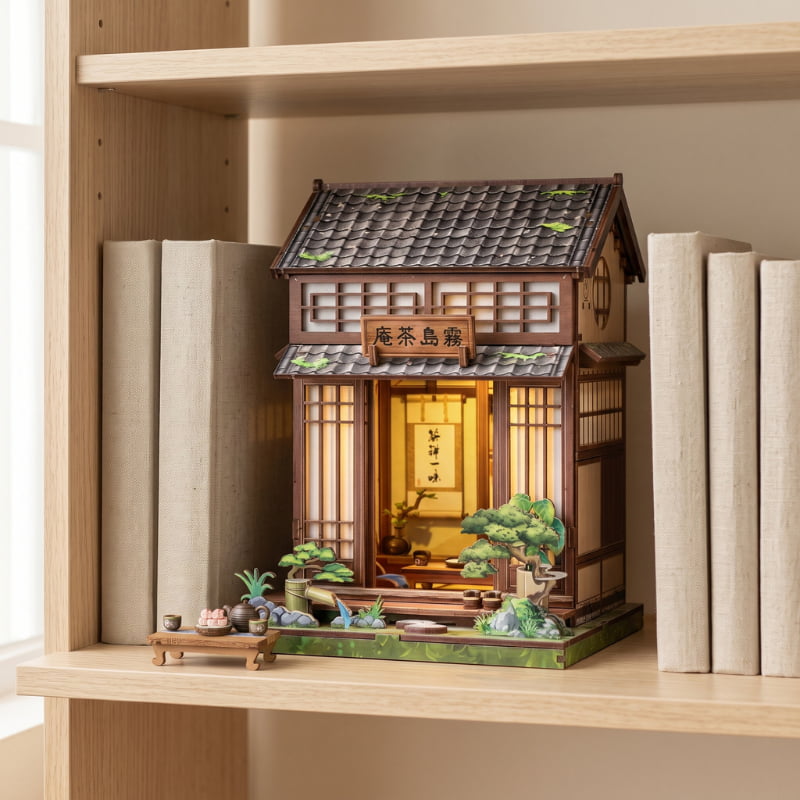
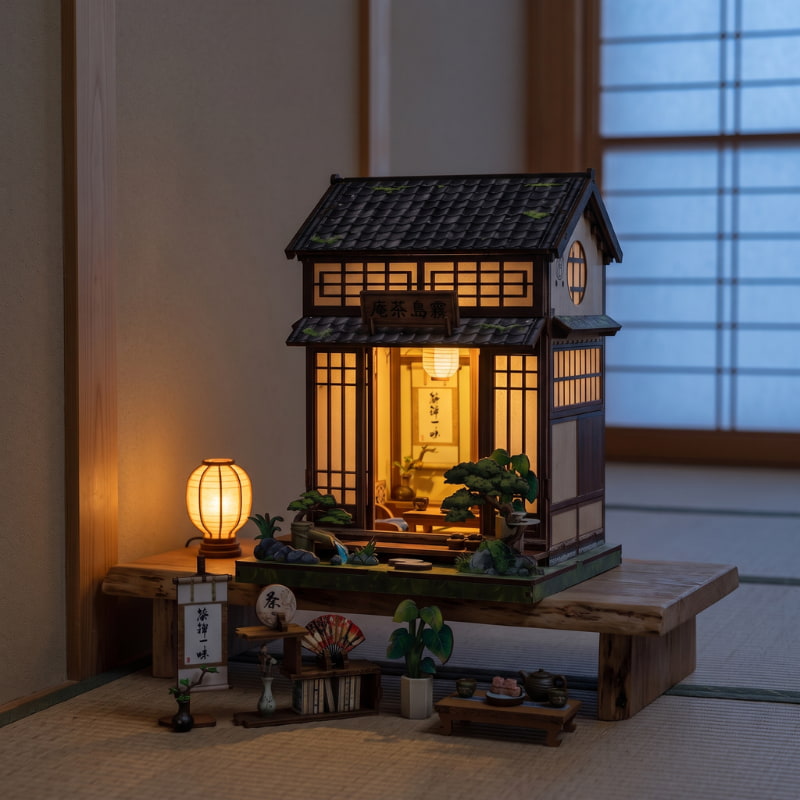
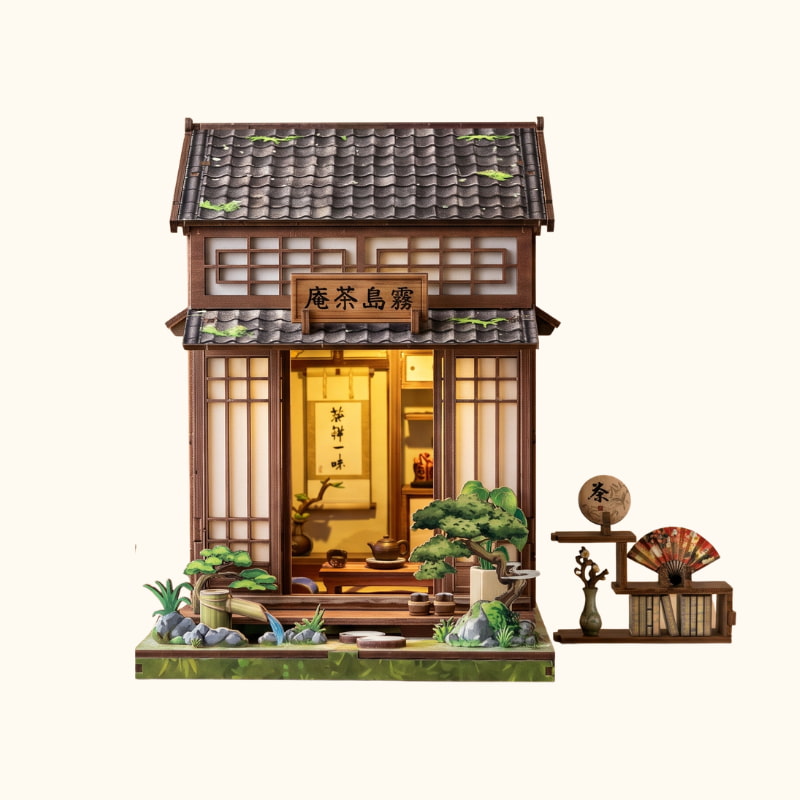
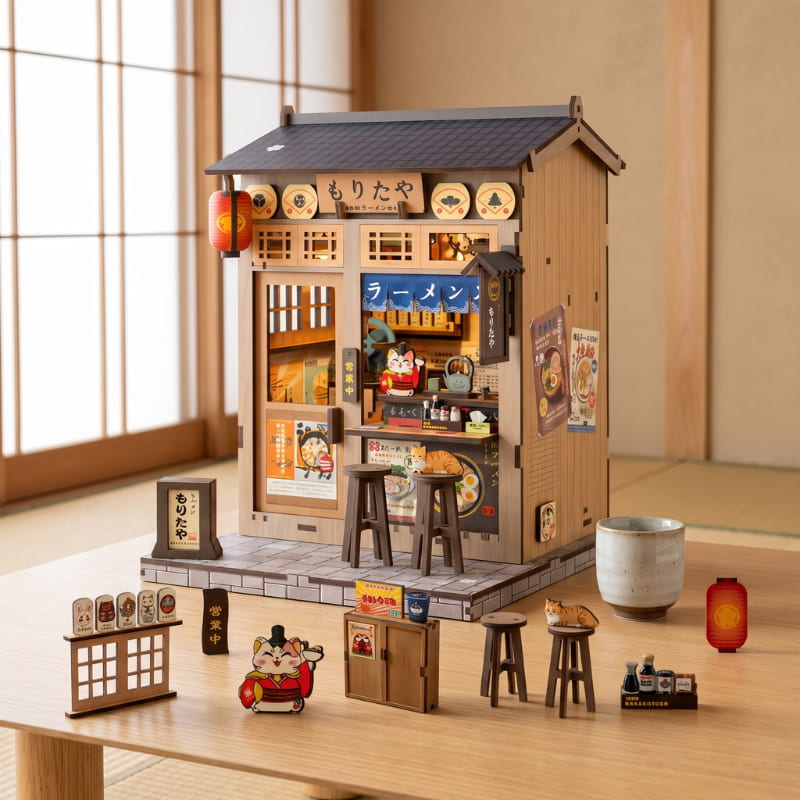
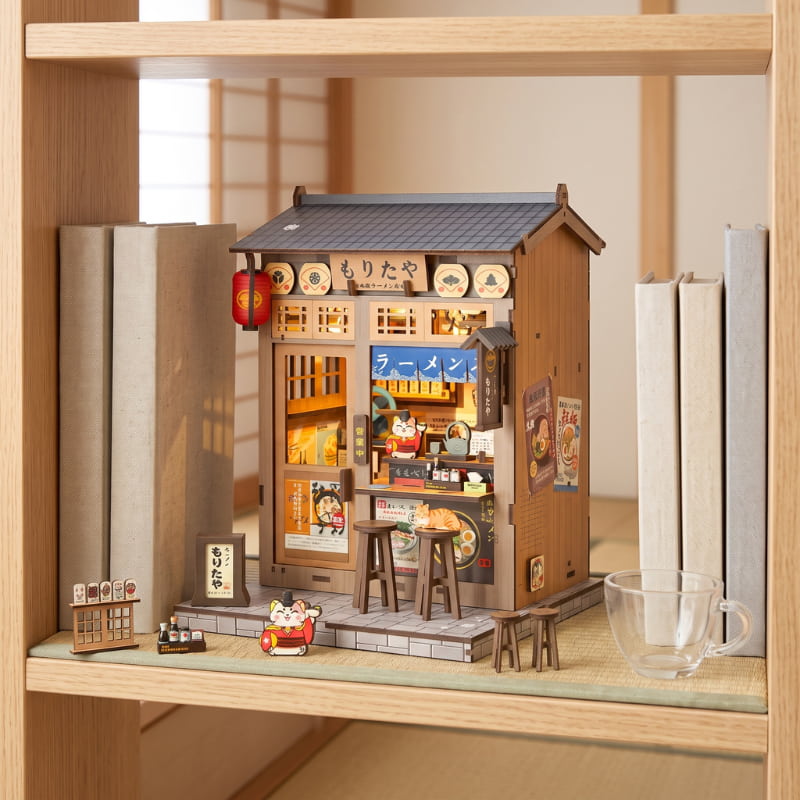
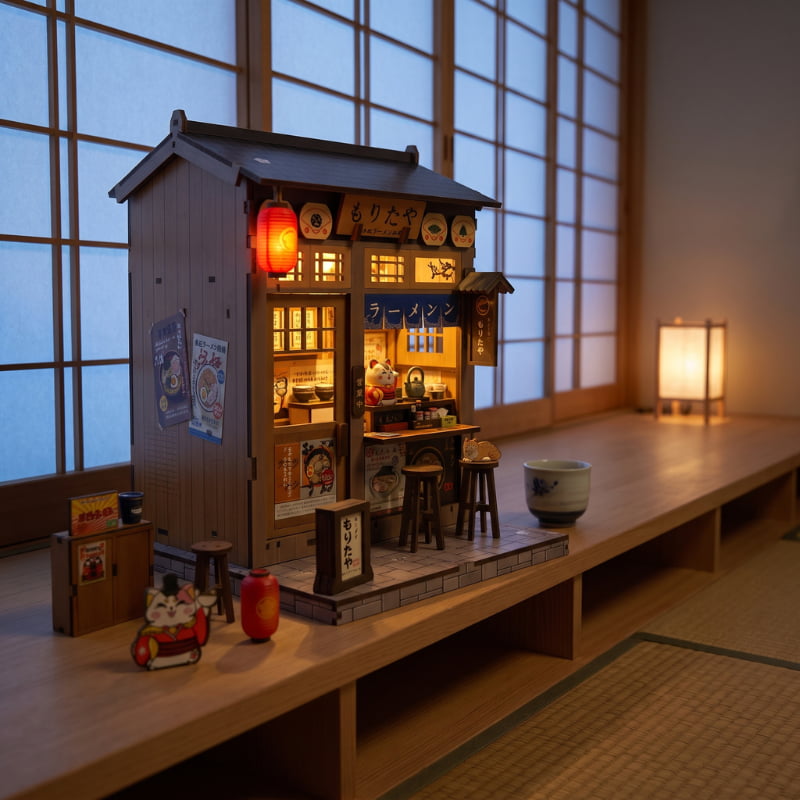
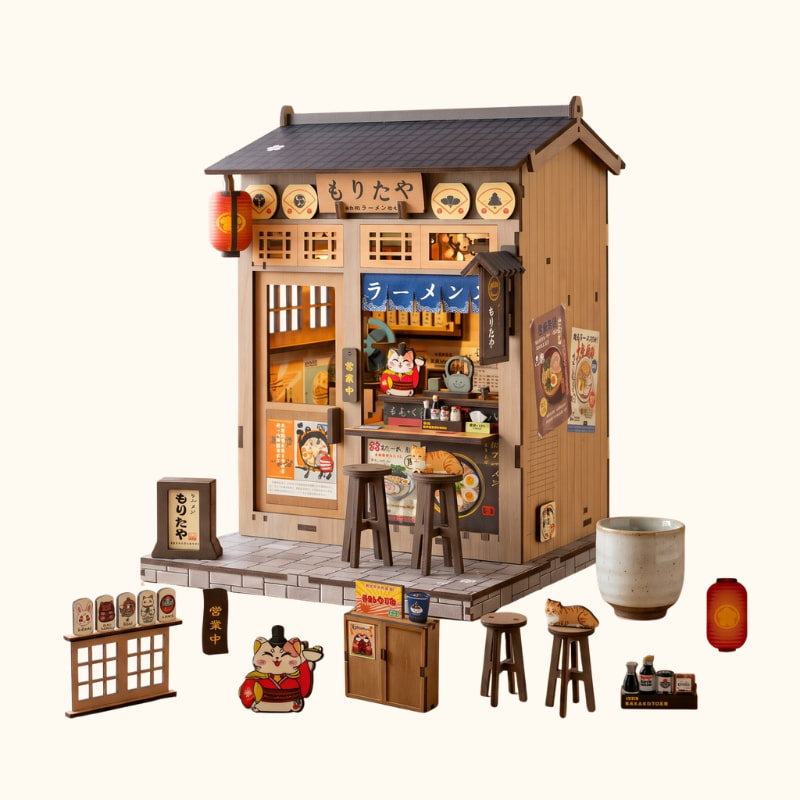
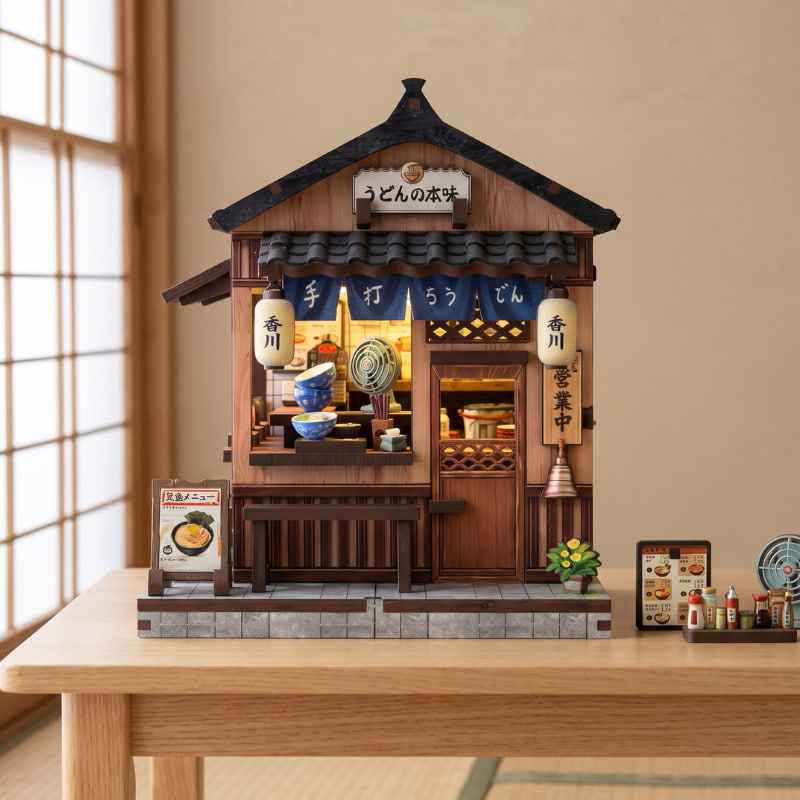
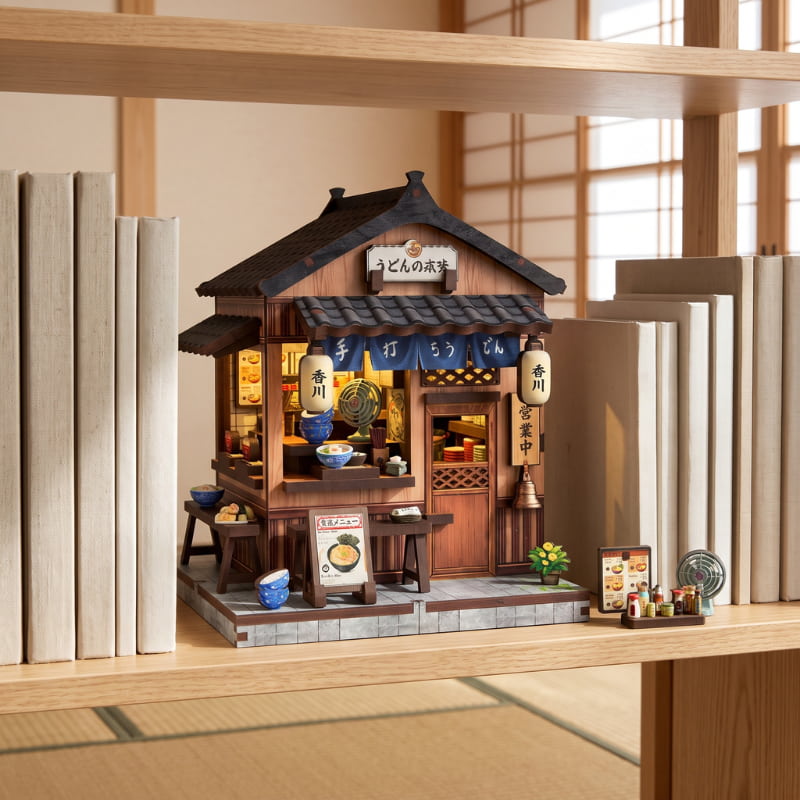
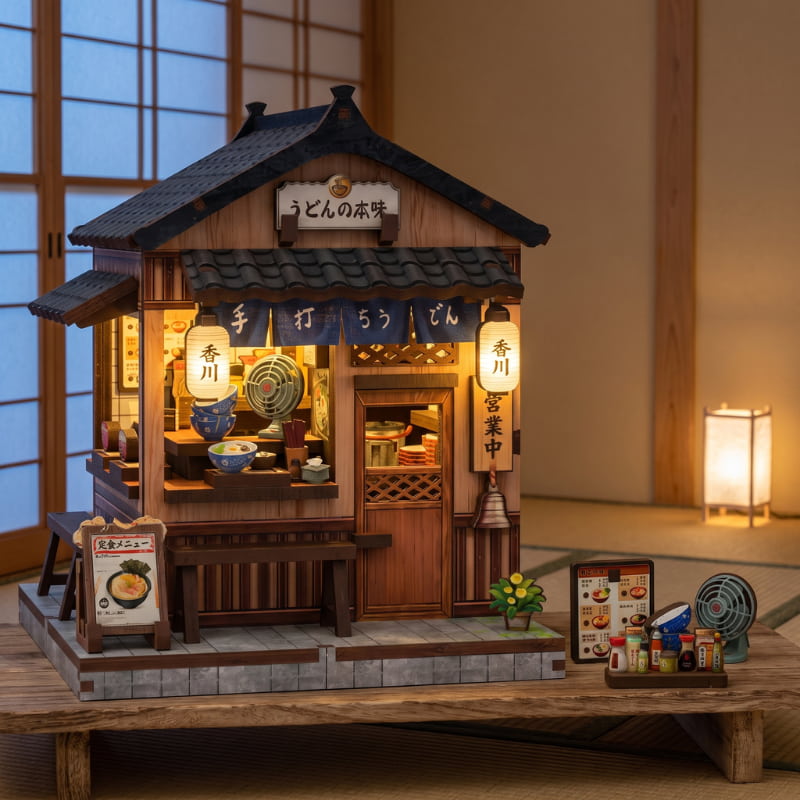
A Japanese gift works best when the object asks something of the person receiving it: a bowl to whisk, a doll to fill in, a wooden kit to build over a few evenings. Everything gathered here is made to be used rather than displayed and forgotten, which is why most of it ends up on a desk or a kitchen counter instead of a shelf. For a present that lasts several evenings before it is even finished, start with the Japan booknook kits.
Read more
Choosing a Japanese gift that gets used
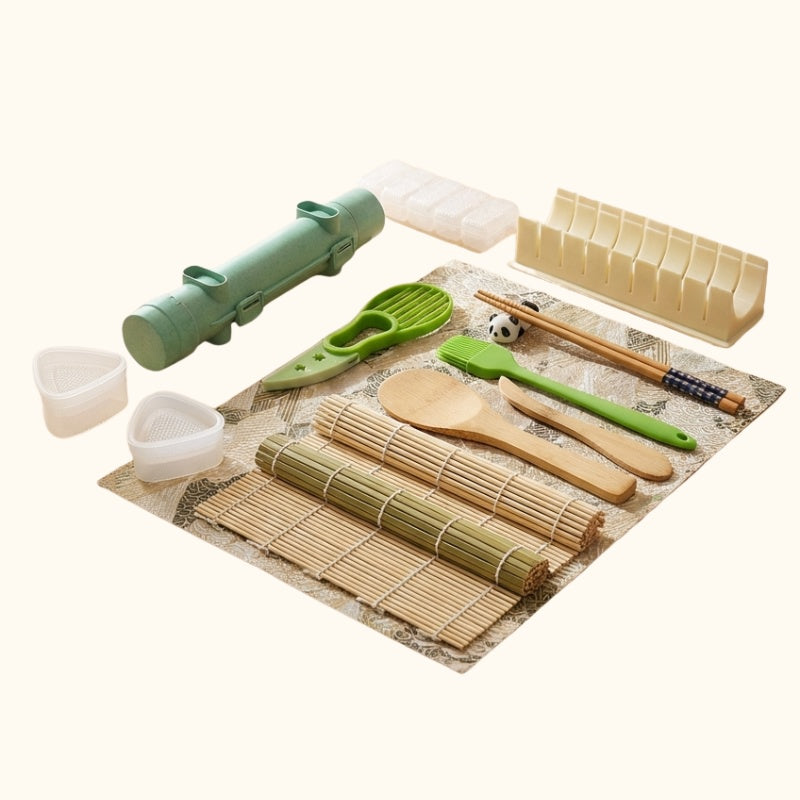
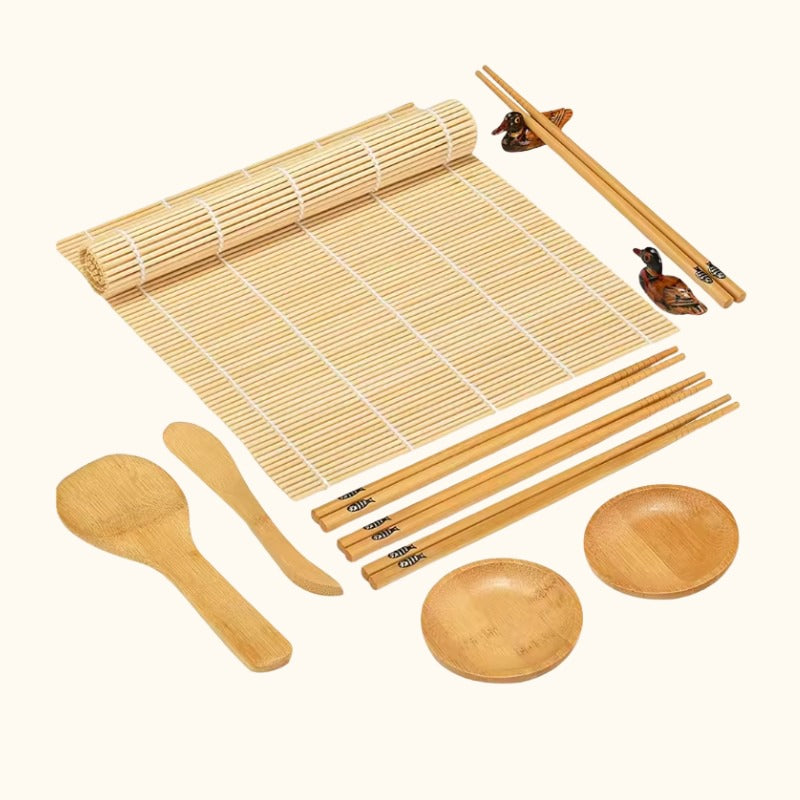
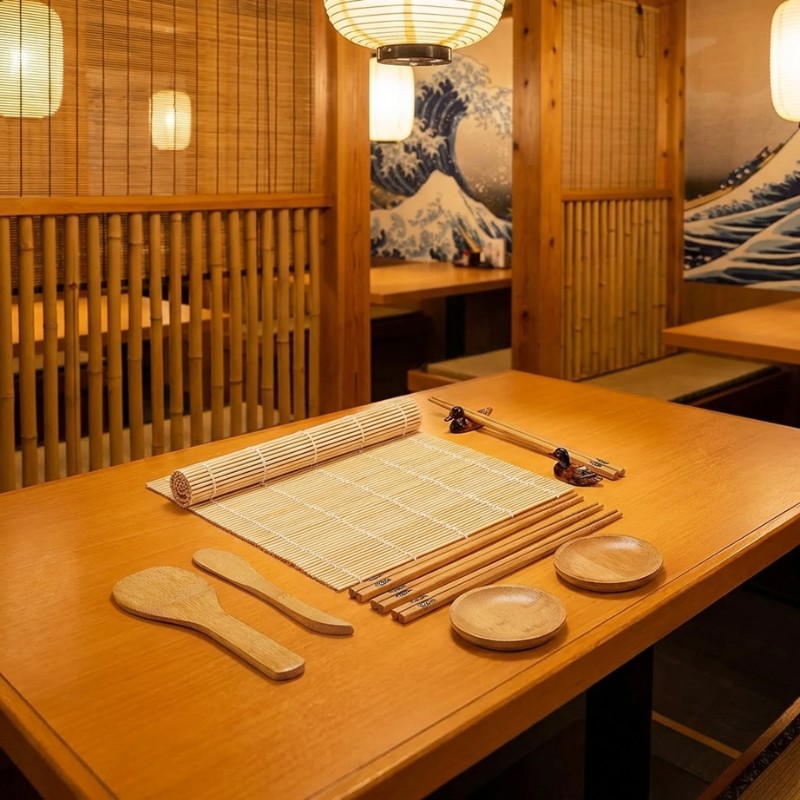
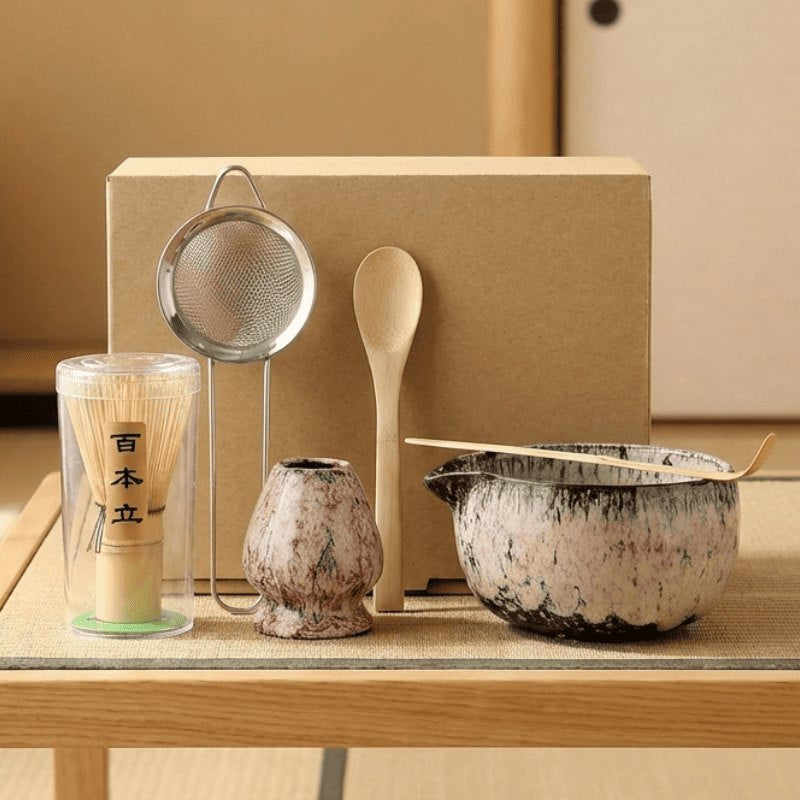
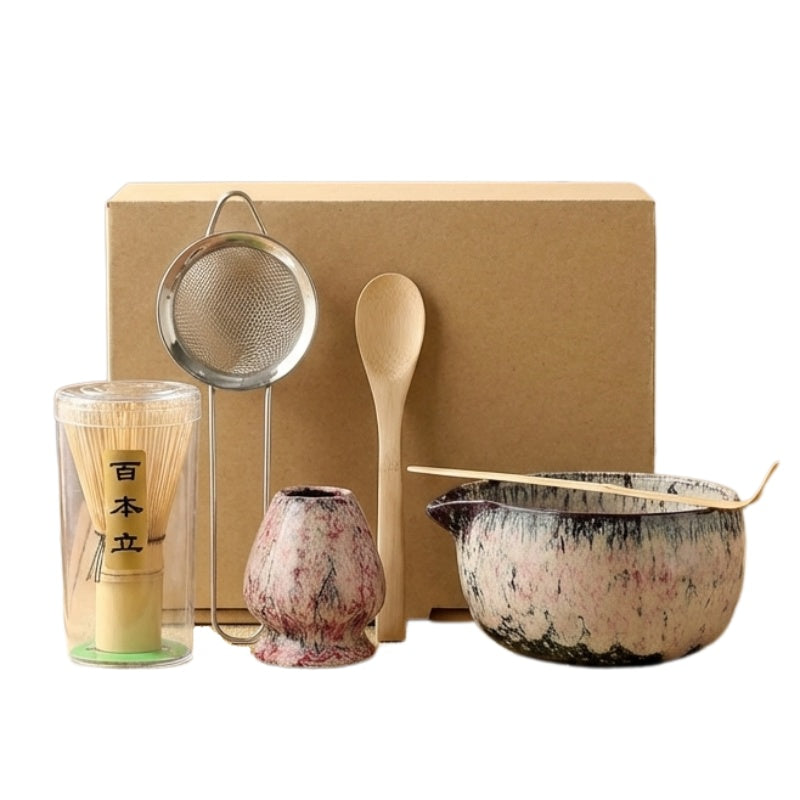
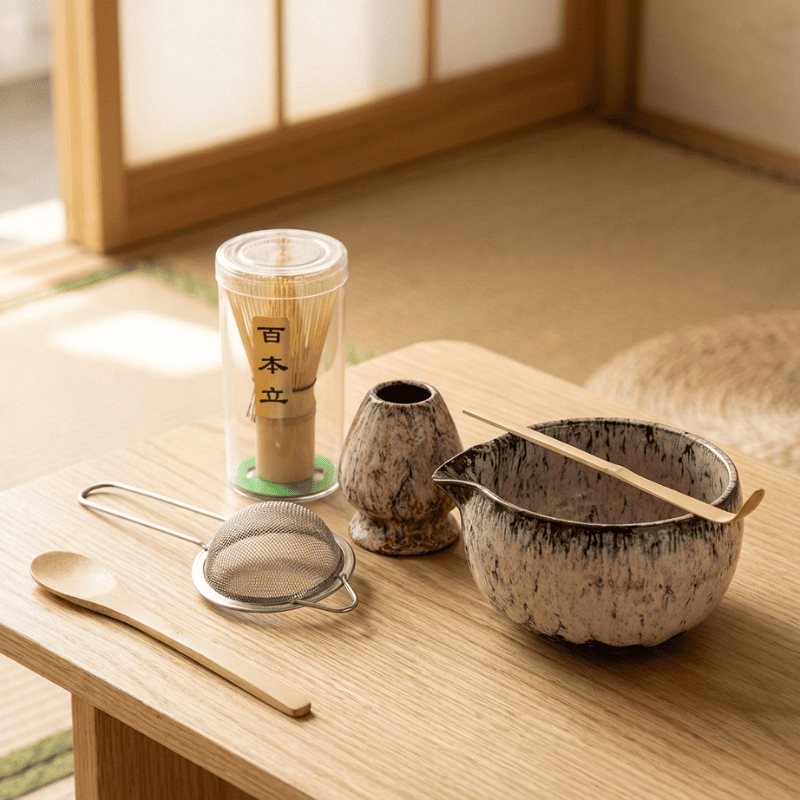
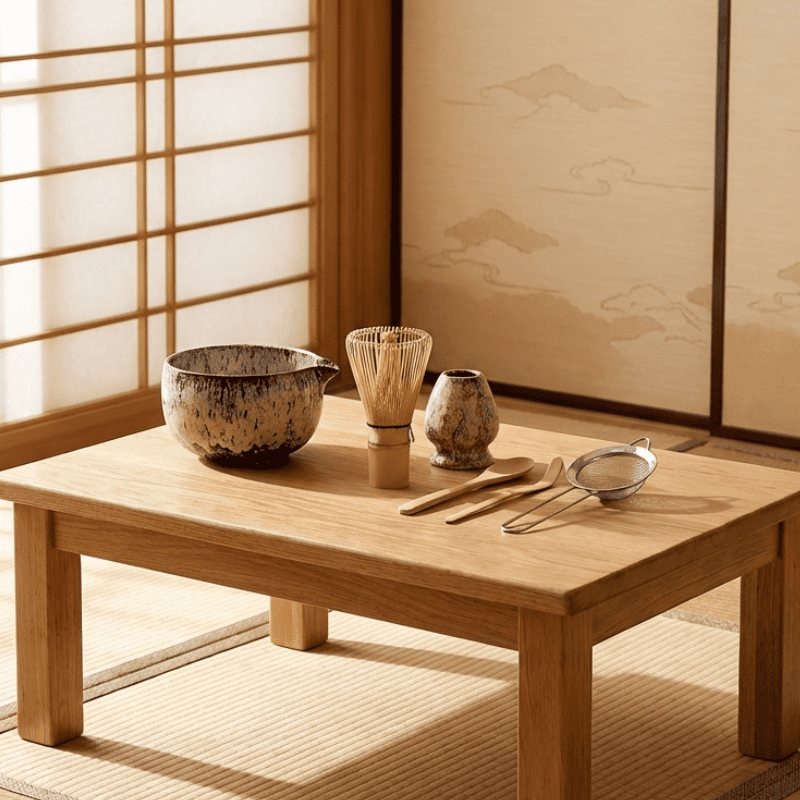
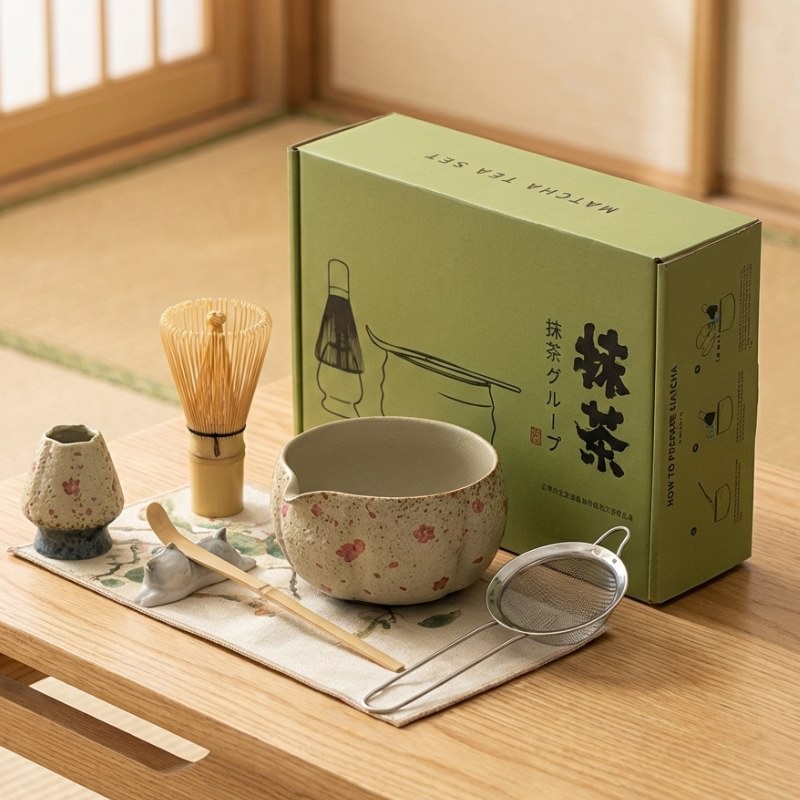
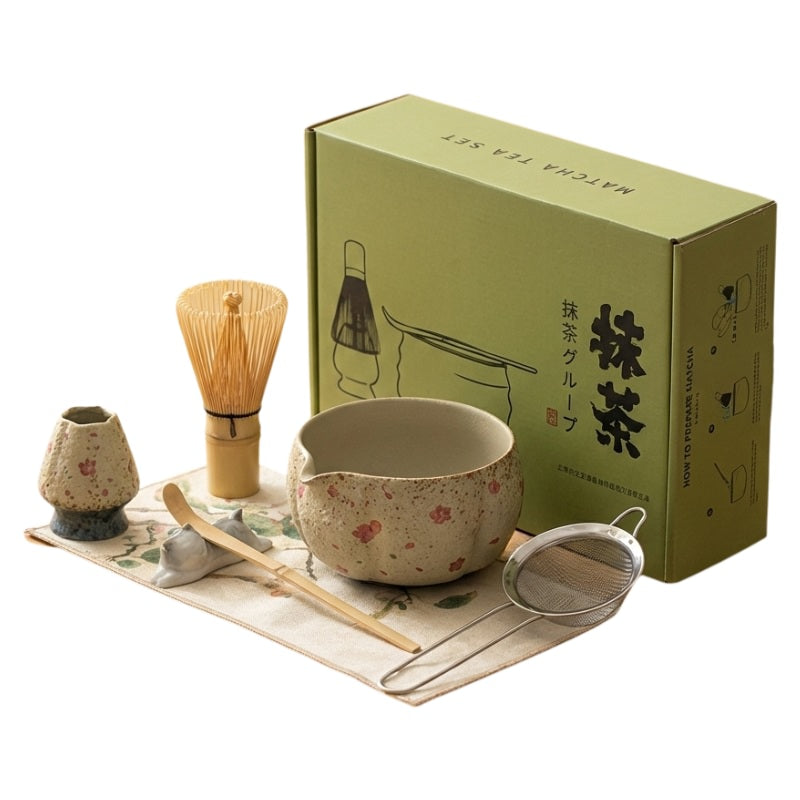
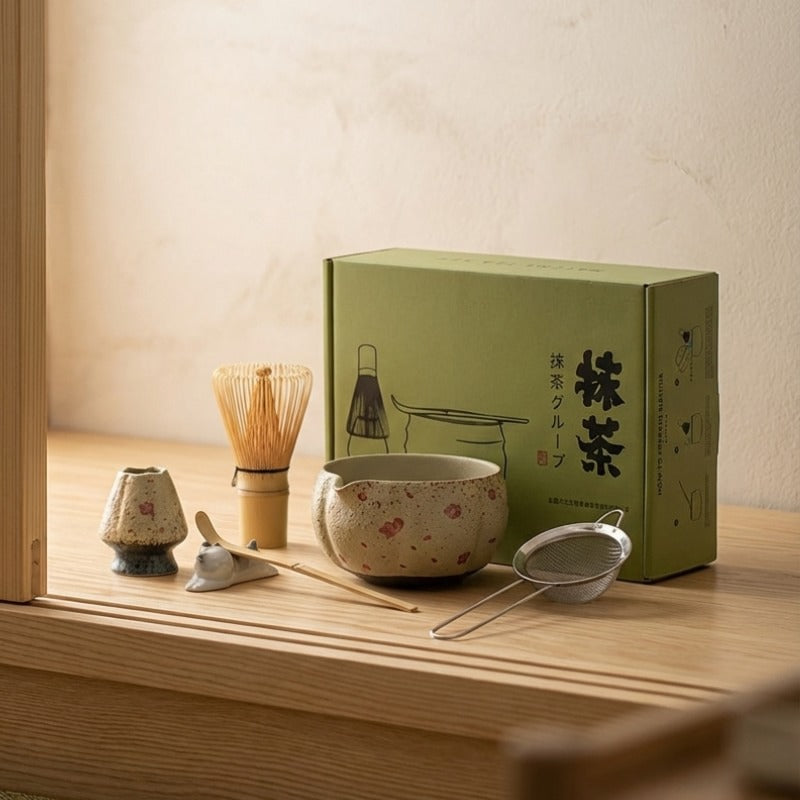
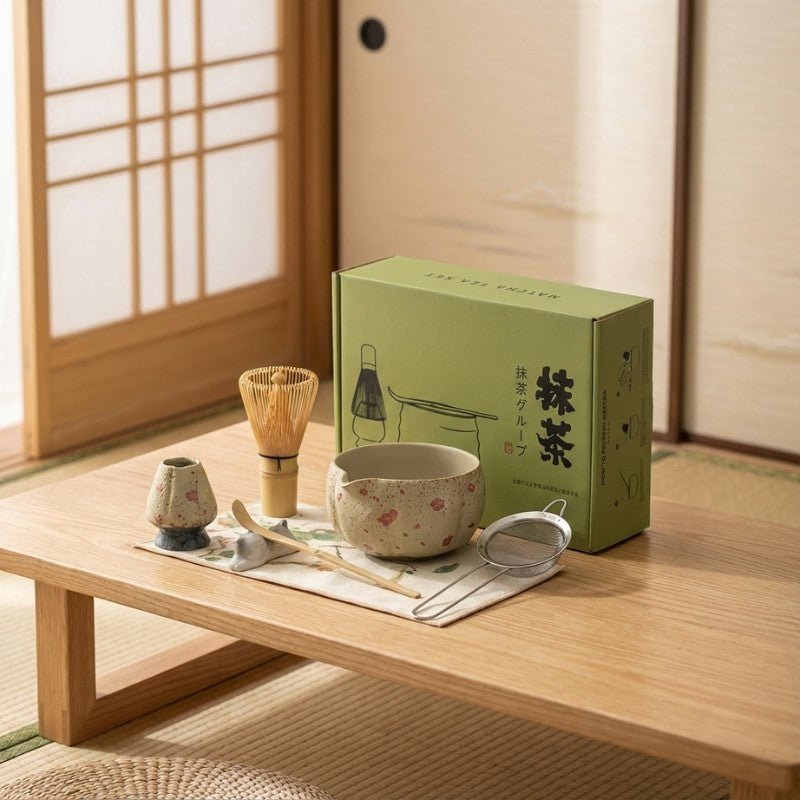
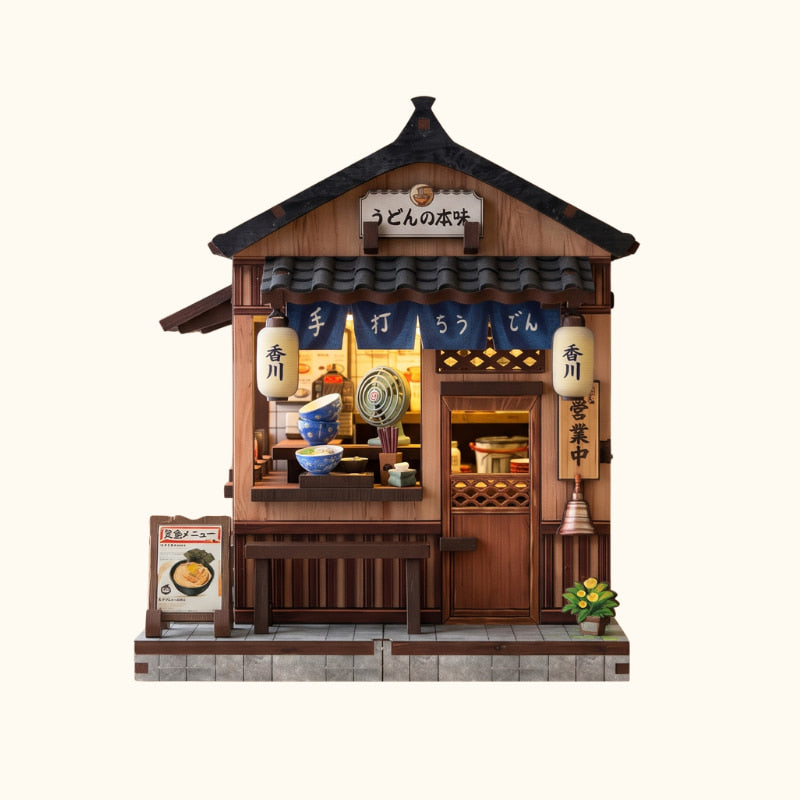
The safest Japanese gift is one with a gesture attached to it. A matcha set comes with a whisk, a scoop and a bowl, so it turns into a morning ritual rather than an ornament. A sushi kit asks for an afternoon and produces dinner. A booknook kit takes several evenings and ends as a lit scene on a shelf. Each of these gives the person something to do, which is what separates a present that is remembered from one that is politely put away.
Japanese gift ideas by occasion
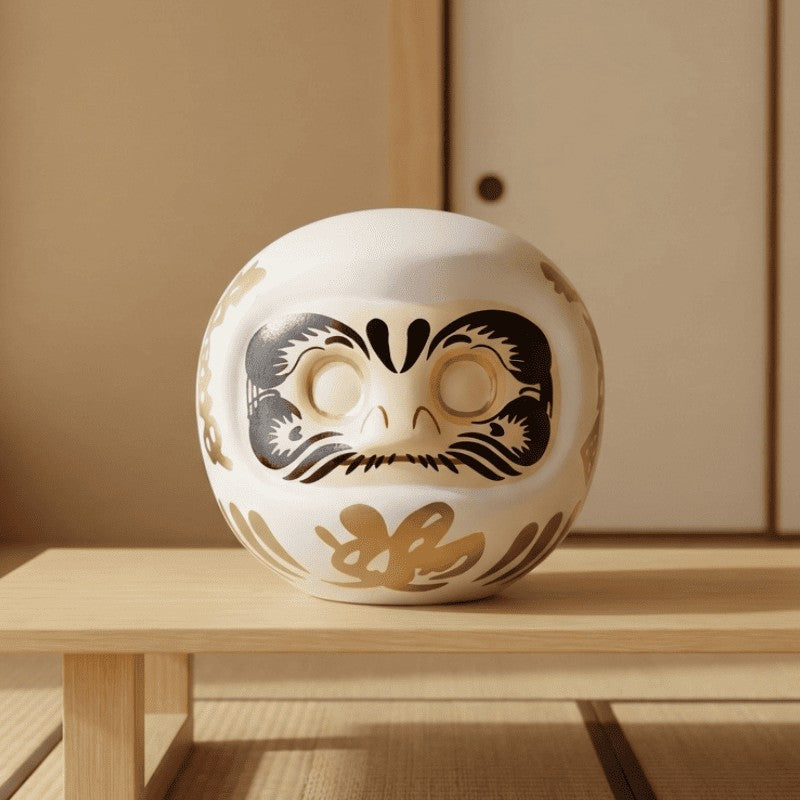
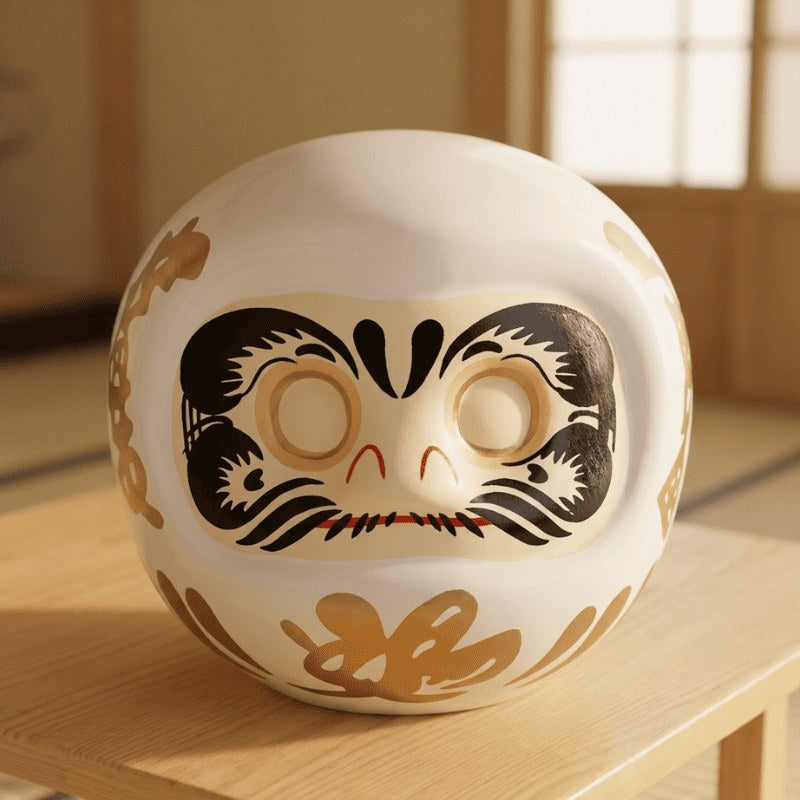
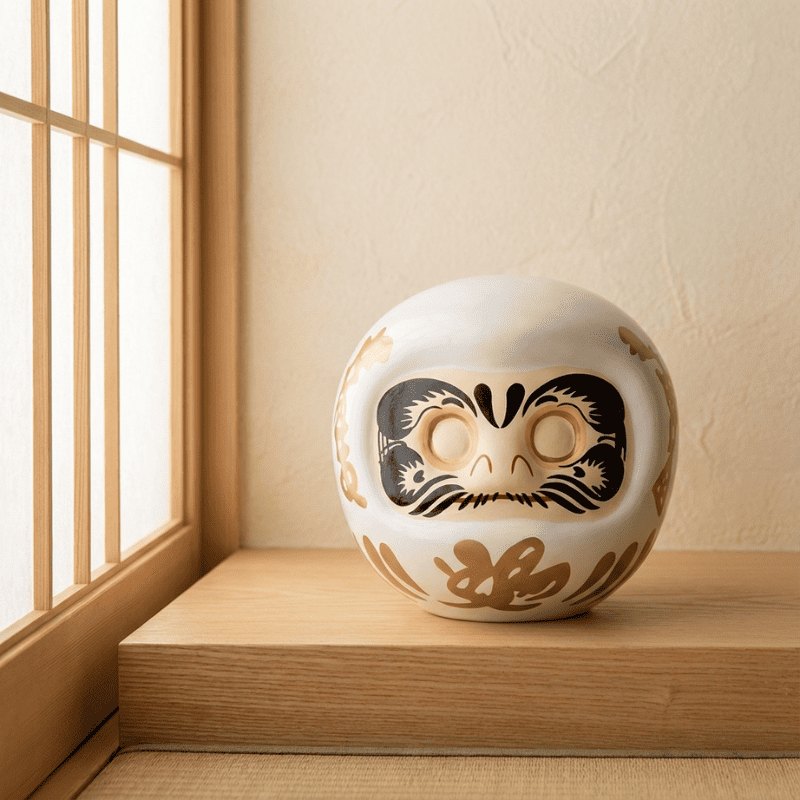
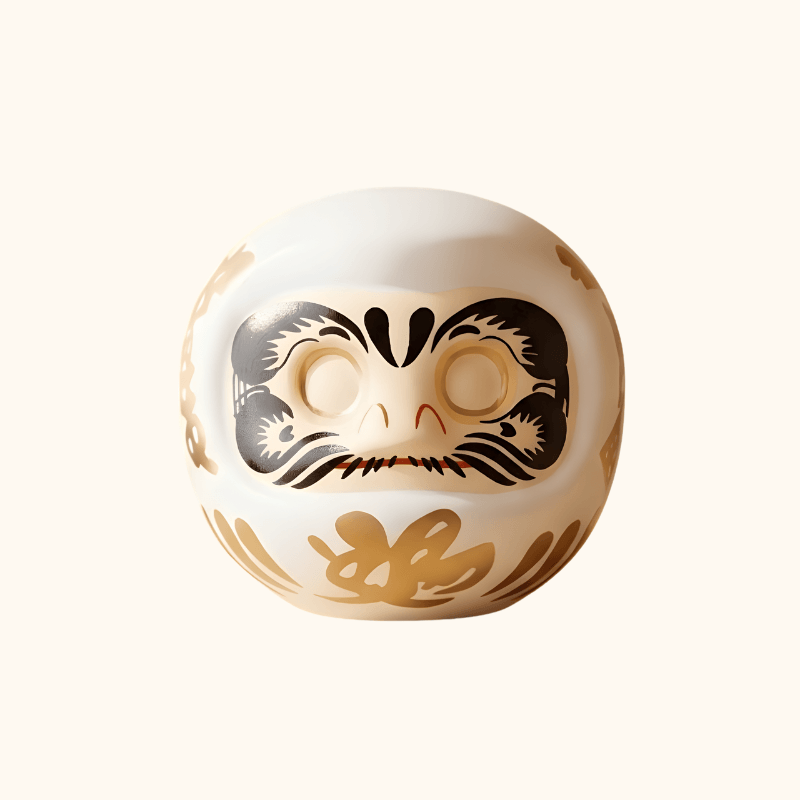
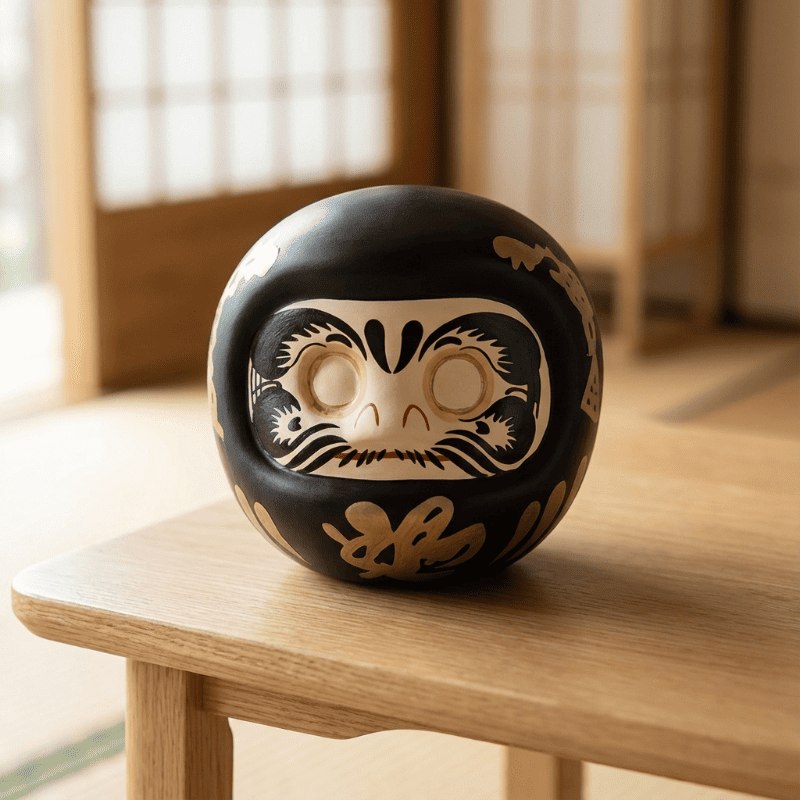
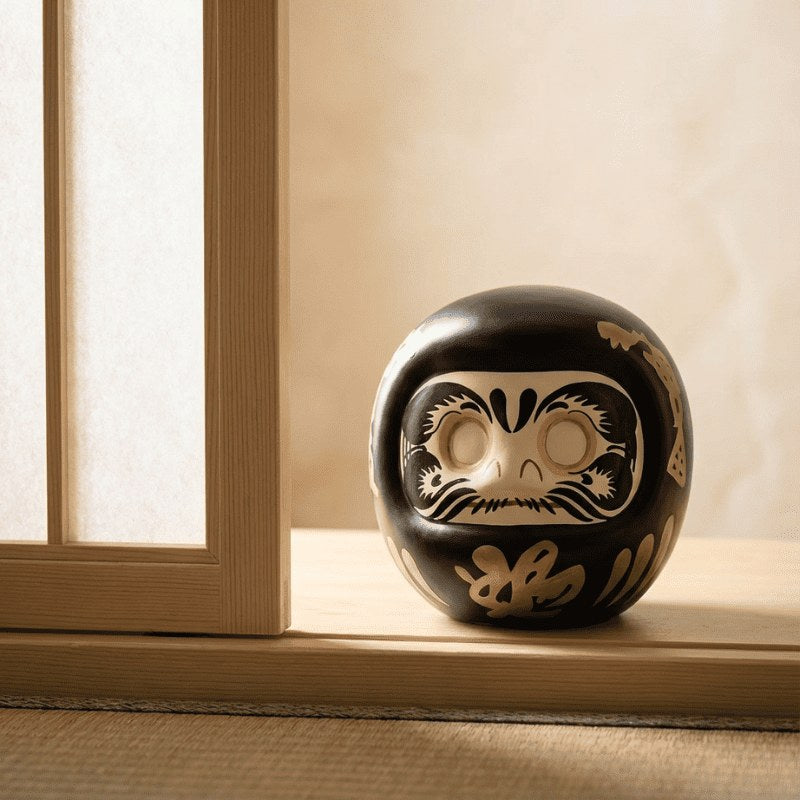
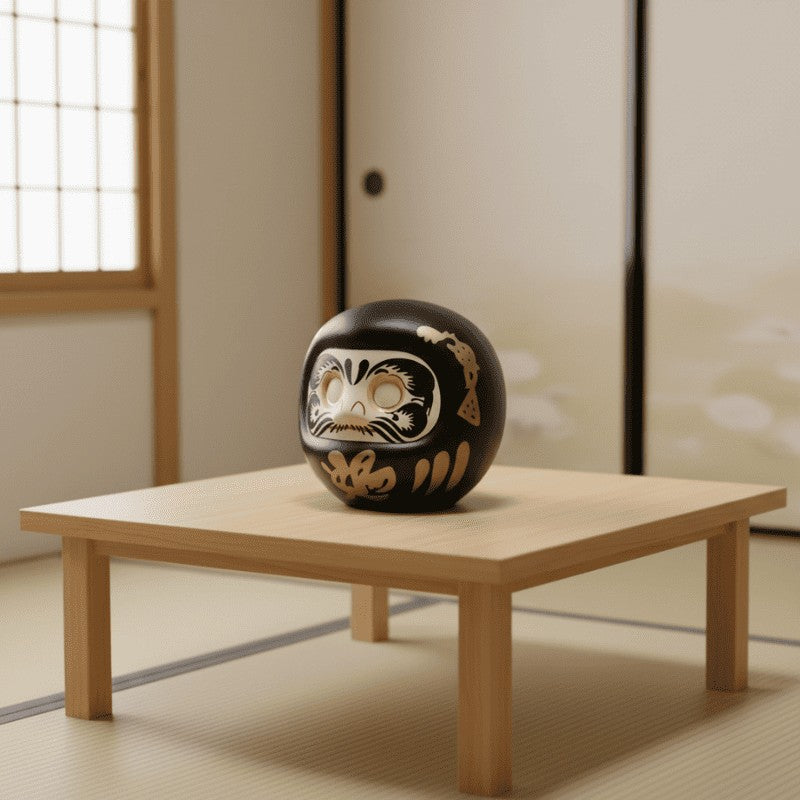
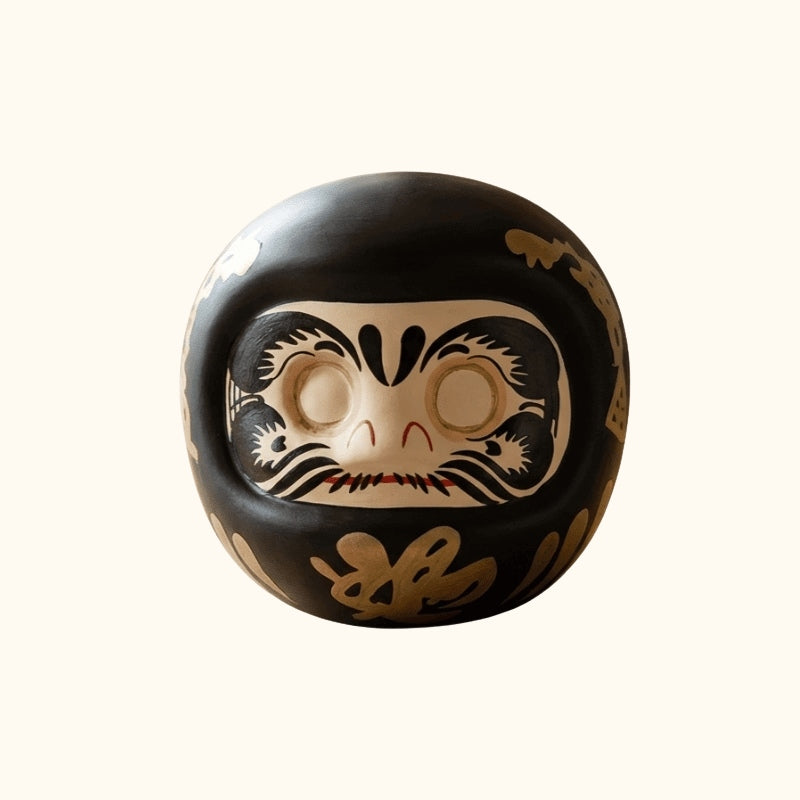
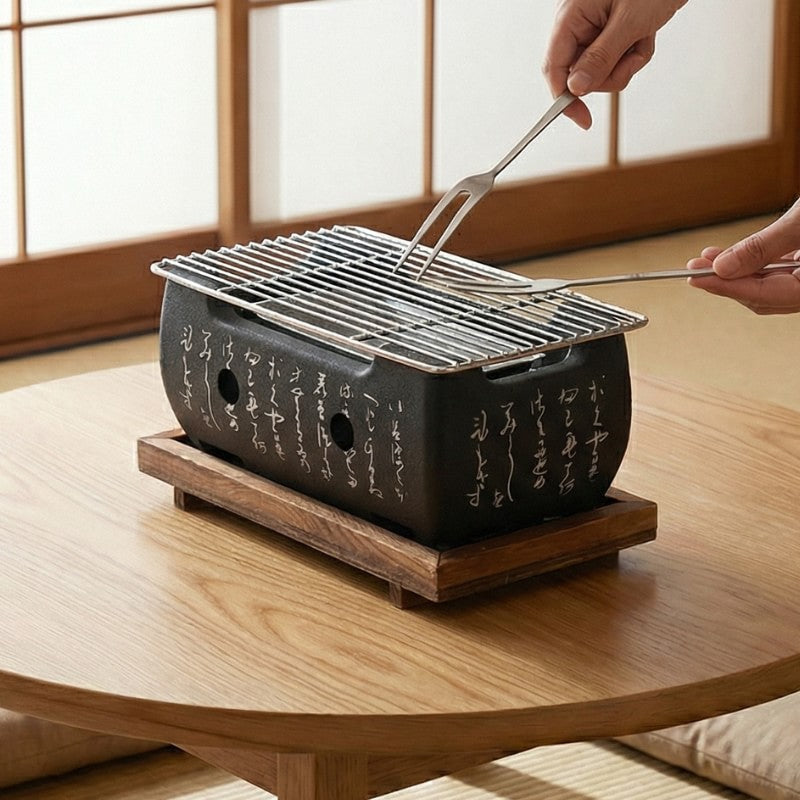
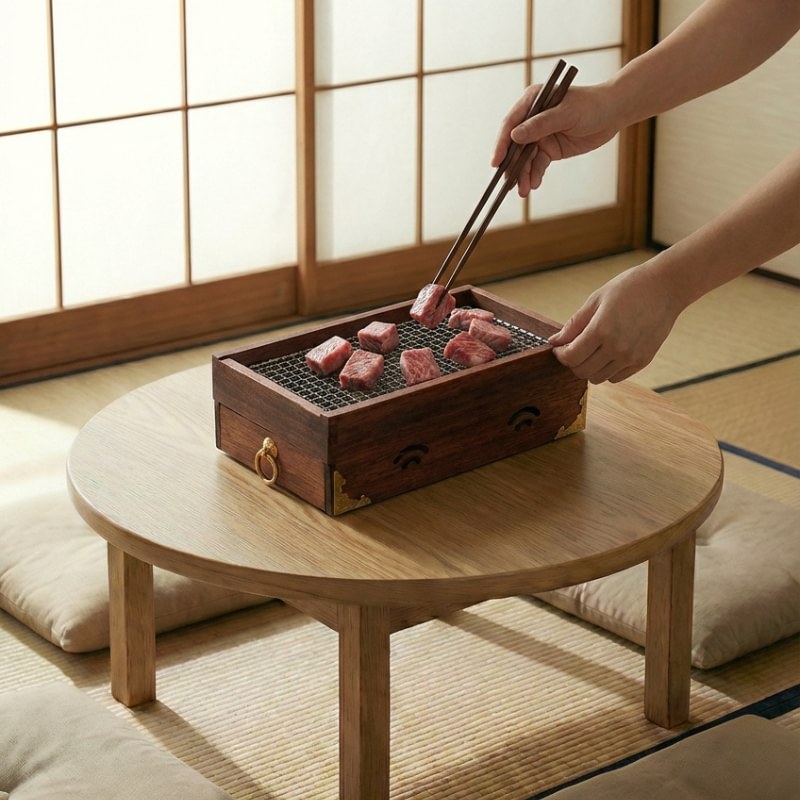
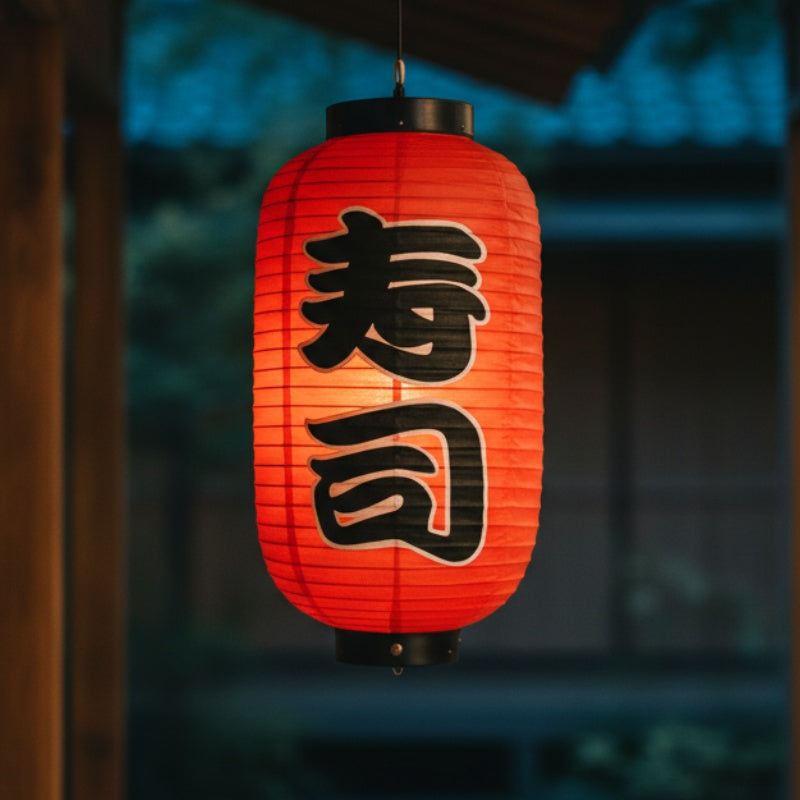
For a housewarming, a paper lantern or a daruma doll settles into a new room immediately and needs no explanation. For a birthday, a matcha set or a grill suits someone who already likes cooking and wants a different way of doing it. For a reader, a booknook slots between their books and changes the room every evening. For a goodbye or a thank you, a daruma carries its own message: one eye is filled in when a wish is made, the other when it comes true.
What makes a Japanese gift feel considered
Restraint, mostly. Japanese objects tend to show their material rather than hide it, so the wood, the clay and the paper are part of what is being given. That also makes them easy to live with: they sit in a kitchen or a living room without demanding a particular style around them. Choosing one piece that is used daily beats a set that looks generous and stays in its box.
Gift wrapping and the Japanese habit of presentation
In Japan the wrapping is treated as part of the present, not as packaging to be torn off. A cloth folded around a box, a simple knot, a card written by hand: the care taken before the object is seen sets how it will be received. None of it needs to be elaborate, and a plain cloth around a matcha bowl says more than printed paper.
FAQ
What is a safe Japanese gift for someone I do not know well?
A matcha set or a paper lantern. Both are useful, neither assumes anything about taste in decoration, and they fit almost any home.
Is a daruma doll an appropriate present?
Yes, and it carries a meaning that travels well. The eyes are left blank on purpose: one is filled in when a goal is set, the other once it is reached, which makes it a fitting gift for a new job, a move or a new year.
Which gift suits someone who likes making things?
A booknook kit or a sushi kit. Both are bought for the activity as much as for the result, and the time spent on them is part of what is being offered.
Do these gifts need any special care?
Very little. Keep paper and printed pieces out of direct sun, wash ceramics by hand, and dry wood rather than leaving it wet. Nothing here asks for more attention than that.